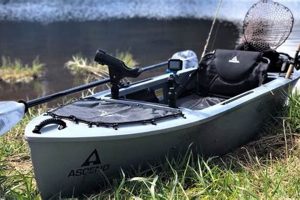
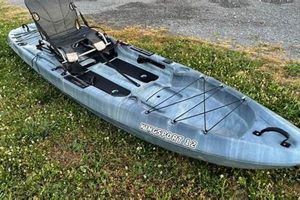
Efficient organization of fishing gear in a kayak is essential for a successful and enjoyable angling experience. This involves selecting appropriate containers, utilizing the limited space effectively, and ensuring quick access to necessary equipment while maintaining stability and safety on the water. For instance, a well-planned system might include waterproof boxes for lures and terminal tackle, a crate system for larger items like rods and reels, and strategically placed mounts for frequently used tools.
Effective systems enhance angling efficiency by reducing time spent searching for equipment, minimizing clutter, and improving safety by keeping the kayak balanced and free from obstructions. Historically, kayak anglers relied on simple bags and buckets, but the evolution of specialized tackle storage solutions reflects the growing popularity and sophistication of this fishing style. Proper organization translates directly into more time spent fishing and less time dealing with tangled lines or misplaced gear.
The subsequent sections will delve into various storage solutions, including crate systems, tackle boxes, mounting options, and DIY modifications, offering a comprehensive guide to optimizing gear organization for any kayak fishing setup.
Tips for Optimizing Kayak Fishing Tackle Storage
Effective tackle organization is crucial for a successful kayak fishing trip. These tips offer practical guidance on maximizing storage space and ensuring efficient access to essential gear.
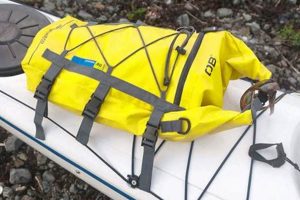
Tip 1: Prioritize Waterproof Storage. Water intrusion can damage valuable equipment. Employ waterproof containers and bags to protect tackle from splashes, rain, and accidental submersion.
Tip 2: Utilize Vertical Space. Maximize limited kayak space by incorporating vertical storage solutions. Wall-mounted organizers and rod holders keep gear off the floor and readily accessible.
Tip 3: Employ a Crate System. Milk crates or specialized fishing crates offer versatile storage options. They can be customized with inserts and dividers to accommodate various tackle types and sizes.
Tip 4: Secure Gear Effectively. Prevent gear shifting and potential capsizing by securing all storage containers and equipment to the kayak using bungee cords, straps, or dedicated mounting systems.
Tip 5: Choose Tackle Boxes Wisely. Opt for tackle boxes designed for specific lure types and sizes. This minimizes wasted space and facilitates quick identification of needed items.
Tip 6: Label Everything Clearly. Labeling containers and compartments saves valuable time on the water. Clearly marked storage allows for rapid retrieval of specific gear without rummaging.
Tip 7: Consider a Gear Track System. Gear tracks offer flexible mounting options for rod holders, tool holders, and other accessories, allowing for customization and adaptability.
Tip 8: Minimize Unnecessary Gear. Carry only essential equipment to reduce clutter and maximize space. Analyze past fishing trips to determine which items are consistently used and leave behind rarely needed items.
By implementing these strategies, anglers can transform their kayaks into efficient fishing platforms, maximizing both enjoyment and success on the water.
These organizational principles will enhance fishing efficiency and contribute to a safer and more enjoyable experience overall.
1. Waterproof Containers
In the context of kayak fishing tackle storage, waterproof containers play a vital role in protecting sensitive equipment from the inherent moisture and unpredictable conditions of the aquatic environment. Their proper utilization directly impacts the longevity and reliability of fishing gear, contributing significantly to a successful and enjoyable outing.
- Protection from the Elements
Waterproof containers shield tackle from rain, splashes, and even full submersion. This protection extends to electronic devices, such as fish finders and GPS units, as well as terminal tackle, fishing line, and other essential items susceptible to water damage. Dry storage ensures consistent performance and prevents costly replacements.
- Maintaining Tackle Integrity
Moisture can corrode hooks, dull blades, and degrade the quality of fishing line. Waterproof storage mitigates these effects, preserving the sharpness and effectiveness of hooks and lures, ultimately increasing the chances of a successful catch. This is particularly crucial for saltwater environments, where corrosion occurs more rapidly.
- Organization and Accessibility
Waterproof containers, often available in various sizes and configurations, facilitate organized storage within the limited space of a kayak. Clear containers allow for quick identification of contents, minimizing search time and maximizing fishing time. Specialized waterproof boxes with compartments can further enhance organizational efficiency.
- Buoyancy and Safety
Some waterproof containers offer inherent buoyancy, providing a secondary benefit in case of accidental overboard situations. This can prevent valuable tackle from sinking and being lost. Furthermore, the contained nature of waterproof storage prevents loose items from creating clutter and potential safety hazards within the kayak.
The strategic use of waterproof containers contributes significantly to a well-organized and efficient kayak fishing experience. By safeguarding tackle from the elements and enhancing organization, these containers enable anglers to focus on fishing rather than managing wet or damaged equipment. Their role extends beyond mere storage; they contribute directly to the overall success and enjoyment of kayak angling.
2. Space Optimization

Space optimization represents a critical aspect of kayak fishing tackle storage. The limited confines of a kayak necessitate strategic organization and efficient use of every available area. Effective space optimization directly impacts both fishing success and overall safety on the water. For example, strategically placing frequently used items within easy reach minimizes unnecessary movement and maintains kayak stability, while storing less frequently used items in less accessible areas maximizes usable space. Failure to optimize space can lead to a cluttered, inefficient, and potentially unsafe fishing environment.
Several strategies contribute to successful space optimization. Vertical storage solutions, such as wall-mounted rod holders and tackle organizers, maximize the use of vertical space, keeping essential gear off the floor and readily accessible. Utilizing storage compartments within the kayak itself, such as hatches and tank wells, provides additional concealed storage for larger items. Custom-fitted storage bags designed specifically for kayak interiors conform to the kayak’s shape and maximize space utilization. Selecting appropriately sized tackle boxes and containers minimizes wasted space and promotes efficient organization within storage areas.
Ultimately, successful space optimization enhances fishing efficiency by minimizing time spent searching for gear and maximizing time spent fishing. It also improves safety by reducing clutter and maintaining kayak stability. Careful consideration of storage solutions, combined with a disciplined approach to gear selection, transforms a kayak into a well-organized and efficient fishing platform. This organized approach allows anglers to focus on the activity of fishing rather than managing a disorganized and potentially hazardous environment.
3. Secure Mounting

Secure mounting forms an integral component of effective kayak fishing tackle storage. Unsecured gear poses significant risks, including shifting cargo that compromises kayak stability, equipment loss due to unexpected impacts or submersion, and entanglement hazards that impede fishing activities. A stable and organized kayak contributes directly to both safety and fishing success. For instance, a tackle box sliding across the deck during a sudden maneuver can create instability, potentially leading to capsize. Similarly, a loose rod or landing net can easily be lost overboard in rough conditions if not properly secured.
Various mounting solutions address these challenges. Bungee cords offer a simple and versatile method for securing items to the kayak deck. Dedicated mounting tracks, often integrated into kayak designs, provide robust attachment points for rod holders, tool caddies, and other accessories. Straps and clips provide additional security for larger items such as coolers and crates. Selecting appropriate mounting hardware tailored to specific gear and kayak configurations ensures optimal stability and accessibility. For example, utilizing a gear track system allows for customized placement of rod holders and other accessories, optimizing reach and minimizing interference with paddling or casting.
Implementing robust mounting practices transforms the kayak into a secure and efficient fishing platform. It minimizes the risk of equipment loss and enhances safety by preventing shifting loads and maintaining stability. Furthermore, secure mounting facilitates efficient organization, ensuring essential gear remains readily accessible while minimizing clutter. This attention to detail contributes to a more focused and enjoyable fishing experience, allowing anglers to concentrate on the task at hand rather than managing precariously balanced gear.
4. Accessibility
In the context of kayak fishing tackle storage, accessibility represents a crucial factor influencing both fishing efficiency and overall safety. Rapid access to essential gear, such as lures, pliers, and safety equipment, can be critical in various fishing scenarios. A well-designed storage system prioritizes efficient retrieval of frequently used items while minimizing disruption to the angler’s balance and the kayak’s stability. Conversely, poor accessibility leads to wasted time, frustration, and potential safety hazards.
- Reach and Positioning
Strategic placement of frequently accessed items within easy reach minimizes unnecessary movement and maintains kayak stability. Items used constantly, such as pliers, line cutters, and frequently used lures, should be positioned within arm’s reach. Less frequently used items can be stored in less accessible locations. Prioritizing reach contributes significantly to efficient tackle management and a safer fishing experience.
- Clear Organization and Labeling
A well-organized and clearly labeled storage system facilitates rapid retrieval of specific items without requiring extensive searching. Dividers, compartments, and labels within tackle boxes and storage containers allow for quick identification and access to desired gear. This organized approach minimizes time spent rummaging through tackle and maximizes time spent fishing.
- One-Handed Operation
Many fishing scenarios necessitate one-handed operation of tackle retrieval and storage. Storage solutions should be designed to allow single-handed access, enabling anglers to maintain control of their rod and reel or paddle while retrieving or stowing gear. Features like magnetic closures and easily accessible compartments contribute to one-handed operability.
- Minimizing Obstructions
Storage solutions should be designed and implemented to minimize obstructions within the kayak’s cockpit. Cluttered decks and impeded movement create safety hazards and hinder fishing activities. Strategic placement of storage containers and accessories ensures clear pathways for casting, paddling, and landing fish. This unobstructed environment contributes to a safer and more efficient fishing experience.
Prioritizing accessibility in kayak fishing tackle storage translates directly into enhanced fishing efficiency and improved safety. By strategically positioning essential gear, implementing clear organizational systems, and minimizing obstructions, anglers can create a streamlined and efficient fishing platform that maximizes both enjoyment and success on the water. This focus on accessibility contributes significantly to a more organized, safer, and ultimately more rewarding kayak fishing experience.
5. Tackle Organization
Tackle organization represents a cornerstone of effective kayak fishing tackle storage. Within the limited confines of a kayak, a systematic approach to organizing fishing gear is essential for maximizing efficiency, minimizing wasted time, and ensuring a safe and enjoyable fishing experience. A well-organized tackle system contributes directly to streamlined lure changes, efficient knot tying, and rapid access to essential tools, maximizing fishing time and minimizing frustration. Conversely, disorganized tackle leads to tangled lines, lost lures, and wasted time searching for essential items. This discussion explores key facets of tackle organization within the specific context of kayak fishing.
- Categorization
Categorizing tackle by type and function forms the foundation of an organized system. Soft plastics, jigs, topwater lures, terminal tackle, and tools each require designated storage areas within tackle boxes, trays, or bags. For example, separating hooks and weights by size and type within labeled compartments allows for rapid retrieval of the desired item. This systematic approach minimizes search time and ensures specific items are readily available when needed.
- Accessibility
Accessibility within a confined kayak environment necessitates careful consideration of tackle placement. Frequently used items should be positioned within easy reach, while less frequently used items can be stored in less accessible locations. This prioritization minimizes unnecessary movement and maintains kayak stability. For instance, placing frequently used lures and essential tools in a readily accessible tray or pouch on the kayak’s deck streamlines lure changes and minimizes disruptions.
- Space Efficiency
Maximizing space efficiency within a kayak requires selecting appropriately sized tackle boxes and storage containers. Downsizing tackle boxes to accommodate only essential lures and terminal tackle minimizes wasted space and promotes a more organized environment. Utilizing small, compartmentalized boxes or trays within larger storage containers further enhances organization and space efficiency. This strategic approach ensures ample storage capacity within the limited confines of a kayak.
- Protection and Maintenance
Protecting tackle from the elements and maintaining its integrity contributes to its longevity and effectiveness. Waterproof containers and bags safeguard tackle from moisture damage, while rust inhibitors and desiccant packs prevent corrosion. Regularly inspecting and replacing worn or damaged tackle components ensures optimal performance and minimizes equipment failures on the water. This proactive approach preserves tackle investments and contributes to a more successful and enjoyable fishing experience.
By implementing these organizational principles, kayak anglers transform their limited storage space into an efficient and accessible tackle management system. This organized approach translates directly into more time spent fishing and less time managing gear, contributing significantly to a more productive and enjoyable kayak fishing experience. Effective tackle organization, therefore, represents a critical component of successful kayak fishing tackle storage strategies.
6. Customization

Customization plays a pivotal role in optimizing kayak fishing tackle storage. Given the diverse range of kayak designs, fishing styles, and individual preferences, adaptable storage solutions are essential for maximizing space utilization, accessibility, and overall fishing efficiency. A tailored approach ensures that storage systems integrate seamlessly with the kayak’s layout and the angler’s specific needs. Generic, one-size-fits-all solutions often fall short of meeting the unique demands of kayak fishing, highlighting the importance of customization.
- Modular Systems
Modular storage systems, such as interchangeable tackle trays, adjustable dividers, and removable containers, offer unparalleled adaptability. Anglers can configure these systems to accommodate specific tackle assortments, changing needs based on target species or fishing techniques. For instance, a kayak angler targeting bass might configure their system with trays dedicated to soft plastics, jigs, and topwater lures, while a saltwater angler might prioritize compartments for saltwater flies, leader material, and specialized tools. This adaptability ensures efficient use of space and rapid access to necessary gear.
- DIY Modifications
Do-it-yourself modifications provide a cost-effective avenue for customizing kayak tackle storage. Adding rod holders, mounting tracks, or custom-built storage compartments allows anglers to tailor their kayaks to specific needs and preferences. Examples include installing PVC pipe sections for rod storage, adding bungee cord webbing for securing gear, or fabricating custom tackle trays from foam or plastic. DIY modifications empower anglers to create personalized storage solutions perfectly suited to their individual fishing styles and kayak configurations.
- Specialized Accessories
A wide range of specialized accessories caters to the unique demands of kayak fishing tackle storage. These accessories, including kayak-specific tackle crates, rod holders designed for kayak gunwales, and waterproof bags tailored to fit kayak hatches, enhance organization and accessibility. For example, a kayak angler might utilize a crate system designed to fit securely behind the seat, maximizing storage capacity without impeding paddling or casting. Specialized accessories contribute significantly to a well-organized and efficient kayak fishing setup.
- Ergonomic Considerations
Customizing tackle storage based on ergonomic principles enhances both comfort and efficiency. Positioning frequently used items within easy reach minimizes strain and maximizes efficiency during fishing. Factors such as the angler’s height, paddling style, and dominant hand influence optimal placement of rods, reels, and tackle boxes. For example, a right-handed angler might position their primary tackle box within easy reach of their right hand, while a left-handed angler might prefer the opposite configuration. Ergonomic considerations contribute to a more comfortable and efficient fishing experience.
Through customization, kayak anglers create personalized storage systems that optimize space utilization, accessibility, and overall fishing efficiency. This tailored approach, incorporating modular systems, DIY modifications, specialized accessories, and ergonomic considerations, transforms the kayak into a highly effective and personalized fishing platform. The ability to adapt storage solutions to individual needs and preferences significantly enhances the overall kayak fishing experience.
Frequently Asked Questions
Addressing common queries regarding tackle storage solutions for kayak angling enhances preparedness and facilitates informed decision-making. The following questions and answers offer practical guidance for optimizing gear organization and maximizing on-the-water efficiency.
Question 1: What are the most important considerations when choosing a kayak fishing tackle storage system?
Key considerations include kayak compatibility, storage capacity, accessibility of stored items, system security, and material durability in wet environments. Balancing these factors ensures a system tailored to individual needs and kayak specifications.
Question 2: How can tackle be protected from water damage in a kayak?
Utilizing waterproof containers, bags, and boxes provides the primary defense against water intrusion. Selecting materials designed for marine environments further enhances protection. Regularly inspecting seals and closures ensures continued effectiveness.
Question 3: What strategies maximize storage space in a kayak?
Vertical storage solutions, such as wall-mounted organizers and rod holders, maximize limited space. Utilizing kayak-specific storage compartments and minimizing unnecessary gear further optimizes capacity.
Question 4: How can tackle be secured to prevent shifting and loss during kayak movement?
Employing bungee cords, straps, and dedicated mounting systems secures tackle boxes, rods, and other equipment. Ensuring secure attachment points within the kayak prevents loss or damage during transit or unexpected maneuvers.
Question 5: What are the benefits of a modular tackle storage system?
Modular systems offer adaptability to changing fishing needs and diverse tackle types. Interchangeable components and adjustable configurations allow for personalized organization and efficient space utilization.
Question 6: What are some effective DIY modifications for kayak tackle storage?
Customizing storage solutions with readily available materials, such as PVC pipe for rod holders or milk crates for tackle organization, allows for cost-effective personalization. These modifications cater to specific needs and kayak configurations.
Implementing these strategies ensures efficient tackle organization, contributing significantly to a safer and more productive kayak fishing experience. Addressing these common concerns empowers anglers to make informed decisions regarding tackle storage solutions.
The subsequent section offers practical examples of effective kayak fishing tackle storage setups.
Kayak Fishing Tackle Storage Ideas
Effective kayak fishing tackle storage solutions are integral to a successful and enjoyable angling experience. This exploration has highlighted the critical aspects of organization, accessibility, security, and customization within the context of limited kayak space. Strategic implementation of these principles, ranging from waterproof containers and space-saving techniques to secure mounting systems and personalized configurations, directly impacts both fishing efficiency and on-the-water safety. The analysis of various storage solutions underscores the importance of adapting systems to individual needs, kayak layouts, and specific fishing styles.
Investing time and effort in optimizing tackle storage yields substantial returns in terms of enhanced fishing performance and overall enjoyment. A well-organized kayak allows anglers to focus on the pursuit of fish rather than the management of gear, contributing to a safer, more efficient, and ultimately more rewarding experience. As kayak fishing continues to evolve, innovative storage solutions will undoubtedly emerge, further refining the pursuit of this dynamic and engaging angling discipline.