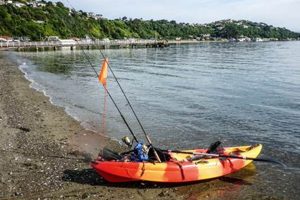
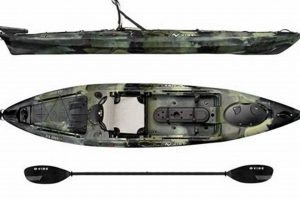
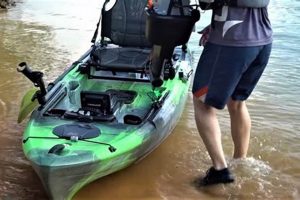
A premium, inflatable watercraft designed for angling, particularly for pike, is characterized by durability, stability, and portability. Such vessels are often constructed with high-quality materials and feature specialized design elements like rod holders, gear storage, and comfortable seating arrangements tailored to the demands of fishing. They offer a convenient and effective means of accessing diverse waterways, including those inaccessible to larger, traditional boats.
The ability to easily transport and deploy these specialized watercraft expands angling opportunities, allowing access to remote or shallow waters favored by pike. Durable construction and stability enhance the fishing experience, providing a secure and comfortable platform for casting, retrieving, and landing fish. This type of vessel has grown in popularity as technology has improved materials and design, offering a practical alternative to traditional boats for specific fishing applications. The evolution of these crafts reflects a broader trend towards specialized outdoor equipment catering to diverse recreational pursuits.
This discussion will further explore the key features, advantages, and considerations involved in selecting and using a specialized fishing kayak, encompassing topics such as material selection, design innovations, and practical usage tips.
Tips for Utilizing Inflatable Fishing Kayaks
Proper preparation and technique enhance safety and optimize the fishing experience when using inflatable kayaks designed for angling. Careful consideration of the following tips will contribute to successful outings.
Tip 1: Prioritize Safety Equipment. Always wear a personal flotation device (PFD) and carry essential safety gear, including a whistle, signaling device, and first-aid kit. Check local regulations for required safety equipment.
Tip 2: Select Appropriate Water Conditions. Consider wind, current, and water temperature when planning excursions. Avoid exceeding the kayak’s specified capacity and adhere to manufacturer recommendations regarding water conditions.
Tip 3: Practice Proper Inflation Techniques. Ensure the vessel is inflated to the recommended pressure. Use a pressure gauge for accurate measurement and inspect valves for leaks before each use.
Tip 4: Distribute Weight Evenly. Balance gear and equipment within the kayak to maintain stability and prevent capsizing. Secure loose items to prevent shifting during movement.
Tip 5: Master Basic Paddling Strokes. Familiarize oneself with efficient paddling techniques to conserve energy and maneuver effectively in various water conditions. Practice turning and stopping maneuvers.
Tip 6: Employ Proper Anchoring Techniques. Use an appropriate anchor system suited for the waterbody and bottom conditions. Ensure the anchor line is securely fastened and the anchor is properly deployed to prevent drifting.
Tip 7: Respect Wildlife and the Environment. Adhere to Leave No Trace principles. Properly dispose of waste, avoid disturbing wildlife, and respect sensitive habitats.
Adherence to these guidelines contributes significantly to a safe and enjoyable fishing experience. Proper preparation and mindful practices maximize the benefits of inflatable fishing kayaks and promote responsible outdoor recreation.
By understanding and implementing these strategies, anglers can confidently explore diverse waterways and pursue their passion for fishing while prioritizing safety and environmental stewardship. This knowledge empowers individuals to make informed decisions and optimize their inflatable kayak fishing experience.
1. Durability
Durability is paramount for inflatable fishing kayaks, especially when targeting a robust species like pike. These kayaks must withstand encounters with sharp underwater structures, abrasive shorelines, and the powerful movements of hooked fish. A durable craft ensures longevity and consistent performance in demanding environments, ultimately contributing to a safe and successful fishing experience.
- Material Construction
Heavy-duty materials, such as reinforced PVC or Hypalon, play a critical role in determining a kayak’s resistance to punctures, abrasion, and UV degradation. Multiple layers of material, reinforced seams, and robust construction techniques enhance durability and protect against damage from hooks, fins, and environmental factors. High-quality materials increase the lifespan of the kayak and minimize the risk of failure in challenging conditions.
- Seam Strength and Construction
Welded seams generally offer superior strength and durability compared to glued seams. Properly executed welds create a continuous, airtight bond that is less susceptible to leakage and separation under stress. Reinforced seam tapes further enhance durability and prevent wear in high-stress areas. The quality of seams directly impacts the kayak’s ability to withstand pressure and maintain its structural integrity over time.
- Resistance to Abrasion and Punctures
The material’s inherent resistance to abrasion and punctures dictates its ability to withstand contact with rough surfaces, sharp objects, and potential impacts. A thicker material with a high denier count typically provides better protection against punctures. Specialized coatings or protective layers can further enhance resistance to abrasion and UV damage, preserving the kayak’s appearance and functionality over extended use.
- Floor Construction and Reinforcement
The floor of the kayak experiences significant wear and tear, requiring robust construction to withstand abrasion from rocks, gravel, and other underwater obstacles. Drop-stitch or inflatable floors with multiple chambers contribute to both rigidity and durability. Reinforced floor panels, particularly in high-wear areas, provide additional protection and extend the kayak’s lifespan. A durable floor maintains structural integrity and ensures a stable platform for fishing activities.
The combination of robust materials, strong seams, abrasion resistance, and reinforced floor construction collectively determines the overall durability of an inflatable fishing kayak. A durable kayak ensures long-term performance and reliability in demanding fishing environments, allowing anglers to focus on the pursuit of pike and enjoy countless hours on the water.
2. Stability

Stability is a critical factor influencing the performance and safety of an inflatable fishing kayak, especially when targeting a species like pike, which requires precise casting and powerful hooksets. A stable platform is essential for maintaining balance while standing, casting, fighting fish, and maneuvering in various water conditions. Compromised stability can lead to capsizing, difficulty in landing fish, and a generally less enjoyable fishing experience. Several design elements contribute to the overall stability of these specialized kayaks.
A wider hull generally provides greater initial stability, reducing the likelihood of tipping. Multiple air chambers enhance stability by distributing weight and maintaining buoyancy even if one chamber is punctured. A lower center of gravity, achieved through design elements such as a drop-stitch floor and strategically positioned seating, contributes to enhanced secondary stability, the ability to recover from a tilt. Features like outriggers or pontoons can further augment stability, especially in rough water conditions. For example, an angler standing to cast in a kayak with a wider hull and a lower center of gravity is less likely to capsize compared to an angler in a narrower, higher-riding kayak. Similarly, multiple air chambers provide a safety margin, allowing the kayak to remain afloat even in the event of a puncture, contributing to angler safety.
The practical significance of stability in a fishing kayak becomes evident during critical moments, such as when landing a large pike. A stable platform enables the angler to maintain balance and control, facilitating efficient hook removal and fish handling. Furthermore, enhanced stability allows for greater freedom of movement within the kayak, enabling anglers to comfortably shift positions for optimal casting angles or to retrieve gear. The understanding and prioritization of stability features in inflatable fishing kayaks significantly contribute to a safer, more enjoyable, and ultimately more successful fishing experience, particularly in demanding angling scenarios. Considering the intended use and water conditions is crucial when evaluating stability requirements. While enhanced stability is generally beneficial, factors like maneuverability and speed should also be considered to ensure optimal kayak performance.
3. Portability
Portability is a defining feature of inflatable fishing kayaks, directly influencing their appeal and practical application, particularly for targeting species like pike in diverse or remote locations. Unlike traditional hard-shell kayaks, inflatable models offer convenient transport and storage solutions, expanding angling opportunities and eliminating the need for specialized vehicle racks or storage space. This aspect is crucial for anglers seeking access to waters otherwise inaccessible with bulkier craft.
- Packed Size and Weight
Inflatable kayaks deflate and fold into compact packages, significantly reducing their size and weight for transport. This compact form allows for easy storage in vehicles, closets, or even backpacks, eliminating the constraints of transporting and storing rigid kayaks. The reduced weight also simplifies carrying the kayak to and from the water, particularly beneficial when accessing remote fishing spots.
- Ease of Inflation and Deflation
Modern inflatable kayaks often feature efficient inflation and deflation systems, minimizing the time and effort required for setup and pack-down. High-volume pumps and valves expedite the inflation process, allowing anglers to quickly deploy their kayaks and commence fishing. Similarly, efficient deflation systems enable swift pack-up, streamlining the process of leaving the water and returning home.
- Transportation Options
The compact and lightweight nature of deflated inflatable kayaks expands transportation options. They can be easily transported in cars, trucks, SUVs, or even on public transport, providing flexibility in reaching fishing destinations. This portability also allows for air travel with the kayak, opening up opportunities for fishing expeditions further afield. The ability to transport an inflatable kayak without specialized equipment significantly broadens angling possibilities.
- Access to Remote Fishing Locations
The portability of inflatable kayaks grants access to remote fishing locations often inaccessible to traditional boats. Anglers can hike, bike, or even portage inflatable kayaks to secluded lakes, rivers, or ponds, expanding their fishing opportunities and allowing them to explore pristine waters. This access to otherwise unreachable areas is a significant advantage for anglers seeking solitude and targeting pike in their natural habitats.
The inherent portability of inflatable fishing kayaks enhances their versatility and appeal, particularly for anglers pursuing pike in diverse environments. The combination of reduced packed size, efficient inflation/deflation systems, expanded transportation options, and access to remote locations distinguishes inflatable kayaks as a practical and efficient solution for anglers seeking to maximize their fishing opportunities. The ease of transport and storage contributes significantly to their appeal, allowing anglers to focus on the pursuit of pike without the logistical constraints of traditional kayaks.
4. Maneuverability
Maneuverability is a critical performance attribute for inflatable fishing kayaks targeting pike, influencing angling effectiveness and overall experience. Precise boat control is essential for navigating complex waterways, approaching target areas stealthily, and positioning effectively for casting and fighting fish. A highly maneuverable kayak allows anglers to exploit diverse habitats and respond efficiently to changing conditions or fish behavior. Understanding the factors that influence maneuverability empowers informed decisions regarding kayak selection and utilization.
- Hull Design and Length
Shorter kayaks generally offer greater maneuverability, enabling tighter turns and quicker directional changes in confined spaces or moving water. A longer kayak tracks more effectively in open water but may be less agile in tight quarters, like navigating shallow, weedy areas favored by pike. Hull shape also influences maneuverability; a flatter hull provides greater initial stability but may sacrifice responsiveness, while a slightly V-shaped hull enhances tracking and maneuverability in currents or open water. Kayak length and hull design must be balanced with other factors, such as stability and storage capacity, to suit individual angling needs and target environments.
- Fin Configuration and Tracking
Fins contribute significantly to tracking and directional stability, particularly in moving water. A larger skeg or tracking fin enhances straight-line tracking but may reduce turning performance. Smaller or removable fins offer a compromise, allowing for adjustable tracking depending on water conditions and angler preference. Some inflatable kayaks feature multiple fin configurations or adjustable fin positions, allowing for customized performance based on specific fishing needs and environments. Understanding the impact of fin configuration is crucial for optimizing kayak control and maneuverability.
- Paddling Efficiency and Responsiveness
A kayak’s responsiveness to paddle input directly impacts maneuverability. Efficient hull design minimizes water resistance, allowing for quicker acceleration and more precise turning. Proper paddling technique and the use of a suitably sized and shaped paddle further enhance responsiveness and control. Factors such as kayak width and seat position influence paddling ergonomics and, consequently, the angler’s ability to efficiently maneuver the vessel. Optimized paddling efficiency translates to precise boat control and enhanced angling effectiveness.
- Influence of Water Conditions
Water conditions, including current, wind, and wave action, significantly influence kayak maneuverability. Strong currents or winds can challenge even the most maneuverable kayaks, requiring experienced paddling skills and strategic positioning. Understanding how water conditions affect kayak performance is essential for planning safe and effective fishing trips. Adjusting paddling techniques and fin configurations based on prevailing conditions optimizes maneuverability and maintains control in dynamic environments.
The interplay of these factors determines an inflatable fishing kayak’s maneuverability, directly impacting its suitability for pursuing pike in specific environments. Prioritizing maneuverability allows anglers to effectively navigate complex waterways, position strategically for optimal casting, and respond efficiently to changing fish behavior or water conditions. A well-balanced combination of hull design, fin configuration, paddling efficiency, and an understanding of environmental influences empowers anglers to maximize their fishing success while maintaining control and safety on the water.
5. Storage Capacity
Adequate storage capacity is a crucial consideration for inflatable fishing kayaks designed for pike angling. Effective organization and accessibility of essential gear, including rods, reels, tackle boxes, and safety equipment, directly influence fishing efficiency and overall success. Insufficient storage can lead to cluttered decks, compromised stability, and difficulty locating essential items, hindering angling performance. Understanding storage solutions and their impact on fishing functionality is essential for selecting and utilizing these specialized kayaks effectively.
- Dedicated Storage Compartments
Purpose-built compartments, such as waterproof hatches, dry bags, and integrated storage pockets, offer secure and organized storage for essential gear. Waterproof compartments protect sensitive items from moisture damage, while designated areas for rods, reels, and tackle boxes maintain order and prevent equipment entanglement. For example, a dedicated rod holder secures rods during transport and allows for quick access when targeting pike. Similarly, waterproof hatches safeguard electronic devices, cameras, and other valuables from splashes and submersion.
- Deck Space and Bungee Systems
Ample deck space, often augmented by bungee cord systems, provides readily accessible storage for frequently used items. Securing gear with bungee cords prevents items from shifting or falling overboard during movement or while fighting fish. Deck space allows for customization with additional accessories, such as fish finders or GPS units. For example, a strategically placed tackle box secured by bungee cords allows for quick lure changes, maximizing fishing efficiency.
- Weight Capacity and Distribution
The kayak’s weight capacity dictates the total amount of gear and angler weight it can safely support. Evenly distributing weight within the kayak maintains stability and prevents performance issues. Exceeding the weight capacity compromises stability, reduces maneuverability, and increases the risk of capsizing. Understanding weight limitations and proper weight distribution is crucial for safe and efficient kayak operation. For instance, distributing heavier items closer to the center of the kayak enhances stability, particularly when standing or casting for pike.
- Integration with Fishing Accessories
Many inflatable fishing kayaks offer integrated features designed to enhance storage capacity and organization. These may include built-in rod holders, tackle storage systems, anchor trolleys, and mounting points for fish finders or cameras. Such integrated features streamline gear management, maximizing fishing efficiency and minimizing clutter. For example, integrated rod holders maintain rods in readily accessible positions, while dedicated mounting points for fish finders provide optimal screen visibility and minimize interference with other equipment.
The effective utilization of storage solutions in inflatable fishing kayaks directly contributes to a more organized, efficient, and enjoyable fishing experience. Adequate storage capacity allows anglers to carry essential gear for pursuing pike without compromising stability or maneuverability. Prioritizing storage features during kayak selection ensures a streamlined and productive fishing experience, allowing anglers to focus on the pursuit of their target species without the distractions of cluttered decks or misplaced equipment.
6. Comfort
Comfort plays a significant role in the overall fishing experience, particularly during extended outings targeting species like pike. An uncomfortable kayak can lead to fatigue, distraction, and a diminished enjoyment of the angling experience. Conversely, a comfortable kayak promotes focus, endurance, and ultimately, fishing success. Several key factors contribute to comfort in inflatable fishing kayaks designed for this demanding pursuit.
- Seat Design and Adjustability
A well-designed seat provides crucial support and cushioning, reducing strain on the back, legs, and buttocks. Adjustable features, such as backrest angle and seat height, allow for personalized comfort and accommodate varying body types and preferences. A high-backed seat with lumbar support, for example, can significantly reduce fatigue during long hours on the water. Adjustable straps and cushioning further enhance comfort and allow for customization based on individual needs and preferences. The ability to fine-tune seat position optimizes paddling ergonomics and reduces the likelihood of discomfort or pain.
- Legroom and Footrests
Adequate legroom and adjustable footrests contribute to comfort and efficient paddling. Sufficient space allows for comfortable leg extension and prevents cramping or stiffness. Adjustable footrests provide customized support and enhance paddling leverage, promoting efficient power transfer and reducing fatigue. For example, adjustable footrests accommodate varying leg lengths and allow for optimal positioning based on paddling style and water conditions. Proper leg support enhances stability and control, particularly during demanding maneuvers or when fighting fish.
- Deck Padding and Layout
Padded decks and strategically positioned seating areas enhance comfort and provide a stable platform for standing, casting, and landing fish. Non-slip surfaces improve footing and reduce the risk of slips or falls. A well-designed deck layout maximizes space efficiency and allows for easy access to essential gear and equipment. For instance, a padded deck provides cushioning and insulation from the cold water, enhancing comfort during prolonged fishing sessions. A clutter-free deck layout allows for easy movement and prevents entanglement with fishing gear, enhancing both comfort and safety.
- Stability and Motion
A stable kayak platform contributes significantly to overall comfort by reducing rocking and minimizing the risk of capsizing. Excessive motion can induce fatigue, discomfort, and even seasickness. Features such as a wider hull, multiple air chambers, and a low center of gravity contribute to enhanced stability and a smoother ride, particularly in challenging water conditions. A stable platform allows anglers to focus on fishing without the distraction of constant adjustments or the fear of tipping, thereby enhancing comfort and enjoyment. For example, a kayak with enhanced stability reduces the impact of waves and chop, providing a more comfortable and secure fishing experience, especially in rougher waters.
The consideration of these comfort features during kayak selection directly impacts the overall fishing experience, particularly during extended trips targeting pike. Prioritizing comfort allows anglers to maintain focus, reduce fatigue, and maximize enjoyment on the water. A comfortable and well-designed kayak enhances performance, promotes endurance, and ultimately contributes to a more successful and rewarding fishing experience.
7. Specialized Features

Specialized features distinguish inflatable fishing kayaks designed for pike angling from general-purpose recreational kayaks. These purpose-built features enhance fishing functionality, efficiency, and overall success. They address the specific demands of pike fishing, such as casting large lures, fighting strong fish, and navigating diverse habitats. The presence and quality of these specialized features significantly influence the kayak’s suitability for targeted pike fishing.
Several key features are commonly found in high-quality pike fishing kayaks. Integrated rod holders secure rods during transport and provide convenient access while fishing. Adjustable track systems allow for customization with accessories like fish finders, GPS units, and camera mounts. Anchor trolleys facilitate controlled drifting and precise boat positioning in current. Gear tracks and D-rings provide attachment points for gear and accessories, optimizing organization and accessibility. Standing platforms enhance stability and visibility, enabling sight fishing and more effective casting. These features exemplify the connection between design and functionality, demonstrating how specialized features contribute to a more effective and enjoyable pike fishing experience. For example, an angler using an integrated rod holder can quickly switch between rods without fumbling or risking entanglement, while an anchor trolley allows for precise boat control in flowing water, maximizing fishing efficiency.
The practical significance of these specialized features becomes apparent during active fishing scenarios. A stable standing platform allows for greater casting distance and accuracy when targeting pike in shallow water. An efficient anchor trolley system enables controlled drifts along weed lines or drop-offs, maximizing lure presentation. Integrated rod holders and gear tracks maintain order and prevent equipment entanglement during crucial moments. The combination of these features contributes to a more streamlined and productive fishing experience, allowing anglers to focus on the pursuit of pike without the distractions of managing equipment or maintaining boat position. Understanding the purpose and application of these specialized features is crucial for selecting and effectively utilizing an inflatable fishing kayak tailored for pike angling. The presence of these features signifies a kayak designed with the specific demands of pike fishing in mind, resulting in a more productive and enjoyable angling experience.
Frequently Asked Questions
This section addresses common inquiries regarding inflatable fishing kayaks designed for pike angling, providing concise and informative responses.
Question 1: How durable are inflatable kayaks when encountering sharp objects or abrasive surfaces in pike habitats?
Modern inflatable fishing kayaks constructed from durable materials like reinforced PVC or Hypalon exhibit significant resistance to punctures and abrasion. Reinforced seams and protective layers further enhance durability, mitigating the risk of damage from hooks, sharp rocks, or submerged debris commonly found in pike environments.
Question 2: Can inflatable kayaks provide sufficient stability for standing and casting when targeting pike?
Kayaks designed for fishing, particularly for species like pike, often incorporate features that enhance stability, such as wider hulls, multiple air chambers, and drop-stitch floors. These design elements contribute to a stable platform suitable for standing and casting, although individual skill and careful weight distribution remain essential.
Question 3: How easily can an inflatable kayak be transported and stored compared to a traditional hard-shell kayak?
Inflatable kayaks offer significant advantages in portability and storage. They deflate and pack into compact sizes, facilitating transport in standard vehicles without requiring specialized racks. Storage is equally convenient, requiring minimal space compared to rigid kayaks.
Question 4: Are inflatable fishing kayaks suitable for use in various water conditions, including rivers and lakes frequented by pike?
Inflatable kayaks are designed for use in diverse water conditions, including lakes, rivers, and slow-moving streams. However, specific model limitations regarding wind, current, and wave conditions should be considered before deployment. Adhering to manufacturer recommendations ensures safe and optimal performance.
Question 5: What specialized features should anglers consider when choosing an inflatable kayak for pike fishing?
Key features for pike fishing include integrated rod holders, ample storage space for tackle and gear, anchor trolley systems for controlled drifting, and potentially a stable standing platform for sight fishing and casting. These features enhance fishing efficiency and overall angling success.
Question 6: How does the maintenance of an inflatable fishing kayak compare to that of a traditional hard-shell kayak?
Inflatable kayaks require specific maintenance procedures, including proper cleaning, drying, and storage to prevent mildew and material degradation. While some maintenance differs from hard-shell kayaks, inflatable models generally require less upkeep and repair compared to their rigid counterparts.
Careful consideration of these frequently asked questions assists in informed decision-making regarding inflatable fishing kayak selection and utilization for successful pike angling. Understanding kayak capabilities, limitations, and maintenance requirements contributes to a safe, efficient, and enjoyable fishing experience.
The subsequent section will provide a comprehensive guide to selecting the optimal inflatable fishing kayak tailored to individual needs and target fishing environments.
Conclusion
Specialized inflatable fishing kayaks designed for pike angling represent a significant advancement in angling technology. Analysis of key features, including durability, stability, portability, maneuverability, storage capacity, comfort, and specialized design elements, reveals their suitability for demanding fishing environments and targeted pursuit of pike. These features collectively contribute to enhanced angling efficiency, increased access to remote waters, and a more comfortable and enjoyable fishing experience. The discussion underscores the importance of careful consideration of these attributes when selecting a kayak to match individual angler needs and target fishing conditions.
The evolution of inflatable kayak technology continues to refine design and enhance performance, promising further advancements in angling capability and accessibility. Careful evaluation of these advancements, combined with a thorough understanding of pike behavior and habitat preferences, empowers anglers to make informed decisions and optimize their pursuit of this challenging and rewarding species. The future of pike fishing, facilitated by innovative kayak design and a growing appreciation for sustainable angling practices, promises exciting opportunities for anglers seeking to connect with nature and experience the thrill of the pursuit.
![Best Kayak Fishing Videos on YouTube [2024] | Certified Kayak Fishing Instructor – Learn Kayak Angling with Expert Guidance](https://kayakfishinginstructor.com/wp-content/uploads/2026/04/th-55-300x200.jpg "Best Kayak Fishing Videos on YouTube [2024] Certified Kayak Fishing Instructor – Learn Kayak Angling with Expert Guidance")