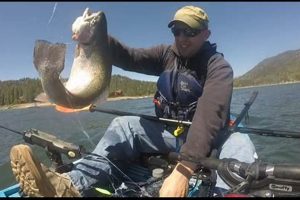
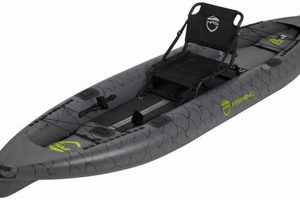
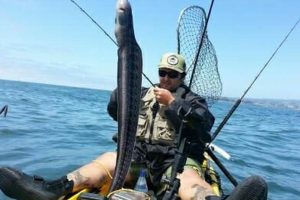
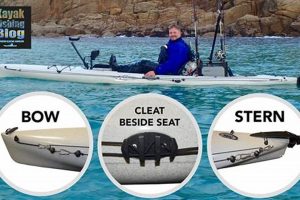
High-quality kayaks designed specifically for angling in open ocean environments represent a specialized subset of watercraft. These vessels typically feature enhanced stability, ample storage for gear and catches, and specialized features like rod holders, fish finders, and anchor trolleys. A well-equipped ocean fishing kayak might include a rudder system for improved maneuverability in currents and wind.
The development of specialized ocean fishing kayaks has significantly expanded the possibilities for anglers. Reaching offshore fishing grounds previously accessible only by larger, more expensive boats is now within reach of many. These kayaks offer a unique blend of stability and maneuverability, allowing anglers to explore diverse marine environments while enjoying a close connection with the water. This specialized design promotes not only a more productive fishing experience but also enhances safety and comfort in challenging conditions.
This article will explore various aspects of selecting and utilizing ocean fishing kayaks, including design considerations, essential features, safety precautions, and popular models currently available.
Essential Considerations for Ocean Kayak Anglers
Safe and successful ocean kayak fishing requires careful planning and preparation. The following tips offer guidance for anglers venturing into open water.
Tip 1: Prioritize Stability and Capacity: Vessels designed for open water should offer inherent stability and sufficient capacity to accommodate anglers, gear, and potential catches. Consider kayak width, hull design, and weight capacity.
Tip 2: Check Weather and Water Conditions: Thoroughly research forecasts before embarking on any ocean fishing trip. Wind speed, wave height, currents, and tides significantly impact safety and fishing success.
Tip 3: Equip with Essential Safety Gear: A personal flotation device (PFD), a VHF radio, a signaling device (whistle or flare), and a first-aid kit are crucial safety items. A leash connecting the angler to the paddle is also recommended.
Tip 4: Plan a Float Plan and Share It: Inform someone on shore of your intended route, estimated return time, and emergency contacts. This allows for prompt assistance if needed.
Tip 5: Understand Navigation and Chart Reading: Familiarity with nautical charts, compass use, and GPS navigation is essential, especially in unfamiliar waters.
Tip 6: Practice Self-Rescue Techniques: Knowing how to re-enter a kayak after a capsize is a critical safety skill. Practice these techniques in calm water before venturing offshore.
Tip 7: Respect Wildlife and the Environment: Adhere to local fishing regulations and practice catch-and-release whenever possible. Minimize environmental impact by properly disposing of waste and avoiding sensitive habitats.
By adhering to these guidelines, anglers can significantly enhance their safety, improve their fishing experience, and contribute to the responsible enjoyment of ocean environments.
The insights provided here equip anglers to make informed decisions about vessel selection, trip planning, and safety practices, leading to a more rewarding and secure experience on the water.
1. Stability

Stability represents a critical factor in ocean kayak fishing, directly influencing angler safety and fishing effectiveness. A stable platform allows anglers to confidently cast, reel, and land fish, even in challenging conditions like chop, swell, or currents. Compromised stability increases the risk of capsizing, particularly during critical moments like fighting a large fish or navigating rough water. Wider kayaks with flatter hulls generally provide greater initial stability, resisting tipping. However, secondary stability the ability to remain upright when leaned is equally crucial in ocean environments. Kayaks designed for offshore fishing often incorporate features like outriggers or pontoons to further enhance stability.
Consider an angler battling a strong current while simultaneously attempting to hook a powerful fish. A stable kayak allows the angler to focus on the fight, maintaining balance and control despite the combined forces acting upon the vessel. Conversely, an unstable kayak might lead to a capsize, jeopardizing both the angler and the catch. Real-world scenarios highlight the paramount importance of stability in offshore fishing kayaks. Choosing a kayak with appropriate stability features ensures a safer and more successful fishing experience, allowing anglers to confidently tackle demanding conditions and pursue larger game fish.
Understanding the nuances of kayak stability is crucial for informed decision-making when selecting an ocean fishing platform. Prioritizing stability, particularly secondary stability, contributes significantly to angler safety and fishing success. This allows anglers to focus on the sport, minimizing the risk of capsizing and maximizing their ability to handle challenging situations. Ultimately, a stable kayak is essential for a safe, comfortable, and productive ocean fishing experience.
2. Maneuverability

Maneuverability is a critical attribute of top ocean fishing kayaks, impacting an angler’s ability to navigate varied water conditions efficiently and position the vessel effectively for fishing. A highly maneuverable kayak allows for precise adjustments in position, crucial for targeting specific fish or navigating complex structures like reefs or kelp forests. Reduced maneuverability can hinder fishing success and present safety challenges, especially in currents, wind, or challenging sea states.
- Tracking and Course Correction
Tracking refers to a kayak’s ability to maintain a straight course with minimal paddling input. Efficient tracking conserves energy and allows anglers to cover greater distances. Course correction, the ability to quickly and easily change direction, is essential for navigating around obstacles, following fish, or adjusting to changing currents. Kayaks with superior tracking and responsive course correction capabilities enhance fishing efficiency and safety in dynamic ocean environments. For example, maintaining a precise troll line requires consistent tracking, while a sudden shift in current necessitates swift course correction.
- Turning Radius and Responsiveness
Turning radius describes the space a kayak requires to complete a full turn. A smaller turning radius translates to greater agility, enabling quick maneuvers in tight spaces. Responsiveness refers to how quickly and predictably a kayak reacts to paddle input. These factors are crucial for navigating complex shorelines, avoiding obstacles, and maneuvering in close proximity to other vessels. A responsive kayak with a tight turning radius is advantageous when pursuing agile fish or fishing in confined areas like estuaries or mangrove forests. Consider a scenario where an angler needs to quickly turn to avoid a collision with a submerged rock or debris a responsive kayak with a tight turning radius can prevent accidents.
- Influence of Hull Design and Rudders
Hull design significantly influences maneuverability. Longer, narrower hulls generally track better in calm conditions but may be less maneuverable in tight spaces. Shorter, wider hulls tend to be more maneuverable but may sacrifice tracking performance. Rudders, especially in ocean kayaks, enhance directional control and improve tracking in wind or current. Understanding the interplay between hull design and rudder systems empowers anglers to choose a kayak that balances tracking and maneuverability according to their specific needs. A longer kayak designed for open ocean paddling might prioritize tracking for efficient cruising, while a shorter kayak intended for inshore fishing may favor maneuverability for navigating complex shorelines.
- Impact of Wind and Current
Wind and current significantly affect kayak maneuverability. Strong winds or currents can push a kayak off course, requiring constant correction and increasing paddling effort. Kayaks designed for ocean conditions often incorporate features like skegs or rudders to mitigate these effects. Understanding how wind and current interact with different hull designs is critical for choosing a kayak suited to the prevailing conditions in a specific fishing area. For instance, a kayak with a pronounced keel or rudder system is more likely to maintain its course in strong winds compared to a flat-bottomed kayak.
Maneuverability in an ocean fishing kayak is not merely a performance characteristic but a vital component of fishing success and safety. The ability to precisely control and position the vessel in dynamic ocean conditions directly affects an angler’s effectiveness and safety on the water. Selecting a kayak with appropriate maneuverability characteristics for the intended fishing environment and style enhances both fishing performance and overall experience.
3. Storage Capacity

Ample and well-designed storage is a defining characteristic of top ocean fishing kayaks, directly impacting both fishing success and overall experience. Sufficient storage capacity allows anglers to carry essential gear, including tackle boxes, rods, safety equipment, and personal items, as well as accommodate the day’s catch. Inadequate storage can limit fishing range, compromise safety, and detract from the overall enjoyment of the experience. The design and accessibility of storage compartments are equally critical, influencing ease of use and efficient organization on the water.
- Types of Storage Compartments
Ocean fishing kayaks typically feature various storage solutions, including front and rear hatches, tank wells, side pockets, and specialized compartments for rods and tackle. Hatches provide secure storage for larger items and gear protected from the elements, while tank wells offer readily accessible storage for frequently used items like tackle boxes or bait containers. Side pockets keep smaller items within easy reach, and dedicated rod holders secure fishing rods during transit and while fishing. Understanding the different storage options available allows anglers to select a kayak equipped to meet their specific needs and fishing style. For example, a kayak angler targeting large pelagic species might prioritize large hatch storage for bulky gear and potential catches, while an angler focused on inshore fishing might prefer readily accessible tank wells and side pockets.
- Capacity and Weight Considerations
The overall storage capacity of a kayak is measured in cubic feet or liters, indicating the total volume available for gear and catch. Weight capacity represents the maximum combined weight of the angler, gear, and catch that the kayak can safely support. Matching kayak capacity to anticipated needs ensures efficient storage and safe operation. Exceeding weight capacity compromises stability and performance, potentially leading to dangerous situations. Anglers planning extended trips or targeting larger species require kayaks with higher weight and storage capacities. Conversely, anglers focused on shorter trips or smaller fish can opt for kayaks with more modest storage and weight limits.
- Accessibility and Organization
Easy access to stored gear is crucial for maintaining efficient workflow and minimizing disruptions during fishing. Well-designed storage compartments with strategically placed hatches and access points allow anglers to quickly retrieve needed items without compromising balance or interrupting the fishing process. Features like integrated organizers, dividers, and bungee cords further enhance storage efficiency, keeping gear secure and readily accessible. A cluttered or disorganized storage area can hinder fishing efficiency and create safety hazards, especially in challenging conditions. For example, readily accessible pliers or a knife are essential for quickly handling fish and cutting lines, while easily accessible safety gear like a VHF radio or signaling device is crucial in emergencies.
- Water Resistance and Dry Storage
Protecting gear from water damage is paramount in ocean environments. Ocean fishing kayaks often incorporate watertight hatches and sealed compartments to keep gear dry even in rough conditions or during a capsize. Dry bags and waterproof containers provide additional protection for sensitive electronics, communication devices, and other essential items. Failure to adequately protect gear from water damage can lead to equipment malfunction, loss of valuable items, and potentially compromise safety. For example, a malfunctioning VHF radio due to water damage could hinder communication in an emergency.
Storage capacity in top ocean fishing kayaks is not merely about volume but encompasses a range of factors, including compartment types, accessibility, organization, and water resistance. Careful consideration of these elements ensures that anglers can carry the necessary gear for a successful and enjoyable fishing trip, maintain efficient organization on the water, and protect essential items from the harsh marine environment. Ultimately, well-designed and ample storage contributes significantly to the overall safety, performance, and enjoyment of ocean kayak fishing.
4. Comfort and Ergonomics

Comfort and ergonomics are essential considerations in top ocean fishing kayaks, directly influencing angler endurance, focus, and overall fishing experience. Extended periods on the water, often in demanding conditions, necessitate a comfortable and supportive seating system, strategically placed footrests, and an ergonomic deck layout. Discomfort can lead to fatigue, reduced fishing effectiveness, and potentially compromise safety. Prioritizing ergonomic design ensures a more enjoyable and productive fishing experience, allowing anglers to maintain focus and stamina throughout the day.
- Seating System
The seating system plays a pivotal role in angler comfort. Adjustable seating allows individuals to customize back support, seat height, and leg positioning for optimal comfort and posture. High-quality padding and breathable materials enhance comfort, especially during long hours on the water. An uncomfortable seat can lead to back pain, fatigue, and decreased fishing effectiveness. Consider an angler spending hours paddling and fishing in rough conditions; a supportive and adjustable seat minimizes fatigue and allows for sustained focus on the task at hand. A well-designed seating system contributes significantly to overall comfort and endurance during extended fishing trips.
- Footrests and Leg Positioning
Proper leg support and positioning are crucial for maintaining balance, paddling efficiency, and overall comfort. Adjustable footrests accommodate varying leg lengths and allow anglers to maintain a stable and comfortable paddling position. Secure foot bracing enhances control and power transfer during paddling, while also minimizing fatigue. Inadequate foot support can lead to leg cramps, discomfort, and reduced paddling efficiency. Imagine an angler paddling against a strong current; secure and adjustable footrests provide the necessary leverage and support for effective paddling and maintain stability in challenging conditions.
- Deck Layout and Accessibility
An ergonomic deck layout maximizes efficiency and minimizes strain during fishing. Strategically placed rod holders, tackle storage compartments, and other essential gear within easy reach minimize unnecessary movement and allow anglers to maintain focus on fishing. Easy access to essential equipment reduces fatigue and enhances safety. Consider the scenario of an angler needing to quickly access pliers to unhook a fish; a well-designed deck layout places essential tools within easy reach, minimizing disruption and maximizing efficiency.
- Paddle Ergonomics and Efficiency
Paddle ergonomics significantly influence paddling efficiency and comfort. A properly sized and shaped paddle minimizes strain on wrists, shoulders, and back muscles. Lightweight construction reduces fatigue during extended paddling sessions. Features like adjustable feathering angles and ergonomic grips further enhance paddling comfort and efficiency. An improperly sized or designed paddle can lead to discomfort, fatigue, and reduced paddling performance. Imagine an angler paddling long distances to reach offshore fishing grounds; an ergonomic and lightweight paddle minimizes fatigue and maximizes paddling efficiency, conserving energy for the fishing ahead.
Comfort and ergonomics in top ocean fishing kayaks are not merely about convenience but are essential factors influencing performance, endurance, and safety. A comfortable and well-designed kayak allows anglers to focus on fishing, maximizing their time on the water and enhancing the overall experience. Investing in a kayak that prioritizes ergonomic design contributes significantly to a more enjoyable, productive, and safe ocean fishing experience.
5. Durability and Construction
Durability and construction represent critical factors in evaluating top ocean fishing kayaks, directly influencing vessel longevity, performance, and safety in demanding marine environments. Ocean kayaks face constant exposure to saltwater, UV radiation, and potentially harsh impacts from rocks, waves, or other obstacles. Robust construction ensures the kayak withstands these rigors, maintaining structural integrity and performance over time. A durable kayak provides a safe and reliable platform for anglers, allowing them to confidently explore challenging environments and focus on the fishing experience.
- Hull Material and Construction
Hull material significantly impacts a kayak’s durability, weight, and performance. Common materials include high-density polyethylene (HDPE), fiberglass, and carbon fiber. HDPE offers excellent impact resistance and durability, while fiberglass provides a balance of strength, stiffness, and lighter weight. Carbon fiber offers the highest strength-to-weight ratio but comes at a premium cost. The construction method, whether rotomolded, thermoformed, or hand-laid, also influences hull strength and stiffness. Rotomolded hulls are generally more durable but heavier, while thermoformed hulls offer a lighter weight option with potentially reduced impact resistance. Hand-laid fiberglass or carbon fiber hulls provide the greatest potential for customization and performance optimization. Choosing a hull material and construction method suited to the intended use and fishing environment ensures optimal performance and longevity. For instance, a kayak intended for rocky shorelines or frequent transport might benefit from the robust nature of a rotomolded HDPE hull, while a kayak prioritized for speed and efficiency in open water might benefit from a lighter weight fiberglass or carbon fiber construction.
- UV Resistance and Degradation
Prolonged exposure to sunlight can degrade kayak materials, particularly plastics and composites. UV-resistant coatings and additives protect the hull from sun damage, preserving color and structural integrity. Inspecting kayaks for signs of UV degradation, such as fading, chalking, or cracking, is crucial for assessing their condition and anticipating potential maintenance needs. Regular application of UV protectants can extend the lifespan of a kayak, especially in regions with intense sunlight. Consider a kayak stored outdoors year-round in a tropical climate; UV protection becomes essential to prevent premature degradation and maintain the structural integrity of the hull.
- Hardware and Fittings
The quality and durability of hardware, including hatches, latches, handles, and deck fittings, significantly impact a kayak’s functionality and longevity. Marine-grade stainless steel or corrosion-resistant materials ensure long-term performance in saltwater environments. Regular inspection and maintenance of hardware, including lubrication and tightening, prevent corrosion and ensure proper function. For example, corroded hatch latches can compromise watertight seals, leading to gear damage or even kayak flooding. High-quality, corrosion-resistant hardware ensures reliable performance and extends the lifespan of the kayak.
- Impact Resistance and Repair
Ocean kayaks are subject to potential impacts from rocks, waves, or other objects. Hull materials with high impact resistance minimize damage from such encounters. Understanding the repairability of different hull materials is also important. HDPE kayaks are generally easier to repair than fiberglass or carbon fiber kayaks, which may require specialized repair techniques. Consider a kayak striking a submerged rock; a durable hull material minimizes damage, while the availability of repair options allows for addressing any potential issues. The ability to effectively repair a kayak after an impact ensures continued safe and reliable operation.
Durability and construction are integral to the performance and longevity of top ocean fishing kayaks. Selecting a kayak built with high-quality materials and robust construction techniques ensures it withstands the rigors of the marine environment, providing a safe and reliable platform for anglers to pursue their passion. Prioritizing durability is an investment in long-term enjoyment and safety on the water.
6. Features and Accessories

Specialized features and accessories distinguish top ocean fishing kayaks from recreational models, enhancing angler performance, safety, and overall experience. These features cater specifically to the demands of offshore fishing, providing functionalities crucial for success and comfort in challenging marine environments. Understanding the role and benefits of these features empowers anglers to select a kayak optimally equipped for their specific needs and fishing style.
- Rod Holders
Rod holders secure fishing rods, freeing anglers’ hands for paddling, navigating, or handling fish. Multiple rod holders allow anglers to troll multiple lines or quickly switch between different rod and reel setups. Flush-mounted rod holders minimize interference with paddling and casting, while adjustable rod holders offer flexibility in positioning rods at optimal angles. Consider an angler trolling multiple lines for offshore species; secure rod holders prevent rod loss and allow the angler to maintain control of the kayak while monitoring lines. The availability and placement of rod holders significantly influence fishing efficiency and success.
- Fish Finders and Electronics
Integrated fish finders and GPS units provide crucial information about water depth, bottom structure, fish location, and navigation. These electronic aids enhance fishing success by allowing anglers to target specific areas and depths holding fish. Transducers mounted on the kayak’s hull transmit sonar signals, providing real-time data displayed on a screen. GPS units facilitate navigation, especially in unfamiliar waters or low visibility conditions. Imagine an angler searching for reefs or drop-offs holding target species; a fish finder reveals underwater structures and fish concentrations, guiding the angler to productive fishing spots. Integrated electronics significantly enhance fishing efficiency and situational awareness in the open ocean.
- Anchor Trolleys and Drift Control
Anchor trolleys allow anglers to control kayak position and drift speed in current or wind. These systems facilitate precise positioning for targeting specific structures or maintaining a desired drift rate. By adjusting the anchor line’s length and angle, anglers can fine-tune their position relative to the current or wind. Consider an angler fishing a reef or drop-off in a strong current; an anchor trolley allows the angler to maintain position over the structure, maximizing fishing time and effectiveness. Effective drift control enhances fishing precision and minimizes the impact of environmental factors.
- Livewells and Bait Management
Livewells maintain the health and viability of live bait, a crucial aspect of many ocean fishing techniques. Integrated livewells circulate water, providing oxygen and maintaining optimal conditions for keeping bait alive and active. Bait tanks and storage compartments provide designated spaces for storing different types of bait and keeping them readily accessible. Imagine an angler using live bait to target pelagic species; a well-maintained livewell ensures the bait remains lively and attractive to target fish, increasing the chances of a successful hookup. Effective bait management is essential for maximizing fishing success when using live bait techniques.
The features and accessories available on top ocean fishing kayaks significantly enhance angling capabilities and overall experience. From securing rods and managing bait to providing crucial navigational and fish-finding information, these specialized features contribute directly to fishing success, safety, and comfort in challenging offshore environments. Careful consideration of these features empowers anglers to select a kayak optimally equipped to meet their specific needs and maximize their time on the water.
7. Propulsion Options
Propulsion systems significantly influence the performance and versatility of top ocean fishing kayaks, impacting speed, range, and hands-free fishing capabilities. Choosing an appropriate propulsion system depends on individual fishing styles, target species, and the prevailing conditions of the fishing environment. Understanding the advantages and disadvantages of various propulsion methods empowers anglers to select a kayak optimized for their specific needs and maximize their time on the water.
- Paddle Propulsion
Traditional paddle propulsion offers simplicity, affordability, and a direct connection with the water. Paddle-powered kayaks require physical exertion but provide excellent maneuverability and control in diverse conditions. This method is well-suited for anglers targeting inshore species or fishing in calm waters where precise boat control is paramount. Consider an angler navigating a shallow estuary or mangrove forest; paddle propulsion allows for precise maneuvering through complex environments. While effective for shorter distances and calm conditions, paddle propulsion can limit range and fatigue anglers during extended trips or in challenging currents.
- Pedal-Driven Propulsion
Pedal-driven systems offer hands-free operation, allowing anglers to focus on fishing while maintaining boat control and speed. These systems typically employ either propeller or fin-based propulsion, offering varying degrees of speed and efficiency. Pedal drives excel in open water or when covering longer distances, allowing anglers to reach distant fishing grounds with reduced fatigue. Imagine an angler trolling for offshore pelagic species; a pedal drive maintains a consistent speed and frees the angler’s hands for rod and reel operation. While pedal drives enhance fishing efficiency and reduce physical exertion, they typically add complexity and cost to the kayak.
- Motorized Propulsion
Electric motors offer increased speed and range, significantly expanding fishing access to distant locations. Motorized kayaks enable anglers to cover vast distances quickly, minimizing travel time and maximizing fishing time. This propulsion method proves particularly advantageous when fishing large bodies of water or targeting highly mobile species. Consider an angler traversing a large lake or bay to reach offshore fishing grounds; a motorized kayak significantly reduces travel time compared to paddling or pedaling. However, motors add weight, require battery management, and may be subject to regulations depending on the fishing location.
- Hybrid Propulsion
Hybrid systems combine paddle propulsion with either pedal drive or motor options, offering versatility for diverse fishing scenarios. Anglers can switch between paddle power for precise maneuvering in tight spaces and pedal or motor propulsion for covering longer distances or navigating strong currents. This adaptability provides a comprehensive solution for anglers fishing a variety of environments or targeting diverse species. Imagine an angler fishing a coastal area with both shallow estuaries and open ocean access; a hybrid propulsion system allows the angler to navigate shallows with paddle power and quickly traverse open water using the motor or pedal drive. Hybrid systems offer the greatest versatility but often involve higher costs and increased complexity compared to single propulsion methods.
Propulsion options significantly influence the capabilities and versatility of top ocean fishing kayaks. Selecting the right propulsion system depends on individual fishing styles, target species, and the environment. Careful consideration of propulsion options ensures anglers choose a kayak optimized for their specific needs, maximizing fishing efficiency, range, and overall enjoyment on the water.
Frequently Asked Questions
This section addresses common inquiries regarding high-performance kayaks designed for ocean angling.
Question 1: What differentiates ocean fishing kayaks from recreational models?
Ocean fishing kayaks prioritize stability, storage, and specialized features like rod holders, fish finders, and anchor trolleys, catering to the demands of open water angling. Recreational kayaks prioritize ease of use and versatility for calmer waters.
Question 2: How is kayak stability determined for ocean conditions?
Stability is determined by hull design (width, length, and shape), weight capacity, and features like outriggers. Wider kayaks with flatter hulls generally offer greater initial stability, while features like outriggers enhance overall stability.
Question 3: What safety precautions are essential for ocean kayak fishing?
Essential safety precautions include wearing a personal flotation device (PFD), carrying a VHF radio, filing a float plan, checking weather conditions, and possessing self-rescue skills.
Question 4: What propulsion methods are available for ocean fishing kayaks?
Propulsion methods include traditional paddling, pedal drives (propeller or fin-based), and electric motors. Hybrid systems combining paddle and pedal/motor options offer versatility.
Question 5: How does one choose the right size and type of ocean fishing kayak?
Kayak selection depends on factors like angler size and weight, fishing style, target species, and typical water conditions. Longer kayaks offer speed and tracking, while wider kayaks prioritize stability.
Question 6: What maintenance is required for an ocean fishing kayak?
Regular maintenance includes rinsing with fresh water after each use, inspecting and lubricating hardware, checking for hull damage, and protecting the hull from UV degradation with appropriate products.
Understanding these aspects ensures informed decisions and contributes to a safer and more rewarding ocean kayaking experience.
The next section will explore popular models and brands of ocean fishing kayaks available on the market.
Top Ocean Fishing Kayaks
Selecting high-performing ocean fishing kayaks requires careful evaluation of various factors, including stability, maneuverability, storage capacity, comfort, durability, features, and propulsion systems. Each element contributes significantly to the overall performance, safety, and enjoyment of the ocean angling experience. Understanding the interplay of these factors empowers anglers to choose vessels best suited to their individual needs, target species, and prevailing conditions. Prioritizing quality construction, appropriate features, and a stable, comfortable platform ensures anglers can confidently tackle challenging offshore environments and focus on the pursuit of their target catch.
The evolution of specialized ocean fishing kayaks has significantly expanded angling opportunities, providing access to previously inaccessible fishing grounds. As technology and design continue to advance, ocean fishing kayaks will likely play an increasingly prominent role in the sport. Careful consideration of the factors outlined in this article will guide anglers toward informed decisions, leading to enhanced safety, improved fishing success, and a deeper appreciation for the dynamic world of ocean angling. The choice of a suitable vessel remains paramount for maximizing the rewards and minimizing the risks inherent in this demanding yet exhilarating pursuit.