A competitive circuit typically held on the Great Lakes, encompassing multiple tournaments where anglers utilize kayaks to fish for specific species. These events often involve weigh-ins, prize awards, and specific regulations designed to promote fair competition and conservation. Imagine a multi-stage event spanning several months, each stage hosted at a different Great Lake location, culminating in a championship event.
Such circuits offer significant benefits to both anglers and the local economies. For participants, these competitions provide a platform to test skills, learn new techniques, and build camaraderie within the angling community. They often highlight specific conservation practices, promoting responsible fishing. Host communities benefit from increased tourism revenue generated by the influx of competitors and spectators. Furthermore, these events can raise awareness about the ecological importance of the Great Lakes and the need for their preservation. The historical context may involve evolution from smaller, local tournaments to the more organized, multi-lake series witnessed today.
Exploring specific aspects, such as target species, tournament formats, equipment regulations, and the economic impact on host communities, provides a deeper understanding of these competitive angling circuits. Additionally, examining profiles of successful anglers and the evolution of kayak fishing techniques employed within these series enhances appreciation for the skill and dedication involved.
Tips for Competitive Kayak Angling on the Great Lakes
Success in tournament kayak fishing requires careful planning and execution. The following tips offer guidance for competitive anglers.
Tip 1: Pre-Fishing Scouting: Thoroughly research potential fishing locations before the competition. Utilize mapping tools, local fishing reports, and historical data to identify promising areas. Note key features like underwater structures, depth variations, and vegetation.
Tip 2: Species-Specific Strategies: Tailor tackle and techniques to the target species. Understand their feeding habits, preferred habitats, and seasonal patterns. Research effective lure presentations and rigging methods.
Tip 3: Efficient Kayak Setup: Organize tackle and equipment for quick access. Prioritize essential gear and minimize clutter. Optimize kayak layout for stability and maneuverability.
Tip 4: Weather Awareness: Closely monitor weather forecasts and adjust plans accordingly. Understand how wind, waves, and temperature fluctuations impact fish behavior and kayak control.
Tip 5: Safety First: Wear a personal flotation device and carry essential safety equipment, including a whistle, signaling device, and first-aid kit. Inform someone of your fishing plan and expected return time.
Tip 6: Conservation Practices: Adhere to all tournament regulations and practice catch-and-release techniques responsibly. Minimize handling time and utilize appropriate tools for hook removal.
Tip 7: Adaptability: Conditions can change rapidly on the water. Remain adaptable and adjust strategies as needed. Be prepared to switch locations or techniques based on observed fish behavior.
Mastering these elements significantly increases the likelihood of competitive success while promoting safe and responsible angling practices.
By understanding the strategies outlined above, anglers can improve their performance and contribute to the overall success and sustainability of competitive kayak fishing on the Great Lakes. These events represent a challenging yet rewarding pursuit for dedicated anglers.
1. Competition

The competitive element is integral to the Great Lakes kayak fishing series, driving angler participation and shaping the overall structure of these events. It provides a framework for measuring skill, promoting sportsmanship, and fostering a sense of community among participants.
- Ranking and Scoring Systems
Tournament organizers employ various scoring systems, often based on the weight or length of fish caught within specific species categories. Anglers accumulate points throughout the series, contributing to overall rankings and determining final standings. For example, a “catch, photo, and release” format with length-based scoring might be employed for species like smallmouth bass. This data-driven approach ensures objective evaluation and adds a quantifiable dimension to the competition.
- Tournament Formats and Rules
Specific rules govern each tournament within the series, ensuring fair play and promoting conservation. These regulations may dictate permitted fishing areas, tackle restrictions, and catch limits. For instance, certain areas might be designated as “no-fishing zones” to protect sensitive habitats. These structured guidelines maintain the integrity of the competition while adhering to responsible fishing practices.
- Prizes and Recognition
Awards and recognition motivate anglers and contribute to the prestige of the series. Prizes may include cash rewards, sponsored gear, or invitations to higher-level competitions. Public acknowledgment of achievements further enhances the competitive landscape, inspiring both current and aspiring anglers. This recognition system adds an extrinsic layer of motivation and fosters a sense of accomplishment.
- Strategic Approach and Skill Development
The competitive environment encourages anglers to refine their techniques, knowledge of fish behavior, and strategic planning. Pre-fishing scouting, lure selection, and efficient kayak management become crucial elements for success. For instance, an angler might meticulously study lake maps and weather patterns to anticipate fish movement and optimize fishing locations. This emphasis on continuous improvement elevates the overall skill level within the kayak fishing community.
These competitive facets collectively enhance the Great Lakes kayak fishing series, fostering both individual growth and the overall development of the sport. The pursuit of excellence, guided by established rules and incentivized by recognition, creates a dynamic and engaging environment for all involved. The series ultimately showcases the dedication and expertise of kayak anglers within a structured competitive framework.
2. Kayak Fishing
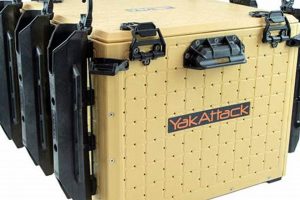
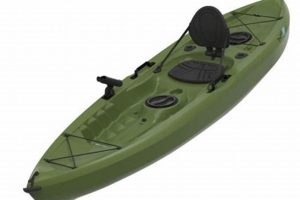
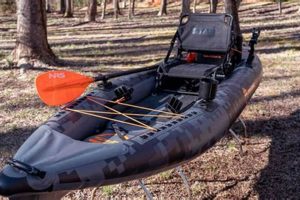
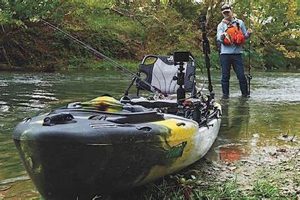
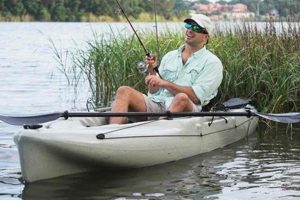
Kayak fishing forms the foundational element of the Great Lakes kayak fishing series. The sport’s inherent characteristics significantly influence the structure, challenges, and appeal of these competitive circuits. Kayak fishing necessitates specialized equipment and techniques distinct from traditional boat-based angling. This specialization directly impacts tournament regulations, scoring systems, and participant strategies. For example, kayak anglers often utilize lightweight, easily maneuverable tackle suited to smaller vessels. The physical limitations of kayaks also influence fishing locations; anglers frequently target shallower waters or areas inaccessible to larger boats, adding a unique dimension to the competition.
The growing popularity of kayak fishing fuels the expansion of competitive series on the Great Lakes. Increased participation drives demand for organized tournaments and attracts sponsorships, contributing to the economic viability and overall growth of these events. The accessibility and affordability of kayak fishing, compared to boat ownership, broadens participation, attracting a diverse range of anglers. This inclusivity fosters a vibrant and competitive angling community. Furthermore, advancements in kayak design and fishing technology specifically tailored to this sport further enhance its appeal and contribute to the evolution of competitive series. Specialized features like integrated fish finders, rod holders, and anchor systems optimize the kayak fishing experience and influence competitive strategies.
Understanding the integral role of kayak fishing within the Great Lakes series provides valuable context for both participants and observers. Recognizing the specific equipment, techniques, and challenges associated with this angling method enhances appreciation for the skill and dedication displayed by competitive anglers. The continued growth and evolution of kayak fishing promise further development and innovation within these competitive circuits, ensuring their long-term viability and appeal within the broader angling community. Challenges such as ensuring angler safety and promoting sustainable fishing practices remain important considerations for the continued success of these series.
3. Great Lakes

The Great Lakes form an intrinsic connection with the competitive kayak fishing series bearing their name. These vast freshwater bodies provide the essential environment, influencing tournament structure, angler strategies, and the overall significance of the series. The diverse ecosystems within the Great Lakes support a wide array of fish species, each presenting unique angling challenges and opportunities. This biodiversity directly shapes tournament formats, target species selection, and the techniques employed by competitive anglers. For instance, Lake Erie’s renowned smallmouth bass fishery might necessitate different strategies compared to pursuing lake trout in the deeper waters of Lake Superior. The sheer size and interconnectedness of the Great Lakes system allow for a multi-stage series, with each tournament hosted at a different location, showcasing the diverse fishing experiences available within this vast freshwater resource. This geographic diversity adds complexity and intrigue to the series, challenging anglers to adapt to varying conditions and species.
The ecological health of the Great Lakes directly impacts the long-term sustainability of the kayak fishing series. Factors such as invasive species, water quality, and habitat preservation play crucial roles in maintaining healthy fish populations and ensuring the continued viability of these competitive events. For example, the spread of zebra mussels has significantly altered the Great Lakes ecosystem, affecting food webs and impacting fish populations. Consequently, tournament organizers and participants must actively support conservation efforts and promote responsible fishing practices to safeguard the ecological integrity of these invaluable freshwater resources. This interdependency underscores the importance of environmental stewardship within the context of the kayak fishing series. Practical implications include promoting catch-and-release practices, educating anglers about invasive species, and supporting initiatives aimed at preserving the health of the Great Lakes ecosystem.
The Great Lakes are more than just a venue; they are an integral component of the kayak fishing series, shaping its identity and influencing its future. The ecological diversity, geographic scope, and environmental challenges associated with these interconnected freshwater bodies create a dynamic context for competitive angling. Recognizing this interconnectedness is crucial for both organizers and participants to ensure the long-term sustainability and success of the series. Sustainable management practices, responsible angling behavior, and ongoing conservation efforts are essential for maintaining the delicate balance of the Great Lakes ecosystem and preserving its value for future generations of kayak anglers.
4. Tournament Series
The “tournament series” structure is fundamental to the Great Lakes kayak fishing circuit. This format, encompassing multiple events across different locations and timeframes, provides a framework for accumulating points, fostering competition, and showcasing angler skill. Cause and effect are directly linked; the series format drives angler participation by providing a season-long objective, motivating consistent performance and strategic planning. Individual tournament results contribute to cumulative scores, ultimately determining overall series rankings and awarding final prizes. For instance, the Hobie Kayak Bassin’ Series, a prominent example, operates across multiple states, including Great Lakes locations. Anglers earn points based on tournament finishes, accumulating towards Angler of the Year standings and qualification for championship events. This structured approach elevates individual competitions into a larger, interconnected narrative, enhancing engagement and fostering a sense of community among participants.
The tournament series format offers significant practical advantages. Spreading events across the Great Lakes region maximizes access for anglers from different geographic areas, promoting broader participation and regional economic benefits. Hosting tournaments at various times throughout the fishing season allows anglers to target different species during their peak activity periods, showcasing the diverse fishing opportunities available within the Great Lakes. Moreover, the series structure encourages angler development. Consistent competition promotes skill refinement, strategic adaptation, and knowledge sharing among participants. This ongoing learning process contributes to the overall advancement of kayak fishing techniques and contributes to the growing popularity of the sport. The competitive framework also incentivizes anglers to adopt ethical fishing practices and support conservation efforts, aligning individual goals with the long-term sustainability of the fishery.
The tournament series format is not merely a structural component but a driving force behind the success and growth of Great Lakes kayak fishing. It provides a framework for competition, angler development, and community building. This format also facilitates regional economic impact and promotes conservation awareness within the angling community. However, challenges such as ensuring equitable access, maintaining consistent rule enforcement across multiple locations, and adapting to evolving environmental conditions require ongoing attention to ensure the continued success and sustainability of these competitive series. Addressing these challenges proactively will be crucial for maintaining the integrity and appeal of Great Lakes kayak fishing tournaments for future generations of anglers.
5. Angler Skill

Angler skill is paramount within the Great Lakes kayak fishing series, directly influencing competitive outcomes and shaping the overall experience. Cause and effect are intertwined; honed angling skills translate into improved tournament performance, higher rankings, and increased recognition within the competitive circuit. This proficiency encompasses a multifaceted skillset extending beyond simply catching fish. Successful anglers demonstrate expertise in various areas, including species-specific knowledge, lure presentation, boat control, and strategic decision-making. For instance, understanding seasonal fish behavior, mastering techniques like drop-shotting for smallmouth bass, or effectively utilizing sonar to locate key underwater structures are crucial skills that differentiate successful anglers in these series. The practical significance of this understanding lies in the recognition that competitive kayak fishing is a skill-based pursuit, where dedicated practice and continuous learning are essential for achieving consistent success. The Hobie BOS Tournament Series, a prominent kayak fishing circuit with events on the Great Lakes, exemplifies this connection. Consistent top performers demonstrate mastery of these skills, showcasing how proficiency translates into competitive advantage.
Further analysis reveals that angler skill within the Great Lakes kayak fishing series extends beyond technical proficiency. Adaptability to changing weather conditions, efficient time management during tournament hours, and the ability to maintain composure under pressure are crucial intangible skills that contribute to overall success. Consider a scenario where sudden wind shifts create challenging paddling conditions. A skilled angler will adapt by adjusting kayak positioning, modifying retrieval techniques, or strategically relocating to sheltered areas. These adaptive skills become especially critical in the Great Lakes environment, known for its unpredictable weather patterns. Practical applications include pre-tournament weather analysis, developing contingency plans for various conditions, and practicing kayak control techniques in diverse environments. Such preparation enhances an angler’s ability to navigate unforeseen challenges and maintain focus on competitive objectives.
In summary, angler skill is not a singular attribute but a complex interplay of technical proficiency, strategic thinking, and adaptability. Within the Great Lakes kayak fishing series, these skills are essential determinants of competitive success. The challenges posed by the dynamic Great Lakes environment demand a high level of skill and preparedness. Recognizing this interconnectedness highlights the dedication and expertise required to excel within this demanding competitive landscape. Continued development of angler skill is crucial not only for individual achievement but also for the overall advancement of the sport, promoting best practices, and ensuring the long-term sustainability of the Great Lakes fisheries. This understanding reinforces the importance of educational resources, mentorship programs, and skill-building workshops within the kayak fishing community.
Frequently Asked Questions
This section addresses common inquiries regarding competitive kayak fishing circuits on the Great Lakes.
Question 1: What distinguishes a “series” from a single tournament?
A series comprises multiple tournaments held at different locations and times, often culminating in a championship event. Points are typically accumulated throughout the series, determining overall rankings and final awards. A single tournament is a standalone event.
Question 2: Are there specific kayak requirements for participation?
Specific regulations vary by series. Some may require human-powered kayaks only, while others permit pedal or electric-motor propulsion. Regulations often specify minimum length and safety equipment requirements. Consulting the specific series rules is essential.
Question 3: How are target species determined for each tournament?
Target species are typically selected based on local fish populations, seasonal availability, and conservation considerations. The series organizers, often in consultation with local fisheries management agencies, determine the specific target species for each event.
Question 4: What safety precautions are essential for kayak anglers on the Great Lakes?
Wearing a personal flotation device (PFD) is paramount. Carrying a whistle, signaling device, and first-aid kit are crucial safety measures. Checking weather forecasts before venturing onto the water and informing someone of fishing plans are highly recommended practices.
Question 5: How do these series impact local economies?
These events bring significant economic benefits to host communities through increased tourism revenue. Participants require lodging, dining, and fuel, boosting local businesses. The influx of anglers and spectators generates economic activity in the host region.
Question 6: What role do these series play in conservation efforts?
Many series promote conservation by implementing catch-and-release practices and adhering to strict catch limits. These practices contribute to sustainable fisheries management. Some series partner with conservation organizations to promote awareness and support environmental initiatives. Furthermore, responsible angling practices are often emphasized within the tournament rules.
Understanding these key aspects provides a comprehensive overview of Great Lakes kayak fishing series, highlighting their competitive structure, safety considerations, economic impact, and contributions to conservation.
Further exploration of specific series and participation details can be found on respective tournament websites and affiliated organizations.
Great Lakes Kayak Fishing Series
Competitive kayak fishing circuits on the Great Lakes represent a dynamic intersection of angler skill, environmental appreciation, and economic impact. This exploration has highlighted the multifaceted nature of these series, encompassing tournament structures, the unique challenges and opportunities presented by kayak angling, the ecological significance of the Great Lakes, and the importance of angler skill and adaptability. The analysis underscores the interconnectedness of these elements, revealing how competitive drive, combined with respect for the environment, fosters a vibrant and sustainable angling community.
The future of Great Lakes kayak fishing series hinges on continued collaboration among anglers, tournament organizers, and environmental stewards. Prioritizing sustainable fishing practices, promoting responsible angling ethics, and supporting conservation initiatives are crucial for preserving the ecological integrity of the Great Lakes. Continued growth and innovation within the sport, driven by angler skill development and technological advancements, promise further evolution of these competitive circuits. The Great Lakes kayak fishing series stands as a testament to the enduring appeal of angling, offering a challenging yet rewarding pursuit within a unique and ecologically significant environment.