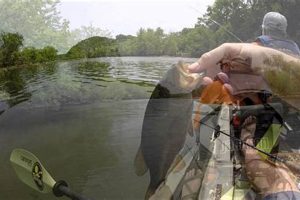
The pursuit of finned quarry from small, human-powered vessels in the waters of New Jersey offers a unique blend of outdoor recreation and angling challenge. This activity allows close-to-water experiences, providing access to shallow or otherwise difficult-to-reach fishing grounds throughout the state’s diverse coastal and inland waterways. Imagine gliding through serene back bays, casting a line near vibrant salt marshes, or drifting along a placid river seeking freshwater species all possible within the Garden State.
This form of angling holds growing appeal due to its relative affordability, ease of transport, and minimal environmental impact. It provides a quiet, non-motorized way to explore New Jersey’s abundant natural resources. Historically, small boats have played a role in the region’s fishing traditions, but the modern iteration with specialized kayaks and fishing gear has significantly expanded participation and access. This activity fosters a deep connection with the natural world, promoting conservation awareness and stewardship of local ecosystems.
From exploring suitable locations and understanding necessary equipment to considering species-specific techniques and relevant regulations, the following sections will provide a detailed overview of this popular pastime.
Tips for Kayak Fishing in New Jersey
Successful outings require careful planning and preparation. The following tips offer guidance for a safe and productive experience.
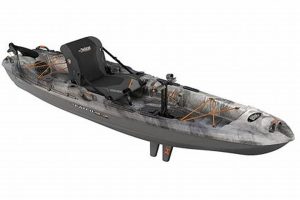
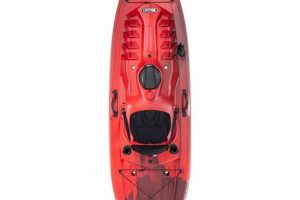
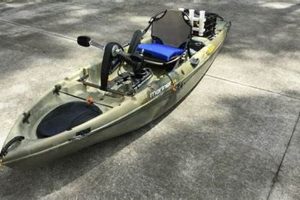
Tip 1: Choose the Right Kayak: Vessel selection depends on the intended fishing environment. Sit-on-top kayaks offer stability and ease of re-entry in calmer waters, while sit-inside kayaks provide better protection in colder conditions. Pedal-driven kayaks allow hands-free fishing and greater range.
Tip 2: Prioritize Safety Equipment: A personal flotation device (PFD) is essential. A whistle, signaling mirror, and waterproof communication device are crucial for emergencies. Navigation lights are required for low-light conditions.
Tip 3: Plan and Check Weather Conditions: Wind, tides, and currents significantly impact kayak handling. Consult marine forecasts before departing and avoid venturing out in hazardous conditions. Inform someone of planned fishing locations and estimated return times.
Tip 4: Organize Tackle and Gear: Use waterproof storage for essential equipment. Rod holders, tackle boxes, and anchor systems improve efficiency and prevent gear loss. Minimize clutter to maintain stability and maneuverability.
Tip 5: Understand Local Regulations: Familiarize oneself with licensing requirements, size and catch limits, and permitted fishing methods. Respect closed seasons and protected areas. Practice catch-and-release whenever possible.
Tip 6: Learn Basic Kayak Handling Skills: Practice paddling, turning, and maneuvering in calm water before venturing into more challenging environments. Understand how wind and currents affect kayak movement. Consider taking a kayaking safety course.
Tip 7: Employ Appropriate Fishing Techniques: Match tackle and techniques to the target species. Use lighter lines and lures in calmer waters and heavier gear in stronger currents. Learn to cast and retrieve effectively from a seated position.
Careful attention to these guidelines ensures both safety and enjoyable fishing experiences. Preparation and knowledge contribute significantly to positive outcomes.
By following these tips and respecting the environment, individuals can enjoy the unique rewards of this activity while contributing to the preservation of New Jersey’s aquatic resources.
1. Location Selection

Optimal location selection is paramount for successful kayak fishing in New Jersey. The diverse ecosystem offers a range of environments, each presenting unique opportunities and challenges. Calm, shallow bays provide excellent access to species like flounder and fluke, while deeper ocean waters, accessible from launch points along the coast, hold larger game fish such as striped bass and bluefish. Rivers and lakes, prevalent throughout the state, offer freshwater species including trout, bass, and catfish. Matching the chosen location to the target species and angler skill level is crucial. For example, venturing into the ocean requires experience with navigating currents and swells, while sheltered bays provide a more manageable environment for beginners. Understanding the nuances of each location contributes significantly to both safety and fishing success.
Factors beyond species and skill level also influence location decisions. Accessibility, parking availability, and the presence of launch ramps or suitable entry points play practical roles. Tidal flows and currents significantly impact fishing conditions and kayak maneuverability, requiring careful consideration. Wind strength and direction can also create challenging situations, especially in open water. Consulting local resources like tide charts, nautical charts, and fishing reports provides valuable insight into prevailing conditions. Researching potential locations in advance allows anglers to identify suitable spots based on their specific needs and preferences, maximizing the potential for a productive outing. For instance, areas with submerged structures or variations in depth often attract fish, making them prime fishing grounds.
Effective location selection requires careful evaluation of several interconnected factors. Balancing skill level and target species with environmental conditions and logistical considerations is essential for maximizing fishing success and ensuring a safe experience. Careful planning, informed by reliable resources and local knowledge, optimizes the chances of a rewarding experience within the diverse waterways of New Jersey.
2. Equipment Essentials

Effective kayak fishing in New Jersey relies heavily on appropriate equipment choices. These choices directly influence angler safety, comfort, and fishing success. Essential equipment falls into several categories, each playing a crucial role. A properly selected kayak, designed for stability and maneuverability in the chosen fishing environment, is fundamental. Paddle choice impacts efficiency and fatigue, with lightweight, adjustable paddles offering advantages. A comfortable and properly fitted personal flotation device (PFD) is non-negotiable for safety. Rods, reels, and tackle should match the target species and fishing techniques employed. For example, lighter tackle suits back-bay fluke fishing, while heavier gear is necessary for offshore striped bass. Specialized equipment such as fish finders, GPS units, and anchor systems enhance fishing effectiveness and navigational safety.
Beyond the core essentials, several supplementary items significantly improve the overall experience. Dry bags or waterproof containers protect electronics, clothing, and other sensitive items from water damage. A first-aid kit and essential tools address minor emergencies and equipment malfunctions. Appropriate clothing, including sun protection and layered options for changing weather conditions, ensures comfort. Landing nets and grips assist with safely handling fish. Finally, proper storage and securing of equipment within the kayak is crucial for stability and preventing gear loss. For instance, rod holders and tackle organizers maintain order and accessibility while maximizing fishing space. These considerations demonstrate the interconnectedness of equipment choices and a successful fishing outing.
Careful consideration of equipment needs is integral to a safe and productive kayak fishing experience. Prioritizing quality, functionality, and proper usage enhances angler safety, comfort, and fishing success. Appropriate equipment choices directly address the specific challenges and opportunities presented by New Jersey’s diverse fishing environments, from calm bays and rivers to the open ocean. Ultimately, informed equipment selection contributes significantly to maximizing the enjoyment and rewards of this popular pastime.
3. Safety Procedures
Safe practices are paramount in kayak fishing within New Jersey’s diverse waterways. The inherent risks associated with on-water activities necessitate careful planning and adherence to established safety guidelines. Neglecting these procedures can lead to hazardous situations, compromising angler well-being and potentially resulting in serious incidents. Understanding and implementing appropriate safety measures significantly mitigates these risks, ensuring enjoyable and incident-free fishing experiences.
- Pre-Trip Planning
Thorough pre-trip planning forms the foundation of safe kayak fishing. This includes checking weather forecasts, informing someone of planned locations and return times, and understanding local regulations. Checking tides and currents is crucial, particularly in coastal areas. Neglecting these steps can expose anglers to unexpected weather changes, navigational hazards, or legal issues, jeopardizing safety and potentially leading to rescue situations. For instance, venturing out without awareness of an approaching storm front can place an angler in dangerous open-water conditions.
- Essential Safety Equipment
Carrying appropriate safety equipment is crucial for mitigating risks. A properly fitted personal flotation device (PFD) is non-negotiable. A whistle, signaling mirror, and waterproof communication device are essential for signaling in emergencies. Navigation lights are required for low-light conditions. A first-aid kit and basic repair tools can address minor injuries or equipment malfunctions. The absence of these items can severely limit an angler’s ability to respond effectively to unexpected events, potentially escalating minor incidents into major emergencies. For example, a PFD can be life-saving in the event of capsizing.
- On-Water Practices
Maintaining safe on-water practices is essential for preventing accidents. Avoiding excessive speed and maintaining a safe distance from other vessels reduces collision risks. Practicing proper paddling techniques and understanding kayak handling in various conditions minimizes the risk of capsizing. Consuming alcohol or operating under the influence of drugs significantly impairs judgment and reaction time, dramatically increasing the likelihood of accidents. Adhering to these practices contributes to a safer environment for all water users, fostering responsible enjoyment of shared resources. For instance, maintaining situational awareness and avoiding distractions like mobile devices enhances safety.
- Emergency Preparedness
Developing an emergency preparedness plan is crucial for responding effectively to unexpected situations. This includes knowing how to contact emergency services, understanding self-rescue techniques, and practicing basic first aid. Knowing the locations of nearby launch points or safe landing areas can be vital in case of equipment failure or sudden changes in weather. Lack of preparedness can exacerbate the consequences of unforeseen events, transforming manageable situations into life-threatening crises. For example, knowing how to re-enter a kayak after capsizing is a crucial skill.
These interconnected safety procedures are essential for mitigating the inherent risks associated with kayak fishing in New Jersey. Adherence to these guidelines ensures a safer and more enjoyable experience, promoting responsible angling practices and contributing to a culture of safety within the kayaking community. Implementing these practices allows anglers to focus on the rewarding aspects of the sport, minimizing potential hazards and fostering a deeper appreciation for the natural environment.
4. Fishing Regulations

Adherence to fishing regulations is essential for the sustainability of aquatic resources and the ethical practice of kayak fishing in New Jersey. Regulations govern various aspects of recreational fishing, ensuring responsible angling practices that protect fish populations and their habitats. Understanding and complying with these regulations is not merely a legal obligation but a critical contribution to the long-term health of the state’s aquatic ecosystems. Ignoring these rules can lead to penalties and contributes to the depletion of fish stocks, impacting the enjoyment of future generations.
- Licenses and Permits
Acquiring the appropriate fishing license and any necessary permits is a fundamental requirement. Different licenses exist for residents and non-residents, with specific regulations applying to various age groups. Certain species or fishing locations may require additional permits or stamps. Failure to possess the correct documentation can result in fines. Information regarding license types, fees, and purchasing options is readily available through the New Jersey Division of Fish and Wildlife.
- Size and Catch Limits
Regulations dictate minimum sizes and daily catch limits for various species. These limits are designed to protect younger fish, allowing them to reach maturity and reproduce, ensuring healthy populations. Exceeding these limits depletes fish stocks and disrupts the balance of the ecosystem. Regulations can vary depending on the species, location, and time of year, requiring anglers to stay informed about current rules. For example, specific size limits exist for popular game fish like striped bass and summer flounder.
- Permitted Fishing Methods and Gear Restrictions
Regulations may restrict specific fishing methods or gear types to protect certain species or habitats. For instance, certain areas may prohibit the use of certain types of nets or traps. Restrictions on hook sizes or bait types may also apply. These regulations aim to minimize unintended bycatch and reduce the impact on vulnerable fish populations. Understanding these restrictions is crucial for legal compliance and responsible fishing practices. For example, using circle hooks is often mandatory when fishing for certain species.
- Closed Seasons and Protected Areas
Specific seasons or areas may be closed to fishing to protect spawning fish or vulnerable habitats. These closures allow fish populations to reproduce undisturbed, contributing to their long-term sustainability. Ignoring closed seasons or fishing in protected areas disrupts breeding cycles and can damage sensitive ecosystems. Anglers must be aware of these closures, which can vary depending on the species and location. Consulting official resources ensures compliance and contributes to the preservation of these vital areas.
Compliance with fishing regulations is integral to responsible kayak fishing in New Jersey. By understanding and adhering to these rules, anglers contribute directly to the conservation of aquatic resources, ensuring the long-term health and viability of the state’s diverse fisheries. This responsible approach benefits both the environment and the future of recreational fishing, promoting a sustainable and enjoyable pastime for all. Ignoring these regulations not only risks penalties but also undermines the very foundation of this cherished activity.
5. Environmental Awareness

Environmental awareness represents a crucial aspect of responsible kayak fishing in New Jersey. The close interaction with the natural environment inherent in this activity necessitates a deep understanding of potential impacts and the adoption of sustainable practices. This awareness fosters a sense of stewardship, ensuring the preservation of aquatic ecosystems for future generations. Direct contact with the water and shoreline provides a unique perspective on the fragility of these environments, highlighting the importance of minimizing human impact.
The practical implications of environmental awareness within kayak fishing encompass several key areas. Proper disposal of fishing line and other waste prevents entanglement of wildlife and pollution of waterways. Practicing catch-and-release techniques, particularly for undersized or non-target species, promotes healthy fish populations. Respecting sensitive habitats, such as seagrass beds and spawning areas, by avoiding anchoring or disturbing these zones, contributes to ecosystem health. Minimizing disturbance to wildlife, including birds and marine mammals, through quiet observation and maintaining a safe distance, demonstrates respect for the natural environment. For example, discarding fishing line improperly can entangle birds and other animals, causing injury or death. Similarly, disturbing nesting sites can disrupt breeding cycles and negatively impact bird populations.
The connection between environmental awareness and kayak fishing in New Jersey is symbiotic. Responsible angling practices enhance the long-term sustainability of the sport, ensuring continued access to healthy and thriving aquatic environments. This understanding fosters a deeper appreciation for the natural world, transforming a recreational activity into a form of environmental stewardship. The challenges posed by pollution, habitat degradation, and climate change underscore the increasing importance of environmental awareness within the kayaking community. By embracing sustainable practices, kayak anglers contribute directly to the preservation of New Jersey’s valuable aquatic resources, ensuring their enjoyment for generations to come. This active participation in conservation efforts strengthens the connection between anglers and the environment, fostering a sense of responsibility and promoting the long-term health of these vital ecosystems.
Frequently Asked Questions
Addressing common inquiries regarding kayak fishing in New Jersey provides clarity for both novice and experienced anglers. These responses aim to offer practical guidance and promote safe and responsible angling practices.
Question 1: What are the licensing requirements for kayak fishing in New Jersey?
A valid New Jersey fishing license is required for individuals aged 16 and older. Specific regulations and exemptions may apply. Consult the New Jersey Division of Fish and Wildlife for detailed information and to purchase a license.
Question 2: Where are suitable launch sites for kayak fishing in New Jersey?
Numerous public access points exist throughout the state, including boat ramps, designated kayak launch areas, and public beaches. Online resources and local maps often provide detailed information regarding access points and parking availability. Consider water conditions, tides, and currents when selecting a launch site.
Question 3: What essential safety equipment should be carried on a kayak fishing trip?
A personal flotation device (PFD), whistle, signaling mirror, and waterproof communication device are essential. Navigation lights are required for low-light conditions. A first-aid kit, basic repair tools, and a bilge pump or bailer are also recommended.
Question 4: What are the common target species for kayak anglers in New Jersey?
Target species vary depending on location and season. Popular saltwater targets include striped bass, bluefish, flounder, and weakfish. Freshwater species such as trout, bass, and catfish are also commonly sought.
Question 5: What are the specific regulations regarding size and catch limits?
Size and catch limits vary by species and are subject to change. Consult the New Jersey Division of Fish and Wildlife for current regulations. It is the angler’s responsibility to be aware of and comply with these limits.
Question 6: What environmental considerations are relevant to kayak fishing?
Proper disposal of fishing line and other waste is crucial. Practicing catch-and-release, particularly for undersized or non-target species, contributes to conservation. Avoiding disturbance to sensitive habitats and wildlife demonstrates responsible angling practices.
Understanding these commonly addressed topics enhances angler preparedness, promoting safe and responsible fishing practices within New Jersey’s aquatic environments.
For further information and detailed guidance, consult official resources and local experts.
Conclusion
This exploration of kayak angling within New Jersey reveals a multifaceted activity demanding careful consideration of location, equipment, safety, regulations, and environmental impact. Successful participation hinges on informed decision-making and responsible practices. From selecting appropriate gear and understanding local regulations to respecting fragile ecosystems and prioritizing safety, each element contributes to a rewarding experience.
The future of this pursuit relies on continued education, responsible stewardship, and a collective commitment to preserving the natural resources that sustain it. Through informed action and mindful engagement, this unique blend of recreation and angling can continue to thrive within New Jersey’s diverse waterways, offering enriching experiences for generations to come.