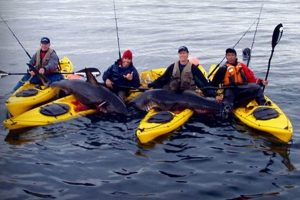
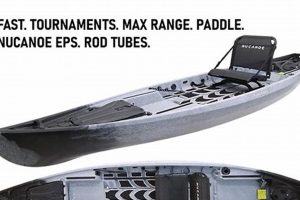
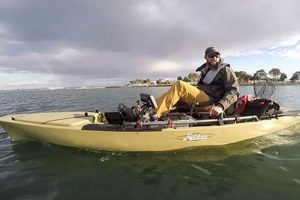
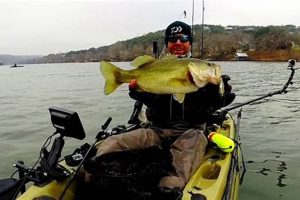
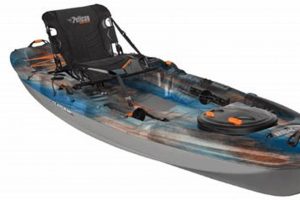
A pre-owned, human-powered watercraft designed specifically for angling provides an affordable entry point to the sport. These vessels typically feature specialized storage for rods, tackle, and often include other amenities like paddle holders and anchor trolleys.
Acquiring a previously owned watercraft designed for angling offers significant advantages, including cost savings compared to new models. This allows anglers to access higher-quality equipment at a lower price point, potentially including features like advanced seating systems and built-in fish finders. The market for these vessels has grown steadily, reflecting increased interest in kayak fishing as a recreational activity. This affordability also contributes to sustainability by extending the lifespan of existing products.
The following sections delve into key considerations for prospective buyers, covering topics such as evaluating hull condition, assessing essential features, and navigating the purchasing process. Further discussion will explore popular brands, common modifications, and maintenance tips.
Tips for Purchasing a Pre-Owned Fishing Kayak
Acquiring a previously owned fishing kayak presents an opportunity for significant cost savings, but careful consideration is crucial to ensure a worthwhile investment. These tips provide guidance for navigating the selection and purchase process.
Tip 1: Inspect the Hull Thoroughly: Examine the hull for cracks, deep scratches, or signs of repair. Pay close attention to areas around fittings and seams. A thorough inspection can prevent costly repairs later.
Tip 2: Evaluate Seating and Comfort: Ensure the seat offers adequate support and adjustability for extended fishing trips. Comfort is paramount for long hours on the water.
Tip 3: Assess Storage Capacity: Consider storage needs for tackle, rods, and other equipment. Ample storage contributes to a more organized and efficient fishing experience.
Tip 4: Verify Functionality of Features: Test all hatches, rudders, and other features to ensure proper operation. A hands-on assessment can reveal potential issues.
Tip 5: Research Comparable Models: Investigate the original retail price and features of similar models to gauge the fairness of the asking price. This research provides valuable context for negotiation.
Tip 6: Inquire About Usage History: Gather information about the kayak’s usage, including frequency, water types, and storage conditions. This history can offer insights into potential wear and tear.
Tip 7: Consider Transportation Logistics: Factor in the dimensions and weight of the kayak to ensure compatibility with available transportation methods. Pre-planning simplifies transport.
By adhering to these guidelines, prospective buyers can make informed decisions and maximize the likelihood of a successful purchase. A well-chosen pre-owned fishing kayak provides years of enjoyable angling experiences.
The concluding section offers a summary of key considerations and emphasizes the long-term benefits of a well-maintained fishing kayak.
1. Hull Condition

The structural integrity of the hull is paramount when considering a pre-owned fishing kayak. A compromised hull can lead to leaks, instability, and ultimately, a shortened lifespan. Careful assessment of the hull is essential for ensuring a safe and enjoyable on-the-water experience.
- Scratches and Abrasions:
Superficial scratches are common on used kayaks, often resulting from normal wear and tear. While minor scratches rarely affect performance, deep gouges warrant closer inspection. Deep scratches, especially those penetrating multiple layers of the hull material, can compromise structural integrity and should be professionally evaluated. Consider the depth, location, and number of scratches when assessing overall hull condition.
- Cracks and Fractures:
Cracks, unlike scratches, indicate more significant damage and potential structural weakness. Stress cracks, often appearing near fittings or seams, can result from improper handling or excessive stress. Impact cracks, typically larger and more jagged, might arise from collisions. Any crack, regardless of size, requires careful evaluation and potentially professional repair before use. The presence of cracks should be a major factor in the purchasing decision.
- Repairs and Patches:
Previous repairs, while sometimes effectively restoring functionality, can indicate prior damage. Inspect repairs for proper adhesion and signs of stress around the patched area. Multiple repairs in the same area might suggest a recurring problem. Inquire about the nature of the damage and the repair method used. A well-documented repair history can alleviate concerns, while poorly executed repairs should raise a red flag.
- UV Degradation and Fading:
Prolonged exposure to sunlight can degrade certain hull materials, leading to discoloration, brittleness, and reduced strength. While fading is primarily cosmetic, excessive UV degradation can compromise structural integrity. Examine the hull for signs of chalking, cracking, or unusual flexibility. Consider the kayaks storage history and age when evaluating potential UV damage. Proper storage and maintenance can mitigate the effects of sun exposure.
A thorough hull inspection is a crucial step in the process of purchasing a pre-owned fishing kayak. Identifying and understanding potential issues related to scratches, cracks, repairs, and UV degradation allows for informed decision-making and ensures a safe and enjoyable paddling experience. Neglecting this crucial assessment can lead to costly repairs and compromised safety on the water.
2. Features & Accessories

Features and accessories significantly influence the functionality and overall value of a used fishing kayak. Careful evaluation of these components is essential for aligning the vessel with specific angling needs and preferences. These elements contribute directly to on-the-water efficiency, comfort, and ultimately, fishing success.
Rod Holders: The presence, type, and placement of rod holders are crucial factors. Flush-mounted rod holders offer a streamlined profile but may limit accessibility. Adjustable rod holders provide versatility for different fishing techniques. The number and positioning of rod holders should align with the angler’s typical fishing style and target species. Kayaks designed for trolling, for instance, may benefit from multiple rear-facing rod holders.
Storage Compartments: Ample and strategically placed storage is essential for organizing tackle, gear, and personal items. Dry storage compartments protect sensitive electronics and valuables from water damage. Open storage areas, often with bungee cords, provide quick access to frequently used items. The size, accessibility, and watertightness of storage compartments directly impact organization and efficiency on the water.
Seating and Comfort: Seat comfort significantly affects endurance and overall enjoyment, particularly during long fishing trips. Adjustable seating systems allow for customization based on individual preferences and physical requirements. Features like lumbar support and padding enhance comfort and reduce fatigue. Evaluating seat condition and adjustability is essential for ensuring a comfortable and enjoyable fishing experience.
Rudder and Pedal Systems: Rudders enhance maneuverability and tracking, especially in windy conditions or strong currents. Foot-controlled rudder systems allow for hands-free steering, facilitating fishing activities. Inspect rudder cables and pedals for wear and tear, ensuring smooth operation. The presence and functionality of a rudder system can significantly impact control and efficiency on the water.
Other Accessories: Anchor trolleys, paddle holders, and fish finders further enhance functionality and convenience. An anchor trolley allows for controlled anchoring and drift fishing. Paddle holders secure paddles when not in use, preventing loss or interference. Integrated fish finders provide valuable information about water depth, fish location, and bottom structure. Consider the presence and condition of these accessories when evaluating a used fishing kayak.
Careful assessment of features and accessories empowers informed decision-making when selecting a used fishing kayak. Aligning these components with individual fishing styles and preferences ensures optimal functionality, comfort, and ultimately, a more rewarding on-the-water experience. Prioritizing these considerations contributes to a well-informed purchase decision and maximizes the value derived from the investment.
3. Stability & Tracking
Stability and tracking are critical performance characteristics in a used fishing kayak, directly influencing angler safety, comfort, and fishing effectiveness. A stable platform allows for comfortable casting, reeling, and landing fish, while efficient tracking minimizes effort and maintains course in varying conditions. Evaluating these factors is essential for a positive on-the-water experience.
- Hull Design:
Hull design significantly impacts both stability and tracking. Wider, flatter hulls generally offer greater initial stability, ideal for calm waters and stand-up fishing. However, this stability often comes at the expense of tracking performance. Longer, narrower hulls, conversely, track more efficiently but may feel less stable initially. Specialized hull designs, such as pontoon hulls or multi-chine hulls, offer varying degrees of stability and tracking performance tailored to specific fishing environments.
- Weight Capacity and Distribution:
The kayak’s weight capacity and the distribution of weight within the vessel affect stability. Exceeding the recommended weight capacity compromises both stability and freeboard, increasing the risk of capsizing. Proper weight distribution, with heavier items positioned low and centrally, enhances stability and improves tracking. Consider the combined weight of the angler, gear, and potential catch when assessing stability.
- Water Conditions:
Environmental factors, such as wind, current, and waves, influence stability and tracking. Kayaks designed for calm waters may perform poorly in rough conditions, while those designed for open water might feel less stable in sheltered areas. Consider the typical fishing environment and select a used kayak with stability and tracking characteristics suited to those conditions. For example, a kayak with a higher initial stability is better suited for calm lakes, while one with superior tracking is preferable for rivers or coastal areas.
- Wear and Tear:
Previous use can impact stability and tracking, especially in older or poorly maintained kayaks. Damage to the hull, skeg, or rudder can compromise tracking performance. Wear on the seat or other components can affect weight distribution and stability. Thoroughly inspect a used fishing kayak for signs of wear and tear that might negatively impact these crucial performance characteristics. A kayak with significant wear might require repairs or modifications to restore optimal stability and tracking.
Evaluating stability and tracking is crucial when selecting a used fishing kayak. Balancing these characteristics according to individual fishing style, target environment, and the kayak’s condition ensures a safe, efficient, and ultimately more enjoyable fishing experience. Prioritizing these considerations contributes to informed decision-making and maximizes the value of the investment. Understanding the interplay between hull design, weight distribution, water conditions, and potential wear allows for a more informed assessment of a used kayak’s suitability for specific fishing needs.
4. Brand & Model

Brand and model considerations play a significant role in evaluating a used fishing kayak. Reputable brands often signify consistent manufacturing quality, material selection, and design innovation. Specific models within a brand’s lineup cater to various fishing styles, body types, and water conditions. Understanding the nuances of different brands and models empowers informed decision-making and aligns the kayak’s characteristics with individual angler requirements. For example, Wilderness Systems typically emphasizes stability and comfort in their designs, while Hobie is known for its pedal-driven propulsion systems. Ocean Kayak focuses on durability and affordability, while Old Town offers a blend of traditional and modern designs. Researching specific models, such as the Wilderness Systems Tarpon, the Hobie Mirage Outback, the Ocean Kayak Prowler, or the Old Town Predator, provides insight into features, performance characteristics, and target applications. This knowledge base enables buyers to assess value, anticipate potential issues, and compare options effectively.
Model research extends beyond general brand reputation to encompass specific design features, construction materials, and known performance characteristics. Some models prioritize stability for stand-up fishing, while others excel in tracking for open-water paddling. Understanding these design choices clarifies the kayak’s intended purpose and compatibility with individual fishing styles. Furthermore, researching common issues associated with specific models allows buyers to anticipate potential problems and inspect used kayaks accordingly. For instance, certain models might be prone to rudder cable wear or hatch leakage. Awareness of these potential issues equips buyers to perform targeted inspections and negotiate price adjustments based on identified deficiencies. Diligent research facilitates a more informed purchasing process and mitigates the risk of acquiring a kayak unsuitable for intended use.
In summary, brand and model research provide crucial context for evaluating a used fishing kayak. Understanding brand reputations, model-specific features, and potential issues empowers buyers to make informed decisions aligned with individual needs and preferences. This research not only informs purchasing decisions but also contributes to realistic expectations regarding performance, durability, and potential maintenance requirements. Ultimately, considering brand and model as integral components of the evaluation process contributes to a more satisfying long-term ownership experience.
5. Price & Value
Assessing price and value represents a crucial step in acquiring a pre-owned fishing kayak. Price reflects the seller’s asking amount, while value encompasses the kayak’s condition, features, and overall utility relative to its cost. Aligning price with value ensures a sound investment and maximizes long-term satisfaction.
- Market Research:
Thorough market research establishes a baseline for expected pricing within a specific region and for comparable models. Online marketplaces, classified advertisements, and local retailers provide valuable data points for determining fair market value. This research empowers informed negotiation and prevents overpaying for a used kayak.
- Condition Assessment:
The kayak’s condition directly influences its value. Factors such as hull integrity, wear and tear on components, and the presence of any damage influence the asking price. A well-maintained kayak with minimal wear commands a higher price than one requiring repairs or replacements. Accurately assessing condition allows for objective evaluation and justifies price adjustments.
- Features and Accessories:
Included features and accessories contribute to a kayak’s overall value. High-end seating systems, integrated fish finders, and specialized rigging increase value compared to basic models. Evaluating the presence and functionality of these features allows for a more accurate assessment of the kayak’s worth and justifies price differences.
- Age and Usage:
Age and usage history influence value. Older kayaks or those subjected to heavy use typically depreciate in value compared to newer, lightly used models. Understanding the kayak’s history allows for realistic expectations regarding its condition and remaining lifespan. This information informs price negotiation and ensures alignment with value.
Aligning price with value represents a critical aspect of acquiring a pre-owned fishing kayak. Thorough market research, condition assessment, feature evaluation, and consideration of age and usage empower informed decision-making. These factors contribute to securing a fair price and maximizing the long-term value derived from the investment.
6. Seller Reputation

Seller reputation significantly influences the purchasing process for a used fishing kayak. A reputable seller fosters trust and transparency, mitigating potential risks associated with acquiring pre-owned equipment. Conversely, a seller with a poor reputation raises concerns regarding the kayak’s condition, accurate representation of features, and post-sale support. Established retailers, known for their commitment to customer service and quality control, generally inspire greater confidence than private sellers. However, individual sellers with extensive positive feedback and detailed product descriptions can also demonstrate trustworthiness. For instance, a seller with consistently positive reviews for accurate product descriptions, timely communication, and secure packaging instills confidence in potential buyers. Conversely, a seller with numerous negative reviews citing misrepresented product conditions or unresponsive communication raises red flags.
Practical implications of seller reputation extend beyond initial purchase considerations. Reputable sellers often provide warranties, return policies, or post-sale support, mitigating potential issues arising after the transaction. This support network adds value and reassurance for buyers, particularly when investing in a used item. Conversely, a seller with a poor reputation might be unresponsive to post-sale inquiries or refuse to address defects discovered after purchase. This lack of recourse can lead to costly repairs or a complete loss of investment. Therefore, prioritizing seller reputation contributes to a more secure transaction and reduces the likelihood of post-purchase complications. For example, a reputable seller might offer a limited warranty on a used kayak, covering manufacturing defects or structural issues discovered within a specific timeframe. This warranty provides recourse for buyers and demonstrates the seller’s commitment to customer satisfaction.
In summary, evaluating seller reputation represents a crucial step in acquiring a used fishing kayak. A positive reputation fosters trust, transparency, and post-sale support, mitigating risks inherent in purchasing pre-owned equipment. Prioritizing seller reputation, through research, review analysis, and communication assessment, contributes significantly to a secure and satisfying transaction. This due diligence minimizes potential complications and maximizes the likelihood of acquiring a reliable and accurately represented used fishing kayak. Ultimately, recognizing the importance of seller reputation safeguards the investment and enhances the overall purchasing experience.
Frequently Asked Questions about Pre-Owned Fishing Kayaks
This section addresses common inquiries regarding the acquisition of pre-owned fishing kayaks. Clear and concise responses aim to inform prospective buyers and facilitate well-considered purchasing decisions.
Question 1: What are the primary advantages of purchasing a pre-owned fishing kayak?
Significant cost savings represent the most compelling advantage. Pre-owned kayaks often offer comparable features to new models at a substantially lower price point. This allows individuals to access higher-quality equipment within a constrained budget.
Question 2: What are the key considerations when inspecting a used kayak’s hull?
Thorough inspection of the hull is crucial. Focus should be directed toward identifying any cracks, deep scratches, or previous repairs. These factors can indicate potential structural weaknesses or previous damage requiring attention.
Question 3: How does one determine appropriate storage capacity in a fishing kayak?
Storage needs vary based on individual fishing styles and target species. One should consider the volume and type of gear typically carried, including tackle boxes, rods, and personal items. Adequate storage ensures efficient organization and access to essential equipment.
Question 4: What is the significance of brand and model research when considering a used kayak?
Researching specific brands and models provides insights into design philosophies, construction quality, and common issues. This knowledge base informs expectations regarding performance characteristics, durability, and potential maintenance requirements.
Question 5: How does one determine a fair price for a used fishing kayak?
Market research, comparing similar models and their listed prices, establishes a reasonable price range. Factors such as condition, features, age, and included accessories influence the ultimate value and justify price adjustments.
Question 6: Why is seller reputation an important factor in the purchasing process?
Seller reputation provides insights into their reliability, transparency, and commitment to customer satisfaction. A reputable seller mitigates potential risks associated with pre-owned purchases, offering greater assurance of accurate product descriptions and post-sale support.
Careful evaluation of these frequently asked questions empowers informed decision-making and contributes to a positive purchasing experience. Understanding these considerations allows prospective buyers to approach the acquisition of a used fishing kayak with confidence and clarity.
The following section provides a comprehensive checklist for inspecting a used fishing kayak before finalizing a purchase. This checklist serves as a valuable tool for ensuring a thorough evaluation and mitigating potential risks.
Conclusion
Acquiring a pre-owned fishing kayak presents a viable pathway to enjoying this popular watersport. Careful evaluation of hull condition, features, brand reputation, and seller credibility ensures a worthwhile investment. Prioritizing these considerations, alongside a thorough understanding of pricing dynamics, empowers informed decisions and mitigates potential risks associated with purchasing used equipment. A well-chosen pre-owned vessel offers years of enjoyable angling experiences.
The expanding market for pre-owned fishing kayaks reflects the sport’s growing popularity and the inherent value proposition of acquiring reliable equipment at a reduced cost. Diligent research and informed decision-making contribute not only to individual satisfaction but also to the sustainable practice of extending the lifespan of existing products. Ultimately, a well-maintained fishing kayak, whether new or pre-owned, provides a gateway to exploring waterways, pursuing angling adventures, and connecting with nature.