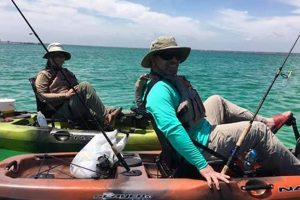
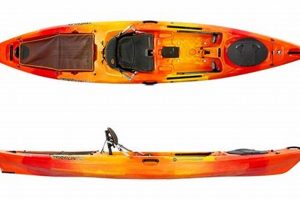
Locating suitable fishing locations accessible by kayak involves considering factors such as water type (freshwater or saltwater), species targeted, local regulations, and access points. For example, a calm lake offers different opportunities compared to a flowing river or open ocean. Understanding these nuances is essential for a successful and enjoyable experience.
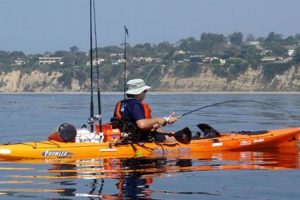
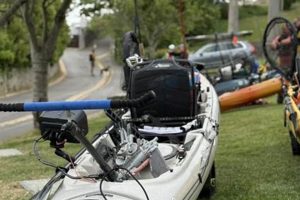
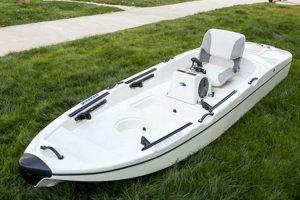
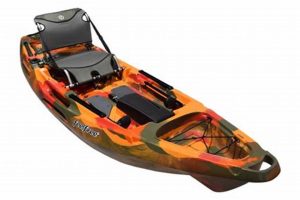
Choosing appropriate locations enhances fishing success by putting anglers in proximity to target species while offering a stealthy approach that minimizes disturbance. Historically, kayaks and canoes have been utilized for fishing, but the recent surge in popularity of specialized fishing kayaks equipped with features like rod holders, live wells, and fish finders highlights the growing recognition of their effectiveness. This method provides access to shallow waters and secluded areas often inaccessible to larger boats, broadening angling possibilities.
The following sections will delve into specific location categories, including lakes, rivers, and coastal areas, offering detailed guidance on selecting the best spots based on individual angler preferences and target species.
Tips for Locating Kayak Fishing Spots
Strategic planning is crucial for successful kayak fishing excursions. The following tips offer guidance on identifying productive and accessible locations.
Tip 1: Research Local Regulations: Regulations regarding fishing licenses, permitted species, and catch limits vary by location. Consulting local authorities or online resources ensures compliance and avoids potential penalties.
Tip 2: Consider Water Conditions: Water clarity, current strength, and tidal patterns influence fish behavior and accessibility. Calm, clear waters are generally preferable for sight fishing, while moving water can concentrate baitfish and attract predatory species.
Tip 3: Utilize Online Maps and Charts: Nautical charts and online mapping tools provide valuable information about water depth, bottom structure, and potential hazards. Identifying drop-offs, weed beds, and other underwater features helps pinpoint likely fish-holding areas.
Tip 4: Explore Different Access Points: Boat ramps, public parks, and designated kayak launch areas offer convenient access to waterways. Researching access points beforehand ensures a smooth start to the fishing trip.
Tip 5: Observe Wildlife Activity: Birds diving, baitfish jumping, and other signs of wildlife activity can indicate the presence of larger fish. Paying attention to these natural cues can lead anglers to productive fishing spots.
Tip 6: Seek Local Knowledge: Local bait shops, fishing guides, and online forums can provide valuable insights into specific fishing locations and techniques. Engaging with local experts can significantly enhance fishing success.
Tip 7: Prioritize Safety: Wearing a personal flotation device, carrying a communication device, and informing someone of the fishing plan are essential safety precautions for any kayak fishing trip.
By considering these tips, anglers can maximize their chances of finding productive fishing locations and enjoying a successful kayak fishing experience.
With a solid understanding of how to locate suitable waters, the next step involves selecting appropriate gear and techniques for the chosen environment.
1. Lakes

Lakes present unique opportunities for kayak anglers. Their generally calm waters offer a stable platform ideal for beginners and experienced anglers alike. This stability facilitates various fishing techniques, from still-fishing with live bait to trolling or casting lures. The diversity of fish species inhabiting lakes contributes to their appeal. Largemouth bass, smallmouth bass, crappie, walleye, and various panfish are common targets. For example, the clear, deep waters of a glacial lake might provide excellent trolling opportunities for lake trout, while a shallow, weedy lake could be ideal for casting topwater lures for bass. The relatively confined nature of lakes allows anglers to systematically explore different depths and habitats, enhancing the chances of locating fish.
Choosing the right location within a lake requires understanding fish behavior and habitat preferences. Structure, such as submerged logs, drop-offs, and weed beds, provides cover and attracts baitfish, making them prime fishing spots. During warmer months, focusing on areas with cooler water temperatures, like deeper sections or shaded areas near inlets, can be productive. Conversely, in colder months, fish may concentrate in shallower areas where sunlight can penetrate and warm the water. Utilizing a fish finder can significantly assist in locating structure and fish concentrations. Additionally, observing natural cues, like bird activity or baitfish schools, can pinpoint areas of high fish activity. Consider a large lake with varying depths and vegetation. Areas with submerged vegetation, like lily pads or reeds, provide ideal ambush points for bass. Targeting these areas with weedless lures or live bait can yield successful results.
While lakes offer excellent kayak fishing opportunities, anglers must consider potential challenges. Wind and changing weather conditions can create choppy waters, requiring experience and caution. Proper safety precautions, including wearing a personal flotation device and carrying communication equipment, are essential. Understanding local regulations regarding fishing licenses and catch limits is also crucial. Successfully navigating these factors contributes to a safe and productive lake fishing experience from a kayak.
2. Rivers

Rivers present a dynamic and challenging environment for kayak anglers, offering unique opportunities to target diverse species. The flowing water, varied habitats, and seasonal changes create a complex ecosystem requiring specific knowledge and adaptation.
- Current and Flow Dynamics
Understanding river currents is paramount for successful kayak fishing. Current speed influences fish behavior and dictates lure presentation. Faster currents often require heavier lures or specialized techniques like drift fishing. Slower pools and eddies provide calmer areas where fish can rest and ambush prey, making them ideal targets for lighter lures or live bait. For example, targeting smallmouth bass in a fast-flowing section requires using weighted flies or streamers that can reach the bottom, while fishing for trout in a slow pool might involve delicate presentations of dry flies or nymphs. Reading the water and identifying current seams, where faster and slower currents meet, is crucial for locating fish.
- Habitat Diversity
Rivers offer a wide range of habitats, from shallow riffles to deep pools, rocky runs, and undercut banks. Each habitat attracts different species. Trout often prefer cooler, oxygenated water found in riffles and runs, while catfish and carp might inhabit deeper, slower-moving sections. Fallen trees, submerged logs, and rock formations create cover and ambush points, attracting predatory fish like bass and walleye. For instance, targeting catfish near a deep hole using cut bait is a different approach than fishing for trout in a shallow riffle with artificial lures. Recognizing these habitat variations and tailoring fishing techniques accordingly is essential for success.
- Access and Navigation
Accessing and navigating rivers requires careful planning. Identifying suitable launch points, considering potential obstacles like rapids or low-head dams, and understanding river flow direction are crucial. Using a river map or guidebook can provide valuable information about access points, hazards, and fishing regulations. Paddling upstream requires more effort, especially against strong currents, while floating downstream allows for a more relaxed approach. For instance, launching a kayak downstream from a target fishing area and allowing the current to carry the angler through the desired section is a common strategy. However, anglers must also plan for the return trip upstream or arrange for a shuttle service.
- Seasonal Considerations
Seasonal changes significantly impact river fishing. Water temperature, flow rates, and fish behavior fluctuate throughout the year. During spring, rising water temperatures and increased flow can trigger spawning runs for certain species, providing excellent fishing opportunities. Summer months often bring lower water levels and warmer temperatures, requiring anglers to focus on deeper pools or shaded areas. Fall offers cooler temperatures and changing foliage, creating favorable conditions for many species. Winter fishing can be challenging due to cold water and potential ice, but certain species, like steelhead, can be targeted in specific locations. For instance, fishing for salmon during their fall spawning run requires different techniques and locations compared to fishing for bass in the summer months.
Successfully fishing rivers from a kayak involves understanding the interplay of current, habitat, access, and seasonal influences. Adapting fishing techniques and approaches to these dynamic factors is crucial for maximizing angling success and enjoying the unique challenges and rewards river fishing offers.
3. Coastal Waters

Coastal waters offer a diverse and productive environment for kayak anglers, presenting both opportunities and challenges. The confluence of freshwater and saltwater creates a rich ecosystem supporting a wide array of fish species. Estuaries, bays, and inlets serve as nurseries for many species, attracting larger predators seeking abundant prey. This dynamic environment requires specialized knowledge and adaptation to maximize fishing success.
Tidal fluctuations significantly influence fishing in coastal waters. Incoming tides bring baitfish and predators closer to shore, creating feeding opportunities in shallow flats and marshes. Outgoing tides concentrate fish in channels and deeper holes as they retreat with the receding water. Understanding tidal patterns and their impact on fish behavior is crucial for selecting optimal fishing times and locations. For example, fishing the edges of a saltwater marsh during a rising tide can be highly productive for redfish and speckled trout. Conversely, targeting flounder in deeper channels during a falling tide might yield better results. Utilizing a tide chart and observing local water movement provide valuable insights for planning a coastal kayak fishing trip.
Navigating coastal waters requires careful consideration of wind, waves, and currents. Strong winds and currents can create challenging paddling conditions, requiring experience and caution. Staying aware of weather forecasts and adjusting plans accordingly is essential for safety. Additionally, navigating shallow flats and oyster beds requires careful observation to avoid grounding or damaging the kayak. Understanding local regulations regarding fishing licenses, permitted species, and catch limits is also crucial. Successfully navigating these factors contributes to a safe and productive coastal kayak fishing experience.
4. Protected Bays
Protected bays offer unique advantages for kayak anglers, providing sheltered waters and diverse habitats ideal for various skill levels. The reduced exposure to wind and waves creates a more stable and predictable fishing environment, particularly beneficial for beginners. These calmer conditions also allow for a stealthier approach, minimizing disturbance to fish and enhancing fishing success. The combination of shelter and diverse ecosystems makes protected bays a prime location for exploring “where to kayak fish.”
- Calm Water Conditions
The defining characteristic of protected bays is their sheltered nature, offering respite from open water conditions. This calmness allows for easier kayak maneuverability and stability, facilitating various fishing techniques. Anglers can focus on fishing rather than constantly battling wind and waves, making it ideal for techniques requiring precise boat control, such as fly fishing or sight casting. For example, the tranquil waters of Chesapeake Bay tributaries offer excellent opportunities for kayak anglers targeting speckled trout and striped bass.
- Habitat Diversity
Protected bays often feature a diverse range of habitats within a relatively small area. Grass flats, oyster beds, mangrove shorelines, and deeper channels provide shelter and foraging grounds for a variety of fish species. This habitat diversity allows anglers to target different species using various techniques within a single location. For instance, a shallow grass flat might hold redfish and sea trout, while nearby channels could harbor flounder and snapper. Exploring these different habitats within a protected bay maximizes angling opportunities.
- Nursery Grounds
Many protected bays serve as vital nursery grounds for juvenile fish, providing shelter and abundant food sources. This concentration of smaller fish attracts larger predators, creating a dynamic food web and excellent fishing opportunities. Targeting these predators requires understanding their feeding patterns and preferred habitats within the bay. For example, snook and tarpon frequent mangrove-lined shorelines in search of prey, while larger gamefish, like sharks and cobia, might patrol deeper channels. Recognizing these ecological connections enhances fishing success.
- Accessibility
Protected bays often offer multiple access points, including boat ramps, kayak launches, and even shoreline access for wade fishing. This accessibility makes it easier for anglers to reach prime fishing locations without requiring long open-water paddles. The proximity to shore also provides a sense of security, particularly for beginners or those fishing alone. For instance, numerous public access points along the Texas Gulf Coast provide convenient entry points for kayak anglers exploring protected bays and estuaries.
The sheltered environment, habitat diversity, role as nursery grounds, and accessibility of protected bays contribute to their popularity among kayak anglers. By considering these factors and understanding the specific characteristics of each bay, anglers can effectively target desired species and maximize their chances of a successful and enjoyable fishing experience. Choosing a protected bay offers a strategic advantage in “where to kayak fish,” particularly for those seeking calmer waters and diverse fishing opportunities.
5. Ocean Flats

Ocean flats represent a prime environment for kayak anglers seeking shallow-water species. These expansive, shallow areas, often characterized by sandy or seagrass bottoms, provide ideal habitat for a variety of fish. Their shallow depth allows for sight fishing, a technique highly effective from the low vantage point of a kayak. The combination of shallow water, clear visibility, and abundant prey makes ocean flats a significant component of “where to kayak fish.” For example, bonefish, permit, and tarpon, prized gamefish known for their challenging pursuit, frequent the flats of the Florida Keys and Caribbean, attracting anglers worldwide. The shallow depths allow anglers to wade or pole their kayaks silently across the flats, presenting flies or lures to cruising fish.
The effectiveness of kayak fishing in ocean flats stems from the stealth and maneuverability kayaks offer. Their shallow draft allows access to areas inaccessible to larger boats, maximizing coverage and fishing opportunities. The quiet propulsion of a paddle or electric motor minimizes disturbance, increasing the likelihood of approaching wary fish undetected. This advantage is particularly crucial in clear, shallow water where fish are easily spooked. For instance, navigating the shallow flats of the Bahamas in a kayak allows anglers to reach remote areas teeming with bonefish, offering a unique and rewarding angling experience. The angler’s low profile and quiet approach provide a significant advantage when sight-fishing these wary inhabitants of the flats.
Successfully fishing ocean flats from a kayak requires understanding tidal influences and fish behavior. Tidal currents dictate water depth and movement, concentrating fish in specific areas. Incoming tides flood the flats, bringing baitfish and attracting larger predators, while outgoing tides concentrate fish in channels and deeper holes. Anglers must consider these tidal movements to effectively target desired species. Furthermore, understanding the feeding habits and preferred habitats of target species is crucial. Bonefish, for example, often feed on crustaceans and mollusks in sandy areas, while permit prefer crabs and shrimp in seagrass beds. Tailoring fishing techniques and bait selection based on these factors significantly increases the chances of success. While ocean flats offer exceptional fishing opportunities, anglers must prioritize safety. Wind, currents, and changing weather conditions can create hazardous situations in exposed shallow waters. Wearing a personal flotation device, carrying communication equipment, and being aware of local weather patterns are essential safety precautions for any kayak fishing adventure on ocean flats.
6. Ponds

Ponds, often overlooked in favor of larger bodies of water, present unique opportunities for kayak anglers. Their smaller size and generally calmer waters offer a manageable and accessible environment, particularly suitable for beginners or those seeking a more relaxed fishing experience. This accessibility, combined with the potential for diverse fish populations, establishes ponds as a viable option within the broader context of “where to kayak fish.” A small farm pond, for example, might harbor a healthy population of largemouth bass, bluegill, or catfish, providing ample opportunities for anglers using kayaks to exploit the calm conditions and reach areas inaccessible from the bank.
The ecological dynamics of ponds often result in concentrated fish populations. Limited space and resources create competition and predictable feeding patterns. Understanding these dynamics is key to successful pond fishing. Vegetation, submerged logs, and other structures provide cover and attract prey, making them prime fishing locations. Observing insect activity, baitfish schools, or other signs of life can further pinpoint fish concentrations. For instance, a pond with abundant lily pads might harbor bass seeking ambush points, while deeper areas near underwater springs could attract trout seeking cooler temperatures. Kayaks allow anglers to quietly navigate these diverse habitats, maximizing fishing potential within a confined area.
While ponds offer advantages, they also present specific considerations. Limited access points necessitate careful planning and potentially require carrying the kayak a short distance. Shallow depths and submerged obstacles demand caution and awareness to avoid grounding or damaging the kayak. Respecting private property boundaries and obtaining permission when necessary are crucial for maintaining positive relationships with landowners. Understanding local fishing regulations, including licensing requirements and catch limits, also applies. Addressing these practical considerations enhances the overall pond fishing experience. The tranquil environment and concentrated fish populations make ponds a valuable component within the broader spectrum of “where to kayak fish,” offering a rewarding alternative to larger, more challenging waters.
7. Marshes
Marshes provide a unique and productive environment for kayak anglers, offering a complex network of shallow channels, emergent vegetation, and abundant life. This intricate ecosystem supports a diverse range of fish species, making marshes a significant component of “where to kayak fish.” The shallow water and dense vegetation create ideal habitat for juvenile fish and crustaceans, attracting larger predators seeking prey. Redfish, speckled trout, flounder, and snook are common targets in saltwater marshes, while largemouth bass, pike, and panfish inhabit freshwater marshes. The Louisiana bayous, for example, represent a vast and productive marsh system renowned for its redfish and speckled trout populations, attracting kayak anglers seeking a challenging and rewarding experience. Similarly, the Everglades National Park in Florida offers extensive mangrove marshes teeming with snook, tarpon, and other gamefish.
Kayaks excel in marshes due to their shallow draft and maneuverability. Navigating narrow channels and shallow flats is easily accomplished in a kayak, providing access to areas inaccessible to larger boats. The quiet propulsion of a paddle or electric motor minimizes disturbance, allowing anglers to approach fish stealthily in the shallow, often clear water. This advantage is crucial in marshes where fish are easily spooked. Specialized fishing kayaks equipped with features like rod holders, anchor trolleys, and shallow-water anchors further enhance the marsh fishing experience. For example, using an anchor trolley allows anglers to position the kayak precisely in a current or along a weed line, maximizing fishing efficiency. Similarly, a push pole can be used for silent propulsion and precise maneuvering in shallow areas.
Successfully fishing marshes from a kayak requires understanding tidal influences and fish behavior. In saltwater marshes, tidal fluctuations dictate water depth and movement, concentrating fish in specific areas. Incoming tides flood the marsh, bringing baitfish and predators onto the flats, while outgoing tides concentrate fish in channels and deeper pools. Anglers must consider these tidal movements to effectively target desired species. Understanding fish behavior and habitat preferences is equally crucial. Redfish, for instance, often tail in shallow flats, revealing their location as they feed on crustaceans, while speckled trout might ambush prey along the edges of grass beds. Tailoring fishing techniques and lure selection based on these factors significantly improves fishing success. Navigating marshes also requires awareness of potential hazards. Submerged obstacles, shallow mudflats, and changing tides can create challenging conditions. Wearing a personal flotation device, carrying communication equipment, and informing someone of fishing plans are essential safety precautions for any marsh kayak fishing excursion. By combining appropriate kayak selection, fishing techniques, and safety awareness, anglers can effectively explore the rich and rewarding fishing opportunities marshes provide.
Frequently Asked Questions
This section addresses common inquiries regarding kayak fishing locations, aiming to provide clear and concise information for anglers of all skill levels.
Question 1: What are the primary factors to consider when selecting a kayak fishing location?
Target species, angler experience, water conditions (including tides and currents), accessibility, and local regulations are primary factors influencing location suitability. Each factor contributes to both safety and fishing success.
Question 2: Are kayaks suitable for fishing in all types of water?
While kayaks offer versatility, specific water types present unique challenges. Open ocean conditions require specialized kayaks and experience, while calm lakes and protected bays are generally more accessible for beginners. Choosing a kayak and location appropriate for one’s skill level is crucial.
Question 3: How does one locate productive fishing spots within a chosen location?
Researching local resources, such as maps, charts, and fishing reports, can identify potential hotspots. Observing natural cues, such as bird activity and baitfish schools, also assists in pinpointing fish concentrations. Consulting with local anglers or fishing guides can provide valuable insights.
Question 4: What safety precautions are essential for kayak fishing?
Wearing a personal flotation device is paramount. Informing someone of fishing plans, carrying communication equipment, and checking weather forecasts are also crucial safety measures. Understanding local boating regulations and navigation rules enhances overall safety.
Question 5: What are the advantages of using a kayak for fishing compared to larger boats?
Kayaks offer stealth, accessibility to shallow waters, and a closer connection to the environment. Their smaller size allows access to areas inaccessible to larger vessels, potentially reaching secluded fishing spots. The quiet propulsion minimizes disturbance, increasing the likelihood of approaching fish undetected.
Question 6: How does one choose the right type of kayak for fishing?
Kayak selection depends on factors such as target species, fishing location, and angler preference. Sit-on-top kayaks offer stability and ease of re-entry, while sit-inside kayaks provide greater protection from the elements. Features like rod holders, storage compartments, and anchor systems contribute to fishing functionality. Researching different kayak types and considering individual needs are crucial for making an informed decision.
Careful consideration of location-specific factors, appropriate safety measures, and thoughtful kayak selection contribute significantly to a successful and enjoyable kayak fishing experience. Addressing these elements allows anglers to effectively explore diverse waters and target desired species.
For those new to kayak fishing, seeking guidance from experienced anglers or joining a local kayak fishing club can provide valuable knowledge and support. Building a foundation of knowledge and experience enhances fishing success and promotes safe enjoyment of this rewarding activity.
Conclusion
Strategic location selection is paramount for successful kayak angling. Factors influencing optimal locations include target species, water conditions, accessibility, and local regulations. Understanding these elements enables anglers to effectively target desired species while prioritizing safety and minimizing environmental impact. From the tranquil serenity of ponds to the dynamic currents of rivers and the expansive shallows of ocean flats, diverse environments offer unique opportunities and challenges. Careful consideration of these factors empowers anglers to pinpoint productive fishing grounds and maximize their chances of success.
As kayak fishing’s popularity continues to grow, responsible angling practices become increasingly crucial for preserving these valuable ecosystems. Respecting natural habitats, adhering to catch limits, and minimizing disturbance contribute to the long-term health and sustainability of fisheries. Thoughtful planning and informed decision-making regarding suitable fishing locations ensure continued enjoyment of this rewarding pursuit for generations to come. The pursuit of angling from a kayak offers not merely a recreational activity, but an opportunity to connect with nature, appreciate aquatic ecosystems, and engage in a sustainable and rewarding outdoor experience.