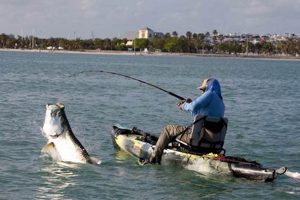
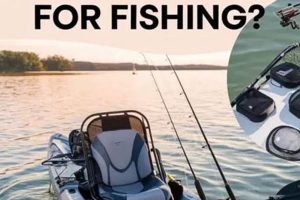
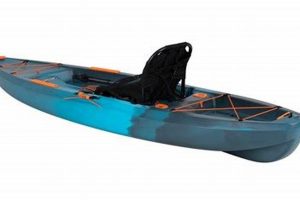
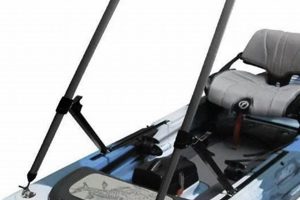
Fishing from small, portable vessels has long been a popular pursuit. The advent of durable and affordable inflatable kayaks has opened this activity to a wider audience. These craft offer a stable platform for angling in various bodies of water, from calm lakes and ponds to slow-moving rivers.
This approach to fishing provides a unique blend of portability, affordability, and access. Unlike traditional hard-shell kayaks, inflatable models can be easily transported and stored, making them ideal for individuals with limited space or those who travel frequently. Their relatively low cost also removes a significant barrier to entry for aspiring anglers. Moreover, inflatable kayaks allow access to shallow or difficult-to-reach areas that larger boats cannot navigate, expanding fishing opportunities.
This exploration will delve into the practical aspects of fishing from an inflatable kayak, including selecting the right model, essential equipment, safety considerations, and effective fishing techniques.
Tips for Fishing from an Inflatable Kayak
Successful angling from an inflatable kayak requires careful planning and execution. The following tips provide guidance for a safe and productive fishing experience.
Tip 1: Choose the Right Kayak: Consider the fishing environment (lakes, rivers, ocean) and select a kayak designed for the intended purpose. Longer kayaks offer better tracking in open water, while shorter, wider models provide superior stability in calmer environments.
Tip 2: Prioritize Stability: Distribute weight evenly within the kayak to maintain balance. Avoid sudden movements or leaning too far to one side, especially when casting or reeling in a fish.
Tip 3: Utilize Essential Equipment: Equip the kayak with appropriate safety gear, including a personal flotation device (PFD), a whistle, and a bilge pump. Rod holders, anchor systems, and dry bags for storing gear are also recommended.
Tip 4: Practice Paddling and Maneuvering: Familiarize oneself with the kayak’s handling characteristics before venturing into fishing areas. Practice paddling, turning, and maintaining position in various water conditions.
Tip 5: Employ Appropriate Fishing Techniques: Adapt fishing techniques to the specific environment and target species. Downsize tackle if necessary to accommodate the limitations of fishing from a kayak.
Tip 6: Respect Wildlife and the Environment: Adhere to local fishing regulations and practice catch-and-release whenever possible. Minimize disturbance to wildlife and avoid leaving any trace of presence behind.
Tip 7: Check Weather Conditions: Before embarking on a fishing trip, consult weather forecasts and avoid venturing out in adverse conditions such as strong winds, lightning storms, or rough waters.
By adhering to these guidelines, anglers can enhance their safety, maximize their fishing success, and contribute to the preservation of natural resources.
These practical tips offer valuable insights into the specifics of fishing from an inflatable kayak. The following section will explore advanced techniques for optimizing fishing performance in this unique environment.
1. Kayak Stability

Kayak stability plays a critical role in determining the feasibility and success of fishing from an inflatable platform. A stable kayak allows anglers to cast, reel, and land fish effectively while minimizing the risk of capsizing. Understanding the factors that influence stability is crucial for a safe and enjoyable fishing experience.
- Center of Gravity
A lower center of gravity contributes significantly to kayak stability. Distributing weight evenly within the kayak, and keeping heavier items closer to the bottom, enhances stability. For example, storing tackle boxes and other gear low in the kayak improves balance compared to placing them on the deck. A stable center of gravity allows for smoother casting and retrieval, reducing the likelihood of sudden shifts or tipping.
- Kayak Width and Hull Design
Wider kayaks generally offer greater initial stability than narrower designs. A wider hull provides a larger base of support, making it less prone to tipping. Inflatable kayaks with a flat bottom or pontoon-style hull design offer increased stability, particularly in calm water conditions. However, wider kayaks may sacrifice maneuverability and tracking performance compared to narrower counterparts.
- Water Conditions
Calm water conditions, such as those found in lakes and ponds, are ideal for inflatable kayak fishing. Rough water, strong currents, and wind can significantly impact stability, even in wider, more stable kayak designs. Anglers should carefully assess water conditions before embarking on a fishing trip and exercise caution in challenging environments. Strong winds can easily destabilize an inflatable kayak, making paddling and fishing difficult and potentially dangerous.
- Angler Movement
Sudden movements, such as shifting weight to one side or standing up abruptly, can compromise kayak stability. Anglers should practice smooth, deliberate movements when casting, reeling, and landing fish. Maintaining a low center of gravity and avoiding leaning too far over the side of the kayak minimizes the risk of capsizing. Quick, jerky motions can create instability, particularly when combined with external factors like wind or waves.
These facets of kayak stability directly impact the practicality and safety of fishing from an inflatable kayak. By understanding and managing these factors, anglers can maximize their stability on the water, improving their fishing experience and ensuring a safe and successful outing.
2. Weight Capacity

Weight capacity is a critical factor influencing the practicality of fishing from an inflatable kayak. This capacity dictates the total weight the kayak can safely support, encompassing the combined weight of the angler, fishing gear, and any potential catch. Exceeding the specified weight capacity can compromise stability, maneuverability, and even lead to capsizing. Therefore, careful consideration of weight capacity is essential for a safe and successful fishing experience.
A kayak’s weight capacity directly affects its performance and safety on the water. For example, a kayak with a lower weight capacity may sit lower in the water when fully loaded, potentially leading to water ingress over the sides or reduced freeboard, increasing the risk of swamping. Conversely, a kayak with ample weight capacity provides a higher degree of buoyancy and stability, allowing for more comfortable and secure fishing, even with heavier gear or larger catches. Consider an angler weighing 175 pounds with 50 pounds of gear. This combined weight of 225 pounds necessitates a kayak with a capacity exceeding this value. A kayak rated for 300 pounds would offer a suitable safety margin.
Understanding and adhering to weight capacity guidelines is paramount for safe and effective inflatable kayak fishing. This awareness ensures optimal performance, stability, and safety on the water. Neglecting weight capacity considerations can lead to hazardous situations and compromise the overall fishing experience. Appropriate weight distribution within the kayak also contributes to stability and performance, further emphasizing the importance of a comprehensive understanding of these principles.
3. Water Conditions
Water conditions significantly influence the feasibility and safety of fishing from an inflatable kayak. These conditions dictate the kayak’s stability, maneuverability, and the angler’s overall fishing experience. Understanding and adapting to varying water conditions is crucial for a successful and safe outing.
- Current
Current strength directly impacts kayak control. Strong currents can make paddling and maintaining position challenging, especially for less experienced kayakers. Slow-moving rivers and calm lakes offer more manageable conditions for inflatable kayaks. Fishing in fast-flowing water requires advanced paddling skills and a kayak designed for such environments. Attempting to fish in swift currents with an unsuitable kayak can lead to loss of control and potentially dangerous situations.
- Wind
Wind presents a significant challenge for inflatable kayaks due to their lightweight nature and higher profile above the waterline. Strong winds can easily push the kayak off course, making paddling and fishing difficult. Crosswinds can be particularly problematic, affecting stability and requiring constant correction. Checking wind forecasts before venturing out is crucial. Light winds or sheltered areas are generally preferable for inflatable kayak fishing. Strong winds can make anchoring challenging and increase the risk of capsizing.
- Waves and Choppy Water
Waves and choppy water conditions significantly impact kayak stability and can increase the risk of capsizing. Inflatable kayaks, while generally stable in calm water, are more susceptible to the effects of waves than hard-shell kayaks. Larger waves can swamp the kayak or cause it to become unstable. Avoiding areas with significant wave action is recommended, especially for less experienced kayakers. Calm lakes, ponds, and slow-moving rivers with minimal wave action are ideal environments for inflatable kayak fishing.
- Visibility
Clear visibility is essential for safe navigation and successful fishing. Fog, rain, or darkness can significantly reduce visibility, making it difficult to spot hazards, navigate effectively, and locate fish. Poor visibility also increases the risk of collisions with other vessels or obstacles. Checking weather forecasts and planning accordingly is essential. Carrying appropriate navigation lights and safety gear is crucial for low-visibility conditions. If visibility deteriorates unexpectedly while on the water, it’s safest to return to shore promptly.
Careful consideration of these water conditions is essential for determining the suitability of fishing from an inflatable kayak in a given environment. Matching the kayak’s capabilities to the prevailing conditions ensures a safe and enjoyable fishing experience. Ignoring these factors can lead to hazardous situations and compromise the overall success of the fishing trip.
4. Fishing Gear

Specialized fishing gear enhances the effectiveness and enjoyment of fishing from an inflatable kayak. The compact nature of these vessels necessitates careful gear selection to maximize space efficiency and maintain stability. Appropriate gear choices directly impact fishing success and overall safety.
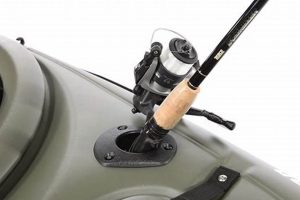
Rod holders, for instance, secure fishing rods, freeing hands for paddling and other tasks. They also prevent rod loss overboard. A well-chosen anchor system keeps the kayak positioned in desired fishing locations, particularly in currents or wind. Drift chutes perform a similar function, slowing the kayak’s drift in moving water. Tackle storage solutions tailored to inflatable kayaks optimize space and keep gear organized and accessible. A fish finder, while not essential, can significantly improve fishing success by locating fish and identifying underwater structures. Appropriate personal flotation devices (PFDs) designed for kayaking provide essential safety and should always be worn.
Consider a scenario involving an angler targeting bass in a shallow lake. A shorter, lighter fishing rod paired with a low-profile baitcasting reel is ideal for casting from a seated position in an inflatable kayak. A compact tackle box containing essential lures and tools minimizes clutter and maximizes space. A small anchor allows the angler to hold position near promising structures. In contrast, an angler pursuing larger offshore species requires heavier tackle, including a longer, sturdier rod and a high-capacity reel. A larger, more stable inflatable kayak with rod holders and ample storage becomes essential for this type of fishing. Understanding these gear considerations ensures a safe and productive fishing experience tailored to the specific target species and fishing environment.
5. Safety Precautions
Safety precautions are paramount when fishing from an inflatable kayak. The inherent characteristics of these vessels, such as their smaller size and lighter weight, necessitate a heightened awareness of potential risks and adherence to specific safety guidelines. Overlooking these precautions can lead to hazardous situations, compromising both the fishing experience and personal safety.
- Personal Flotation Device (PFD)
A PFD is the single most important piece of safety equipment for any kayaker, especially those fishing from inflatable platforms. A PFD provides buoyancy and helps keep the angler afloat in the event of a capsize or accidental immersion. Selecting a properly fitted PFD designed for kayaking is crucial. Inflatable PFDs offer greater comfort and freedom of movement but require regular inspection and maintenance. Wearing a PFD is not merely a recommendation but a critical safety practice that can prevent drowning.
- Weather Awareness
Checking weather forecasts before embarking on a fishing trip is essential. Sudden changes in weather, such as strong winds, thunderstorms, or rapid temperature drops, can create hazardous conditions for inflatable kayakers. Wind poses a particular threat, as it can quickly destabilize a lightweight inflatable kayak. Monitoring weather conditions throughout the fishing trip allows for timely adjustments or a safe return to shore if necessary. Ignoring weather warnings can lead to dangerous situations and jeopardize safety.
- Communication Devices
Carrying a reliable communication device, such as a waterproof cell phone or a VHF radio, enables communication in case of emergencies or unexpected situations. Informing someone onshore of the planned fishing location and estimated return time is also a crucial safety measure. A communication device allows anglers to call for assistance if needed, especially in remote areas or during adverse weather conditions. The ability to communicate effectively can be lifesaving in emergency situations.
- Navigation and Visibility
Carrying a compass, GPS device, or chart, and understanding basic navigation principles, is essential for safe kayaking, particularly in unfamiliar waters or during low-visibility conditions. Navigation lights are required for kayaking after sunset or in fog. These lights enhance visibility and help prevent collisions with other vessels. Maintaining awareness of one’s location and surroundings contributes significantly to overall safety.
These safety precautions are integral to responsible and safe inflatable kayak fishing. Adhering to these guidelines minimizes risks, enhances the fishing experience, and ensures a safe return. Prioritizing safety allows anglers to focus on enjoying the sport while mitigating potential hazards associated with this unique fishing platform.
6. Legal Regulations
Legal regulations govern the use of inflatable kayaks for fishing, impacting where and how this activity can be pursued. These regulations vary by jurisdiction and often mirror those applying to traditional kayaks or other small vessels. Understanding and complying with these regulations is crucial for responsible angling and avoiding legal repercussions. Regulations commonly address licensing requirements, permitted fishing locations, allowable fishing methods, and catch limits. For example, some areas may require specific permits or licenses for fishing from any vessel, including inflatable kayaks. Other regulations may restrict access to certain bodies of water for conservation or safety reasons, prohibiting the use of kayaks altogether.
Specific regulations often pertain to fishing gear and methods. Restrictions may apply to the type of fishing gear permitted, such as limitations on net size or the use of live bait. Catch limits and size restrictions are frequently implemented to manage fish populations sustainably. For instance, regulations might stipulate a maximum daily catch limit for a particular species or prohibit the harvesting of fish below a certain size. Ignorance of these regulations is not a valid defense; anglers are responsible for understanding and adhering to all applicable rules within their fishing area. Failing to comply with these regulations can result in fines, confiscation of equipment, or even suspension of fishing privileges.
Adhering to legal regulations associated with inflatable kayak fishing demonstrates responsible angling practices and contributes to the conservation of aquatic ecosystems. Consulting local authorities or relevant governing bodies provides access to specific regulations within a given jurisdiction. This proactive approach ensures compliance, promotes sustainable fishing practices, and avoids potential legal consequences. Understanding these regulations forms an integral part of the responsible and ethical use of inflatable kayaks for fishing.
Frequently Asked Questions
This section addresses common inquiries regarding the use of inflatable kayaks for fishing.
Question 1: Are inflatable kayaks stable enough for fishing?
Stability depends on kayak design, weight distribution, and water conditions. Wider kayaks with a lower center of gravity offer increased stability. Calm water conditions are generally preferable for optimal stability.
Question 2: What is the weight capacity of a typical inflatable fishing kayak?
Weight capacity varies significantly among models. Anglers must consider the combined weight of the angler, gear, and potential catch. Exceeding the specified weight capacity compromises stability and safety.
Question 3: Can inflatable kayaks be used in any body of water for fishing?
Suitability depends on water conditions. Calm lakes, ponds, and slow-moving rivers are generally ideal. Strong currents, significant wave action, or high winds pose challenges for inflatable kayaks. Always consider weather conditions and water conditions before embarking.
Question 4: What essential gear is needed for inflatable kayak fishing?
Essential gear includes a PFD, paddle, appropriate fishing tackle, rod holders, anchor system, and safety equipment like a whistle and bilge pump. Additional accessories such as a fish finder or dry bags enhance the experience.
Question 5: Are there specific regulations for fishing from inflatable kayaks?
Regulations vary by jurisdiction. Anglers must consult local authorities regarding licensing requirements, permitted fishing areas, allowable gear, and catch limits. Adhering to regulations ensures responsible and legal fishing practices.
Question 6: How durable are inflatable kayaks for fishing?
Durability depends on construction materials and usage. High-quality inflatable kayaks constructed from durable materials like PVC or Hypalon offer reasonable resistance to punctures and abrasion. Proper care and maintenance prolong the lifespan of the kayak.
Careful consideration of these frequently asked questions contributes to a safer and more informed approach to inflatable kayak fishing. Understanding these aspects ensures a more enjoyable and productive experience on the water.
The following section will offer concluding remarks on the overall topic of inflatable kayak fishing.
Conclusion
The feasibility of fishing from an inflatable kayak hinges upon careful consideration of several factors. Kayak stability, influenced by design and water conditions, dictates the practicality of casting and reeling. Weight capacity limitations necessitate careful gear selection and adherence to manufacturer guidelines. Water conditions, including current, wind, and wave action, significantly impact safety and fishing effectiveness. Specialized fishing gear enhances the experience, while adherence to safety precautions, including the use of PFDs and communication devices, remains paramount. Compliance with local fishing regulations ensures responsible and legal angling practices.
Inflatable kayaks offer a unique and accessible pathway to angling. Informed decision-making regarding kayak selection, gear choices, and adherence to safety protocols ensures a rewarding and secure fishing experience. Respect for environmental regulations and responsible angling practices contribute to the preservation of aquatic ecosystems, enabling continued enjoyment of this evolving approach to fishing.