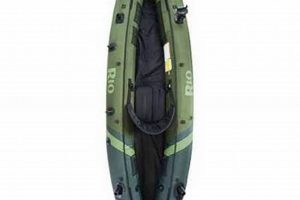
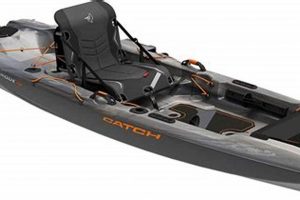
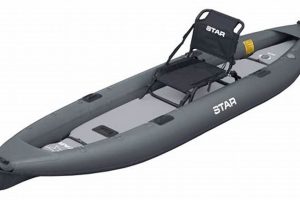
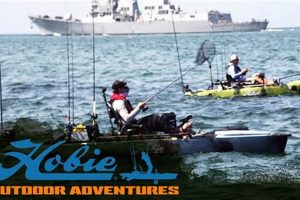
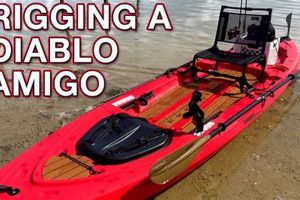
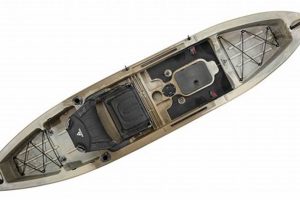
This specific model of watercraft is designed for angling activities. It combines a stable platform with features tailored to the needs of anglers, such as rod holders, storage compartments, and often, specialized seating. The numerical designation typically refers to the length of the vessel, suggesting a substantial size suitable for larger bodies of water and potentially longer expeditions.
A vessel of this type offers significant advantages for fishing enthusiasts. Its stability and specialized design contribute to a more comfortable and efficient fishing experience, allowing anglers to focus on their technique and strategy. The length suggests increased storage capacity for gear and supplies, potentially enabling longer trips or the ability to carry more specialized equipment. The development of such specialized kayaks reflects a growing recognition of the unique needs of kayak anglers and the desire for watercraft optimized for this activity.
Further exploration of specific features, performance characteristics, and user experiences will provide a deeper understanding of this model’s place within the broader context of recreational fishing kayaks.
Tips for Kayak Fishing
Effective angling from a kayak requires preparation and adherence to specific techniques. These tips offer guidance for enhancing fishing success and overall safety.
Tip 1: Balance and Stability: Maintain a low center of gravity. Distribute weight evenly within the vessel. Avoid sudden movements that could compromise stability.
Tip 2: Paddle and Rod Management: Practice efficient paddling techniques to conserve energy and maintain control. Secure rods when not in use to prevent loss or entanglement.
Tip 3: Anchor and Drift Control: Utilize appropriate anchoring systems to maintain position in desired fishing areas. Master drift control techniques to cover water effectively.
Tip 4: Safety Equipment: Always wear a personal flotation device. Carry essential safety gear, including a whistle, signaling device, and first-aid kit.
Tip 5: Weather Awareness: Check weather forecasts before embarking on any fishing trip. Be prepared for changing conditions and understand potential hazards.
Tip 6: Respectful Angling Practices: Adhere to local fishing regulations and practice catch-and-release whenever appropriate. Minimize environmental impact by properly disposing of waste.
Tip 7: Pre-Trip Planning: Research potential fishing locations and identify target species. Pack necessary gear and supplies in advance to ensure a smooth and productive outing.
By following these guidelines, anglers can maximize their success and enjoyment while prioritizing safety and responsible practices on the water.
These preparatory steps and on-the-water techniques contribute significantly to a safe and successful kayak fishing experience. Further discussion will focus on specific gear recommendations and advanced angling strategies.
1. Hull Design
Hull design significantly influences a fishing kayak’s performance, impacting stability, maneuverability, and tracking. Understanding the nuances of hull design is crucial for selecting a kayak suited to specific fishing environments and angler preferences. This discussion explores key facets of hull design related to the Recon 120 fishing kayak.
- Stability
Hull shape directly affects stability. Wider, flatter hulls provide greater primary stability, resisting initial tipping. The Recon 120, with its presumed wider hull design (given its intended purpose), likely prioritizes primary stability for a secure fishing platform, essential for casting, reeling, and landing fish.
- Maneuverability
Shorter, rounded hulls generally offer enhanced maneuverability, allowing for quick turns and navigation in tight spaces. Longer hulls tend to track straighter but sacrifice turning agility. The Recon 120’s length, indicated by the “120” designation, suggests a balance between maneuverability and tracking, possibly favoring straight-line paddling with moderate turning capability.
- Tracking
The ability of a kayak to maintain a straight course is known as tracking. Longer, narrower hulls with pronounced keels typically exhibit better tracking performance. While the Recon 120’s length may contribute to reasonable tracking, its focus on fishing likely incorporates design features that prioritize stability over exceptional tracking, allowing for some compromise to accommodate fishing activities.
- Speed
Hull shape impacts speed potential. Longer, narrower hulls with less surface area in contact with the water generally achieve higher speeds. While the Recon 120 likely does not prioritize speed over stability and fishing functionality, its length may contribute to a reasonable cruising speed, suitable for covering moderate distances on the water.
The interplay of these hull design facets determines the Recon 120’s overall performance characteristics. Its design likely favors stability and moderate maneuverability, creating a balanced platform suitable for a variety of fishing environments while accommodating the specific needs of anglers.
2. Stability

Stability represents a critical performance attribute for fishing kayaks, directly influencing angler safety, comfort, and fishing effectiveness. The connection between stability and the Recon 120 fishing kayak warrants careful examination, considering its intended purpose. A stable platform allows anglers to focus on fishing techniques, casting, reeling, and landing fish without the constant worry of capsizing. This is particularly important in dynamic fishing environments where unexpected movements or external forces, such as wind or waves, may challenge balance. The Recon 120, designed specifically for fishing, likely prioritizes stability through its hull design and features.
Consider a scenario where an angler hooks a large fish. The fight can involve sudden movements and shifts in weight distribution within the kayak. A stable platform, such as that presumably offered by the Recon 120, allows the angler to manage the struggle effectively, minimizing the risk of capsize. Similarly, when standing to cast or retrieve a lure, a stable kayak provides a secure base, enabling improved casting accuracy and control. Practical examples highlight the crucial role stability plays in enhancing the overall fishing experience and ensuring angler safety. Compromised stability can lead to frustrating disruptions, lost catches, and potentially dangerous situations. The Recon 120’s presumed emphasis on stability contributes significantly to its suitability for angling activities.
In summary, stability forms a cornerstone of effective kayak fishing, directly influencing angler confidence, safety, and fishing success. The Recon 120’s focus on stability enhances its practicality as a fishing platform, allowing anglers to navigate various fishing conditions and engage with the sport more effectively. Understanding the importance of stability within the context of kayak fishing underscores the thoughtful design considerations incorporated into specialized fishing kayaks like the Recon 120.
3. Storage Capacity

Storage capacity represents a critical factor in fishing kayak selection, directly impacting an angler’s ability to carry essential gear, supplies, and potential catches. For the Recon 120 fishing kayak, understanding storage options and their implications is crucial for evaluating its suitability for various fishing expeditions. Sufficient storage allows anglers to carry tackle boxes, rods, safety equipment, food, water, and other necessities comfortably and securely. This discussion explores facets of storage capacity pertinent to the Recon 120.
- Tankwell Storage
Rear tankwells, common in fishing kayaks, provide open storage areas for larger items like tackle crates or coolers. A spacious tankwell, secured with bungee cords, allows anglers to transport bulky gear without hindering paddling or fishing activities. In the context of the Recon 120, a substantial tankwell could prove invaluable for longer trips or when targeting larger fish species requiring specialized equipment.
- Hatch Storage
Sealed hatches offer protected storage for sensitive items like electronics, phones, or wallets, safeguarding them from water damage. Multiple hatches strategically positioned throughout the kayak enhance accessibility and organization. The Recon 120 likely incorporates hatch storage to provide secure compartments for valuable gear, contributing to peace of mind during fishing excursions.
- Side Storage
Side storage compartments, often located near the angler’s seat, provide convenient access to frequently used items like pliers, lures, or line cutters. These readily accessible compartments streamline fishing processes, eliminating the need to reach into larger storage areas, minimizing disruption and maximizing fishing time. The Recon 120 may include side storage to enhance angler efficiency on the water.
- Rod Holders
Dedicated rod holders, integrated into the kayak’s design, secure fishing rods when not in use, preventing loss or entanglement. Flush-mounted or adjustable rod holders accommodate different fishing styles and rod lengths. The Recon 120, as a fishing-specific kayak, likely features multiple rod holders strategically placed for easy access and secure rod storage during paddling or while fighting a fish.
The Recon 120’s storage capacity directly influences its practicality and suitability for diverse fishing scenarios. Adequate and well-designed storage solutions enhance angler organization, efficiency, and overall fishing experience. Consideration of these storage features contributes to a comprehensive evaluation of the Recon 120’s capabilities and its fit within the broader landscape of fishing kayaks.
4. Weight Capacity

Weight capacity represents a critical specification for kayaks, particularly those designed for fishing, dictating the safe and effective operational limits of the vessel. Understanding the weight capacity of the Recon 120 fishing kayak is essential for ensuring user safety and optimal performance. Exceeding the specified weight limit can compromise stability, maneuverability, and even lead to structural damage or capsizing. This discussion explores the multifaceted implications of weight capacity concerning the Recon 120.
- Angler Weight
The angler’s body weight constitutes a significant portion of the total load. Individuals considering the Recon 120 must ensure their weight falls within the manufacturer’s specified limits. A heavier angler might require a kayak with a higher weight capacity to maintain stability and performance.
- Gear and Equipment
Fishing gear, including rods, reels, tackle boxes, and other accessories, contributes significantly to the overall weight. The Recon 120’s weight capacity should accommodate not only the angler but also all essential fishing equipment. Heavier gear necessitates a kayak with a greater weight-bearing capacity.
- Catches and Supplies
The weight of landed fish and additional supplies, such as food, water, and safety equipment, must factor into the overall weight calculation. The Recon 120’s capacity should allow for the anticipated weight of potential catches without compromising stability or performance. Larger target species might necessitate a kayak with a higher weight limit.
- Performance Implications
Exceeding the weight capacity can negatively impact performance. A kayak loaded beyond its limits will sit lower in the water, increasing drag and reducing maneuverability. Stability can also be compromised, increasing the risk of capsizing. Adhering to the Recon 120’s specified weight capacity is crucial for maintaining optimal performance and ensuring a safe fishing experience.
Careful consideration of these weight-related factors is essential for safe and effective operation of the Recon 120 fishing kayak. Matching the kayak’s weight capacity to the anticipated total load, including angler weight, gear, potential catches, and supplies, ensures optimal performance, stability, and safety on the water. Ignoring weight limitations can lead to compromised performance, instability, and potentially dangerous situations.
5. Material Construction
Material construction significantly influences a fishing kayak’s performance, durability, and overall cost. Understanding the materials used in the Recon 120 fishing kayak provides insights into its robustness, longevity, and suitability for various fishing environments. Material selection impacts weight, resistance to impact and abrasion, and resilience against UV degradation. These factors contribute significantly to the kayak’s long-term performance and value.
Common kayak construction materials include high-density polyethylene (HDPE), rotomolded polyethylene, and composites like fiberglass or carbon fiber. HDPE offers excellent impact resistance and UV protection, making it a durable and cost-effective choice. Rotomolded polyethylene provides enhanced structural integrity and uniform wall thickness, further increasing durability. Composites offer superior strength-to-weight ratios, resulting in lighter and potentially faster kayaks, but often at a higher cost. The specific material employed in the Recon 120’s construction will dictate its weight, durability, and price point. For instance, an HDPE Recon 120 would likely be more affordable and impact-resistant, suitable for rocky environments, whereas a composite Recon 120 might be lighter and faster, potentially preferable for longer paddling distances. Understanding these material characteristics enables informed decisions based on individual needs and intended usage.
The Recon 120’s material composition directly impacts its long-term performance and maintenance requirements. HDPE and rotomolded polyethylene generally require minimal maintenance, while composites might necessitate more specialized care. Considering the material’s resistance to UV degradation, impact, and abrasion helps determine the kayak’s expected lifespan and its ability to withstand the rigors of various fishing environments. This understanding allows prospective buyers to assess the long-term value and suitability of the Recon 120 for their specific fishing needs and preferences.
6. Fishing Features

Specialized features distinguish fishing kayaks from recreational models, enhancing angler efficiency, comfort, and overall success. These features cater specifically to the demands of angling, providing dedicated solutions for rod management, tackle storage, and fish handling. An examination of key fishing features within the context of the Recon 120 fishing kayak reveals its design focus and suitability for targeted angling activities. These integrated features contribute significantly to the kayak’s overall functionality and value for fishing enthusiasts.
- Rod Holders
Dedicated rod holders secure rods during paddling, allowing anglers to troll or position multiple lines. Different rod holder types, such as flush-mounted, adjustable, or rotating models, cater to various fishing techniques and rod lengths. The Recon 120 likely incorporates multiple rod holders strategically placed for easy access and secure rod storage, minimizing interference during paddling and maximizing fishing efficiency. Securely held rods prevent loss or damage during transit and allow for quick deployment when fish are spotted.
- Tackle Storage
Integrated tackle storage solutions, including compartments, trays, and storage hatches, keep essential gear organized and readily accessible. Specialized compartments for lures, hooks, and other small items maintain order and prevent tangling. The Recon 120 likely provides ample tackle storage options, facilitating quick lure changes and efficient tackle management. This readily available gear streamlines fishing processes, allowing anglers to focus on fishing rather than searching for equipment. Examples include dedicated compartments for specific lure types or removable tackle trays for customized organization.
- Fish Finders and Electronics Mounts
Mounting options for fish finders and other electronic devices enhance fishing success by providing real-time information about water depth, fish location, and bottom structure. Integrated transducer mounts and wiring channels facilitate clean installations and protect electronics from damage. The Recon 120 may incorporate dedicated mounting points and wiring solutions, simplifying the integration of fish finders and other electronic aids. These tools enhance fishing efficiency and success by providing critical underwater insights, allowing anglers to target specific areas and depths. A well-integrated electronics system optimizes the fishing experience, allowing anglers to leverage technology for improved results.
- Paddle Parks and Leashes
Paddle parks or leashes secure the paddle when not in use, preventing loss and freeing the angler’s hands for fishing activities. Secure paddle storage minimizes distractions and prevents interference during casting or reeling. The Recon 120 likely incorporates paddle parks or leash attachment points, promoting a clutter-free fishing environment and enhancing angler focus. This feature streamlines transitions between paddling and fishing, improving overall efficiency and safety on the water.
These specialized fishing features, integrated into the Recon 120’s design, contribute significantly to its suitability for targeted angling. The thoughtful inclusion of rod holders, tackle storage, electronics mounts, and paddle management solutions distinguishes the Recon 120 as a purpose-built fishing kayak, optimizing angler efficiency, comfort, and overall fishing success. These features underscore the Recon 120’s value proposition for anglers seeking a dedicated fishing platform equipped for a diverse range of fishing styles and environments.
7. Target User
Defining the target user for the Recon 120 fishing kayak is crucial for understanding its design choices, features, and overall marketing strategy. This analysis explores the likely target demographic and how their needs and preferences influence the kayak’s development and positioning within the market. A clear understanding of the target user informs design decisions related to stability, maneuverability, storage capacity, and specialized fishing features. It also impacts marketing efforts, ensuring that messaging resonates with the intended audience.
The Recon 120, given its name and specialized features, likely targets anglers seeking a stable and efficient fishing platform. This could include both novice and experienced anglers who prioritize stability, storage, and fishing-specific features over speed or long-distance paddling. A beginner angler might value the stability and ease of use, while a seasoned angler could appreciate the specialized features and ample storage for extended fishing trips. For example, a novice angler might prioritize stability for comfortable casting and reeling, while an experienced angler might value the integrated rod holders and tackle storage for efficient gear management. A kayak designed for a broader user base might sacrifice specialized features for versatility, while a kayak specifically targeting experienced anglers might prioritize performance and advanced features over stability or ease of use. The Recon 120’s design likely represents a balance between these extremes, catering to a core group of anglers who value stability and fishing-specific functionality.
Understanding the target user for the Recon 120 provides valuable insights into its design philosophy and intended application. This knowledge enables potential buyers to assess its suitability for their individual needs and experience levels. It also informs marketing and sales strategies, ensuring effective communication with the intended audience. Accurately identifying the target user is crucial for product success, enabling manufacturers to design and market products that resonate with the specific needs and preferences of their intended customers. The Recon 120’s design and features reflect a deliberate focus on a specific segment of the angling community, enhancing its appeal and relevance within that market.
Frequently Asked Questions
This section addresses common inquiries regarding the Recon 120 fishing kayak, providing concise and informative responses to facilitate informed purchasing decisions and enhance user understanding.
Question 1: What is the maximum weight capacity of the Recon 120?
The maximum weight capacity varies depending on the specific model year and manufacturer specifications. Consulting official product documentation is recommended for precise figures. Weight capacity considerations should include the combined weight of the angler, gear, and any potential catches.
Question 2: What materials are used in the construction of the Recon 120?
Construction materials may vary depending on the model year. Common materials include high-density polyethylene (HDPE) or rotomolded polyethylene, chosen for their durability and impact resistance. Specific material information can be found in the product specifications.
Question 3: What type of rod holders are included with the Recon 120?
The Recon 120 typically features multiple rod holders, often a combination of flush-mounted and adjustable or rotating models. Precise rod holder configurations can be confirmed through product specifications or visual inspection.
Question 4: What are the storage options available on the Recon 120?
Storage options typically include a rear tankwell for larger items, sealed hatches for protected storage, and potentially side compartments for quick access to frequently used gear. Specific storage configurations may vary based on the model year.
Question 5: Is the Recon 120 suitable for use in saltwater environments?
While generally suitable for saltwater, proper rinsing and maintenance are crucial after saltwater exposure to prevent corrosion or damage. Specific recommendations for saltwater use can be found in the owner’s manual.
Question 6: What is the warranty period for the Recon 120?
Warranty periods vary depending on the manufacturer and specific model. Consulting the official warranty information provided with the product is recommended for accurate details.
Understanding these key aspects of the Recon 120 fishing kayak facilitates informed purchasing decisions and contributes to a more satisfying ownership experience. Thorough research and consideration of individual needs are essential for selecting the appropriate kayak for specific fishing applications and preferences.
Further exploration of user reviews and expert opinions will provide a deeper understanding of real-world performance and long-term ownership experiences.
Conclusion
Analysis of the Recon 120 fishing kayak reveals a design prioritizing stability, specialized fishing features, and ample storage capacity. Its intended use caters to anglers seeking a dedicated fishing platform suitable for various environments and fishing styles. Examination of hull design, material construction, weight capacity, and integrated features underscores its purpose-built nature, distinguishing it from recreational kayak models. Understanding these key aspects informs purchasing decisions and facilitates a more comprehensive appreciation of its capabilities and limitations within the broader context of fishing kayaks.
Careful consideration of individual needs, fishing styles, and target environments remains crucial for selecting the appropriate kayak. The Recon 120 presents a compelling option for anglers seeking a stable, feature-rich platform designed specifically for enhanced fishing experiences. Continued exploration of user reviews and expert opinions provides further insights for informed decision-making within the dynamic landscape of fishing kayak options.