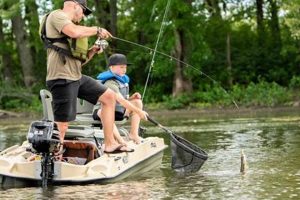
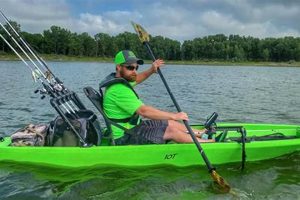
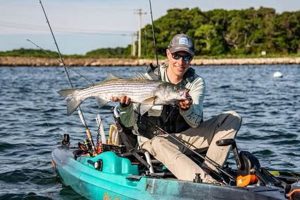
Paddling through Fish Creek offers a unique opportunity to experience the natural beauty of the waterway. This activity involves navigating the creek using a kayak, a small, narrow watercraft propelled by a double-bladed paddle. Depending on the specific section of the creek, the experience can range from a leisurely float to a more challenging paddle through faster currents. The diverse environment along the creek provides ample opportunities for wildlife viewing and photography.
Experiences on this waterway contribute significantly to local tourism and recreation. Access to calm waters provides an entry point for novice paddlers, while more advanced kayakers can find challenge in specific sections. Historically, waterways like Fish Creek played a vital role in transportation and commerce. Today, their value lies in their ability to connect people with nature, fostering an appreciation for ecological preservation and promoting physical activity. These experiences offer benefits for both physical and mental wellbeing.
Further exploration of this topic will cover essential information for planning a trip, including access points, safety guidelines, and recommended equipment. Additional details on the local ecosystem and its unique characteristics will also be provided.
Tips for a Successful Paddle
Proper planning and preparation contribute significantly to a safe and enjoyable experience on the water. The following tips offer guidance for planning an excursion.
Tip 1: Check Water Conditions: Before heading out, consult local resources for up-to-date information on water levels, currents, and weather forecasts. Unexpected changes in conditions can impact safety and enjoyment.
Tip 2: Choose Appropriate Gear: Select a kayak suitable for the intended activity and skill level. Ensure proper safety equipment, such as a personal flotation device (PFD), is available and worn correctly. Consider a dry bag for essential items like phones and keys.
Tip 3: Plan Your Route: Research access points, potential hazards, and points of interest along the chosen route. Inform someone of the planned itinerary and expected return time.
Tip 4: Dress Appropriately: Wear clothing suitable for the weather conditions and water temperature. Quick-drying fabrics and layers are recommended. Avoid cotton, which can become heavy and cold when wet.
Tip 5: Pack Essentials: Bring plenty of water and snacks to stay hydrated and energized. Sunscreen, insect repellent, and a first-aid kit are also recommended.
Tip 6: Respect Wildlife: Observe wildlife from a distance and avoid disturbing their natural habitat. Refrain from feeding animals and properly dispose of any trash.
Tip 7: Practice Leave No Trace Principles: Pack out everything brought in, stay on marked trails, and minimize impact on the surrounding environment.
Adhering to these guidelines promotes a safe and rewarding experience while contributing to the preservation of the natural environment. A well-planned outing ensures enjoyment and minimizes potential risks.
This information equips individuals with the knowledge necessary for a successful outing. One final aspect to consider is the importance of post-trip care and maintenance of equipment.

Successful navigation is fundamental to a safe and enjoyable kayaking experience on Fish Creek. Understanding the dynamics of the creek environment allows paddlers to anticipate challenges, make informed decisions, and fully appreciate the surrounding natural beauty. This involves considering several key factors.
- Currents and Water Flow:
Currents can vary significantly along Fish Creek, ranging from gentle drifts to swifter flows. Recognizing these variations and adjusting paddling technique accordingly is crucial. Upstream sections may require more effort, while downstream travel necessitates careful maneuvering around obstacles. Familiarity with local river dynamics enhances safety and reduces the risk of capsizing.
- Obstacles and Hazards:
Natural obstacles such as fallen trees, rocks, and shallow areas present navigational challenges. Strainers, formed by submerged objects that allow water to pass through but trap larger items, pose significant risks. Identifying and avoiding these hazards is essential for a safe passage. Prior knowledge of potential obstructions gained through research or local guides significantly improves safety.
- Reading the Water:
Observing visual cues on the water’s surface provides insights into the creek’s dynamics. Ripples, eddies, and changes in water color can indicate changes in depth, current speed, and potential hazards. Developing the ability to interpret these cues enhances navigation skills and allows for proactive adjustments in paddling technique. For example, recognizing an eddy can provide an opportunity for rest or a change in direction.
- Mapping and Route Planning:
Prior to embarking on a kayaking trip, careful route planning is essential. Utilizing maps, charts, and local resources helps paddlers identify access points, suitable routes, and potential hazards. Establishing clear navigation points and understanding the creek’s layout contributes to a more efficient and enjoyable experience. This pre-trip preparation minimizes unexpected challenges and allows for better time management on the water.
Proficiency in these aspects of creek navigation contributes significantly to a successful and rewarding kayaking experience on Fish Creek. Combined with proper kayaking technique and safety practices, effective navigation allows paddlers to fully appreciate the creek’s beauty and navigate its challenges safely and confidently.
2. Kayak Selection
Appropriate kayak selection directly impacts the safety and enjoyment of the Fish Creek kayaking experience. Creek characteristics, such as water flow and potential obstacles, necessitate specific hull designs and kayak types for optimal performance and maneuverability. Choosing the wrong kayak can lead to instability, difficulty navigating currents, and increased risk of capsizing. For example, a short, recreational kayak designed for calm lakes may be unsuitable for navigating Fish Creek’s currents or maneuvering around downed trees, whereas a longer, more streamlined touring kayak offers better tracking and stability in moving water. Similarly, inflatable kayaks, while convenient for transport, may be less durable and more susceptible to punctures from submerged branches or rocks prevalent in the creek environment. A sit-on-top kayak offers advantages in warmer conditions, allowing for easy re-entry after a capsize, while a sit-inside kayak provides better protection from colder water and wind. Careful consideration of these factors contributes significantly to a successful outing.
Several kayak types offer advantages for different paddling styles and skill levels within the Fish Creek environment. Recreational kayaks provide stability and ease of use for beginners paddling in calmer sections. Touring kayaks offer greater efficiency and tracking for longer trips and navigating currents. Whitewater kayaks, designed for rapids and challenging conditions, are generally not necessary for typical Fish Creek paddling. Inflatable kayaks offer portability and convenience, suitable for shorter trips and calmer water. Understanding these distinctions allows paddlers to choose the most suitable craft for their intended activity and skill level. This selection process contributes to increased comfort, enhanced performance, and a safer experience overall.
Matching kayak selection to Fish Creek’s specific conditions and individual paddling goals is paramount for a safe and rewarding experience. Considering factors like creek dynamics, intended trip length, and individual skill level ensures optimal performance, stability, and enjoyment on the water. Failure to select an appropriate kayak can lead to difficulties in navigation, increased risk of accidents, and a diminished appreciation of the Fish Creek environment. A thoughtful approach to kayak selection enhances safety, improves paddling efficiency, and contributes to a more fulfilling experience on the water.
3. Safety Procedures

Prioritizing safety procedures is paramount for mitigating risks inherent in fish creek kayaking. The dynamic creek environment presents potential hazards, necessitating proactive measures to ensure a secure and enjoyable experience. Adherence to established safety protocols significantly reduces the likelihood of accidents and promotes responsible enjoyment of the waterway.
- Personal Flotation Devices (PFDs):
Consistent PFD use is non-negotiable. A properly fitted and Coast Guard-approved PFD provides essential buoyancy in the event of capsizing or accidental immersion. Even strong swimmers can become incapacitated due to cold water shock or unexpected currents. PFDs provide crucial flotation, increasing survival chances significantly. Selecting a PFD appropriate for kayaking, rather than other water activities, ensures optimal fit and freedom of movement while paddling.
- Pre-Trip Planning and Communication:
Thorough pre-trip planning minimizes potential risks. Checking weather forecasts, water conditions, and potential hazards along the route allows for informed decision-making. Sharing the planned itinerary, including put-in and take-out locations, with a reliable contact ensures someone is aware of the trip details and can initiate assistance if needed. This communication is critical in case of unexpected delays or emergencies.
- Awareness of Creek Conditions:
Understanding the dynamics of Fish Creek is crucial for safe navigation. Currents, water levels, and potential obstacles like downed trees or strainers require careful attention. Consulting local resources or experienced paddlers provides valuable insights into creek-specific hazards and safe paddling practices. This awareness empowers paddlers to make informed decisions and navigate challenges effectively.
- Essential Safety Gear:
Carrying essential safety gear beyond a PFD enhances preparedness for unforeseen circumstances. A whistle allows for signaling in case of distress, while a first-aid kit provides resources for addressing minor injuries. A bilge pump or bailer helps manage water accumulation in the kayak. A throw rope can assist in rescuing a capsized paddler. These items contribute to a comprehensive safety strategy.
Integrating these safety procedures into every fish creek kayaking trip establishes a foundation for responsible enjoyment. These proactive measures mitigate risks, enhance paddler confidence, and promote a culture of safety on the waterway. Consistent application of these principles contributes to a positive experience for all participants and fosters respect for the creek environment.
4. Wildlife Viewing
Fish creek kayaking provides exceptional opportunities for wildlife observation due to the quiet, non-intrusive nature of the activity. Kayaks allow access to shallow water areas and secluded stretches of the creek often inaccessible by larger motorized vessels, maximizing potential encounters with diverse species. The slow pace of paddling enables close-range observation without disturbing natural behaviors. This intimate interaction with the ecosystem fosters a deeper appreciation for the creek’s ecological significance. For instance, paddling silently along the creek’s edge might reveal a great blue heron patiently stalking fish or a family of otters playfully navigating the currents. Observing such behaviors within their natural habitat provides a unique perspective unavailable through other means of observation.
The type of wildlife encountered varies depending on the specific ecosystem within Fish Creek. Riparian zones often support diverse birdlife, including kingfishers, herons, and various waterfowl. Quiet backwaters may reveal turtles basking on logs or frogs camouflaged among the reeds. Mammal sightings could include deer drinking at the water’s edge, beavers actively maintaining their dams, or even the occasional glimpse of a mink or otter. Understanding the habitat preferences of different species enhances the likelihood of observation and provides a richer context for understanding the interconnectedness of the creek’s ecosystem. Carrying a field guide or utilizing a wildlife identification app can enhance the observational experience and provide additional learning opportunities.
Responsible wildlife viewing practices are crucial for minimizing disturbance and preserving the integrity of the creek’s ecosystem. Maintaining a respectful distance, refraining from sudden movements or loud noises, and avoiding any attempt to feed or interact directly with animals ensures natural behaviors remain unaltered. It is essential to remember that the creek is the wildlife’s home, and human presence should be as unobtrusive as possible. Adhering to these principles ensures the continued thriving of the creek’s wildlife populations and preserves the opportunity for future generations to enjoy similar viewing experiences. Furthermore, responsible observation contributes to scientific understanding and supports conservation efforts by providing valuable data on species distribution and behavior.
5. Environmental Awareness

Environmental awareness forms an integral component of responsible fish creek kayaking. The creek environment, a complex interplay of aquatic and terrestrial ecosystems, exhibits vulnerability to human impact. Kayaking, while a low-impact activity, presents potential for disruption if not practiced with ecological sensitivity. Understanding the potential consequences of careless actionssuch as disturbing nesting sites, polluting the waterway with trash or sunscreen chemicals, or introducing invasive species through contaminated equipmentunderscores the importance of informed participation. For example, discarded fishing line can entangle wildlife, while excessive noise from human activity can disrupt bird nesting behaviors and stress aquatic life. Erosion along the creek bank can be exacerbated by kayaks repeatedly landing in the same area, highlighting the importance of designated launch and landing sites.
Practical applications of environmental awareness within fish creek kayaking include adhering to Leave No Trace principles. Packing out all trash, minimizing disturbance to vegetation and wildlife, and respecting private property adjacent to the creek demonstrate a commitment to preserving the natural environment. Proper disposal of human waste, avoiding the use of harmful chemicals, and cleaning kayaks thoroughly after each use to prevent the spread of invasive species represent further steps towards responsible kayaking. Supporting local conservation efforts through volunteering or donations contributes to long-term ecological health and sustains the creek’s viability for future recreational use. Educational initiatives, such as interpretive signage along the creek or participation in guided eco-tours, can further enhance paddlers’ understanding of the local ecosystem and promote responsible practices.
Ultimately, environmental awareness elevates fish creek kayaking from a recreational activity to a participatory experience within a delicate natural system. Recognizing the interconnectedness of human actions and ecological health fosters a sense of stewardship. This understanding promotes sustainable practices and ensures the long-term preservation of the creek’s natural beauty and biodiversity. Challenges remain, including balancing recreational access with ecological protection and addressing the cumulative impacts of human activity on the creek environment. Continued education, responsible kayaking practices, and ongoing conservation efforts are essential for mitigating these challenges and ensuring the future health of Fish Creek.
6. Physical Activity

Fish creek kayaking presents a unique opportunity for engaging in moderate-intensity physical activity within a natural setting. The act of paddling engages multiple muscle groups, primarily in the upper body and core, contributing to improved strength, endurance, and cardiovascular health. The resistance provided by the water, coupled with the dynamic movements required for maneuvering the kayak, provides a low-impact workout suitable for a range of fitness levels. Unlike activities that place stress on joints, kayaking offers a gentler alternative while still promoting calorie expenditure and cardiovascular fitness. The intensity of the physical activity can be adjusted based on factors such as paddling speed, water currents, and wind conditions, allowing individuals to tailor the experience to their fitness goals. For example, paddling against a current increases resistance and intensifies the workout, while leisurely paddling in calm water offers a more relaxed experience.
The physical demands of fish creek kayaking extend beyond simple paddling. Maneuvering around obstacles, adjusting to changing water conditions, and maintaining balance engage stabilizing muscles and enhance coordination. Launching and landing the kayak, often involving carrying the vessel over uneven terrain, further contributes to the overall physical exertion. These combined actions promote functional fitness, enhancing strength and flexibility applicable to everyday activities. Moreover, the immersion in nature and the focus required for navigation can provide mental benefits, reducing stress and improving overall well-being. Studies have shown a correlation between outdoor physical activity and improved mood and cognitive function. The combination of physical exertion and exposure to natural surroundings contributes to a holistic approach to wellness, differentiating fish creek kayaking from traditional gym-based workouts.
Understanding the physical demands associated with fish creek kayaking allows for proper preparation and enhances the overall experience. Individuals can prepare by engaging in exercises that target the muscles used in paddling, such as core strengthening and upper body workouts. Proper stretching before and after kayaking can prevent muscle soreness and injuries. Being aware of the potential for fatigue and adjusting paddling intensity accordingly is crucial for avoiding overexertion. Recognizing the physical benefits associated with this activity can encourage individuals to incorporate it into a regular fitness routine, promoting both physical and mental well-being. While fish creek kayaking offers numerous health benefits, individuals with pre-existing health conditions should consult a physician before engaging in this activity. Proper preparation, responsible paddling practices, and awareness of one’s physical limitations are essential for maximizing the enjoyment and health benefits of fish creek kayaking.
7. Trip Planning
Thorough trip planning is essential for a safe and rewarding fish creek kayaking experience. A well-structured plan mitigates potential risks, optimizes enjoyment, and ensures preparedness for the specific conditions and challenges inherent in this activity. Neglecting adequate planning can expose kayakers to unnecessary hazards, detract from the overall experience, and potentially lead to adverse outcomes. Consideration of various factors, ranging from environmental conditions to logistical details, contributes to a comprehensive plan.
- Route Selection and Logistics:
Careful route selection involves considering factors such as distance, water flow, anticipated obstacles, and designated access points. Understanding the creek’s characteristics and choosing a route appropriate for one’s skill level is paramount. Logistics encompass determining put-in and take-out locations, arranging transportation, and establishing communication protocols in case of emergencies. For instance, a novice kayaker might choose a shorter, calmer section of Fish Creek with readily accessible put-in and take-out points, while a more experienced paddler might opt for a longer route with challenging currents and portages around obstacles. Accurate estimation of trip duration and appropriate allocation of time for rest and unforeseen delays contribute to a realistic itinerary.
- Equipment and Gear Preparation:
Appropriate gear selection significantly impacts both safety and comfort. Essential equipment includes a properly fitted personal flotation device (PFD), a suitable kayak for the chosen route, and a paddle appropriate for the paddler’s size and kayaking style. Additional gear considerations encompass clothing suitable for weather conditions and water temperature, navigation tools such as maps or GPS devices, and safety equipment like a whistle, first-aid kit, and bilge pump. Dry bags protect essential items like phones and keys from water damage. Packing adequate food and water ensures proper hydration and energy levels throughout the trip. For example, anticipating changing weather conditions might necessitate packing rain gear and extra layers of clothing.
- Safety Considerations and Contingency Planning:
Safety considerations form a crucial element of trip planning. Checking weather forecasts prior to departure and being aware of potential hazards along the route, such as strainers or rapidly changing water levels, are essential. Establishing communication protocols with a contact person who remains onshore and informing them of the trip plan provides an additional layer of safety. Contingency planning involves preparing for unforeseen circumstances, such as capsizing or encountering hazardous weather. Knowledge of self-rescue techniques and carrying appropriate safety gear enhance preparedness for such situations. For example, having a plan for contacting emergency services in case of an accident or severe weather event is crucial.
- Environmental Awareness and Regulations:
Responsible trip planning includes understanding and adhering to environmental regulations and Leave No Trace principles. Awareness of designated paddling areas, restrictions on camping or fires, and proper disposal of waste minimizes environmental impact. Researching local regulations regarding fishing licenses or permits ensures compliance with local ordinances. Understanding the sensitivity of the creek ecosystem and respecting wildlife habitats promotes sustainable kayaking practices. For example, avoiding disturbing nesting areas or refraining from approaching wildlife too closely minimizes disruption to the natural environment.
Effective trip planning, encompassing these key facets, creates the framework for a successful and fulfilling fish creek kayaking experience. A well-considered plan enhances safety, optimizes enjoyment, and fosters responsible interaction with the natural environment. By anticipating potential challenges and preparing accordingly, kayakers can fully appreciate the unique rewards of this activity while minimizing risks and contributing to the long-term preservation of Fish Creek’s ecological integrity. Failing to adequately plan can not only jeopardize safety but also detract from the overall experience, underscoring the importance of thorough preparation as an integral component of responsible fish creek kayaking.
Frequently Asked Questions
This section addresses common inquiries regarding fish creek kayaking, providing concise and informative responses to facilitate informed participation and enhance the overall experience.
Question 1: What are the typical water conditions on Fish Creek suitable for kayaking?
Water conditions on Fish Creek can vary depending on the season and recent rainfall. Generally, calm to moderate current conditions prevail, making it suitable for a range of kayaking skill levels. Checking recent water level reports and weather forecasts before embarking on a trip is recommended.
Question 2: Are there specific permits or licenses required for kayaking on Fish Creek?
Permit requirements can vary depending on local regulations and the specific section of Fish Creek being paddled. Consulting local authorities or park management for up-to-date information on permit requirements and any associated fees is advisable.
Question 3: What safety precautions are essential for kayaking on Fish Creek?
Wearing a properly fitted, Coast Guard-approved personal flotation device (PFD) is crucial. Checking weather forecasts and water conditions before embarking on a trip is essential. Informing someone of the planned route and estimated return time enhances safety. Carrying a whistle, first-aid kit, and other essential safety gear is also recommended.
Question 4: What type of kayak is most suitable for navigating Fish Creek?
The most suitable kayak type depends on individual paddling experience and the specific section of Fish Creek being paddled. Stable recreational kayaks are generally suitable for calmer sections, while touring kayaks offer advantages for longer trips and navigating moderate currents. Inflatable kayaks can be convenient for transport but may be less suitable for challenging conditions.
Question 5: What are the best times of year for kayaking on Fish Creek?
Kayaking on Fish Creek is often enjoyable during the warmer months, typically from spring to fall, when weather conditions are favorable. However, specific seasons offer unique experiences, such as vibrant fall foliage or opportunities for wildlife viewing during migratory periods. Consulting local resources for information on seasonal highlights and potential weather considerations is advisable.
Question 6: Are there guided kayak tours available on Fish Creek?
Guided kayak tours are often available on Fish Creek, offering opportunities for individuals to learn about the local ecosystem, improve paddling skills, and experience the creek with the guidance of experienced professionals. Contacting local outfitters or park services can provide information on available tour options and scheduling.
Careful planning, appropriate safety measures, and respect for the natural environment contribute significantly to a positive kayaking experience on Fish Creek. This information assists in making informed decisions and enhances enjoyment of the waterway.
For further inquiries or specific concerns not addressed here, consulting local authorities or experienced kayaking outfitters is recommended.
Fish Creek Kayaking
Navigating Fish Creek by kayak offers a multifaceted experience, encompassing physical exertion, connection with nature, and an opportunity for exploration. Successful navigation requires understanding the creek’s dynamics, careful equipment selection, and adherence to safety protocols. Respect for the environment, coupled with responsible wildlife viewing practices, ensures preservation of this valuable ecosystem. Thorough trip planning, encompassing route selection, gear preparation, and contingency planning, maximizes both safety and enjoyment. Understanding the physical demands and potential benefits of this activity allows individuals to approach it with informed preparation and realistic expectations.
Fish Creek kayaking represents more than a simple recreational pursuit; it offers a pathway to deeper understanding and appreciation of the natural world. Continued engagement with this activity, coupled with ongoing conservation efforts, ensures the long-term health and accessibility of this unique waterway for future generations. The integration of responsible practices and informed participation fosters a sustainable relationship between human interaction and environmental preservation, contributing to the ongoing vitality of Fish Creek as a valuable natural resource.