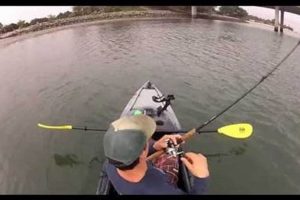
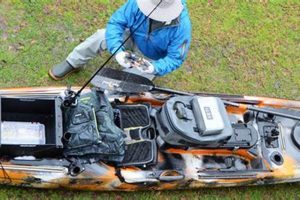
Imagine a specialized vessel designed for anglers seeking large game fish from the shoreline. This vessel combines stability, speed, and the capacity to handle challenging surf conditions with features tailored to enhance the pursuit of prized catches. Picture a watercraft seamlessly blending cutting-edge materials and advanced technology, offering improved performance and an enriched angling experience in coastal environments.
Such advancements in kayak design represent a significant leap forward in sport fishing accessibility. These specialized crafts could potentially broaden participation in the sport by enabling access to previously difficult-to-reach fishing grounds, fostering a deeper connection with the marine environment, and facilitating more sustainable fishing practices. The evolution of fishing kayak technology mirrors the broader trends in outdoor recreation, reflecting a growing demand for specialized equipment that caters to specific activities and enhances performance.
This discussion will explore the potential trajectory of coastal fishing kayak development, examining the influence of emerging technologies, evolving angling techniques, and the growing emphasis on environmental consciousness within the fishing community. Key areas of focus include material innovation, propulsion systems, integrated electronics, and sustainable manufacturing practices.
Tips for Successful Coastal Kayak Fishing
Preparation and strategic planning are essential for productive and enjoyable kayak fishing excursions in coastal environments. The following tips offer guidance for maximizing success and safety.
Tip 1: Understand Local Regulations. Research and adhere to all applicable fishing licenses, catch limits, and size restrictions. Awareness of designated fishing zones and any closures is crucial for responsible angling.
Tip 2: Prioritize Safety Equipment. Always wear a personal flotation device (PFD). Carry essential safety gear, including a whistle, signaling mirror, first-aid kit, and communication device. Inform someone of the intended fishing location and estimated return time.
Tip 3: Select Appropriate Gear. Choose rods, reels, and tackle suited to the target species and the specific fishing conditions. Consider rod holders, tackle storage solutions, and specialized equipment for anchoring and landing fish from a kayak.
Tip 4: Study Weather and Tide Charts. Understanding weather patterns, wind conditions, and tidal fluctuations is crucial for safe and effective kayak navigation and fish location. Avoid venturing out in hazardous conditions.
Tip 5: Master Kayak Handling Skills. Practice paddling and maneuvering the kayak in various conditions before attempting fishing excursions. Confidence in handling the vessel enhances safety and allows anglers to focus on fishing.
Tip 6: Employ Effective Fishing Techniques. Adapt fishing techniques to the specific target species and the coastal environment. Explore different lures, baits, and retrieval methods to maximize catch rates. Consider utilizing fish finders and other electronic aids.
Tip 7: Respect the Environment. Practice catch-and-release whenever possible. Minimize environmental impact by properly disposing of fishing line and other waste materials. Adhere to Leave No Trace principles.
By following these guidelines, anglers can significantly enhance their chances of success while prioritizing safety and environmental responsibility. A well-planned excursion contributes to a more rewarding and sustainable fishing experience.
The insights presented here provide a foundation for informed decision-making when planning a coastal kayak fishing adventure. The next section will explore emerging trends and future innovations in kayak design and technology.
1. Advanced Hull Designs
Advanced hull designs represent a critical component in the evolution of beach trophy fishing kayaks. Hull design directly influences performance characteristics crucial for navigating surf zones, maintaining stability in challenging conditions, and efficiently covering distances to reach prime fishing grounds. Considerations include hull shape, length, width, and material construction. A well-designed hull maximizes speed and maneuverability while providing a stable platform for casting and fighting large fish. For example, a longer, narrower hull may enhance speed and tracking in open water, while a shorter, wider hull provides increased stability in rough surf. Multi-hull designs, such as catamarans or trimarans, offer inherent stability but may sacrifice maneuverability in tight spaces.
The integration of advanced materials further enhances hull performance. Lightweight composites, such as carbon fiber or Kevlar, offer superior strength-to-weight ratios, resulting in faster, more responsive kayaks. Thermoformed plastics provide durability and affordability. Innovative manufacturing processes, such as rotational molding, allow for complex hull shapes optimized for specific performance characteristics. Hydrodynamic principles, including reducing drag and optimizing water flow, are integral to advanced hull design. Features such as chines, strakes, and displacement hulls influence stability, speed, and tracking in varying water conditions. The careful consideration of these factors during the design process results in kayaks specifically tailored for the demands of beach trophy fishing.
Ultimately, advancements in hull design contribute significantly to the overall effectiveness and enjoyment of beach trophy fishing kayaks. Optimizing hull characteristics allows anglers to access more challenging fishing locations, handle larger fish with confidence, and cover greater distances with less effort. The ongoing evolution of hull design, driven by material science and hydrodynamic principles, promises continued improvements in performance, safety, and the overall fishing experience.
2. Integrated Technology

Integrated technology stands as a defining characteristic of the “future beach trophy fishing kayak,” significantly impacting its functionality and the angler’s experience. This integration encompasses various electronic systems designed to enhance navigation, fish finding, communication, and safety. Real-time data analysis, provided by integrated GPS, sonar, and weather forecasting systems, empowers anglers with crucial information for strategic decision-making on the water. GPS facilitates precise navigation to productive fishing spots, while sonar technology provides detailed underwater mapping, identifying fish locations and bottom structures. Integrated weather systems offer up-to-the-minute forecasts, enabling anglers to anticipate changing conditions and prioritize safety.
The seamless incorporation of these technologies directly into the kayak structure minimizes clutter and optimizes user interaction. Touchscreen displays, integrated into the kayak’s dashboard, provide a centralized hub for accessing and controlling various functions. Wireless connectivity allows data sharing between devices and enables remote monitoring of the kayak’s location. Consider the example of a kayak equipped with an integrated fish finder displaying real-time bathymetric data and fish locations directly on a waterproof touchscreen mounted within easy reach of the angler. This integration streamlines the fishing process, allowing anglers to focus on their technique while maximizing their chances of success. Furthermore, integrated communication systems, such as VHF radios and satellite phones, enhance safety by enabling immediate contact in emergencies.
The strategic integration of technology transforms the fishing kayak into a sophisticated platform optimized for angling success and safety. It represents a shift towards a more data-driven and informed approach to fishing, empowering anglers with real-time insights and enhanced control. While these technological advancements offer significant benefits, careful consideration must be given to factors such as power management, user interface design, and data security. Striking a balance between functionality and simplicity ensures that integrated technology enhances, rather than complicates, the overall fishing experience. This integration aligns with broader trends in outdoor recreation, reflecting a growing reliance on technology for enhanced performance, safety, and a deeper understanding of the environment.
3. Sustainable Materials
The utilization of sustainable materials represents a critical consideration in the development of future beach trophy fishing kayaks. This emphasis on sustainability stems from a growing awareness of the environmental impact of manufacturing processes and the importance of responsible resource management. Sustainable materials minimize the ecological footprint of kayak production while potentially enhancing performance and durability. The selection of materials impacts not only the kayak’s lifespan and resistance to wear and tear but also the broader environmental consequences associated with its creation and eventual disposal. Employing recycled plastics, for instance, diverts waste from landfills and reduces reliance on virgin materials. Similarly, sourcing renewable resources like plant-based fibers minimizes dependence on petroleum-based products, contributing to a lower carbon footprint. Biodegradable materials offer an end-of-life solution that reduces long-term environmental impact. For example, kayaks constructed with flax fiber composites or recycled ocean plastic demonstrate a commitment to sustainable manufacturing while potentially offering performance advantages such as increased strength and reduced weight. Choosing such materials aligns with the ethos of responsible outdoor recreation and contributes to the preservation of marine ecosystems.
The practical significance of this approach extends beyond environmental considerations. Kayaks constructed from sustainable materials often exhibit enhanced durability and resistance to degradation from saltwater and UV exposure. This longevity translates to a longer lifespan, reducing the need for frequent replacements and minimizing the overall consumption of resources. Furthermore, the development and adoption of sustainable materials stimulate innovation in manufacturing processes and material science. This, in turn, leads to the creation of high-performance materials with reduced environmental impact, benefiting both the angling community and the planet. The incorporation of recycled fishing nets into kayak construction, for example, directly addresses the issue of plastic pollution in oceans while providing a valuable source of raw material. Such initiatives demonstrate the potential for circular economies within the recreational fishing industry.
The shift towards sustainable materials in kayak construction reflects a broader movement within the outdoor recreation sector towards environmentally conscious practices. This transition presents challenges, including sourcing sustainable materials at scale and ensuring their performance meets the demanding requirements of offshore fishing. However, the long-term benefits of reduced environmental impact, enhanced durability, and the promotion of responsible resource management underscore the importance of continued research and development in this area. Ultimately, the integration of sustainable materials into the design and manufacture of beach trophy fishing kayaks represents a significant step towards a more sustainable and environmentally responsible approach to the sport.
4. Enhanced Propulsion

Enhanced propulsion systems represent a key area of development for future beach trophy fishing kayaks, directly impacting their range, speed, and adaptability to varying water conditions. Efficient and powerful propulsion enables anglers to cover greater distances, access remote fishing grounds, and navigate challenging currents and surf zones with increased ease and control. This translates to more fishing time and the potential to explore previously inaccessible areas, significantly expanding opportunities for trophy catches.
- Pedal-Powered Systems:
Pedal-powered kayaks offer hands-free propulsion, allowing anglers to maintain constant forward momentum while simultaneously casting and retrieving lines. This advantage becomes crucial when targeting large, powerful fish that demand constant attention. Advanced pedal-drive systems incorporate sophisticated gearing and propeller designs for increased efficiency and maneuverability. Furthermore, the ability to maintain a consistent speed and direction enhances trolling effectiveness, a common technique for trophy fishing.
- Motorized Propulsion:
Integrating electric motors into fishing kayaks provides significant advantages in terms of range and speed. Motorized kayaks enable anglers to cover long distances quickly, access distant fishing grounds, and overcome strong currents or headwinds. Modern electric motors offer variable speed control and extended battery life, providing ample power for extended excursions. This technology opens up new possibilities for exploring expansive coastal areas and reaching offshore fishing grounds previously inaccessible to kayak anglers. Furthermore, the option of combining motor power with traditional paddling provides flexibility in different fishing scenarios.
- Hybrid Propulsion:
Hybrid propulsion systems combine the benefits of both pedal power and electric motors, offering the ultimate flexibility and efficiency. Anglers can seamlessly switch between pedal power for quiet, hands-free operation and motor power for increased speed and range. This adaptability proves invaluable in varying conditions and fishing scenarios. For example, anglers might utilize pedal power for stealthy maneuvering in shallow waters and switch to motor power for traversing open water or combating strong currents.
- Assisted Propulsion Systems:
Assisted propulsion technologies, such as electric assist pedals or integrated trolling motors, supplement human power to enhance speed and reduce fatigue. These systems provide an extra boost when needed, enabling anglers to cover more ground with less physical exertion. This can be particularly beneficial in challenging conditions, such as strong currents or long-distance paddles. The integration of GPS and autopilot features further refines assisted propulsion, automating navigation and allowing anglers to focus on fishing.
The advancements in propulsion systems outlined above significantly contribute to the versatility and effectiveness of future beach trophy fishing kayaks. By expanding range, increasing speed, and reducing physical exertion, enhanced propulsion opens up new horizons for anglers seeking challenging and rewarding experiences. The integration of these systems with other technological advancements, such as advanced hull designs and integrated electronics, further optimizes the performance and functionality of these specialized vessels, empowering anglers to pursue trophy catches in diverse coastal environments.
5. Ergonomic Features
Ergonomic design plays a crucial role in the functionality and overall success of future beach trophy fishing kayaks. These features directly influence angler comfort, endurance, and ability to effectively manage the physical demands of pursuing large game fish in challenging coastal environments. Optimizing ergonomics enhances performance by reducing fatigue, minimizing strain, and maximizing control, allowing anglers to focus on the task at hand rather than physical discomfort. A well-designed kayak should seamlessly integrate with the angler’s body, promoting efficient movement and minimizing the risk of injury.
- Adjustable Seating Systems
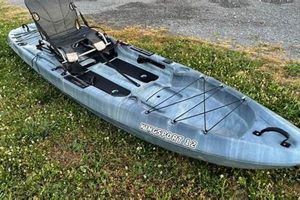
Adjustable seating systems accommodate diverse body types and preferences, enabling anglers to customize their position for optimal comfort and support. Features like adjustable backrests, seat height adjustments, and customizable leg supports ensure a secure and comfortable fit. The ability to fine-tune seating position minimizes strain on the back, legs, and core muscles, particularly during prolonged fishing excursions. Examples include sliding track systems that allow for fore-and-aft seat adjustment and adjustable lumbar support to accommodate individual spinal curvature. These features enhance comfort and reduce fatigue, enabling anglers to maintain focus and react quickly to the demands of trophy fishing.
- Footrests and Leg Braces
Properly positioned footrests and leg braces provide essential leverage and stability, allowing anglers to effectively transfer power during paddling and maintain balance while fighting fish. Adjustable footrests accommodate varying leg lengths, ensuring a secure and efficient paddling stroke. Integrated leg braces enhance stability and control, particularly in rough conditions or when battling strong currents. These features work in concert to maximize paddling efficiency, minimize fatigue, and enhance overall control of the kayak. Examples include adjustable foot pegs with multiple anchoring points and integrated thigh braces that provide lateral support and enhance stability.
- Paddle Design and Placement
Paddle design and placement significantly influence paddling efficiency and comfort. Ergonomically designed paddles feature lightweight materials, contoured grips, and adjustable shaft lengths to optimize performance and reduce strain on wrists, forearms, and shoulders. Conveniently located paddle holders and leash systems ensure easy access and prevent paddle loss, minimizing disruption to the fishing experience. The choice of paddle length and blade shape should align with the angler’s body type and paddling style. Examples include paddles with feathered blades to reduce wind resistance and ergonomic grips designed to minimize hand fatigue.
- Deck Layout and Accessibility
A well-designed deck layout prioritizes accessibility and efficient organization of essential gear. Strategically placed rod holders, tackle storage compartments, and accessory mounts minimize reaching and bending, allowing anglers to maintain focus and react quickly to changing fishing conditions. Intuitive placement of controls and instrumentation further enhances efficiency and reduces distractions. This thoughtful design minimizes wasted movement and promotes a seamless fishing experience. Examples include recessed tackle trays within easy reach of the seating position and flush-mounted rod holders that minimize interference with casting and retrieval.
These interconnected ergonomic features contribute significantly to the overall performance and enjoyment of future beach trophy fishing kayaks. By prioritizing angler comfort and efficiency, these designs enable extended fishing sessions, enhance performance, and minimize the risk of injury. The continued development and refinement of ergonomic features will play a vital role in optimizing the fishing experience and enabling anglers to pursue trophy catches with greater comfort and control. The integration of these features with other advancements, such as enhanced propulsion systems and integrated technology, creates a holistic and highly functional platform tailored to the specific demands of beach trophy fishing.
6. Specialized Storage
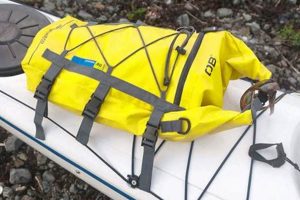
Specialized storage solutions represent a crucial element in the design and functionality of future beach trophy fishing kayaks. The unique demands of this activity necessitate secure and organized storage for a variety of equipment, including rods, reels, tackle, safety gear, and potentially even the catch itself. Effective storage contributes directly to both safety and efficiency on the water. A cluttered kayak compromises stability and maneuverability, hindering the angler’s ability to react quickly to changing conditions or the demands of battling a large fish. Specialized storage solutions address these challenges by providing designated compartments and securing mechanisms tailored to the specific equipment used in trophy fishing. For example, integrated rod holders secure rods during transport and allow for quick access when a fish strikes. Waterproof compartments protect sensitive electronic devices and personal items from saltwater exposure. Tackle management systems keep lures and hooks organized and readily available, minimizing wasted time and effort. Even specialized compartments for storing caught fish, incorporating features like livewells or insulated coolers, contribute to a more successful and enjoyable fishing experience.
The design of specialized storage should consider not only the type and quantity of gear but also its accessibility and the angler’s workflow. Rod holders positioned within easy reach of the seating area, for instance, facilitate efficient casting and retrieval. Tackle storage compartments located near the angler’s hands minimize disruption during lure changes. The strategic placement of storage compartments also contributes to the overall balance and stability of the kayak. Distributing weight evenly throughout the vessel optimizes performance and prevents tipping. In the context of beach trophy fishing, where anglers often navigate challenging surf zones and handle large, powerful fish, these considerations become paramount. A stable and well-organized kayak enhances safety and allows the angler to focus on the task at hand, maximizing the chances of landing a trophy catch. Furthermore, the integration of specialized storage with other features, such as ergonomic seating and enhanced propulsion systems, contributes to a more seamless and efficient fishing experience.
In summary, specialized storage solutions form an integral part of the future beach trophy fishing kayak. These solutions enhance safety, optimize efficiency, and contribute to a more enjoyable and successful fishing experience. The careful consideration of storage design, placement, and accessibility reflects a focus on the specific needs and challenges of trophy fishing in coastal environments. As kayak design continues to evolve, specialized storage solutions will undoubtedly play an increasingly important role in maximizing performance and angler satisfaction.
Frequently Asked Questions
This section addresses common inquiries regarding the evolving landscape of beach trophy fishing kayaks, focusing on anticipated advancements and their potential impact on the sport.
Question 1: How will advancements in hull design contribute to improved performance in challenging surf conditions?
Advanced hull designs, incorporating hydrodynamic principles and innovative materials, promise enhanced stability, maneuverability, and speed in surf zones. Features such as multi-hull configurations, optimized rocker profiles, and strategically placed chines contribute to improved performance in challenging coastal environments.
Question 2: What role will integrated technology play in enhancing the fishing experience?
Integrated technology, including GPS navigation, sonar systems, and real-time weather forecasting, empowers anglers with critical information for strategic decision-making. These tools enhance navigation, fish finding, and safety, contributing to a more informed and successful fishing experience. Seamless integration minimizes clutter and maximizes efficiency.
Question 3: How do sustainable materials contribute to responsible angling practices?
Utilizing sustainable materials, such as recycled plastics and plant-based fibers, minimizes the environmental impact of kayak production. This aligns with responsible angling practices and contributes to the long-term health of marine ecosystems. Furthermore, sustainable materials often exhibit enhanced durability, reducing the need for frequent replacements.
Question 4: What are the advantages of enhanced propulsion systems for beach trophy fishing?
Enhanced propulsion systems, including pedal drives, electric motors, and hybrid configurations, expand the angler’s range, increase speed, and reduce physical exertion. These advancements enable access to remote fishing grounds, improve trolling effectiveness, and enhance maneuverability in challenging conditions.
Question 5: How do ergonomic features contribute to angler comfort and performance?
Ergonomic features, such as adjustable seating systems, foot braces, and strategically placed controls, prioritize angler comfort and reduce fatigue. This enhanced comfort allows for extended fishing sessions and improves performance by minimizing strain and maximizing control. A comfortable angler is a more focused and effective angler.
Question 6: Why are specialized storage solutions important for beach trophy fishing kayaks?
Specialized storage solutions accommodate the unique equipment needs of trophy fishing, ensuring secure and organized storage for rods, reels, tackle, and safety gear. This organization enhances safety by minimizing clutter and maximizing efficiency on the water, allowing anglers to focus on the task at hand.
Understanding these advancements and their potential impact on the future of beach trophy fishing provides valuable insights for anglers seeking to optimize their experience and embrace the evolution of the sport.
The subsequent section will delve into specific examples of innovative kayak designs and technologies currently under development or recently introduced to the market.
Conclusion
The exploration of advancements in beach trophy fishing kayaks reveals a convergence of innovative design, integrated technology, and sustainable practices. Key developments, including enhanced hull designs optimized for challenging coastal conditions, integrated electronics providing real-time data analysis, and sustainable material selection minimizing environmental impact, collectively redefine the potential of these specialized vessels. Enhanced propulsion systems expand access to remote fishing grounds, while ergonomic features prioritize angler comfort and long-term physical well-being. Specialized storage solutions further enhance efficiency and safety on the water. These advancements represent a significant step forward in the evolution of kayak fishing, catering to the demands of anglers seeking both high performance and responsible engagement with the marine environment.
The trajectory of fishing kayak development underscores a broader shift within the recreational fishing community toward a more sustainable and technologically advanced approach. Continued innovation in materials science, propulsion systems, and integrated electronics promises further refinement and specialization in the years to come. This evolution presents exciting opportunities for anglers to enhance their skills, expand their horizons, and connect with the marine environment in a more meaningful and responsible way. The future of beach trophy fishing hinges on embracing these advancements while prioritizing sustainable practices and responsible stewardship of our oceans.