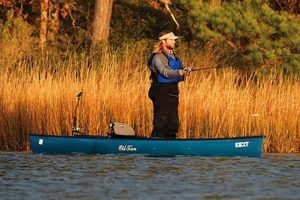
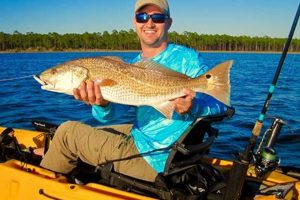
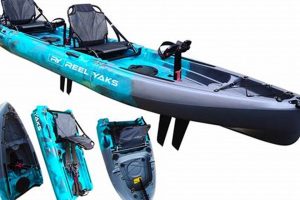
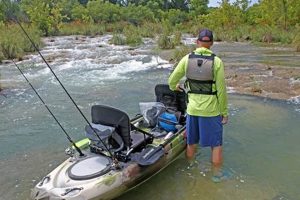
This activity involves angling from a small, human-powered vessel in the waters surrounding Vancouver Island, British Columbia. It offers a unique blend of outdoor recreation, connecting anglers directly with the marine environment. The region’s diverse fish species, from salmon and halibut to rockfish and lingcod, provide ample opportunities for a rewarding experience.
The accessible nature of this pursuit contributes to its growing popularity. Launching from various points along the extensive coastline allows exploration of secluded coves and inlets. This method provides a stealthy approach, often resulting in improved fishing success. Furthermore, the minimal environmental impact compared to motorized boating aligns with sustainable tourism practices. The historical significance of fishing in the region, practiced by Indigenous communities for millennia, adds a layer of cultural richness to the contemporary sport.
This article will further explore key aspects of this popular pastime, covering topics such as suitable kayak selection, essential gear, prime fishing locations, species-specific techniques, and responsible angling practices. It will also touch upon relevant regulations and safety considerations for a successful and enjoyable adventure.
Tips for Kayak Fishing Around Vancouver Island
Careful planning and preparation are essential for a safe and successful fishing trip. The following tips offer valuable insights for anglers of all experience levels.
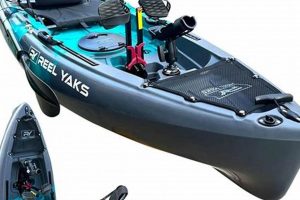
Tip 1: Choose the Right Kayak: Selecting a kayak appropriate for the intended fishing style and water conditions is crucial. Longer, sit-on-top kayaks offer stability and ample storage for gear, while shorter, sit-inside kayaks provide maneuverability in calmer waters. Consider factors such as weight capacity, storage space, and comfort.
Tip 2: Prioritize Safety Equipment: A personal flotation device (PFD) is mandatory and essential. A VHF radio, signaling devices (whistle, mirror), and a first-aid kit are also highly recommended. Inform someone of the intended fishing location and estimated return time.
Tip 3: Research Fishing Regulations: Familiarize oneself with local fishing regulations, including licensing requirements, catch limits, and size restrictions. This information is available through the Department of Fisheries and Oceans Canada.
Tip 4: Understand Tidal Currents: Vancouver Island experiences significant tidal flows. Consult tide charts and plan fishing trips accordingly. Strong currents can impact kayak control and fishing effectiveness.
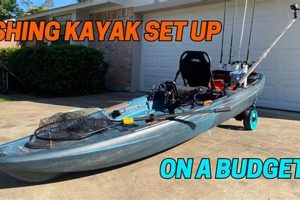
Tip 5: Pack Essential Gear: Appropriate fishing rods, reels, tackle, and bait are essential. A dry bag or waterproof container protects valuable items from water damage. A GPS and chartplotter can aid navigation, especially in unfamiliar areas.
Tip 6: Practice Kayak Handling Skills: Develop proficiency in basic kayak paddling and maneuvering techniques before venturing into open waters. Consider taking a kayaking course or practicing in a sheltered environment.
Tip 7: Respect the Environment: Practice responsible angling by properly disposing of fishing line and other waste. Adhere to catch and release guidelines when appropriate to conserve fish populations.
Tip 8: Check Weather Conditions: Be aware of changing weather patterns. Fog, wind, and sudden storms can create hazardous conditions. Postpone trips if necessary.
By adhering to these guidelines, anglers can maximize their chances of a productive and enjoyable fishing experience while prioritizing safety and environmental stewardship.
This information provides a solid foundation for planning a kayak fishing adventure. The following sections will delve deeper into specific aspects of this rewarding pursuit.
1. Location Scouting

Effective location scouting is paramount for successful kayak fishing around Vancouver Island. Choosing the right fishing grounds significantly influences the likelihood of encountering target species. Factors such as water depth, structure, currents, and proximity to feeding areas contribute to a location’s potential. Thorough research and planning maximize fishing opportunities and contribute to a rewarding experience.
- Charts and Maps:
Nautical charts and bathymetric maps provide crucial information about water depth, bottom contours, and potential fish-holding structures like reefs and drop-offs. Identifying areas with significant depth changes or underwater features can lead anglers to prime fishing spots. These resources also aid in navigation and safe passage, particularly in complex coastal environments.
- Local Knowledge and Resources:
Consulting local fishing reports, online forums, and tackle shops offers valuable insights into current fishing conditions and productive areas. Experienced local anglers can provide information about species-specific locations, preferred bait, and effective fishing techniques. Leveraging local expertise enhances the likelihood of success.
- Tides and Currents:
Understanding tidal patterns and currents is essential for effective location scouting. Fish often concentrate in areas where currents converge or create upwellings, bringing nutrient-rich water to the surface. Planning fishing trips around optimal tidal flows increases the chances of encountering actively feeding fish.
- Accessibility and Safety:
Evaluating launch points and potential landing sites is crucial for a safe and enjoyable experience. Considering factors such as parking availability, beach access, and prevailing wind and wave conditions ensures a smooth and safe outing. Prioritizing accessibility and safety contributes to a positive experience, especially for less experienced kayakers.
By integrating these facets of location scouting, anglers can significantly improve their chances of a productive kayak fishing trip around Vancouver Island. Careful planning and preparation enable anglers to target specific species, maximize fishing time, and enhance their overall experience while enjoying the unique coastal environment.
2. Tidal Planning
Tidal planning is inextricably linked to successful kayak fishing around Vancouver Island. The significant tidal fluctuations in the region exert a profound influence on fish behavior and movement. Understanding and incorporating tidal patterns into fishing strategies is essential for maximizing catch rates and overall fishing success. Tidal currents affect the delivery of nutrients and baitfish, concentrating fish in specific areas at predictable times. Fishing during slack tide, the period of minimal water movement between high and low tides, can present advantages for certain species or fishing techniques. Conversely, fishing during peak tidal flows can concentrate baitfish and attract predatory species.
For example, salmon often stage in areas with strong currents during their migrations, waiting for optimal conditions to enter rivers. Targeting these locations during peak flows can yield excellent results. Similarly, rockfish and lingcod often congregate around reefs and structures where currents create upwellings, bringing food within reach. Planning fishing trips to coincide with these tidal events significantly increases the probability of encountering these species. Conversely, targeting shallower bays and estuaries during higher tides provides access to areas otherwise unreachable during lower tides. This allows anglers to exploit these productive feeding grounds for species like sea-run cutthroat trout.
Neglecting tidal planning can lead to challenging and unproductive fishing experiences. Strong currents can make kayak control difficult, hindering precise lure presentation and drift fishing techniques. Moreover, attempting to paddle against strong tides can be physically demanding and potentially dangerous. Accurate tidal information is readily available through online resources, tide charts, and local fishing guides. Integrating this information into pre-fishing planning is crucial for optimizing fishing time and ensuring a safe and rewarding kayak fishing experience around Vancouver Island.
3. Safety Gear

Safety gear is paramount for kayak fishing around Vancouver Island. The unpredictable nature of the marine environment, coupled with the inherent risks of open-water activities, necessitates careful consideration of safety equipment. Prioritizing safety enhances enjoyment and mitigates potential hazards, contributing to a positive and secure experience.
- Personal Flotation Device (PFD):
A properly fitted PFD is non-negotiable. It provides essential buoyancy in the event of capsizing or accidental immersion. Choosing a PFD designed for paddling allows for comfortable movement and casting. Regularly inspecting the PFD for wear and tear ensures its continued effectiveness.
- Communication Devices:
A VHF radio enables direct communication with the Coast Guard and other vessels in case of emergencies or unforeseen circumstances. Cellular phones, while useful, may have limited reception in remote coastal areas. A waterproof handheld GPS device with a built-in SOS function adds an additional layer of security, enabling precise location tracking and emergency communication.
- Signaling Devices:
Carrying visual and auditory signaling devices is crucial for attracting attention in distress situations. A whistle, signal mirror, and flares can alert nearby vessels or rescuers to one’s location. Regularly checking the functionality of these devices ensures their readiness in emergencies.
- First-Aid and Emergency Kit:
A comprehensive first-aid kit equipped to handle common injuries, such as cuts, abrasions, and seasickness, is essential. Including essential medications, sunscreen, and insect repellent enhances preparedness. A waterproof bag protects the kit’s contents from moisture damage.
These safety precautions contribute significantly to mitigating risks associated with kayak fishing around Vancouver Island. Consistent adherence to safety protocols and diligent pre-trip preparation promotes a secure and enjoyable experience, allowing anglers to fully appreciate the region’s unique marine environment.
4. Kayak Selection

Kayak selection significantly impacts the overall experience of kayak fishing around Vancouver Island. The diverse water conditions, ranging from calm inlets to exposed coastal areas, necessitate careful consideration of kayak characteristics. Choosing an appropriate vessel enhances stability, maneuverability, and overall fishing effectiveness. Factors such as length, width, hull design, and storage capacity influence performance and suitability for specific fishing styles and locations.
For instance, longer kayaks (12-16 feet) offer superior tracking and glide, beneficial for covering longer distances and navigating open water. Shorter kayaks (under 12 feet) provide enhanced maneuverability in tight spaces and shallower waters, ideal for exploring estuaries and protected bays. Wider kayaks generally offer greater stability, advantageous for casting and fighting fish, while narrower kayaks prioritize speed and efficiency. Hull design also plays a crucial role. A flat-bottomed hull provides excellent stability, while a V-shaped hull enhances tracking and cutting through waves. Sit-on-top kayaks offer inherent buoyancy and ease of re-entry after a capsize, while sit-inside kayaks provide greater protection from the elements and increased storage capacity.
Selecting a kayak tailored to the intended fishing environment and target species significantly improves the overall experience. A stable platform contributes to confident casting and fish fighting, while efficient maneuverability allows anglers to access prime fishing locations. Ample storage accommodates essential gear and facilitates catch handling. Considering these factors during kayak selection ensures a safe, comfortable, and productive kayak fishing adventure around Vancouver Island.
5. Fishing Tackle
Fishing tackle selection directly influences success and enjoyment when kayak fishing around Vancouver Island. The diverse target species and varying fishing conditions necessitate careful consideration of rod, reel, line, and lure choices. Appropriate tackle balances practicality with effectiveness, maximizing catch potential while accommodating the limitations of a kayak fishing platform.
Salmon fishing often requires medium to heavy-action rods paired with robust reels spooled with braided line. This combination provides the strength and leverage needed to manage powerful runs and navigate strong currents. Downriggers and flashers are commonly employed to target salmon at specific depths. Conversely, bottom fishing for rockfish and lingcod necessitates shorter, heavier rods with sensitive tips, enabling anglers to detect subtle bites and effectively maneuver fish from rocky structures. Heavier lines and larger hooks accommodate the size and power of these bottom-dwelling species. Lighter tackle, including spinning rods and reels spooled with monofilament or fluorocarbon line, proves effective for targeting species like sea-run cutthroat trout in shallower waters. Small lures, jigs, and bait presentations enhance fishing success in these environments. Choosing appropriate tackle for the target species and fishing location optimizes fishing performance and contributes to a more rewarding experience.
Tackle organization and storage also play a crucial role in kayak fishing. Limited space necessitates efficient storage solutions to prevent tangles and ensure easy access to essential gear. Tackle boxes with compartments, lure organizers, and rod holders mounted on the kayak facilitate streamlined tackle management. Efficient organization maximizes fishing time and minimizes disruptions caused by searching for misplaced items. Prioritizing appropriate tackle selection and implementing efficient storage strategies enhances fishing effectiveness and contributes to a safe and enjoyable kayak fishing experience around Vancouver Island.
6. Species Knowledge

Species knowledge is fundamental to successful kayak fishing around Vancouver Island. Understanding the behavior, habitat preferences, and feeding patterns of target species significantly enhances catch rates and promotes ethical angling practices. This knowledge informs decisions regarding location selection, bait and lure choices, and fishing techniques, leading to a more productive and rewarding experience.
For instance, knowing that Chinook salmon often stage in deeper water near river mouths during their spawning runs allows anglers to focus their efforts in these specific areas. Similarly, understanding that rockfish prefer rocky reefs and structures informs location choices and necessitates the use of heavier tackle to extract these fish from their habitat. Recognizing the feeding habits of lingcod, which often ambush prey from their rocky lairs, dictates the use of lures and presentations that mimic their natural prey. Furthermore, awareness of species-specific regulations, such as size limits and catch quotas, ensures compliance with conservation efforts and promotes sustainable fishing practices. This knowledge contributes not only to personal fishing success but also to the long-term health of fish populations.
Effective application of species knowledge contributes to a more informed and rewarding kayak fishing experience around Vancouver Island. It allows anglers to adapt their strategies to specific species and prevailing conditions, maximizing fishing success while minimizing environmental impact. This understanding underscores the importance of pre-trip research and the value of consulting local resources, such as fishing guides and tackle shops, to gain insights into local species behavior and effective fishing techniques.
7. Local Regulations
Adherence to local regulations is essential for responsible and sustainable kayak fishing around Vancouver Island. These regulations, established by the Department of Fisheries and Oceans Canada (DFO), aim to conserve fish populations, protect sensitive marine ecosystems, and ensure equitable access to resources. They encompass licensing requirements, catch limits, size restrictions, and specific area closures. Ignoring these regulations can lead to fines, confiscation of equipment, and damage to the environment.
For instance, specific regulations govern salmon fishing, including designated fishing times, allowable gear types, and daily catch quotas. These measures help maintain healthy salmon populations and ensure future generations can enjoy this valuable resource. Similarly, regulations protect vulnerable species like rockfish by implementing size restrictions and catch limits, aiding in the recovery of depleted stocks. Area closures, often implemented to protect sensitive spawning grounds or critical habitats, are also crucial components of local regulations. Understanding and respecting these closures safeguards vital ecosystems and contributes to the long-term health of marine environments. Practical examples include observing seasonal closures for specific species, adhering to designated fishing areas, and accurately reporting catches.
Disregarding local regulations not only jeopardizes fish populations and ecosystems but also undermines the sustainability of the recreational fishery. Compliance ensures equitable access to resources for all anglers and preserves the integrity of the marine environment. Resources such as the DFO website and local fishing guides provide detailed information on current regulations. Consulting these resources before embarking on a kayak fishing trip demonstrates responsible angling practices and contributes to the continued enjoyment of this activity for future generations. Understanding and adhering to local regulations is not merely a legal obligation but a fundamental aspect of ethical and sustainable kayak fishing around Vancouver Island.
Frequently Asked Questions
This section addresses common inquiries regarding kayak fishing around Vancouver Island. The information provided aims to clarify potential uncertainties and offer practical guidance for planning a successful fishing trip.
Question 1: What are the essential safety precautions for kayak fishing in this region?
Wearing a personal flotation device (PFD), carrying communication devices (VHF radio, cell phone, GPS), and informing someone of the fishing plan are crucial. Checking weather forecasts and understanding tidal currents are also essential safety practices.
Question 2: What fishing license is required for kayak fishing around Vancouver Island?
A valid tidal waters sport fishing license, issued by the Department of Fisheries and Oceans Canada, is required. Specific license variations exist depending on residency status and fishing preferences.
Question 3: Where can suitable kayaks for fishing be rented or purchased on Vancouver Island?
Numerous outdoor retailers and kayak rental businesses operate throughout Vancouver Island. Local tackle shops and online resources often provide recommendations and rental options.
Question 4: What are the prime fishing locations accessible by kayak around Vancouver Island?
Productive areas include sheltered bays, inlets, and coastal waters near reefs and kelp forests. Local fishing reports and guides often highlight specific locations known for particular species.
Question 5: What are the most common target species for kayak anglers in this region?
Salmon, halibut, rockfish, lingcod, and sea-run cutthroat trout are popular targets. Species availability varies depending on season and location.
Question 6: Are guided kayak fishing tours available on Vancouver Island?
Several reputable operators offer guided kayak fishing tours. These tours cater to various skill levels and provide insights into local fishing techniques and regulations.
Careful planning and adherence to safety guidelines and regulations contribute to a positive and productive experience. Local resources offer valuable information and assistance in preparing for a successful fishing trip.
This concludes the frequently asked questions section. The next section will provide a comprehensive overview of responsible angling practices.
Kayak Fishing Vancouver Island
This exploration has highlighted the multifaceted nature of kayak fishing around Vancouver Island. From the crucial elements of safety and regulation adherence to the nuanced aspects of species knowledge and location scouting, the pursuit demands careful planning and informed decision-making. Effective tidal planning, appropriate kayak and tackle selection, and a deep understanding of local ecosystems contribute significantly to a successful and rewarding experience. The discussion emphasized the importance of responsible angling practices, highlighting the need for environmental stewardship and respect for local regulations. The symbiotic relationship between angler and environment underscores the need for sustainable practices to ensure the long-term viability of this unique recreational activity.
The future of kayak fishing around Vancouver Island rests upon the collective responsibility of all participants. Continued education, adherence to ethical guidelines, and active engagement in conservation efforts will ensure the preservation of this valuable resource for generations to come. The pursuit offers not merely a recreational outlet but a profound connection with the natural world, fostering a deeper appreciation for the intricate balance of coastal ecosystems. Preserving this balance through responsible angling practices ensures the enduring legacy of kayak fishing around Vancouver Island.