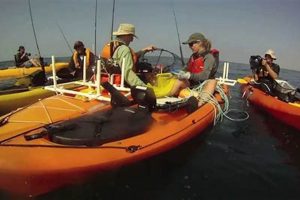
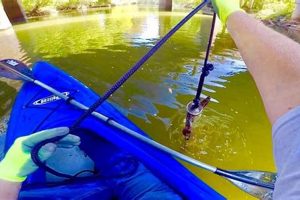
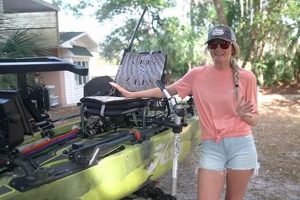
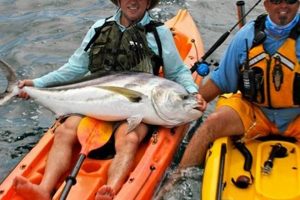
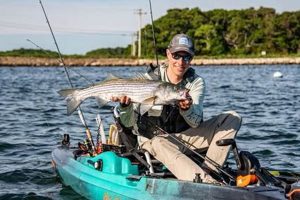
An individual who engages in the sport of angling from a kayak combines the quiet, maneuverable nature of the small vessel with the pursuit of fish in diverse aquatic environments. This approach offers access to shallow waters and secluded areas often unreachable by larger boats, allowing for a unique and intimate fishing experience. For example, one might employ specialized tackle and techniques adapted to the kayak’s stability and limited space, such as shorter rods and specialized anchoring systems.
This method provides several advantages. Its low profile minimizes disturbance to fish, increasing the chances of a successful catch. The portability and affordability of kayaks compared to motorized boats significantly lower the barrier to entry for aspiring anglers. Historically, smaller, human-powered vessels have been used for fishing for centuries, demonstrating the enduring practicality and effectiveness of this approach. The modern adaptation with specialized kayaks and equipment elevates the experience, combining traditional fishing principles with contemporary innovation.
This exploration of specialized equipment, techniques, and ideal locations will further illuminate the nuances of this increasingly popular angling method, highlighting its accessibility, effectiveness, and connection with nature.
Tips for Kayak Fishing
Effective kayak angling requires careful planning and specialized techniques. The following tips offer valuable insights for enhancing safety and maximizing success on the water.
Tip 1: Prioritize Safety Equipment: Always wear a personal flotation device (PFD). Carry a whistle, signaling mirror, and a waterproof communication device. Inform someone of the intended fishing location and estimated return time.
Tip 2: Balance and Stability are Paramount: Distribute weight evenly within the kayak. Avoid sudden movements or leaning too far over the side. Practice entering and exiting the kayak in shallow water before venturing into deeper areas.
Tip 3: Choose Appropriate Tackle and Gear: Opt for shorter rods and reels specifically designed for kayak fishing. Utilize tackle storage solutions that maximize space and keep equipment organized and readily accessible.
Tip 4: Master Kayak Control: Practice paddling and maneuvering the kayak efficiently. Learn basic paddle strokes for moving forward, backward, and turning. Consider using a rudder or pedal-driven system for enhanced control.
Tip 5: Understand Water Conditions and Weather Forecasts: Check weather reports before heading out. Be aware of wind, currents, and tides. Avoid fishing in hazardous conditions such as strong winds, lightning storms, or rough waters.
Tip 6: Employ Stealth and Observation: Approach fishing spots quietly and avoid making sudden noises or movements. Observe the water for signs of fish activity, such as baitfish or surface disturbances.
Tip 7: Practice Catch and Release Techniques: Handle fish with care and minimize their time out of the water. Use appropriate hooks and tools for efficient release. Revive fish if necessary before returning them to their habitat.
By adhering to these guidelines, anglers can enhance their safety, improve their fishing success, and contribute to the conservation of aquatic ecosystems.
These practices contribute to a more rewarding and sustainable approach to this specialized form of angling. Further exploration of advanced techniques and specific location strategies will enhance proficiency and enjoyment.
1. Adaptability
Adaptability represents a cornerstone of successful kayak angling. The dynamic nature of aquatic environments demands constant adjustment to changing conditions. Wind shifts, tidal fluctuations, and unforeseen weather patterns necessitate flexibility in approach. A skilled kayak fisher anticipates these variables and modifies strategies accordingly. For example, shifting from a topwater lure to a bottom-dwelling bait when fish behavior changes due to temperature fluctuations demonstrates adaptability. Similarly, adjusting paddling techniques to compensate for increased wind resistance or navigating through unexpected currents highlights the importance of responsive decision-making. This inherent adaptability distinguishes successful kayak anglers from those less equipped to handle the unpredictable nature of on-the-water experiences.
The ability to modify tactics extends beyond environmental factors. Encountering different species of fish than anticipated requires adjustments in tackle, lure selection, and retrieval techniques. Adapting to varying water clarity or structure necessitates strategic shifts in fishing locations and approaches. The confined space of a kayak emphasizes the importance of efficient gear organization and readily accessible equipment. Adaptability also plays a crucial role in responding to unforeseen equipment malfunctions or challenges, such as a tangled fishing line or a broken paddle. Resourcefulness and problem-solving skills become essential attributes in such situations.
In essence, adaptability empowers the kayak fisher to navigate the inherent uncertainties of the sport. It facilitates efficient responses to environmental changes, varying fish behavior, and unexpected challenges. This capacity to adjust strategies, techniques, and equipment contributes significantly to both safety and success on the water. Cultivating adaptability enhances the overall experience and underscores the dynamic interplay between angler and environment.
2. Specialized Equipment

The effectiveness of a kayak fisher often hinges on the selection and utilization of specialized equipment. This equipment, distinct from gear used in traditional boat or shore fishing, addresses the unique challenges and opportunities presented by the kayak platform. Cause and effect relationships exist between equipment choices and fishing outcomes. For instance, a lightweight, collapsible fishing rod facilitates casting within the confined space of a kayak, directly impacting the ability to present lures effectively. Similarly, a well-designed anchor trolley system allows for precise boat positioning in currents or wind, increasing the likelihood of maintaining an optimal fishing location. Specialized equipment transforms the kayak from a simple vessel into a highly effective fishing platform.
Several categories of specialized equipment contribute significantly to kayak fishing success. Rod holders designed to secure rods at various angles and positions maximize space efficiency and prevent equipment loss. A fish finder, specifically designed for kayak use, provides crucial underwater insights, enabling anglers to locate fish-holding structures and adjust strategies based on real-time data. Furthermore, specialized kayak crates and storage systems optimize gear organization and access, a critical factor given the limited space available. Real-life examples further illustrate this importance. A kayak fisher using a specialized paddle leash avoids losing the paddle in strong currents or during a challenging fish landing, showcasing a practical application of specialized gear. Similarly, employing a high-quality dry bag safeguards essential electronics and personal items from water damage, a common risk in the kayak fishing environment.
Understanding the role and function of specialized equipment is integral to maximizing success and safety in kayak fishing. This knowledge empowers anglers to make informed decisions regarding equipment selection, enhancing their ability to navigate and fish effectively from a kayak. While challenges such as cost and storage can arise with specialized equipment, the benefits in terms of efficiency, safety, and overall fishing success outweigh these considerations. This specialized approach elevates the kayak from a simple vessel to a tailored fishing platform, optimized for navigating diverse waterways and pursuing target species effectively.
3. Safety Consciousness
Safety consciousness forms a critical foundation for responsible kayak fishing. The inherent risks associated with on-the-water activities necessitate a proactive and informed approach to safety. Cause-and-effect relationships directly link safety practices to positive outcomes. For instance, consistently wearing a personal flotation device (PFD) demonstrably reduces the risk of drowning in the event of capsizing, a direct link between precaution and consequence. Similarly, carrying a communication device, such as a waterproof VHF radio or a personal locator beacon (PLB), enables rapid communication with emergency services in case of unforeseen circumstances, directly impacting potential rescue efforts. Safety consciousness functions as an integral component of the kayak fisher’s skillset, not merely an optional addendum.
Real-life examples underscore the practical significance of safety consciousness. Consider a scenario where a kayak fisher encounters unexpected strong winds or currents. Prior knowledge of self-rescue techniques, acquired through safety training, becomes crucial for regaining control and stability. Another example involves a sudden change in weather conditions. A kayak fisher who has checked the weather forecast and packed appropriate rain gear avoids hypothermia and discomfort, highlighting the importance of preparedness. The practical applications of safety consciousness extend beyond emergency situations. Regularly inspecting kayak equipment for wear and tear, such as checking the integrity of the hull or ensuring proper functioning of rod holders, prevents potential equipment failures that could compromise safety. Understanding navigational rules and regulations, such as maintaining appropriate distances from motorized vessels, minimizes the risk of collisions and promotes safe coexistence on shared waterways.
In conclusion, safety consciousness plays a vital role in mitigating risks and ensuring positive outcomes in kayak fishing. While challenges such as complacency or the perception of inconvenience can hinder adherence to safety practices, the potential consequences of neglecting safety underscore its crucial importance. A comprehensive understanding of safety protocols, coupled with consistent implementation, transforms safety consciousness from an abstract concept into a practical safeguard, empowering kayak fishers to enjoy the sport responsibly and minimize potential hazards.
4. Water Knowledge

A proficient kayak fisher possesses a deep understanding of aquatic environments, recognizing the interconnectedness of various factors that influence fish behavior and overall safety. This “water knowledge” encompasses far more than simply knowing how to paddle; it represents a comprehensive understanding of the dynamic interplay between weather patterns, currents, tides, and the aquatic ecosystem. This knowledge directly impacts decision-making processes, influencing choices related to fishing locations, techniques, and safety precautions. A lack of water knowledge can lead to inefficient fishing strategies, missed opportunities, and potentially hazardous situations. Conversely, a strong understanding of aquatic systems empowers the kayak fisher to make informed choices, enhancing both safety and the likelihood of a successful outing.
- Currents and Tides:
Understanding how currents and tides affect kayak positioning and fish behavior is fundamental. Strong currents can quickly carry a kayak away from the intended fishing spot, while tidal fluctuations influence water depth and access to shallow areas. For example, a kayak fisher targeting fish near a river mouth during an incoming tide might anticipate increased activity as baitfish and predators move into the shallower waters. Recognizing the influence of these forces allows for strategic positioning of the kayak and presentation of lures or bait.
- Weather Patterns:
Weather plays a pivotal role in kayak fishing safety and success. Wind speed and direction impact kayak control and stability, while sudden storms can create hazardous conditions. A kayak fisher aware of approaching weather fronts can make informed decisions about whether to launch, seek shelter, or adjust fishing locations. For instance, recognizing the signs of an approaching thunderstorm, such as darkening skies and shifting winds, allows for timely action to avoid potentially dangerous situations.
- Bathymetry and Structure:
Knowledge of underwater terrain, including depth variations (bathymetry) and the presence of structures like rocks, reefs, or vegetation, significantly influences fish location and behavior. Fish often congregate around these features for shelter, feeding opportunities, or spawning. A kayak fisher who understands how to interpret underwater maps or utilize a fish finder to identify these areas gains a significant advantage in locating and targeting specific species. For example, understanding that certain species prefer deeper drop-offs allows the kayak fisher to focus efforts in those areas.
- Aquatic Ecosystems:
A broader understanding of the aquatic ecosystem, including the types of fish present, their preferred habitats, and their feeding patterns, informs strategic decisions regarding lure selection and retrieval techniques. Recognizing the interconnectedness of the food chain, for example, helps in understanding why baitfish presence often indicates the proximity of larger predatory fish. This knowledge allows for a more targeted and efficient approach to fishing.
These interconnected facets of water knowledge collectively empower the kayak fisher to make informed decisions, optimize fishing strategies, and prioritize safety. By understanding the dynamic forces at play within aquatic environments, the kayak fisher transitions from a passive participant to an active interpreter of the underwater world, enhancing both the enjoyment and effectiveness of the experience. This knowledge base distinguishes the skilled kayak angler from the novice, fostering a deeper connection with the aquatic environment and contributing significantly to sustainable and successful fishing practices.
5. Respect for Environment

Environmental stewardship represents a crucial responsibility for kayak fishers. Their direct interaction with aquatic ecosystems necessitates a mindful approach that minimizes negative impacts and promotes conservation. Respect for the environment translates into tangible actions that safeguard these delicate ecosystems and ensure their long-term health. This principle extends beyond mere compliance with regulations; it embodies a proactive commitment to preserving the natural world that supports the sport.
- Leave No Trace:
The “Leave No Trace” ethic forms a cornerstone of responsible kayak fishing. It emphasizes minimizing the physical impact on the environment. This includes packing out all trash and fishing line, avoiding disturbing vegetation or wildlife, and refraining from altering natural features. A real-life example would be a kayak fisher carefully retrieving a discarded fishing lure snagged on a submerged branch, preventing it from becoming a hazard to wildlife or degrading the underwater environment. This principle ensures that fishing locations remain pristine for future generations.
- Responsible Anchoring:
Anchoring practices significantly impact sensitive underwater habitats. Dragging anchors across delicate coral reefs or seagrass beds can cause substantial damage. Kayak fishers demonstrate environmental respect by employing appropriate anchoring techniques, such as using sand anchors in designated areas or utilizing anchor poles in shallow water. An example would be a kayak fisher choosing to drift fish rather than anchoring in an area known for sensitive seagrass, minimizing potential disruption to the ecosystem. This conscious choice preserves the integrity of these vital habitats.
- Catch and Release Practices:
Catch and release fishing, when practiced responsibly, promotes sustainable fish populations. Minimizing the time a fish is out of the water, handling it with wet hands or a landing net, and using appropriate hooks and dehooking tools reduces stress on the fish and increases its chances of survival upon release. A kayak fisher who quickly and carefully releases a caught fish, minimizing its exposure to air and handling stress, demonstrates respect for the resource and contributes to the long-term health of the fishery.
- Water Quality Awareness:
Kayak fishers often have a firsthand view of potential water quality issues, such as pollution or algal blooms. Reporting these observations to relevant environmental agencies contributes valuable data for monitoring and addressing these problems. A kayak fisher noticing and reporting an unusual discharge into a waterway demonstrates environmental responsibility by contributing to early detection and potential mitigation of pollution. This awareness and action promote the health of the aquatic ecosystem.
These facets of environmental respect, when consistently practiced, distinguish the responsible kayak fisher. They demonstrate a commitment to conservation that transcends the pursuit of sport and embraces a broader ethic of environmental stewardship. By actively minimizing their impact and promoting the health of aquatic ecosystems, kayak fishers contribute to the long-term sustainability of the sport and safeguard the natural world for future generations.
6. Fishing Proficiency

Fishing proficiency represents a core competency for the kayak fisher, distinguishing a successful outing from a frustrating one. While kayak handling and safety consciousness are essential, effective angling techniques ultimately determine the ability to locate and land fish. Cause-and-effect relationships directly link fishing proficiency to positive outcomes. For instance, a skilled angler’s ability to accurately cast lures in tight quarters, a common scenario in kayak fishing, directly increases the chances of presenting bait effectively to target species. Similarly, proficiency in reading water conditions, such as identifying subtle changes in current or recognizing structure that holds fish, significantly impacts the ability to locate productive fishing zones. Fishing proficiency elevates the kayak fisher from simply being on the water to effectively engaging with the aquatic environment.
Real-life examples further illustrate the practical significance of fishing proficiency. Consider a scenario where a kayak fisher encounters a school of feeding fish. Proficiency in quickly selecting and presenting the appropriate lure, combined with skilled retrieval techniques, directly influences the likelihood of hooking a fish. Another example involves understanding fish behavior. A kayak fisher familiar with the feeding patterns of a particular species might choose to fish during specific times of day or tidal cycles, maximizing opportunities for success. The practical applications of fishing proficiency extend beyond simply catching fish. Skillful handling of hooked fish, utilizing appropriate techniques for landing and releasing, minimizes stress on the fish and contributes to conservation efforts. Furthermore, knowledge of knot tying, rigging techniques, and lure selection expands the kayak fisher’s repertoire, allowing for adaptation to different species and fishing conditions.
In conclusion, fishing proficiency plays a vital role in the overall success and enjoyment of kayak fishing. While challenges such as acquiring specialized knowledge or mastering specific techniques require dedication and practice, the rewards in terms of increased catches and a deeper understanding of the sport are substantial. This proficiency transforms the kayak fisher from a passive observer into an active participant in the aquatic ecosystem, fostering a more meaningful and rewarding experience. It bridges the gap between simply being present on the water and effectively interacting with its inhabitants, ultimately enriching the connection between angler and environment.
Frequently Asked Questions
Addressing common inquiries regarding kayak fishing provides clarity for those interested in this specialized angling method. The following questions and answers offer valuable insights for both novice and experienced anglers.
Question 1: What are the essential safety precautions for kayak fishing?
Essential safety measures include consistently wearing a personal flotation device (PFD), carrying a communication device (whistle, VHF radio, or personal locator beacon), informing someone of the fishing plan and estimated return time, and checking weather forecasts before embarking. Regular equipment inspection and adherence to navigational rules further enhance safety.
Question 2: What type of kayak is best suited for fishing?
While various kayak types can be used, sit-on-top kayaks offer inherent stability and self-bailing capabilities, making them well-suited for fishing. Sit-in kayaks provide a drier ride but require more experience in handling potential capsizes. Specific features such as rod holders, storage compartments, and anchor systems should be considered based on individual fishing styles and preferences.
Question 3: What essential gear is needed for kayak fishing?
Essential gear includes a PFD, paddle, appropriate fishing rods and reels, tackle box with lures and terminal tackle, fishing line, landing net, and appropriate clothing and footwear. Additional equipment like a fish finder, anchor, and GPS can enhance the experience. Safety gear, including a whistle, signaling mirror, and first-aid kit, is crucial.
Question 4: How does one choose the right fishing location from a kayak?
Choosing a suitable fishing location involves considering factors such as target species, water conditions (currents, tides, and wind), accessibility, and potential hazards. Researching local fishing regulations and consulting maps or online resources provides valuable information. Observing water conditions and seeking areas with structure, such as drop-offs, weed beds, or submerged debris, often increases the likelihood of finding fish.
Question 5: What techniques are effective for fishing from a kayak?
Effective techniques include trolling, casting and retrieving lures, drift fishing, and still fishing. Adapting techniques to the specific target species and water conditions maximizes success. Maintaining a low profile and minimizing noise enhances stealth, increasing the chances of attracting fish. Understanding fish behavior and feeding patterns informs strategic decisions regarding lure selection and retrieval techniques.
Question 6: How can environmental impact be minimized while kayak fishing?
Minimizing environmental impact involves adhering to “Leave No Trace” principles, including packing out all trash and fishing line, practicing responsible anchoring techniques to avoid damaging habitats, and following catch and release guidelines to promote sustainable fish populations. Respecting wildlife and refraining from disturbing natural features further contributes to environmental preservation.
These frequently asked questions offer valuable insights into the essential aspects of kayak fishing, addressing both practical considerations and environmental responsibility. By understanding these key elements, anglers can enhance their safety, improve their fishing success, and contribute to the preservation of aquatic ecosystems.
Exploring detailed information regarding specific fishing techniques, location strategies, and specialized equipment further enhances proficiency and enjoyment of this increasingly popular angling method.
Kayak Fisher
This exploration has provided a comprehensive overview of the multifaceted nature of the kayak fisher. Key elements highlighted include the importance of specialized equipment, the prioritization of safety consciousness, the development of proficient fishing techniques, and the embrace of environmental stewardship. The adaptability required to navigate dynamic aquatic environments and the deep understanding of water knowledge underscore the distinct skillset possessed by the successful kayak fisher. These interconnected aspects contribute not only to enhanced fishing success but also to a more profound connection with the natural world.
The future of kayak fishing hinges on the continued prioritization of responsible practices and the ongoing development of innovative techniques and technologies. As the popularity of this angling method grows, the collective commitment to safety, conservation, and ethical fishing practices becomes increasingly crucial. The kayak fisher represents not merely a participant in a sport, but a steward of the aquatic environment. This inherent responsibility underscores the profound connection between angler and ecosystem, shaping the future trajectory of this evolving and dynamic pursuit.