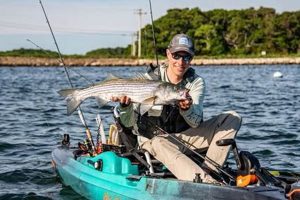
Paddling through the calm, clear waters off Baja California Sur’s eastern coast offers anglers a unique opportunity to target a variety of prized game fish. This style of angling involves navigating near-shore environments and leveraging the stealth and maneuverability of kayaks to access areas unreachable by larger vessels. Anglers often encounter species like dorado, roosterfish, yellowtail, and marlin, depending on the season.
This approach provides a sustainable, intimate connection with the marine environment and offers a challenging yet rewarding experience. The low impact nature of kayak fishing minimizes disturbance to the ecosystem while maximizing the thrill of the chase. Historically, local fishermen have utilized small boats for generations, and the modern adaptation with kayaks carries on this tradition while incorporating contemporary techniques and equipment.
This article will further delve into the specifics of this style of fishing, covering topics such as essential gear, optimal locations and seasons, recommended techniques, and relevant conservation practices. It will also address safety considerations and provide resources for prospective anglers interested in exploring this exciting pursuit.
Tips for Baja Kayak Fishing
Successful kayak angling in the waters off Baja California Sur requires careful planning and execution. The following tips offer guidance for a safe and productive experience.
Tip 1: Prioritize Safety Equipment: Always wear a personal flotation device (PFD) and carry essential safety gear, including a VHF radio, signaling devices (whistle, flares), and a first-aid kit. A leash connecting the paddle to the kayak is also recommended.
Tip 2: Understand Local Regulations: Ensure compliance with Mexican fishing regulations and obtain the necessary licenses and permits before embarking on any fishing trip. Research any local restrictions regarding catch limits or protected areas.
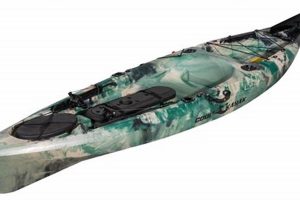
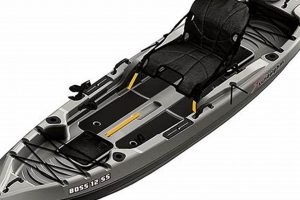
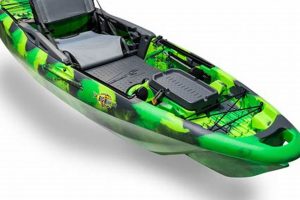
Tip 3: Choose the Right Kayak: Select a stable, sit-on-top kayak specifically designed for fishing. Consider factors like storage capacity, weight capacity, and maneuverability when choosing a suitable vessel.
Tip 4: Pack Essential Fishing Gear: Bring appropriate rods, reels, lines, and lures suited for the target species. A fish finder and GPS unit can significantly enhance angling success. Pack a dry bag to protect electronics and other valuables from water damage.
Tip 5: Monitor Weather Conditions: Check marine weather forecasts before heading out and avoid fishing in adverse conditions such as strong winds or rough seas. Be aware of changing tides and currents.
Tip 6: Practice Proper Kayak Handling: Develop proficiency in basic kayaking skills like paddling, turning, and maintaining balance. Practice self-rescue techniques in calm water before venturing further offshore.
Tip 7: Respect the Environment: Practice catch-and-release whenever possible. Properly dispose of fishing line and other waste to minimize environmental impact. Avoid disturbing marine life and sensitive habitats.
Tip 8: Hire a Local Guide: Especially for those unfamiliar with the area, engaging a local guide can provide valuable insights into productive fishing spots, local regulations, and safety procedures.
Adhering to these guidelines will enhance safety, increase the likelihood of a successful fishing trip, and contribute to the preservation of the marine environment.
By implementing these strategies, anglers can optimize their experience and foster a deeper appreciation for the unique challenges and rewards of kayak fishing off Baja California Sur.
1. Location

The East Cape of Baja California Sur, Mexico, holds a particular significance for this specialized angling pursuit. The region’s unique geographical and ecological characteristics make it an ideal destination, offering diverse habitats and abundant fish populations. Understanding the nuances of this location is crucial for maximizing the potential of a kayak fishing adventure.
- Coastal Topography
The East Cape’s coastline presents a diverse range of features, from sandy beaches and rocky coves to protected bays and open ocean exposures. This varied topography creates diverse habitats that attract a wide array of fish species. Kayak anglers can exploit these features, utilizing the maneuverability of their vessels to access shallow-water reefs, navigate around rocky outcrops, and explore hidden coves teeming with marine life. The dynamic interplay of land and sea provides fertile fishing grounds for experienced and novice anglers alike.
- Prevailing Currents and Water Temperatures
The confluence of warm currents from the Sea of Cortez and cooler Pacific waters creates a nutrient-rich environment that supports thriving fish populations. These currents also influence the movement and behavior of target species, dictating optimal fishing locations and techniques. Knowledge of prevailing currents and water temperatures is essential for anglers to effectively target their desired species. Seasonal variations in these factors further contribute to the dynamic nature of the fishery.
- Proximity to Deep Water
The East Cape’s close proximity to deep offshore waters allows kayak anglers to access pelagic species like marlin, tuna, and dorado, which venture closer to shore in search of food. This unique characteristic distinguishes the East Cape from other inshore fishing destinations. The ability to target these large, powerful fish from a kayak provides a thrilling and challenging experience that draws anglers from around the globe.
- Accessibility and Infrastructure
While maintaining a sense of remote wilderness, the East Cape offers sufficient infrastructure to support kayak fishing expeditions. Launch points, accommodations, and guide services are available, catering to a range of needs and budgets. This balance between accessibility and unspoiled nature contributes to the appeal of the location, allowing anglers to experience the thrill of the sport while enjoying the tranquility of the Baja peninsula.
The convergence of these factors makes the East Cape a premier destination. The diverse coastline, nutrient-rich waters, access to pelagic species, and supporting infrastructure contribute to an exceptional experience, offering both challenge and reward to those who explore its waters by kayak. It is the synergistic relationship between these elements that truly defines the allure and potential of this unique location.
2. Activity
Kayak fishing, as an activity, forms the core of the east cape fishing experience. It dictates the type of engagement anglers have with the environment and the target species. The inherent limitations and advantages of kayaks shape the strategies employed and influence the overall outcome. Utilizing a kayak necessitates a focus on lightweight gear and specialized techniques. For example, longer rods designed for casting from a seated position become essential, and mastering techniques like paddle management while simultaneously fighting a fish becomes crucial. This specialized approach distinguishes it from shore-based or boat-based fishing and significantly contributes to the unique character of the experience.
The physicality of kayak fishing adds another layer to the activity. Paddling to fishing grounds requires a degree of physical fitness and endurance. Maneuvering the kayak in varying sea conditions, especially when battling strong currents or wind, presents a physical challenge. This active participation enhances the sense of accomplishment and connection with the marine environment. The element of self-reliance inherent in kayak fishing, particularly in remote locations like the East Cape, further underscores its distinct nature. Anglers must be prepared to handle all aspects of the trip, from navigation and weather assessment to fish handling and potential emergencies.
Ultimately, the activity of kayak fishing defines the parameters within which anglers operate in the East Cape. It necessitates adaptation, emphasizes angler skill, and fosters a direct interaction with the natural world. This intimate engagement, coupled with the challenges posed by the environment and the target species, contributes to the unique and rewarding nature of the experience. It transforms the act of fishing from passive observation to active participation, embedding the angler within the dynamic ecosystem of the East Cape.
3. Target

The pursuit of pelagic gamefish defines the essence of east cape kayak fishing. These oceanic wanderers, including species like dorado (mahi-mahi), wahoo, tuna, and marlin, represent the pinnacle of sport fishing, attracting anglers with their strength, speed, and acrobatic displays. Their presence in the waters off the East Cape is directly linked to the region’s unique oceanographic conditions, specifically the convergence of nutrient-rich currents and the proximity of deep offshore waters. This combination creates a fertile feeding ground attracting these highly sought-after species. The targeting of these fish influences every aspect of the kayak fishing experience, from the specialized tackle and techniques employed to the strategic planning required to locate and engage them successfully. For example, anglers often employ trolling methods using lures that mimic the baitfish favored by pelagic predators. Live bait, such as mackerel or sardines, is also a popular choice, enhancing the chances of enticing a strike. The size and power of these fish necessitate robust tackle, including heavy-duty rods, reels, and lines, specifically designed to withstand the rigors of battling these oceanic gladiators.
The importance of pelagic gamefish as a component of east cape kayak fishing extends beyond the thrill of the chase. Their presence contributes significantly to the local economy, supporting tourism and related industries. Fishing charters, guides, tackle shops, and lodging establishments all benefit from the influx of anglers seeking to test their skills against these formidable opponents. Furthermore, the pursuit of these fish fosters a deep appreciation for the marine environment and the intricate web of life that sustains it. Understanding the migratory patterns, feeding habits, and ecological roles of these species reinforces the importance of conservation efforts aimed at preserving their populations and protecting the delicate balance of the ocean ecosystem. Successfully targeting pelagic gamefish requires a combination of skill, knowledge, and respect for the environment, culminating in a truly enriching experience.
The dynamic interaction between pelagic gamefish and the specific environment of the East Cape forms the foundation of this unique angling pursuit. Recognizing the ecological factors that influence their presence, combined with a practical understanding of effective fishing techniques, enhances the likelihood of success. However, the ultimate reward lies not solely in the capture of these magnificent creatures but in the profound connection forged with the ocean and its inhabitants. The challenges inherent in east cape kayak fishing, coupled with the potential for unforgettable encounters with pelagic gamefish, cement its status as a premier adventure angling destination. The continued viability of this pursuit rests on responsible fishing practices and a commitment to conservation, ensuring that future generations can experience the thrill of engaging with these remarkable species in the pristine waters of the East Cape.
4. Gear
The specialized nature of east cape kayak fishing necessitates careful consideration of gear. Lightweight equipment is paramount due to the limited carrying capacity and the physical demands of paddling. Kayaks, unlike larger vessels, offer minimal storage space, requiring anglers to prioritize essential items and minimize unnecessary weight. This emphasis on lightweight gear extends to rods, reels, tackle boxes, and even personal items. Specialized gear tailored to the target speciespelagic gamefishis also crucial. Heavier rods and reels designed for larger fish like marlin and tuna become essential, yet these must still remain manageable within the confines of a kayak. High-quality braided fishing line offers superior strength and sensitivity in challenging conditions, enabling anglers to detect subtle bites and effectively manage powerful runs. Choosing lures that mimic local baitfish, or opting for live bait, further enhances the chances of success. Leaders and other terminal tackle must be appropriately sized and selected based on the targeted species. Lightweight yet durable gaffs and landing nets become crucial tools for safely securing larger catches.
The interplay between lightweight and specialized gear becomes particularly evident in the choice of kayaks themselves. Stable, sit-on-top kayaks designed specifically for fishing are essential. Features such as rod holders, paddle leashes, and built-in storage compartments contribute to efficiency and organization. Selecting a kayak with appropriate weight capacity and length ensures stability and maneuverability in varying sea conditions. For example, a longer kayak might provide more speed and tracking for covering larger distances, while a shorter, wider kayak could offer greater stability in rougher waters closer to shore. The choice of propulsion also influences gear selection. Paddle kayaks require efficient, lightweight paddles, while pedal-powered kayaks offer hands-free fishing but necessitate consideration of weight and maintenance requirements. Ultimately, the success of an east cape kayak fishing expedition relies heavily on striking the right balance between minimizing weight and maximizing functionality through specialized gear choices.
Understanding the critical role of lightweight, specialized gear directly impacts the safety and effectiveness of east cape kayak fishing. Overburdening a kayak compromises stability, increasing the risk of capsizing, especially when battling strong currents or larger fish. Inadequate or improperly selected gear can lead to equipment failure at critical moments, resulting in lost catches or potentially hazardous situations. Conversely, investing in appropriate, high-quality gear enhances the overall experience, allowing anglers to focus on the thrill of the chase and the beauty of the East Cape environment. The careful selection and strategic utilization of lightweight, specialized equipment contributes significantly to a successful and rewarding east cape kayak fishing adventure. It empowers anglers to confidently navigate the challenges and fully appreciate the unique opportunities presented by this demanding yet fulfilling pursuit.
5. Technique

Stealth and maneuverability represent fundamental advantages offered by kayaks in the context of east cape fishing. The low profile and quiet operation of a kayak allow anglers to approach fish with minimal disturbance, a critical factor when targeting wary species in shallow, clear waters. Unlike motorized boats, kayaks produce minimal noise and vibration, reducing the likelihood of spooking fish, particularly in calm conditions. This inherent stealth allows anglers to get closer to their target, increasing the chances of a successful presentation and hookup. The maneuverability of a kayak further enhances its effectiveness. Kayaks can navigate shallow reefs, weave through tight channels, and access areas inaccessible to larger vessels. This agility allows anglers to exploit specific features of the East Cape’s coastline, targeting areas where fish congregate or ambush prey. For example, navigating through mangrove-lined estuaries or along rocky shorelines provides opportunities to target species that inhabit these complex environments. Quick adjustments in position, crucial when responding to changing currents or the movements of fish, are easily achieved in a kayak. The ability to swiftly change direction or hold position against the current offers a distinct advantage when presenting baits or lures precisely where they are most effective. These techniques are often essential for success when targeting specific species known to inhabit particular areas.
Consider a scenario where an angler is targeting roosterfish patrolling a shallow reef. The stealth of the kayak allows the angler to approach the reef without alarming the fish, while the maneuverability enables precise placement of a lure in the roosterfish’s path. Similarly, when pursuing dorado around floating debris or kelp patties, a kayak’s nimble handling allows the angler to quickly adjust position and maintain optimal casting angles, maximizing the chances of hooking these fast-moving predators. These practical applications of stealth and maneuverability directly translate into increased fishing success. The ability to access productive areas quietly and effectively present baits or lures significantly improves the likelihood of hooking into target species. This understanding of how kayak-specific techniques contribute to success differentiates this approach from other fishing methods and underscores the unique challenges and rewards of east cape kayak fishing.
The effectiveness of east cape kayak fishing rests significantly on the angler’s ability to leverage the stealth and maneuverability inherent in this mode of fishing. These characteristics become paramount when targeting species in the East Cape’s dynamic nearshore environment. While appropriate gear and knowledge of local conditions play a crucial role, the skillful application of these techniques distinguishes successful anglers. Mastering the nuances of kayak control, understanding fish behavior, and adapting to changing environmental conditions ultimately determine the outcome of each fishing expedition. The challenges presented by this style of fishing, combined with the potential rewards, contribute to its allure and solidify its position as a unique and engaging pursuit within the broader context of sport fishing.
6. Season
The seasonality of east cape kayak fishing significantly influences its success. Spring and summer emerge as the optimal periods due to a confluence of factors directly impacting the presence and behavior of target fish species. During these months, warming water temperatures and increased daylight hours stimulate heightened biological activity. Baitfish become more abundant, attracting larger pelagic predators closer to shore, creating ideal conditions for kayak anglers. The calmer seas typical of these seasons also contribute to optimal kayaking conditions. Reduced winds and swells facilitate easier navigation and paddling, allowing anglers to cover greater distances and access more remote fishing grounds. This seasonal influence is not merely a matter of preference but a critical factor determining the potential for successful encounters with target species like dorado, marlin, and tuna. For example, dorado, known for their vibrant colors and acrobatic fights, are particularly abundant during the warmer months when they migrate closer to the East Cape in pursuit of prey. Similarly, marlin, prized for their size and power, are more frequently encountered during these seasons as they follow the warmer currents into the region’s rich fishing grounds.
Understanding the nuances of seasonal variations provides anglers with a strategic advantage. Recognizing peak seasons allows for optimized trip planning, increasing the likelihood of encountering desired species. Conversely, fishing outside of these optimal periods may require adjustments in targeted species, techniques, and locations. For instance, while spring and summer offer prime conditions for pelagic species, the cooler months may shift the focus to inshore species like roosterfish or snapper, requiring different tackle and approaches. Adapting to these seasonal fluctuations is crucial for maximizing the overall effectiveness of east cape kayak fishing. Furthermore, this understanding fosters a deeper appreciation for the dynamic interplay between environmental factors and the behavior of marine life. Recognizing the influence of seasonal changes enhances the connection between anglers and the ecosystem they engage with, promoting a more responsible and informed approach to fishing.
The significance of spring and summer as the prime seasons for east cape kayak fishing directly stems from the convergence of favorable environmental conditions and the corresponding behavioral patterns of target fish species. This understanding provides practical guidance for trip planning and execution, ultimately enhancing the likelihood of a successful and rewarding experience. Recognizing the dynamic nature of the marine environment and adapting to seasonal variations is essential for maximizing the opportunities presented by east cape kayak fishing. This knowledge fosters a more holistic perspective on the sport, encouraging anglers to consider the broader ecological context within which their fishing activities take place. It underscores the importance of responsible fishing practices and reinforces the connection between anglers and the delicate balance of the East Cape ecosystem.
7. Conservation
Conservation, particularly the practice of catch and release, forms an integral component of responsible east cape kayak fishing. The sustainability of this activity relies heavily on minimizing environmental impact and preserving fish populations for future generations. Catch and release, while not always mandatory, is strongly encouraged as a central conservation strategy. It allows anglers to experience the thrill of the catch while minimizing long-term harm to the fish and the broader ecosystem. This practice aligns with the low-impact nature of kayak fishing itself, furthering its reputation as a sustainable angling method.
- Minimizing Physiological Stress
Proper handling techniques during catch and release minimize physiological stress on the fish. Supporting the fish horizontally, minimizing air exposure, and using appropriate de-hooking tools reduce trauma and increase the likelihood of successful post-release survival. This careful approach ensures the fish can quickly recover and rejoin the breeding population, contributing to the long-term health of the species. For pelagic species like marlin, which are particularly susceptible to stress, these practices are especially crucial.
- Protecting Breeding Populations
Releasing caught fish, especially breeding-sized individuals, helps maintain healthy fish populations. Removing large numbers of mature fish disrupts the natural breeding cycle and can negatively impact the overall population structure. Catch and release contributes directly to the replenishment of fish stocks, ensuring the longevity of the fishery and the preservation of the East Cape’s marine biodiversity. This is especially important for slow-growing species with lower reproductive rates.
- Reducing Bycatch Mortality
Bycatch, the unintentional capture of non-target species, is a concern in many fisheries. Practicing catch and release minimizes the mortality of bycatch species, which might include juvenile fish, protected species, or fish not intended for consumption. This conscientious approach helps maintain the ecological balance and reduces unintended pressure on non-target populations. Kayak fishing, due to its targeted nature, inherently minimizes bycatch, and the practice of catch and release further strengthens this advantage.
- Promoting Sustainable Tourism
The adoption of catch and release practices promotes sustainable tourism in the East Cape. By prioritizing conservation, anglers contribute directly to the long-term health of the fishery, ensuring its continued viability as a recreational resource. This responsible approach attracts environmentally conscious anglers and reinforces the East Cape’s reputation as a destination that values both fishing and ecological preservation. This balance benefits the local economy while protecting the natural environment that sustains it.
The integration of catch and release into east cape kayak fishing solidifies its position as a responsible and sustainable angling pursuit. By prioritizing conservation through this practice, anglers become active stewards of the East Cape’s marine environment, ensuring the health of fish populations and the preservation of this unique ecosystem for future generations. The emphasis on catch and release aligns seamlessly with the low-impact nature of kayak fishing, further reinforcing its value as a sustainable and environmentally sound approach to experiencing the thrill and challenge of sport fishing. It fosters a deeper connection between anglers and the natural world, transforming the act of fishing into an opportunity for both personal enjoyment and environmental stewardship.
Frequently Asked Questions
This section addresses common inquiries regarding kayak fishing in the East Cape region of Baja California Sur.
Question 1: What are the primary target species when kayak fishing in the East Cape?
Target species vary seasonally, but commonly include dorado (mahi-mahi), marlin, tuna, roosterfish, and wahoo. Inshore species like snapper and grouper are also possibilities.
Question 2: Is experience required for kayak fishing in this area?
Prior kayaking experience is highly recommended. Experience with offshore fishing techniques is also beneficial. Novice kayakers should consider hiring a local guide, especially for initial excursions.
Question 3: What essential safety precautions should one take?
Essential safety precautions include wearing a personal flotation device (PFD), carrying a VHF radio, signaling devices, and a first-aid kit. Checking weather forecasts and understanding local sea conditions are crucial. A leash connecting the paddle to the kayak is also advised.
Question 4: What type of kayak is best suited for fishing in the East Cape?
Sit-on-top kayaks designed specifically for fishing are recommended. Stability, storage capacity, and maneuverability should be considered when selecting a kayak. The choice between paddle and pedal kayaks depends on individual preference and fishing style.
Question 5: Are there specific regulations or licensing requirements for fishing in this region?
Mexican fishing regulations apply, and appropriate licenses and permits are required. Regulations vary depending on target species and fishing location. Researching current regulations and obtaining necessary documentation before any fishing trip is essential.
Question 6: What impact does seasonality have on fishing success in the East Cape?
Seasonality significantly impacts the presence and behavior of target fish. Spring and summer generally offer the best conditions for pelagic species. Understanding seasonal variations in fish behavior is crucial for optimizing trip planning and maximizing success.
Careful consideration of these frequently asked questions, combined with thorough planning and preparation, will contribute to a safer and more rewarding East Cape kayak fishing experience.
For further information and resources, consult local fishing guides and reputable outfitters specializing in East Cape kayak fishing expeditions.
East Cape Kayak Fishing
East Cape kayak fishing presents a unique blend of challenge, reward, and responsibility. This pursuit demands specialized gear and techniques, emphasizing stealth and maneuverability within a dynamic marine environment. The allure of targeting powerful pelagic species like marlin and dorado draws anglers to the East Cape’s rich waters, particularly during the optimal fishing seasons of spring and summer. However, the pursuit’s long-term viability rests on a foundation of conservation, with catch-and-release practices playing a crucial role in preserving fish populations and maintaining the ecological balance.
The East Cape’s distinctive coastal topography and proximity to deep offshore waters create an ideal habitat for these prized gamefish. Successful navigation of this environment requires not only physical prowess and skillful kayak handling but also a deep respect for the natural world. East Cape kayak fishing offers more than just a thrilling sporting experience; it provides an opportunity for profound connection with the ocean and its inhabitants. The future of this pursuit depends on a continued commitment to responsible angling practices, ensuring that this unique and rewarding experience remains available for generations to come.