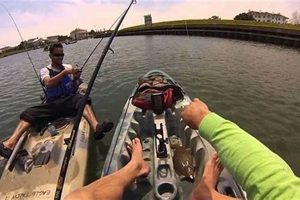
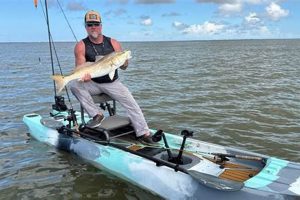
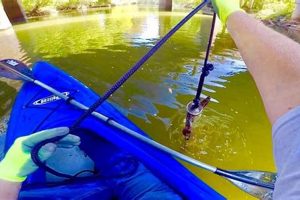
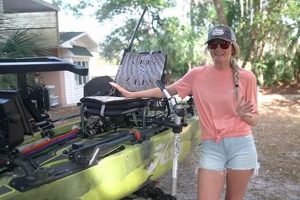
Launching a small, human-powered vessel from Leffingwell Landing provides access to productive inshore waters. This activity allows anglers to pursue a variety of fish species in a relatively shallow environment. Using these vessels offers a quiet, maneuverable approach, enabling exploration of areas often inaccessible to larger boats, and facilitating a close connection with the marine environment. This method typically involves specialized equipment such as lightweight rods, reels, and lures designed for this specific type of fishing.
This approach to angling offers several advantages. The minimal environmental impact compared to motorized boating contributes to the preservation of fragile ecosystems. The physical exertion inherent in paddling provides exercise and promotes a direct engagement with the natural world. Additionally, the smaller scale of the activity can offer a more tranquil and less crowded fishing experience. The historical context of human-powered watercraft for fishing highlights a longstanding connection between humans and the sea, demonstrating a sustainable method of harvesting resources.
Further exploration of this topic could include detailed discussions of appropriate gear and techniques, specific species targeted, conservation considerations, and the unique challenges and rewards associated with this method. Additionally, exploring the specific geographic and ecological characteristics of the Leffingwell Landing area would provide a more comprehensive understanding of the local fishing opportunities.
Tips for Kayak Fishing at Leffingwell Landing
Careful planning and preparation contribute significantly to a successful and enjoyable fishing experience. The following tips provide valuable insights for anglers launching kayaks from Leffingwell Landing.
Tip 1: Check Weather and Tide Conditions: Prior to departure, consult marine forecasts for wind speed, wave height, and tidal currents. Strong winds or currents can create hazardous conditions for small vessels. Tidal fluctuations influence fish behavior and access to shallow areas.
Tip 2: Utilize Appropriate Safety Gear: A personal flotation device (PFD) is essential. Carry a whistle, signaling mirror, and communication device (VHF radio or waterproof cell phone) for emergencies. A first-aid kit should also be readily accessible.
Tip 3: Plan a Float Plan: Inform someone onshore of the intended fishing location and estimated return time. This ensures assistance can be dispatched if necessary.
Tip 4: Respect Wildlife and the Environment: Practice catch-and-release whenever possible, handling fish gently and minimizing their time out of the water. Adhere to local fishing regulations and avoid disturbing nesting birds or other wildlife.
Tip 5: Pack Essential Gear and Supplies: Carry sufficient water, snacks, and sun protection. Fishing gear should be appropriate for the targeted species and include tackle, pliers, line cutters, and a landing net. A dry bag can protect valuables from water damage.
Tip 6: Launch and Land Safely: Choose a designated launch area with calm water conditions. Be mindful of other boaters and maintain a safe distance. When landing, secure the kayak properly to prevent damage or loss.
Tip 7: Practice Proper Kayak Handling Techniques: Familiarize oneself with basic paddling strokes and maneuvering skills prior to venturing into open water. This enhances safety and efficiency on the water.
Adherence to these guidelines promotes both a productive and safe fishing experience. Responsible angling practices contribute to the long-term health of the marine environment and ensure continued enjoyment of this recreational activity.
By incorporating these tips into pre-trip planning and on-the-water practices, anglers can maximize their chances of success while minimizing potential risks. This comprehensive approach ensures a positive and sustainable interaction with the marine ecosystem.
1. Location Specifics

Leffingwell Landing’s distinct geographical features significantly influence kayak fishing experiences. Understanding these nuances is crucial for successful angling and safe navigation.
- Launch Points:
The available launch points at Leffingwell Landing dictate initial access to the water. Some locations may offer easier entry and exit due to gentler slopes or the presence of docks. Others might require more careful navigation due to rocky terrain or stronger currents. Choosing an appropriate launch point based on skill level and prevailing conditions is paramount for a safe and efficient start to the fishing trip. For example, a sandy beach area offers a simpler launch compared to a rocky shoreline.
- Currents and Tides:
Tidal currents around Leffingwell Landing impact kayak maneuverability and fish behavior. Stronger currents can present challenges for paddling and require careful navigation. Understanding tidal patterns helps anglers predict fish movement and select optimal fishing locations. Consulting tide charts prior to launching is essential for efficient fishing and safe navigation. For instance, fishing during slack tide might provide calmer conditions compared to peak tidal flow.
- Proximity to Fishing Grounds:
The distance from launch points to productive fishing areas influences time spent paddling versus fishing. Leffingwell Landing’s proximity to reefs, kelp forests, or other fish-holding structures impacts angling success. Understanding these locations allows for efficient trip planning and maximizes fishing opportunities. Knowledge of local bathymetry and underwater features can significantly enhance fishing outcomes. Accessing nearshore reefs may require shorter paddles compared to reaching offshore fishing grounds.
- Shelter and Exposure:
Leffingwell Landing’s surrounding topography affects exposure to wind and waves. Sheltered coves provide calmer conditions, while exposed areas can experience stronger winds and rougher waters. Considering wind direction and speed during trip planning is crucial for kayak fishing safety. Choosing a sheltered launch point and fishing location enhances comfort and stability, particularly in challenging weather conditions. A protected bay offers safer conditions compared to a headland exposed to open ocean swells.
Considering these location-specific factors in pre-trip planning contributes significantly to a successful and safe kayak fishing experience at Leffingwell Landing. Careful assessment of launch points, currents, proximity to fishing grounds, and shelter from prevailing weather conditions allows anglers to maximize their time on the water and optimize fishing success.
2. Kayak Suitability
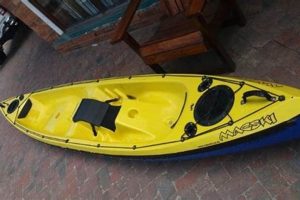
Kayak selection significantly impacts the effectiveness and safety of fishing excursions launched from Leffingwell Landing. Appropriate vessel characteristics enhance maneuverability, stability, and the capacity to transport necessary gear. The landing’s specific conditions, including potential surf launches or challenging currents, necessitate careful consideration of kayak design. A longer, narrower kayak, designed for speed and efficiency in open water, might prove less stable and more difficult to manage in the surf zone or strong currents compared to a shorter, wider, more stable design. Similarly, a sit-on-top kayak offers advantages in warmer conditions and easier re-entry after a potential capsize, while a sit-in kayak provides greater protection from colder water and spray.
Stability considerations are paramount, particularly when navigating potentially challenging conditions near the landing. A kayak’s inherent stability influences its resistance to tipping, especially when contending with waves, currents, or the shifting weight of an angler fighting a fish. Sufficient storage capacity is crucial for carrying essential fishing gear, safety equipment, and personal provisions. A kayak equipped with ample storage compartments or deck rigging allows for organized and accessible gear stowage, maximizing fishing efficiency and safety. For example, a kayak with dedicated rod holders and tackle storage compartments contributes to a more organized and productive fishing experience.
Matching kayak characteristics to the specific conditions and demands of Leffingwell Landing directly correlates with fishing success and overall safety. Selecting an appropriate vessel allows anglers to confidently navigate the local waters, focus on fishing, and respond effectively to changing conditions. Failure to consider kayak suitability can compromise safety, limit access to prime fishing locations, and detract from the overall enjoyment of the experience. Prioritizing appropriate kayak selection ensures a more productive, safe, and ultimately more rewarding fishing trip from Leffingwell Landing.
3. Target Species

Target species significantly influence equipment choices and fishing strategies employed at Leffingwell Landing. Each species exhibits distinct behavioral patterns and habitat preferences, necessitating tailored approaches for successful angling. For example, rockfish often inhabit rocky reefs and kelp forests, requiring heavier tackle and lures designed for deeper water presentations. Surfperch, on the other hand, frequent shallower, sandy areas and respond well to lighter tackle and smaller lures retrieved through the surf zone. This diversity necessitates anglers’ understanding of the target species’ specific needs and adapting their techniques accordingly.
The prevalence of specific target species at Leffingwell Landing varies seasonally, influenced by factors such as water temperature, baitfish migrations, and spawning cycles. Halibut, for instance, might be more prevalent during certain months when they move closer to shore for feeding or spawning. Calico bass, conversely, may exhibit greater activity during warmer months when they inhabit shallower waters. This dynamic nature underscores the importance of researching seasonal patterns and adjusting fishing strategies based on the prevalent species at different times of the year. Understanding these patterns allows anglers to optimize their efforts and target specific species effectively.
Knowledge of target species’ preferred foraging habits is essential for successful kayak fishing. Understanding the dietary preferences of the intended catch informs lure selection, presentation techniques, and fishing location choices. Matching lure color, size, and action to the prey items commonly consumed by the target species significantly increases the likelihood of attracting strikes. Presenting these lures in areas where the target species typically forages maximizes fishing efficiency. This comprehensive understanding of target species’ biology and behavior directly translates to increased angling success at Leffingwell Landing. Effective angling hinges on a nuanced understanding of the interplay between species, environment, and fishing techniques.
4. Tidal Influence

Tidal fluctuations exert a profound influence on kayak fishing at Leffingwell Landing, impacting both fish behavior and navigable waterways. Understanding tidal patterns is crucial for optimizing fishing success and ensuring safe navigation. Tidal currents, water depth changes, and access to specific areas all correlate directly with tidal stages, necessitating careful planning and adjustment of fishing strategies based on these dynamic conditions.
- Current Strength and Direction
Tidal currents around Leffingwell Landing vary significantly in strength and direction throughout the tidal cycle. Strong currents can create challenging paddling conditions, particularly for less experienced kayakers. Understanding current patterns allows for efficient navigation and strategic positioning within the water column. For example, fishing near structure during an incoming tide can concentrate baitfish and attract predatory species. Conversely, strong outgoing currents may necessitate adjustments in kayak positioning to maintain control and avoid drifting into hazardous areas.
- Water Depth and Accessibility
Tidal fluctuations alter water depths, impacting access to shallow areas such as flats, estuaries, and nearshore reefs. Certain fishing grounds may become inaccessible during low tide, while others become prime fishing locations as the tide rises. Knowledge of tidal stages allows anglers to plan accordingly and target specific areas based on their accessibility at different tide levels. For example, shallow flats may hold fish during high tide but become inaccessible during low tide, necessitating adjustments in fishing location based on tidal height.
- Fish Behavior and Feeding Patterns
Tidal flows influence fish behavior and feeding patterns. Predatory fish often concentrate near structure during tidal changes, taking advantage of increased baitfish activity. Understanding these patterns enables anglers to anticipate fish movement and strategically position themselves for optimal fishing opportunities. For instance, fishing near channel edges during a tidal shift can increase the likelihood of encountering actively feeding fish. Slack water periods, where tidal currents are minimal, may also present unique fishing opportunities as fish adjust their behavior accordingly.
- Safety Considerations
Tidal conditions directly impact kayak fishing safety. Strong currents can create hazardous situations, especially near inlets, points, or areas with significant tidal flow. Navigating these areas during peak tidal flows requires experience and careful consideration of kayak handling capabilities. Planning launch and landing times to coincide with calmer tidal conditions enhances safety, particularly for less experienced kayakers. For example, launching during slack tide minimizes the impact of currents during entry and exit from the water.
Successfully navigating the tidal waters of Leffingwell Landing requires a comprehensive understanding of these influences. By considering tidal patterns, currents, depth changes, and their impact on both fish behavior and kayak maneuverability, anglers can enhance fishing success and ensure a safer experience. Ignoring these tidal factors can lead to decreased fishing productivity, navigational challenges, and potentially hazardous situations. Integrating tidal awareness into pre-trip planning and on-the-water decision-making is fundamental for a rewarding and safe kayak fishing experience at Leffingwell Landing.
5. Safety Precautions
Safety precautions are paramount for kayak fishing at Leffingwell Landing. The environment presents inherent risks, requiring careful planning and execution to mitigate potential hazards. Cold water immersion poses a significant threat, necessitating appropriate protective clothing such as a wetsuit or drysuit, especially during colder months. Sudden changes in weather conditions, including strong winds and fog, can disorient kayakers and create challenging paddling conditions. Carrying essential safety equipment, including a personal flotation device (PFD), whistle, and communication device, is crucial. A VHF radio or waterproofed cell phone enables communication in case of emergencies. A first-aid kit equipped to handle common injuries, such as lacerations or hypothermia, should be readily accessible. For instance, a kayaker encountering unexpected fog could utilize a compass and GPS device to maintain bearings and navigate safely back to shore.
Understanding local hazards specific to Leffingwell Landing further enhances safety. Strong currents, particularly near inlets or during tidal shifts, can pose navigational challenges, potentially capsizing kayaks. Rocky shorelines and submerged obstacles increase the risk of hull damage or personal injury during launching and landing. Awareness of these local hazards informs route planning and execution. Checking weather forecasts before embarking is essential, allowing anglers to anticipate potential challenges and make informed decisions about whether to proceed. For example, strong wind warnings would necessitate postponing the trip or choosing a more sheltered location. Likewise, awareness of tidal patterns helps avoid launching or landing during periods of strong currents, minimizing risk.
Prioritizing safety precautions significantly reduces risks associated with kayak fishing at Leffingwell Landing. Preparation, including checking weather forecasts, carrying appropriate safety gear, and understanding local hazards, contributes to a safer and more enjoyable experience. Neglecting these precautions increases the likelihood of incidents, potentially leading to serious injury or even fatalities. A comprehensive approach to safety ensures anglers can focus on the enjoyment of fishing while minimizing potential dangers. This proactive approach fosters a culture of responsible angling and contributes to a safer environment for all participants.
6. Fishing Regulations
Fishing regulations govern angling activities at Leffingwell Landing, ensuring sustainable resource management and ecosystem preservation. Compliance with these regulations is crucial for maintaining healthy fish populations and preserving the recreational fishing experience for future generations. Regulations vary by species, season, and location, necessitating anglers’ thorough understanding of specific rules applicable to Leffingwell Landing before embarking on fishing trips. Ignoring these regulations can lead to penalties, including fines and license suspension, and negatively impact the local ecosystem. Adherence demonstrates responsible angling practices and contributes to the long-term health of the fishery.
- Species-Specific Size and Bag Limits
Regulations often dictate minimum and maximum size limits for certain species, protecting juvenile and breeding-sized fish. Bag limits restrict the number of each species an angler can retain per day, preventing overfishing. For example, rockfish regulations might stipulate a minimum size of 12 inches and a bag limit of 10 fish per day. Adhering to these limits contributes to maintaining healthy fish populations. Exceeding these limits can result in fines and jeopardize the sustainability of the fishery.
- Seasonal Closures and Openings
Specific fishing seasons are implemented to protect vulnerable species during critical periods like spawning or migration. Certain areas might be closed to fishing altogether during specific times of the year to minimize disturbance. For example, halibut fishing might be closed during specific months to protect spawning aggregations. Respecting these closures allows fish populations to recover and reproduce, ensuring the long-term viability of the fishery. Fishing during closed seasons carries significant penalties and undermines conservation efforts.
- Gear Restrictions
Regulations may restrict the type of fishing gear permitted in specific areas or for specific species. For example, the use of barbed hooks might be prohibited to minimize injury to released fish. Certain areas may restrict the use of nets or traps to protect sensitive habitats or prevent bycatch of non-target species. Adherence to gear restrictions minimizes environmental impact and promotes ethical angling practices. Using prohibited gear can damage habitats, harm non-target species, and result in penalties for anglers.
- License and Permit Requirements
Valid fishing licenses and specific permits are typically required for angling at Leffingwell Landing. These licenses and permits generate revenue that supports fishery management and conservation efforts. Different license types might exist for residents, non-residents, and specific age groups. Anglers must possess the correct license and any required permits before fishing. Failure to do so can result in fines. Obtaining the appropriate license and permits demonstrates legal compliance and supports sustainable fisheries management.
Understanding and adhering to all applicable fishing regulations is integral to responsible kayak fishing at Leffingwell Landing. Compliance ensures the sustainability of the fishery, protects vulnerable species, and preserves the recreational opportunity for all. By respecting these regulations, anglers contribute directly to the long-term health of the marine ecosystem and ensure the future of this valuable resource. This commitment to ethical and legal angling practices benefits both the environment and the angling community.
Frequently Asked Questions
This section addresses common inquiries regarding kayak fishing at Leffingwell Landing. Clear and accurate information is provided to assist anglers in planning safe and productive fishing trips.
Question 1: What are the primary target species for kayak anglers at Leffingwell Landing?
Common target species include rockfish, surfperch, halibut (seasonally), and calico bass. Species availability varies depending on season and environmental conditions.
Question 2: Are there specific launch fees or parking restrictions at Leffingwell Landing?
Launch fees and parking regulations can change. Contacting local authorities or checking official websites before arrival is recommended for the most current information.
Question 3: What safety equipment is essential for kayak fishing at Leffingwell Landing?
Essential safety equipment includes a personal flotation device (PFD), whistle, signaling mirror, communication device (VHF radio or waterproofed cell phone), and a first-aid kit. A compass and GPS device are also recommended.
Question 4: How do tidal currents and patterns affect kayak fishing at Leffingwell Landing?
Tidal currents influence fish behavior and navigable waterways. Consulting tide charts before departure is crucial for planning safe and efficient fishing trips. Strong currents can create challenging paddling conditions, particularly near inlets and during tidal shifts.
Question 5: What fishing regulations apply specifically to Leffingwell Landing?
Regulations include species-specific size and bag limits, seasonal closures, gear restrictions, and license requirements. Consulting official resources for current regulations before fishing is essential to ensure compliance.
Question 6: What are the potential hazards specific to kayak fishing at Leffingwell Landing?
Potential hazards include cold water immersion, sudden weather changes, strong currents, rocky shorelines, and submerged obstacles. Careful planning, appropriate safety gear, and awareness of local conditions mitigate these risks.
Careful consideration of these frequently asked questions enhances preparedness and contributes to a safer and more successful kayak fishing experience at Leffingwell Landing. Thorough planning and adherence to safety guidelines and regulations ensure the enjoyment of this activity while minimizing potential risks.
Further sections could detail specific fishing techniques, recommended gear, or provide insights into local ecosystems and conservation efforts.
Conclusion
This exploration of kayak fishing at Leffingwell Landing has highlighted the interplay between environmental factors, angler preparedness, and regulatory compliance. Successful angling at this location requires careful consideration of tidal influences, species-specific behaviors, and appropriate kayak selection. Prioritizing safety precautions, including proper gear and awareness of local hazards, is paramount for mitigating inherent risks. Adherence to fishing regulations ensures the sustainability of the fishery and preserves this recreational opportunity for future generations.
Leffingwell Landing offers a unique and rewarding kayak fishing experience. However, maximizing success and ensuring safety necessitate a comprehensive understanding of the local environment and responsible angling practices. Continued awareness of conservation principles and adherence to ethical guidelines will contribute to the long-term preservation of this valuable resource and the enjoyment of future angling opportunities.