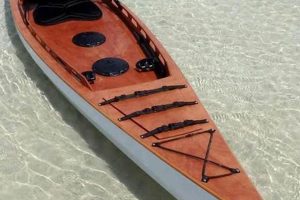
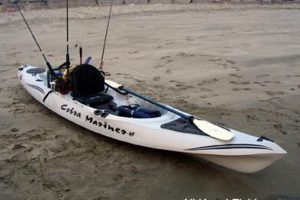
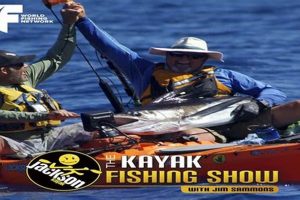
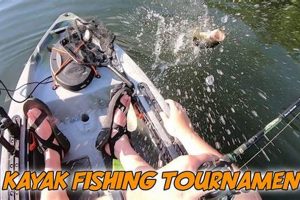
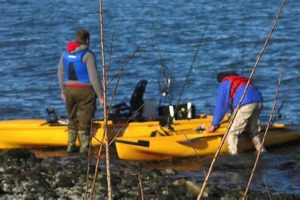
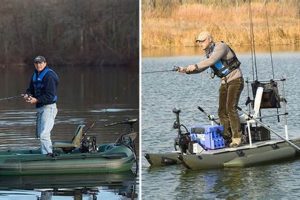
Small, human-powered watercraft designed for angling offer diverse options. These vessels range from compact, sit-on-top kayaks ideal for maneuverability in shallow waters, to larger, sit-inside kayaks better suited for open water and longer trips. Canoes, with their open design and ample storage, provide a stable platform for fishing gear and often accommodate multiple anglers. Choosing the right vessel depends on factors such as fishing style, target species, and water conditions.
The popularity of these small watercraft for angling stems from their affordability, portability, and accessibility to otherwise unreachable fishing spots. They offer a quiet, low-impact approach, allowing anglers to get closer to fish without disturbing their environment. Historically, canoes have been employed for fishing and transportation for millennia, while purpose-built fishing kayaks are a more recent development, gaining significant popularity in recent decades due to advancements in design and materials.
This discussion will delve further into the specific advantages and disadvantages of various hull designs, propulsion systems, and essential gear for optimizing the angling experience from these versatile platforms.
Tips for Angling from Small Watercraft
Optimizing the angling experience from a small, human-powered vessel requires careful planning and consideration of various factors. The following tips provide guidance for a safe and productive outing.
Tip 1: Prioritize Safety. Always wear a personal flotation device (PFD). Check weather conditions before embarking and be aware of changing tides and currents. Carry a signaling device and inform someone of the planned fishing location and estimated return time.
Tip 2: Choose the Right Vessel. Select a watercraft suited to the intended fishing environment. Consider factors like stability, maneuverability, and storage capacity. Kayaks offer speed and efficiency, while canoes provide stability and space.
Tip 3: Organize Gear Strategically. Keep essential fishing gear within easy reach while maintaining balance and stability. Utilize rod holders, tackle boxes, and dry bags to secure equipment and prevent loss or damage.
Tip 4: Practice Paddling and Casting Techniques. Develop efficient paddling strokes to conserve energy and navigate effectively. Practice casting from a seated position, accounting for the limited space and movement within the vessel.
Tip 5: Respect the Environment. Adhere to “catch and release” practices whenever possible. Properly dispose of fishing line and other waste materials. Minimize disturbance to wildlife and their habitats.
Tip 6: Learn Basic Navigation and Water Safety. Familiarize oneself with navigational aids and charts. Understand basic water safety procedures, including self-rescue techniques in case of capsizing.
Tip 7: Pack Essential Safety Gear. Carry a first-aid kit, a whistle or air horn, a waterproof flashlight, and a knife or multi-tool. A communication device, such as a VHF radio or a waterproof cell phone, can be crucial in emergencies.
By following these guidelines, anglers can enhance their safety, improve their fishing success, and minimize their environmental impact while enjoying the unique experience of angling from a small watercraft.
These practical tips provide a foundation for successful and enjoyable fishing expeditions. Further exploration of specific techniques and equipment will refine skills and optimize results on the water.
1. Vessel Selection

Vessel selection represents a pivotal decision for anglers utilizing small watercraft. The choice between a kayak and a canoe significantly influences fishing success and overall experience. Several factors dictate the optimal vessel, including the intended fishing environment, target species, and individual angler preferences. Kayaks, known for their maneuverability and speed, excel in navigating tight waterways and targeting agile fish species. Their lower profile reduces wind resistance, advantageous in open water. Conversely, canoes offer greater stability and carrying capacity, making them suitable for larger bodies of water, heavier gear, and potentially multiple anglers. This increased stability also provides a more secure platform for stand-up fishing. For example, a nimble kayak proves ideal for pursuing bass in shallow, vegetated areas, whereas a stable canoe offers a superior platform for fly fishing in calm lakes or rivers. Understanding these nuances empowers informed decisions aligned with specific angling needs.
Beyond the fundamental kayak versus canoe decision, further considerations refine vessel selection. Within kayak categories, sit-on-top models provide enhanced stability and ease of entry/exit, benefiting anglers in warmer climates or those prone to accidental submersion. Sit-inside kayaks offer greater protection from the elements and improved tracking in open water. Canoe variations, such as those designed specifically for fishing, often incorporate features like rod holders and integrated storage compartments. Material construction also plays a crucial role. Durable polyethylene kayaks withstand impacts and abrasion, while lighter-weight composite materials enhance speed and efficiency, albeit at a higher cost. Careful evaluation of these features ensures vessel selection aligns with individual needs and budgetary constraints. For instance, an angler targeting large game fish in offshore environments might prioritize a sit-inside kayak constructed from durable materials, while a recreational angler fishing calm ponds might prefer a lightweight, maneuverable sit-on-top kayak.
Effective vessel selection hinges on a comprehensive understanding of the intended fishing application. Careful consideration of factors ranging from environmental conditions and target species to individual angler preferences and budgetary limitations ensures an optimized fishing experience. A well-chosen vessel maximizes efficiency, safety, and ultimately, angling success. Neglecting these considerations can lead to an unsuitable vessel, compromising stability, maneuverability, and overall enjoyment on the water. Therefore, thorough research and informed decision-making are paramount for selecting the optimal fishing platform.
2. Stability and Safety
Stability and safety represent paramount concerns for anglers utilizing small watercraft. These vessels, by their nature, present unique challenges related to balance and potential capsizing. Understanding the factors influencing stability and implementing appropriate safety measures are crucial for a secure and enjoyable fishing experience.
- Center of Gravity
Maintaining a low center of gravity is fundamental to stability. Anglers should distribute weight evenly within the vessel, avoiding sudden movements or leaning excessively. Adding weight low in the hull, such as tackle boxes or anchors, enhances stability. Conversely, elevated weight, like a standing angler, raises the center of gravity and increases the risk of capsizing. Understanding the impact of weight distribution empowers anglers to make informed decisions about positioning gear and moving within the vessel.
- Vessel Design
Hull design significantly influences stability. Wider, flatter hulls offer greater initial stability, resisting tipping, while narrower, more rounded hulls provide secondary stability, recovering more readily from larger leans. Kayaks and canoes exhibit varying degrees of stability based on their design. Anglers should select a vessel appropriate for their skill level and intended fishing environment. For example, a wider, more stable kayak or canoe might be preferable for beginners or those fishing in rougher conditions.
- Environmental Conditions
Wind, waves, and currents directly impact stability. Anglers must assess environmental conditions before embarking and adjust their approach accordingly. Strong winds or choppy water necessitate increased caution and potentially limit fishing locations. Understanding the impact of these factors on vessel stability allows anglers to make informed decisions about when and where to fish safely.
- Safety Equipment
Utilizing appropriate safety equipment is non-negotiable. Wearing a personal flotation device (PFD) is essential, regardless of skill level or water conditions. Carrying a signaling device, such as a whistle or air horn, and informing someone of the planned fishing location and estimated return time are crucial safety precautions. Additional safety gear, including a first-aid kit, a waterproof flashlight, and a knife or multi-tool, can prove invaluable in emergencies.
These interconnected facets of stability and safety directly influence the angling experience from small watercraft. Prioritizing stability through informed vessel selection, careful weight distribution, and awareness of environmental conditions minimizes the risk of capsizing. Coupling these practices with the consistent use of essential safety equipment ensures a secure and enjoyable outing. Neglecting these considerations can lead to hazardous situations, compromising not only the fishing experience but also personal safety. Therefore, a thorough understanding of these principles is paramount for responsible and successful angling from kayaks and canoes.
3. Equipment Storage

Efficient equipment storage is crucial for successful angling from small watercraft. Limited space necessitates strategic organization to maximize accessibility while maintaining vessel stability and maneuverability. Effective storage solutions directly impact fishing efficiency and overall enjoyment on the water.
- Storage Types
Various storage solutions cater to diverse needs and vessel types. Built-in compartments, often found in purpose-built fishing kayaks, offer secure and waterproof storage for essential gear. Tackle boxes, available in various sizes and configurations, provide organized storage for lures, hooks, and other small items. Dry bags protect sensitive electronics and personal belongings from water damage. Understanding the advantages of each storage type allows anglers to tailor their approach to specific needs and vessel limitations. For example, a kayak angler might utilize a combination of built-in compartments for rods and tackle boxes for smaller items, while a canoe angler might employ larger dry bags for storing gear during multi-day trips.
- Weight Distribution
Proper weight distribution is essential for vessel stability and performance. Heavy items should be positioned low and centrally within the craft to maintain a low center of gravity. Distributing weight evenly prevents listing and enhances maneuverability. For instance, placing a heavy tackle box near the center of the canoe or kayak improves stability compared to storing it at either end. Understanding the principles of weight distribution allows anglers to optimize vessel performance and minimize the risk of capsizing.
- Accessibility
Frequently used items should be readily accessible, minimizing the need for disruptive movements within the vessel. Positioning rods, lures, and other essential gear within easy reach enhances fishing efficiency and reduces the risk of accidental overboard spills. For example, utilizing rod holders allows anglers to keep multiple rods rigged and ready for action without cluttering the cockpit. Prioritizing accessibility streamlines the fishing process and allows anglers to focus on the task at hand.
- Security
Securing equipment against loss or damage is crucial, especially in dynamic water conditions. Utilizing tie-down straps, bungee cords, and other securing mechanisms prevents gear from shifting or falling overboard. Protecting equipment from water damage safeguards investments and ensures functionality. For instance, securing a tackle box to the deck prevents it from sliding around during transport or rough water. Prioritizing equipment security preserves valuable gear and prevents disruptions during the fishing trip.
Effective equipment storage is integral to successful angling from kayaks and canoes. Strategic organization, proper weight distribution, accessibility considerations, and security measures collectively contribute to a more efficient and enjoyable experience on the water. By implementing these principles, anglers optimize vessel performance, minimize the risk of accidents, and maximize their time focused on fishing. Failing to address these aspects can lead to a disorganized and potentially frustrating experience, hindering angling success and compromising safety.
4. Fishing Techniques
Fishing techniques employed from small watercraft necessitate adaptation to the unique challenges and opportunities presented by these vessels. Kayaks and canoes offer advantages like stealth and access to shallow waters, but also require adjustments in casting, retrieval, and fish fighting strategies. Understanding these specialized techniques maximizes angling success from these platforms.
- Casting Considerations
Casting from a seated position, often with limited space and mobility, requires adjustments to traditional casting techniques. Shorter rods and sidearm or underhand casts minimize the risk of entanglement with the vessel or surrounding obstacles. Practice and adaptation are key to developing proficiency in these specialized casting methods. For example, a sidearm cast allows for greater control and accuracy when fishing beneath overhanging branches from a kayak.
- Trolling Methods
Trolling from a kayak or canoe offers a productive method for covering water and targeting specific depths. Utilizing rod holders and adjustable drag systems allows anglers to manage multiple lines effectively. Speed and direction control are crucial for presenting lures effectively and attracting target species. For instance, slow trolling with deep-diving lures targets fish holding near the bottom in deeper sections of a lake.
- Drift Fishing Tactics
Drift fishing allows anglers to cover water naturally, presenting bait or lures to fish holding in specific areas. Understanding water currents and utilizing anchors or drift socks to control speed and position optimizes drift fishing effectiveness. For example, positioning a kayak or canoe upstream of a structure allows a natural drift presentation of bait to fish holding in the current break.
- Landing and Handling Fish
Landing and handling fish from a small watercraft requires careful consideration of balance and vessel stability. Using a net and maintaining a low center of gravity during the process minimizes the risk of capsizing. Proper fish handling techniques ensure minimal stress on the fish and facilitate safe release or retention. For instance, using a landing net and keeping the fish close to the water surface during unhooking minimizes the chance of dropping the fish or upsetting the kayak’s balance.
Adapting fishing techniques to the specific characteristics of kayaks and canoes is essential for maximizing angling success. Mastering these specialized casting, trolling, drift fishing, and fish handling methods enhances efficiency and safety on the water. These techniques, coupled with a thorough understanding of vessel handling and environmental considerations, empower anglers to fully exploit the unique advantages offered by these versatile fishing platforms.
5. Environmental Impact

The environmental impact of angling from small, human-powered watercraft, while generally lower than motorized options, requires careful consideration. Responsible practices ensure minimal disturbance to aquatic ecosystems and preserve these natural resources for future generations. Understanding the potential impacts and adopting appropriate strategies are crucial for sustainable angling.
- Disturbance of Aquatic Habitats
Kayaks and canoes, while offering quiet operation, can still disrupt sensitive aquatic habitats. Shallow-water environments, crucial spawning and nursery areas for many fish species, are particularly vulnerable to disturbance. Minimizing contact with submerged vegetation and avoiding shallow areas during critical spawning periods mitigates potential harm. For example, paddling around, rather than directly through, beds of aquatic plants minimizes physical damage and disruption to fish breeding areas.
- Pollution from Fishing Gear
Discarded fishing line, hooks, and other tackle pose significant threats to aquatic life. Animals can become entangled in discarded line, leading to injury or death. Ingested hooks can cause internal injuries. Proper disposal of all fishing gear is essential. Utilizing reusable tackle and participating in cleanup initiatives further minimizes environmental impact. For instance, carrying a small pouch for discarded line and disposing of it properly onshore prevents entanglement hazards for wildlife.
- Introduction of Invasive Species
Small watercraft can inadvertently transport invasive species between waterways. Aquatic plants or animals clinging to hulls or stored gear can establish new populations in previously unaffected ecosystems. Thoroughly cleaning vessels and equipment after each use, particularly when moving between different bodies of water, prevents the spread of invasive species. For example, inspecting and removing any attached vegetation from a kayak after fishing in a known infested lake prevents its introduction into a pristine waterway.
- Erosion and Bank Disturbance
Repeated launching and landing of kayaks and canoes, particularly in sensitive shoreline areas, can contribute to bank erosion and habitat degradation. Utilizing designated launch sites and minimizing contact with shorelines helps preserve these vulnerable areas. For example, launching and retrieving a kayak from a designated access point with a stable ramp minimizes disturbance to shoreline vegetation and prevents erosion.
Minimizing the environmental impact of fishing from kayaks and canoes requires a conscious effort and responsible angling practices. By understanding the potential impacts and adopting appropriate strategies, anglers can enjoy this rewarding recreational activity while preserving the integrity of aquatic ecosystems. Responsible angling ensures the sustainability of these valuable natural resources for current and future generations. The cumulative impact of individual actions underscores the importance of adopting these practices as standard procedure for all anglers utilizing small watercraft.
Frequently Asked Questions
Addressing common inquiries regarding angling from small, human-powered watercraft provides clarity for both novice and experienced anglers. The following frequently asked questions offer insights into key aspects of this specialized fishing approach.
Question 1: What are the primary advantages of fishing from a kayak or canoe?
Kayaks and canoes offer unparalleled access to shallow, secluded waters often inaccessible to larger vessels. Their quiet operation minimizes disturbance to fish, enhancing angling success. Affordability and ease of transport further contribute to their popularity.
Question 2: How does one choose between a kayak and a canoe for fishing?
Vessel selection depends on individual needs and fishing style. Kayaks excel in maneuverability and speed, ideal for navigating tight waterways and covering larger distances. Canoes offer superior stability and carrying capacity, accommodating more gear and potentially multiple anglers. Fishing conditions, target species, and personal preferences further influence the decision.
Question 3: What essential safety precautions should be taken when fishing from a small watercraft?
Wearing a personal flotation device (PFD) is paramount. Checking weather conditions before embarking and informing someone of the planned fishing location and return time are crucial. Carrying a signaling device, first-aid kit, and other safety gear enhances preparedness for unforeseen circumstances.
Question 4: How is fishing equipment best organized and stored in a kayak or canoe?
Strategic organization maximizes limited space and ensures efficient access to essential gear. Utilizing built-in compartments, tackle boxes, and dry bags keeps equipment organized and protected. Proper weight distribution maintains vessel stability and balance. Prioritizing accessibility minimizes disruptive movements while on the water.
Question 5: What specialized fishing techniques are employed from small watercraft?
Casting techniques often require adaptation to the seated position and limited space. Trolling and drift fishing methods benefit from the maneuverability and stealth of kayaks and canoes. Specialized landing and handling techniques minimize stress on fish and maintain vessel stability.
Question 6: How can anglers minimize their environmental impact when fishing from small watercraft?
Responsible angling practices are crucial for preserving aquatic ecosystems. Avoiding sensitive habitats during critical periods, properly disposing of fishing gear, preventing the spread of invasive species, and minimizing shoreline disturbance contribute to sustainable angling.
Careful consideration of these frequently asked questions equips anglers with the knowledge necessary for safe, successful, and environmentally responsible fishing from small watercraft. Informed decision-making and conscientious practices contribute to a rewarding experience while preserving these valuable natural resources.
Beyond these frequently asked questions, further exploration of specific techniques and equipment selection can significantly enhance angling proficiency and overall enjoyment on the water.
Conclusion
Small, human-powered vessels offer a unique and rewarding approach to angling. Careful consideration of vessel selection, stability concerns, equipment storage, specialized fishing techniques, and environmental impact are essential for maximizing success and minimizing negative consequences. Understanding the nuances of these interconnected aspects empowers informed decision-making and promotes responsible angling practices.
The continued popularity of these versatile fishing platforms underscores the importance of promoting sustainable practices and fostering a deep respect for aquatic ecosystems. Informed anglers, equipped with the knowledge and skills to navigate these unique environments responsibly, contribute to the preservation of these valuable resources for future generations. The future of angling from human-powered watercraft relies on a collective commitment to environmental stewardship and a shared passion for the sport.