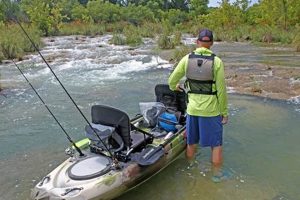
The shallow-water flats and protected bays of the Texas coastal town offer anglers an ideal environment to pursue a variety of fish species from a small, maneuverable vessel. This approach allows for quiet access to areas teeming with redfish, speckled trout, flounder, and other popular sport fish. The calm waters and abundant wildlife make the location appealing for both novice and experienced anglers.
This style of angling provides several advantages. Its low impact minimizes disturbance to the ecosystem, allowing for closer encounters with marine life. The ability to navigate shallow, secluded areas opens up opportunities unavailable to larger boats. Furthermore, the activity’s increasing popularity has fostered a supportive local community, offering resources such as guided tours and specialized equipment rentals.
Further exploration of this topic will delve into specific fishing techniques best suited to the area, recommended gear and equipment, licensing and regulations, and responsible angling practices that ensure the preservation of this unique coastal environment.
Tips for Kayak Fishing in Port Mansfield
Careful planning and preparation contribute significantly to a successful and enjoyable fishing experience. The following tips offer valuable insights for anglers of all skill levels.
Tip 1: Check Weather Conditions: Prior to departure, consult marine forecasts for wind speed, direction, and tide changes. Strong winds and currents can create challenging conditions, especially for less experienced kayakers.
Tip 2: Utilize a Paddle Leash: Securing the paddle to the kayak prevents loss in case of an accidental drop or capsize.
Tip 3: Employ Appropriate Safety Gear: A personal flotation device (PFD) is essential, and a whistle should be readily accessible for signaling in emergencies. Carrying a first-aid kit and a communication device is also highly recommended.
Tip 4: Plan Fishing Locations Strategically: Research potential fishing spots beforehand using maps and local resources. Consider factors such as water depth, vegetation, and known fish habitats.
Tip 5: Choose the Right Gear: Opt for fishing rods and reels specifically designed for kayak fishing. Shorter rods offer better maneuverability in the confined space of a kayak.
Tip 6: Pack Light: Limit gear to essential items to maintain balance and stability in the kayak. Organize equipment in waterproof bags or containers.
Tip 7: Practice Kayak Control: Familiarize oneself with basic paddling techniques and maneuvering skills before venturing out. This ensures efficient and safe navigation, especially in shallow water or near obstacles.
Tip 8: Respect Local Regulations: Obtain necessary fishing licenses and adhere to all applicable regulations. Practice catch-and-release principles to help conserve fish populations.
By adhering to these guidelines, anglers can enhance their chances of a productive and safe fishing trip while minimizing environmental impact.
These tips serve as a starting point for planning an outing. More detailed information regarding specific techniques, gear recommendations, and local regulations should be consulted before embarking on a kayak fishing adventure in Port Mansfield.
1. Shallow Water Access

Shallow water access forms the cornerstone of successful kayak fishing in Port Mansfield. The region’s extensive flats, bays, and estuaries, often inaccessible to larger vessels, become readily navigable by kayak. This unique advantage allows anglers to exploit the preferred habitat of key sport fish species such as redfish, speckled trout, and flounder, which thrive in these shallow, nutrient-rich waters. For instance, the Lower Laguna Madre, with its vast expanse of shallow grass beds, becomes an ideal fishing ground reachable by kayak, offering opportunities for sight-casting to tailing redfish. This direct access to prime feeding grounds significantly increases the likelihood of successful catches.
The shallow draft of a kayak permits navigation through mere inches of water, opening up a network of hidden channels and backwater areas teeming with fish. These secluded locations, often undisturbed by boat traffic, provide a haven for wildlife and offer anglers a more intimate and productive fishing experience. The ability to quietly maneuver through these shallows, coupled with the stealthy approach afforded by a kayak, minimizes disturbance to fish and enhances the effectiveness of fishing techniques like fly fishing or light tackle angling.
Understanding the nuances of shallow water access maximizes angling opportunities in Port Mansfield. Tidal fluctuations dramatically influence water depth and accessibility, making tide charts an essential tool for planning successful fishing trips. Recognizing how tides affect fish behavior within these shallow environments further refines angling strategies. While shallow water access offers unparalleled opportunities, careful navigation and awareness of potential hazards, such as submerged oyster beds or shallow sandbars, remain critical for a safe and rewarding experience.
2. Targeted Fish Species

The shallow-water ecosystem of Port Mansfield attracts a diverse array of fish species, making it a prime location for kayak anglers. Understanding the prevalent species and their habits is crucial for successful fishing excursions. Targeting specific species influences equipment choices, fishing techniques, and location selection.
- Redfish (Red Drum)
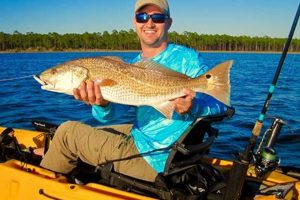
Redfish represent a highly sought-after target for kayak anglers in Port Mansfield. Their preference for shallow flats and their aggressive feeding behavior make them ideal for sight-casting and fly fishing. Anglers often target redfish near structures like oyster reefs or submerged vegetation. The copper-bronze coloration and distinctive black spot near the tail fin make them readily identifiable.
- Speckled Trout (Spotted Seatrout)
Speckled trout are another prized game fish found in Port Mansfield’s waters. These ambush predators inhabit grassy flats and deeper channels, often lurking near drop-offs and submerged structures. Their speckled pattern provides excellent camouflage, requiring anglers to employ stealthy approaches and enticing lures.
- Flounder (Southern Flounder)
Flounder, with their unique flat body shape and camouflage abilities, present a challenging yet rewarding target. These bottom-dwelling fish inhabit sandy or muddy bottoms, often burying themselves partially in the substrate. Anglers typically target flounder using live bait or lures presented near the seafloor.
- Black Drum
While less common than redfish or speckled trout, black drum provide an exciting challenge for kayak anglers. These powerful fish prefer deeper channels and oyster reefs, often feeding on crustaceans and mollusks. Their large size and strong fighting ability make them a memorable catch.
Targeting these specific species enhances the kayak fishing experience in Port Mansfield. Understanding their preferred habitats, feeding patterns, and seasonal movements allows anglers to optimize their strategies and increase their chances of success. Employing appropriate tackle and techniques tailored to each species further contributes to a rewarding angling experience within this diverse ecosystem.
3. Specialized Kayak Setup

A specialized kayak setup significantly enhances the effectiveness and enjoyment of fishing in Port Mansfield’s unique environment. The shallow-water flats, abundant oyster reefs, and diverse fish species necessitate adaptations beyond a standard recreational kayak configuration. These modifications improve stability, maneuverability, and overall fishing performance.
Stability is paramount, especially when casting or landing fish. Wider, flatter-bottomed kayaks designed for fishing offer increased stability compared to narrower recreational models. Adding outriggers or stabilizers further enhances stability, allowing anglers to stand and cast with confidence. This is crucial in the often-windy conditions prevalent in Port Mansfield, where maintaining balance is essential for safe and effective fishing. Furthermore, a stable platform enables anglers to utilize specialized techniques like fly fishing or sight-casting, which require greater balance and control. For example, standing to sight-cast to tailing redfish in the shallows demands a stable platform to avoid spooking the fish.
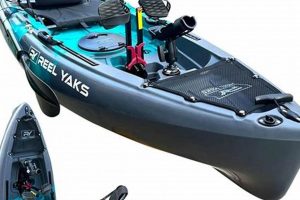
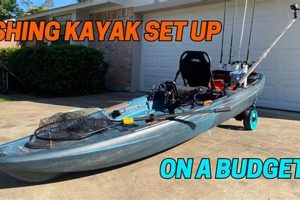
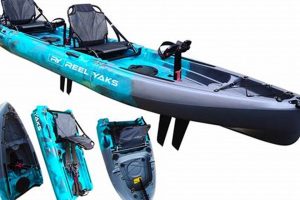
Maneuverability is equally important for navigating the shallow flats and winding channels of Port Mansfield. Kayaks equipped with rudder systems or pedal-driven propulsion offer superior maneuverability compared to paddle-only kayaks. This allows anglers to precisely position themselves for optimal casting angles and to navigate tight spaces around oyster reefs or mangrove shorelines. For instance, a rudder system proves invaluable when dealing with crosswinds or currents, enabling anglers to maintain their desired course and fishing position. Additionally, a pedal drive frees up hands for fishing, facilitating quicker reactions and more efficient lure presentations. Integrated rod holders, tackle storage compartments, and anchor trolleys further streamline the fishing experience, minimizing clutter and maximizing efficiency.
A well-equipped kayak tailored to the specific demands of Port Mansfield’s fishing environment transforms the overall experience. Enhanced stability and maneuverability contribute directly to increased fishing success and enjoyment. These specialized adaptations allow anglers to confidently explore diverse fishing locations, target specific species effectively, and ultimately experience the full potential of kayak fishing in this rich coastal ecosystem.
4. Tidal Flow Awareness
Tidal flow awareness is paramount for successful kayak fishing in Port Mansfield. The region’s shallow flats and intricate network of channels are heavily influenced by tidal fluctuations, impacting fish behavior, accessibility, and navigation. Understanding tidal currents is essential for optimizing fishing strategies, ensuring safety, and maximizing the overall experience.
- Fish Behavior and Feeding Patterns
Tidal currents directly influence fish behavior and feeding patterns. Incoming tides bring baitfish and crustaceans onto the flats, attracting larger predator species like redfish and speckled trout. Outgoing tides concentrate fish in deeper channels and troughs as they follow receding waters. Anglers who understand these patterns can position themselves strategically to intercept fish during peak feeding periods. For example, fishing the edges of channels during a falling tide can prove highly productive as fish move from the shallows to deeper water.
- Accessibility and Navigation
Tidal fluctuations significantly impact water depth and accessibility in Port Mansfield’s shallow-water environment. Areas accessible during high tide may become impassable during low tide, potentially stranding kayakers or limiting access to prime fishing spots. Consulting tide charts and understanding local water depths is crucial for planning routes, accessing specific locations, and avoiding becoming grounded. For instance, navigating shallow flats during a falling tide requires careful attention to avoid becoming stranded as the water recedes.
- Current Strength and Direction
The strength and direction of tidal currents influence kayak positioning, drift fishing techniques, and lure presentations. Strong currents can make paddling challenging, requiring adjustments to paddling technique or the use of an anchor or drift sock to maintain position. Understanding current direction is essential for effectively presenting lures or bait, ensuring they drift naturally through target areas. For example, when drift fishing for speckled trout, aligning the kayak with the current allows lures to drift naturally through their strike zone.
- Safety Considerations
Tidal flows present specific safety considerations for kayak anglers. Strong outgoing tides can create swift currents in channels, making paddling against the flow difficult and potentially hazardous. Incoming tides can quickly inundate shallow flats, potentially trapping unsuspecting anglers. Awareness of tidal changes and their potential impact on navigation and water levels is crucial for ensuring a safe and enjoyable fishing trip. For instance, paddling against a strong outgoing tide in a narrow channel can be exhausting and potentially dangerous, requiring careful planning and execution.
By integrating tidal flow awareness into fishing strategies, kayak anglers in Port Mansfield can significantly enhance their success and overall experience. Understanding the interplay between tides, fish behavior, and navigation enables anglers to make informed decisions, optimize fishing techniques, and ensure a safe and rewarding time on the water. This knowledge transforms a casual fishing trip into a strategic pursuit, maximizing opportunities within this dynamic coastal ecosystem.
5. Weather Condition Checks
Weather condition checks are integral to safe and successful kayak fishing in Port Mansfield. The exposed nature of kayak fishing, coupled with the dynamic weather patterns of the Texas coast, necessitates careful monitoring of meteorological conditions before and during any outing. Neglecting this crucial aspect can jeopardize safety and significantly impact fishing success.
- Wind Speed and Direction
Wind significantly impacts kayak control and navigation, especially in the shallow, open waters of Port Mansfield. Strong winds can create challenging paddling conditions, making it difficult to maintain course or reach desired fishing locations. Checking wind forecasts before heading out allows anglers to choose sheltered areas or postpone trips when conditions are unfavorable. For example, strong north winds can create choppy conditions in the Lower Laguna Madre, making kayaking challenging, while lighter south winds provide calmer conditions.
- Temperature and Cold Fronts
Temperature fluctuations, particularly rapid drops associated with cold fronts, can significantly impact fishing success. Fish become less active in colder water, affecting feeding patterns and making them less receptive to lures or bait. Dressing appropriately for anticipated temperature changes is crucial for angler comfort and safety. Hypothermia can be a serious risk, even in relatively mild temperatures, if anglers become wet or exposed to wind chill. Monitoring temperature forecasts allows anglers to adapt clothing choices and fishing strategies accordingly.
- Precipitation and Storms
Rain and thunderstorms pose significant safety risks for kayak anglers. Lightning strikes are a serious hazard in open water, and heavy rain can reduce visibility and create challenging paddling conditions. Checking radar and weather forecasts for approaching storms is essential before and during any fishing trip. Having a plan for seeking shelter in case of unexpected storms is crucial. Kayakers should avoid being on the water during thunderstorms and seek safe harbor immediately if storms develop.
- Sea Fog and Visibility
Sea fog can significantly reduce visibility, creating disorientation and increasing the risk of collisions with other vessels or obstacles. Fog can also make it challenging to navigate back to shore, especially in unfamiliar areas. Checking marine forecasts for fog advisories is crucial before venturing out. Carrying a compass or GPS device and a whistle or air horn can aid navigation and signaling in foggy conditions.
Careful consideration of these weather factors is indispensable for planning safe and productive kayak fishing trips in Port Mansfield. Prioritizing safety and adapting fishing strategies based on prevailing weather conditions ensures a more enjoyable and successful experience on the water. Neglecting weather condition checks can lead to hazardous situations and significantly diminish the quality of the fishing experience.
6. Safety Precautions

Safety precautions are paramount in Port Mansfield kayak fishing due to the inherent risks associated with the activity and the specific environmental conditions of the area. The shallow-water environment, combined with the potential for strong winds, currents, and changing weather patterns, necessitates a proactive approach to safety. Neglecting these precautions can lead to serious incidents, impacting not only the anglers well-being but also potentially involving search and rescue operations. For example, an angler neglecting to wear a personal flotation device (PFD) and capsizing in strong winds could face life-threatening consequences.
Several key safety precautions should be considered essential components of any Port Mansfield kayak fishing trip. Wearing a PFD is non-negotiable. Even strong swimmers can become incapacitated due to cold water, unexpected impacts, or entanglement with fishing gear. Carrying a whistle allows for signaling in case of distress, particularly crucial in areas with limited visibility or cell phone reception. A waterproof VHF radio provides a reliable communication method for contacting emergency services or other boaters. Filing a float plan with a friend or family member, detailing planned routes and estimated return times, provides a crucial safety net in case of an overdue return. Regularly checking weather forecasts before and during the trip allows for adjustments to plans based on changing conditions. Awareness of local regulations, including speed limits and restricted areas, contributes to overall safety. Carrying a first-aid kit equips anglers to address minor injuries or provide initial care for more serious incidents until professional medical assistance can be obtained.
Understanding and implementing these safety precautions transforms Port Mansfield kayak fishing from a potentially risky activity into a safer and more enjoyable pursuit. Preparedness and awareness contribute significantly to mitigating potential hazards, allowing anglers to focus on the rewarding aspects of fishing while minimizing risks. Prioritizing safety ensures a positive experience and fosters responsible engagement with the coastal environment.
7. Local Regulations
Adherence to local regulations is essential for responsible and sustainable kayak fishing in Port Mansfield. These regulations, established by Texas Parks and Wildlife and local authorities, aim to conserve fish populations, protect the fragile coastal ecosystem, and ensure the safety of all waterway users. Understanding and complying with these rules contributes to the long-term health of the fishery and preserves the natural beauty of the area. Ignoring regulations can lead to fines, legal repercussions, and damage to the environment.
- Fishing Licenses and Permits
Valid Texas fishing licenses are mandatory for all anglers, including those fishing from kayaks. Different license types exist depending on residency status and fishing methods employed. Specific endorsements may be required for certain species or fishing gear. For example, a saltwater fishing endorsement is necessary for targeting redfish, speckled trout, or flounder. Purchasing licenses online, through licensed retailers, or at Texas Parks and Wildlife offices ensures compliance.
- Catch and Size Limits
Regulations dictate catch limits and minimum/maximum size restrictions for various fish species. These limits aim to prevent overfishing and protect breeding populations. For instance, redfish have specific slot size limits, allowing anglers to keep only fish within a designated size range. Adhering to these limits ensures the sustainability of the fishery and promotes healthy fish populations for future generations. Information on current catch limits and size restrictions is available through Texas Parks and Wildlife publications and online resources.
- Restricted Areas and Closures
Certain areas within Port Mansfield’s waters may be designated as restricted or closed to fishing to protect sensitive habitats, bird nesting grounds, or other ecological resources. These closures can be temporary or permanent, depending on the specific conservation goals. Respecting these closures is crucial for preserving the integrity of the ecosystem. Information on current closures and restricted areas is available through local authorities, Texas Parks and Wildlife websites, and navigational charts.
- Boating Safety Regulations
Kayak anglers are subject to boating safety regulations, including requirements for navigation lights, sound-producing devices, and personal flotation devices (PFDs). These regulations aim to prevent collisions and ensure the safety of all waterway users. For example, kayaks operating between sunset and sunrise must display a white light visible from all directions. Adhering to these regulations contributes to a safe boating environment and reduces the risk of accidents.
Complying with local regulations is integral to responsible kayak fishing in Port Mansfield. Understanding and adhering to these rules ensures the sustainability of fish populations, protects the fragile coastal ecosystem, and contributes to a safe boating environment. By prioritizing responsible angling practices, kayak anglers become active stewards of this valuable natural resource, preserving it for future generations to enjoy. Regularly reviewing current regulations ensures continued compliance and fosters a culture of responsible fishing within the Port Mansfield community.
Frequently Asked Questions about Kayak Fishing in Port Mansfield
This FAQ section addresses common inquiries regarding kayak fishing in Port Mansfield, Texas, providing concise and informative responses.
Question 1: What are the primary target fish species for kayak anglers in Port Mansfield?
Redfish, speckled trout, and flounder are the most commonly targeted species, although black drum and other species are also present.
Question 2: Is a fishing license required for kayak fishing in Port Mansfield?
Yes, a valid Texas fishing license with a saltwater endorsement is required for all anglers, including those fishing from kayaks.
Question 3: What type of kayak is best suited for fishing in Port Mansfield?
Stable, shallow-draft kayaks designed specifically for fishing are recommended. Features like rod holders, anchor trolleys, and rudder systems enhance the fishing experience.
Question 4: Are there any specific safety considerations for kayak fishing in this area?
Wearing a personal flotation device (PFD), carrying a whistle and communication device, checking weather forecasts, and being aware of tidal currents are crucial safety measures.
Question 5: Where can information on local fishing regulations be found?
Texas Parks and Wildlife publications, the TPWD website, and local bait shops provide information on current regulations, including catch limits, size restrictions, and closed areas.
Question 6: What impact do tides have on fishing success in Port Mansfield?
Tidal flows significantly influence fish behavior and feeding patterns. Understanding tidal movements helps anglers position themselves strategically for optimal fishing opportunities. Incoming tides bring baitfish onto the flats, attracting larger game fish.
Careful consideration of these frequently asked questions ensures a more informed and successful kayak fishing experience in Port Mansfield. Understanding local regulations, prioritizing safety, and adapting fishing strategies based on environmental conditions contribute significantly to a rewarding and responsible angling experience.
For more in-depth information and specific guidance, consulting local fishing guides or experienced kayak anglers is recommended.
Conclusion
This exploration has highlighted the multifaceted nature of angling within the Port Mansfield environment using kayaks. Key elements contributing to successful excursions include an understanding of tidal influences on fish behavior, utilizing specialized kayak setups for stability and maneuverability in shallow waters, targeting prevalent species like redfish and speckled trout, and adhering to safety regulations and conservation practices. Access to the shallow-water ecosystems provides a unique advantage for this style of fishing.
The information presented serves as a foundation for anglers seeking to experience this distinct form of fishing. Careful planning, informed decision-making, and a commitment to responsible angling practices will contribute not only to personal enjoyment but also to the long-term preservation of this valuable coastal resource. Further research into specific techniques and local conditions is encouraged to maximize angling opportunities while minimizing environmental impact.