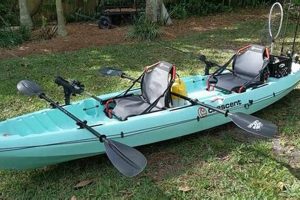
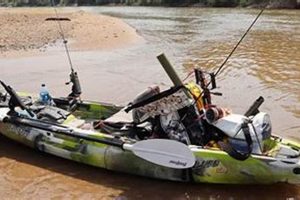
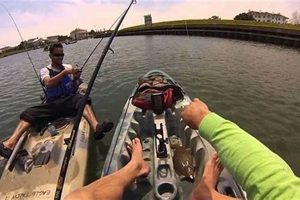
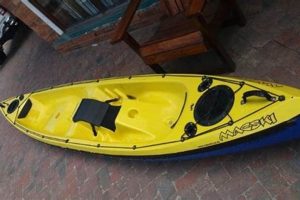
Specialized watercraft designed for angling in Australian waters combine stability, maneuverability, and features like rod holders, storage compartments, and anchor systems. These vessels cater to diverse fishing styles, from calm estuaries to open ocean environments, enabling anglers to access various fishing grounds.
Angling from these specialized watercraft offers advantages such as stealthy approach, closer proximity to fish, and access to shallow or otherwise inaccessible areas. The popularity of this activity reflects Australia’s rich angling heritage, diverse aquatic ecosystems, and growing interest in outdoor recreational activities. The appropriate choice of vessel enhances safety and fishing success while minimizing environmental impact.
Further exploration will delve into specific kayak types, essential equipment, popular fishing locations across Australia, and responsible angling practices for a sustainable experience.
Tips for Kayak Fishing in Australia
Careful planning and preparation are essential for successful and safe kayak fishing excursions. These tips offer guidance for enhancing angling experiences in Australian waters.
Tip 1: Choose the Right Kayak: Kayak selection depends on intended fishing locations and personal preferences. Longer kayaks offer speed and tracking for open water, while shorter, wider models provide stability in calmer environments. Consider features such as rod holders, storage, and seating comfort.
Tip 2: Prioritize Safety Equipment: A personal flotation device (PFD) is mandatory. Essential safety gear also includes a signaling device, communication equipment, and a first-aid kit. Check weather forecasts before departure and inform someone of the intended fishing location and return time.
Tip 3: Understand Local Regulations: Familiarize oneself with fishing licenses, size and bag limits, and any restricted areas. Respect local ecosystems and adhere to sustainable fishing practices.
Tip 4: Plan Your Fishing Trip: Research potential fishing spots, tides, currents, and weather conditions. Carry appropriate navigation tools, including charts, GPS, and a compass.
Tip 5: Pack Essential Gear: Fishing rods, reels, tackle, bait, and appropriate clothing suitable for changing weather conditions are crucial. Dry bags protect electronics and other valuables from water damage.
Tip 6: Practice Kayak Handling: Gain experience maneuvering the kayak before venturing into open water. Practice paddling, turning, and recovering from capsizes in a controlled environment.
Tip 7: Respect the Environment: Minimize environmental impact by properly disposing of waste, avoiding disturbing wildlife, and adhering to leave-no-trace principles.
Adherence to these guidelines promotes safe and rewarding kayak fishing experiences while contributing to the preservation of Australia’s aquatic environments.
By following these tips and conducting thorough research, individuals can confidently embark on kayak fishing adventures and enjoy the unique angling opportunities available in Australia.
1. Kayak Stability

Kayak stability forms a cornerstone of successful fishing in Australian waters. Stability directly influences angler safety and fishing effectiveness. A stable platform allows anglers to cast lines, fight fish, and handle equipment without the risk of capsizing. This is particularly crucial in variable Australian conditions, ranging from calm estuaries to challenging ocean swells. Consider, for instance, the scenario of landing a large fish in open water. A stable kayak provides the necessary platform to manage the struggle without compromising the angler’s safety.
Different hull designs offer varying degrees of stability. Wider, flatter hulls generally provide greater initial stability, making them suitable for calmer waters and less experienced paddlers. Longer, narrower hulls, while less initially stable, offer superior tracking and speed, making them better suited for open water conditions and experienced kayakers. Understanding these design principles allows anglers to select a kayak appropriate for their skill level and intended fishing locations. A novice angler fishing in sheltered bays would benefit from the stability of a wider hull, whereas an experienced angler targeting pelagic species offshore would prioritize the tracking and speed of a longer, narrower kayak.
Ultimately, choosing a kayak with appropriate stability for the intended fishing environment and angler experience is paramount for a safe and productive fishing trip in Australia. Neglecting stability can lead to dangerous situations, particularly in challenging conditions. Investing time in understanding stability characteristics empowers informed decisions and contributes significantly to enjoyable and safe fishing experiences in Australia’s diverse aquatic environments.
2. Maneuverability

Maneuverability represents a critical performance characteristic for fishing kayaks operating in Australian waters. The ability to precisely and efficiently navigate diverse aquatic environments directly impacts fishing success. Australian waterways range from intricate mangrove systems and tight rivers to expansive open coastlines and offshore reefs. Effective maneuvering enables anglers to access secluded fishing spots, navigate challenging currents, and position the kayak optimally for casting and retrieving lines. Consider the scenario of fishing within a densely vegetated estuary. A highly maneuverable kayak allows navigation through narrow channels and around obstacles, granting access to prime fishing locations often unreachable by larger vessels. This capability enhances fishing opportunities and maximizes catch potential.
Several design factors influence kayak maneuverability. Shorter kayaks with a pronounced rocker (upward curve at the bow and stern) generally offer enhanced turning capabilities. Conversely, longer kayaks with less rocker provide superior tracking and speed in open water but sacrifice some maneuverability in tight spaces. The choice between these design characteristics depends on the primary fishing locations and target species. For example, a shorter, more maneuverable kayak proves advantageous in confined environments like mangrove forests or rocky shorelines, whereas a longer kayak excels in open bays or offshore waters where precise maneuvering is less critical. Understanding these trade-offs enables informed decisions aligning kayak selection with specific fishing requirements.
Ultimately, maneuverability, alongside stability and other performance factors, contributes significantly to the overall effectiveness of fishing kayaks in Australia’s varied waterscapes. The ability to position and control the kayak precisely enhances fishing opportunities and contributes to a more successful and enjoyable angling experience. Careful consideration of maneuverability during kayak selection ensures the vessel aligns with the angler’s skill level and intended fishing environment. This attention to detail maximizes both safety and the potential for a rewarding fishing expedition.
3. Storage Capacity

Adequate storage capacity represents a critical factor influencing the functionality and overall effectiveness of fishing kayaks in Australia. Sufficient storage space accommodates essential fishing gear, safety equipment, personal items, and, importantly, the day’s catch. Effective organization and accessibility of stored items contribute significantly to a safe and productive fishing experience. Insufficient storage can lead to cluttered decks, hindering movement and potentially compromising safety. Conversely, well-designed storage solutions facilitate efficient retrieval of essential items, minimizing disruptions and maximizing fishing time.
- Types of Storage
Fishing kayaks offer diverse storage options, including hatches, tank wells, and sealed compartments. Hatches provide access to internal storage areas for larger items like tackle boxes and safety gear. Tank wells, typically located behind the seat, accommodate bulky items such as coolers or live bait containers. Sealed compartments safeguard sensitive electronics and valuables from water damage. Understanding the advantages and limitations of each storage type informs decisions regarding gear organization and placement.
- Capacity Considerations
Storage capacity requirements vary based on fishing style, target species, and trip duration. Anglers targeting larger species or undertaking multi-day expeditions require significantly more storage space for heavier tackle, larger coolers, and camping gear. Conversely, anglers fishing for smaller species in sheltered waters can manage with less storage. Careful assessment of individual needs ensures the selected kayak provides sufficient storage capacity for intended fishing activities.
- Accessibility and Organization
Easy access to frequently used items, such as fishing rods, lures, and pliers, optimizes fishing efficiency. Well-organized storage compartments minimize time spent searching for gear, allowing anglers to focus on fishing. Features like strategically placed rod holders and readily accessible tackle storage contribute significantly to a streamlined and productive fishing experience.
- Weight Distribution
Proper weight distribution within storage compartments impacts kayak stability and performance. Evenly distributing weight enhances stability and tracking, contributing to a more controlled and predictable paddling experience. Concentrating weight in specific areas can negatively affect kayak balance and maneuverability. Understanding weight distribution principles ensures optimal kayak performance and enhances safety on the water.
Careful consideration of storage capacity, types, accessibility, and weight distribution significantly enhances the overall fishing kayak experience in Australia. A well-organized and adequately sized storage system allows anglers to carry essential gear, manage catches efficiently, and maintain a safe and uncluttered deck. These factors contribute to a more enjoyable, productive, and ultimately, successful fishing trip in Australia’s diverse aquatic environments.
4. Fishing Features
Specialized features distinguish fishing kayaks from recreational models, optimizing performance and enhancing angling experiences within Australian waters. These features directly influence fishing effectiveness and overall enjoyment, addressing specific needs encountered in diverse Australian fishing environments. Cause and effect relationships exist between integrated features and fishing outcomes. For example, incorporating rod holders allows hands-free operation during trolling or while waiting for a bite, directly increasing fishing efficiency. Similarly, strategically placed tackle storage compartments facilitate quick access to lures and tools, minimizing disruptions and maximizing fishing time. These integrated elements function as integral components of the overall fishing kayak system, contributing to a more streamlined and productive angling experience in Australia.
Real-life examples illustrate the practical significance of these specialized features. Consider an angler targeting barramundi in the Northern Territory’s estuaries. A kayak equipped with flush-mounted rod holders allows trolling multiple lines simultaneously, increasing the likelihood of hooking a fish. Similarly, an angler chasing snapper in the open waters off South Australia benefits from a kayak featuring a fish finder transducer mount, enabling accurate identification of fish-holding structures and optimizing lure placement. These practical applications demonstrate the direct impact of specialized features on fishing success in diverse Australian environments.
Understanding the relationship between fishing features and kayak performance empowers informed decision-making during kayak selection. Recognizing the specific functionalities offered by different features allows anglers to choose a kayak tailored to their target species and fishing style. While features like live bait wells might prove essential for certain fishing techniques, others, such as anchor trolleys, offer advantages in specific environments. Addressing these nuances optimizes kayak selection, contributing to enhanced fishing experiences and maximizing success in Australia’s diverse aquatic ecosystems. This informed approach ensures the chosen kayak aligns precisely with the angler’s individual needs and the demands of the Australian fishing environment.
5. Safety Considerations

Safety considerations form a non-negotiable aspect of kayak fishing in Australia. The inherent risks associated with on-water activities necessitate meticulous planning and adherence to safety protocols. Neglecting safety precautions can lead to dire consequences, ranging from minor incidents to life-threatening situations. The cause-and-effect relationship between safety preparedness and positive outcomes is undeniable. For instance, consistently wearing a personal flotation device (PFD) directly mitigates the risk of drowning in the event of a capsize. Similarly, carrying a communication device enables prompt contact with emergency services in unforeseen circumstances. These preventative measures function as critical components of a comprehensive safety strategy, minimizing potential risks and maximizing the likelihood of a safe and enjoyable fishing experience. The practical significance of understanding and implementing safety measures cannot be overstated. This knowledge empowers informed decision-making and fosters a culture of responsible angling practices.
Real-life scenarios underscore the critical importance of safety considerations. Consider a solo angler venturing offshore along the New South Wales coast. A sudden change in weather conditions can generate unpredictable swells and strong currents. In such a scenario, a PFD becomes a life-saving device, ensuring buoyancy and increasing visibility to potential rescuers. Similarly, possessing a VHF radio allows communication with coastal authorities, facilitating swift assistance in case of an emergency. Another example involves an angler navigating a remote river system in the Northern Territory. Carrying a first-aid kit and possessing basic first-aid knowledge proves invaluable in addressing minor injuries or managing more serious medical situations until professional help arrives. These real-world examples demonstrate the practical application of safety considerations and their direct impact on positive outcomes in potentially hazardous situations.
Integrating comprehensive safety considerations into kayak fishing practices in Australia represents a fundamental responsibility. This proactive approach mitigates potential risks and enhances the overall fishing experience. Understanding weather patterns, water conditions, and potential hazards empowers informed decision-making. Carrying appropriate safety equipment, including PFDs, communication devices, and first-aid kits, equips anglers to respond effectively to unforeseen circumstances. Adhering to established safety protocols and practicing responsible angling behaviors contributes to a culture of safety within the kayak fishing community. This commitment to safety not only protects individual anglers but also fosters sustainable and responsible use of Australia’s valuable aquatic resources.
6. Location Suitability

Location suitability plays a pivotal role in maximizing the effectiveness and enjoyment of fishing kayaks in Australia. Matching kayak characteristics to the specific demands of the intended fishing environment is crucial for both safety and fishing success. Australia’s diverse waterways, ranging from sheltered estuaries and calm lakes to exposed coastlines and offshore reefs, present varying challenges and opportunities. Understanding these nuances allows anglers to select a kayak that aligns with the specific conditions of their chosen fishing locations. This informed approach enhances safety, improves fishing performance, and contributes to a more rewarding overall experience.
- Water Conditions
Water conditions, including current strength, wave height, and tidal influences, significantly impact kayak selection. Calm inland waters favor stable, maneuverable kayaks designed for navigating tight spaces and shallow areas. Conversely, open ocean environments demand kayaks with superior tracking, stability in rough conditions, and self-bailing capabilities. Matching kayak design to prevailing water conditions is paramount for safety and efficient paddling.
- Target Species
The target species influences kayak selection based on fishing techniques and potential catch size. Targeting smaller species in sheltered waters allows for a wider range of kayak choices. However, pursuing larger pelagic species offshore necessitates a kayak designed for stability during extended fights and potentially challenging retrievals. Aligning kayak characteristics with target species maximizes fishing effectiveness and enhances angler safety.
- Accessibility
Accessibility considerations encompass launch points, portages, and potential obstacles within the fishing area. Kayaks designed for easy transport and launching are essential when accessing remote locations or navigating challenging terrain. Compact, lightweight kayaks offer advantages in these scenarios, while larger, heavier kayaks might prove cumbersome or impractical. Evaluating accessibility requirements informs kayak selection and streamlines logistical aspects of the fishing trip.
- Environmental Factors
Environmental factors, such as wind exposure, water temperature, and potential hazards like submerged debris or reefs, influence kayak selection. Kayaks designed for open water conditions typically feature higher sides and greater wind resistance, enhancing stability in challenging environments. Similarly, choosing a kayak with appropriate storage for safety gear and cold-weather clothing is essential when fishing in colder climates. Considering these environmental nuances contributes to angler safety and preparedness.
By carefully considering these facets of location suitability, anglers can make informed decisions that optimize kayak selection for specific fishing locations within Australia. This comprehensive approach ensures the chosen kayak aligns with the prevailing conditions, target species, and accessibility requirements, ultimately contributing to a safer, more efficient, and ultimately, more rewarding fishing experience. Ignoring location suitability can compromise safety and hinder fishing effectiveness, underscoring the importance of this critical aspect of kayak fishing in Australia’s diverse and dynamic aquatic environments.
7. Environmental Impact

Minimizing environmental impact represents a crucial responsibility within the context of fishing kayaks in Australia. Sustainable practices ensure the preservation of delicate aquatic ecosystems for future generations. Cause-and-effect relationships exist between angler behavior and environmental outcomes. Irresponsible disposal of fishing line, for example, can entangle marine wildlife, leading to injury or death. Similarly, disturbing nesting sites or sensitive habitats disrupts natural processes and can negatively impact local populations. Understanding these connections fosters a culture of responsible angling and contributes to the long-term health of Australia’s waterways. The importance of environmental stewardship as an integral component of kayak fishing cannot be overstated. This commitment reflects a respect for the natural environment and a recognition of the interconnectedness between human activities and ecological health.
Real-life examples illustrate the practical significance of minimizing environmental impact. Discarded fishing line, left behind on a remote beach in Tasmania, can entangle a seabird, hindering its ability to fly or feed. Improperly disposed of bait or fish remains in a Queensland estuary can attract unwanted predators, disrupting the natural balance of the ecosystem. These tangible consequences underscore the direct impact of human actions on the environment and highlight the need for responsible practices. Kayak anglers, due to their close proximity to the water and often remote locations, possess a unique responsibility to minimize their environmental footprint.
Integrating environmentally conscious practices into kayak fishing activities in Australia requires awareness, education, and proactive measures. Understanding the potential impacts of fishing activities empowers informed decision-making. Adhering to leave-no-trace principles, such as packing out all trash and minimizing disturbance to wildlife, demonstrates a commitment to environmental stewardship. Supporting conservation initiatives and advocating for responsible angling practices contributes to a broader culture of sustainability within the kayak fishing community. This collective effort ensures the long-term health and vitality of Australia’s aquatic ecosystems, preserving these valuable resources for future generations of anglers and promoting the overall ecological well-being of the Australian environment.
Frequently Asked Questions about Fishing Kayaks in Australia
Addressing common inquiries regarding fishing kayaks in Australia provides clarity for prospective kayak anglers and promotes informed decision-making. The following responses aim to offer practical guidance and dispel common misconceptions.
Question 1: What type of fishing kayak is best suited for Australian conditions?
Optimal kayak selection depends on intended fishing locations and target species. Stable, shorter kayaks are suitable for sheltered waters, while longer, faster kayaks excel in open ocean environments. Specialized features like rod holders and storage compartments further refine selection based on individual fishing styles.
Question 2: What safety equipment is essential for kayak fishing in Australia?
Essential safety gear includes a personal flotation device (PFD), communication device (VHF radio or mobile phone in a waterproof case), signaling device (whistle or flare), first-aid kit, and appropriate navigation tools (charts, GPS, compass). Checking weather forecasts and informing someone of fishing plans are also crucial safety measures.
Question 3: Are fishing licenses required for kayak fishing in Australia?
Fishing licenses are generally required and vary by state and territory. Regulations regarding size and bag limits, permitted fishing methods, and restricted areas also apply. Checking local regulations before fishing is essential for compliance and responsible angling.
Question 4: What are the best locations for kayak fishing in Australia?
Australia offers numerous exceptional kayak fishing locations, from sheltered estuaries and coastal bays to offshore reefs and remote river systems. Popular destinations include Exmouth in Western Australia, Hervey Bay in Queensland, and Port Stephens in New South Wales. Researching specific locations based on target species and preferred fishing styles is recommended.
Question 5: How can one minimize environmental impact while kayak fishing?
Minimizing environmental impact involves adhering to leave-no-trace principles, properly disposing of waste, avoiding disturbing wildlife and sensitive habitats, and respecting local regulations. Using appropriate fishing gear and techniques further minimizes potential harm to aquatic ecosystems.
Question 6: What are the advantages of fishing from a kayak compared to other methods?
Kayak fishing offers advantages such as stealthy approach, access to shallow or inaccessible areas, closer proximity to fish, and a unique connection with the natural environment. Kayaks also provide a cost-effective and versatile fishing platform compared to larger boats.
Careful consideration of these frequently asked questions empowers informed decisions and contributes to safer, more productive, and environmentally responsible kayak fishing experiences in Australia. Prioritizing safety, understanding local regulations, and respecting the environment are paramount for maximizing enjoyment and preserving Australia’s valuable aquatic resources.
Further exploration of specific kayak models, fishing techniques, and regional considerations will enhance preparedness and contribute to successful kayak fishing adventures in Australia.
Fishing Kayaks Australia
Exploration of specialized fishing kayaks within the Australian context reveals the critical interplay between vessel selection, safety considerations, environmental responsibility, and the unique opportunities presented by Australia’s diverse aquatic ecosystems. Careful consideration of kayak characteristics, including stability, maneuverability, and specialized features, ensures optimal performance and angler safety. Understanding local regulations, prioritizing safety protocols, and minimizing environmental impact contribute to responsible and sustainable angling practices. The potential for enriching experiences within Australia’s remarkable fishing environments underscores the importance of informed decision-making and a commitment to preserving these valuable resources.
Australia’s expansive waterways offer unparalleled opportunities for kayak anglers. Embracing responsible practices, prioritizing safety, and continually refining knowledge and skills will unlock the full potential of these experiences. Continued exploration, respectful engagement with the environment, and adherence to sustainable principles ensure the longevity of this rewarding pursuit within Australia’s unique natural landscapes.