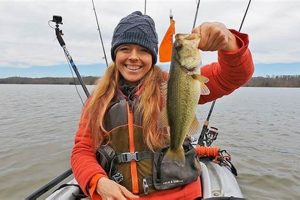
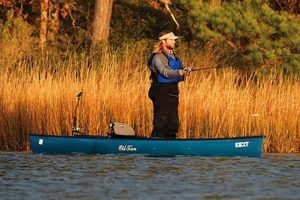
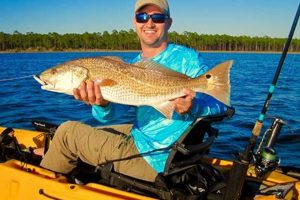
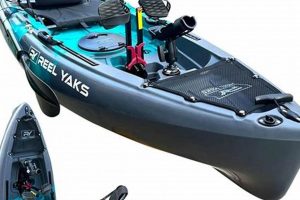
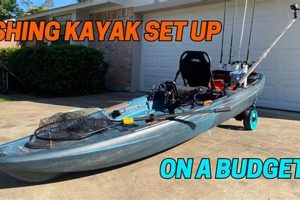
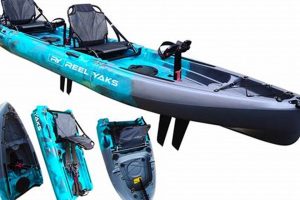
Publications focusing on angling from kayaks cover a wide range of topics, from choosing the right equipment and watercraft to specific fishing techniques and location recommendations. Example topics include reviews of fishing kayaks, comparisons of different paddle types, strategies for catching particular fish species from a kayak, and explorations of various waterways suitable for this activity. These resources can take many forms, including online blog posts, magazine features, and dedicated sections within broader fishing publications.
Such resources provide valuable information for both novice and experienced anglers. They offer practical guidance on maximizing success and safety on the water. Historically, knowledge transfer regarding specialized fishing techniques relied heavily on personal experience and mentorship. The rise of dedicated publications, amplified by online platforms, has democratized access to a wealth of information, fostering a larger and more informed community of kayak anglers. This, in turn, has contributed to the growth and development of the sport itself, driving innovation in kayak design and fishing gear.
Further exploration of this topic might include discussions of responsible kayaking practices, conservation efforts within the kayak fishing community, and the evolving technology shaping the future of this popular pastime.
Tips for Kayak Fishing
Effective kayak angling requires careful planning and execution. These tips offer guidance for a safe and productive experience.
Tip 1: Stability is Paramount: Prioritize stability when selecting a kayak. Wider hulls offer greater stability, especially for beginners. Consider the anticipated water conditions and choose a kayak designed for the environment.
Tip 2: Plan and Prepare: Research potential fishing locations and check weather forecasts before heading out. Pack essential safety gear, including a personal flotation device, a whistle, and a first-aid kit. Inform someone of the planned route and estimated return time.
Tip 3: Organize Tackle and Gear: Utilize specialized kayak fishing crates or bags to keep tackle and gear organized and easily accessible. Consider rod leashes to prevent loss in case of capsizing.
Tip 4: Master Paddle Strokes: Efficient paddling conserves energy and allows for precise maneuvering. Practice various strokes for navigating currents, wind, and tight spaces.
Tip 5: Respect Wildlife and the Environment: Adhere to catch-and-release practices whenever possible. Pack out all trash and avoid disturbing natural habitats. Be mindful of other water users and maintain a safe distance.
Tip 6: Choose Appropriate Anchoring Techniques: Utilize a kayak-specific anchor system suitable for the bottom conditions. Deploy and retrieve the anchor carefully to avoid entanglement.
Tip 7: Dress for the Conditions: Wear appropriate clothing for sun protection, wind, and water temperature. Consider quick-drying fabrics and layers for adaptability.
Implementing these strategies enhances safety and increases the likelihood of a successful fishing trip. Careful preparation and attention to detail contribute significantly to a positive experience on the water.
By incorporating these practices, anglers can enjoy the unique rewards and challenges that kayak fishing offers.
1. Target Audience

A clear understanding of the target audience is fundamental to crafting effective kayak fishing articles. Content must resonate with the intended readership to achieve its purpose, whether educational, promotional, or community-building. A mismatch between content and audience can lead to disengagement and diminished impact. For instance, an article detailing advanced techniques for catching marlin from a kayak would hold little relevance for beginners primarily interested in lake fishing for bass. The target audience dictates the appropriate level of technical detail, the choice of topics, and the overall tone of the writing.
Categorizing the target audience based on experience level (beginner, intermediate, advanced), fishing style (recreational, competitive), and geographic location allows for tailored content delivery. Beginners benefit from introductory guides on essential equipment and basic techniques, while seasoned anglers might seek insights into specialized gear or advanced tactics. An article focused on kayak fishing in cold climates would naturally emphasize different considerations than one about tropical fishing expeditions. Understanding these nuances allows content creators to address specific needs and interests, resulting in more valuable and engaging material.
Effective audience targeting maximizes the impact of kayak fishing articles, ensuring that the information reaches those who will benefit most. Careful consideration of the target audience’s knowledge base, goals, and context enhances the practical value of the content and fosters a stronger connection within the kayak fishing community. Failure to define the target audience can result in generic, unengaging content that fails to inform or inspire. Therefore, audience analysis is an essential preliminary step in developing any kayak fishing content.
2. Relevant Keywords

Relevant keywords serve as crucial bridges connecting readers searching for information about kayak fishing with articles providing that information. Careful keyword selection is essential for content visibility and discoverability within online search engines and databases. Strategic keyword implementation enhances the likelihood of articles reaching the intended audience.
- Search Intent:
Keywords reflect specific user search intentions. For example, a user searching for “best kayak fishing rod” displays a different intent than one searching for “kayak fishing spots near me.” Understanding these nuances allows content creators to tailor articles to address particular needs. Articles optimized for specific search intents rank higher in search results, increasing visibility and attracting relevant readership.
- Long-Tail Keywords:
Long-tail keywords, such as “how to rig a kayak for bass fishing,” address more specific queries than shorter keywords like “kayak fishing.” While shorter keywords have higher search volumes, long-tail keywords often attract a more targeted audience with higher conversion rates. These specific phrases cater to niche interests within kayak fishing, leading readers to articles directly addressing their needs.
- Keyword Research Tools:
Various keyword research tools provide data on search volume, keyword competition, and related terms. These tools help content creators identify relevant keywords with the potential to attract significant traffic. Analyzing this data informs content strategy and maximizes the reach of published articles. Leveraging these tools ensures articles align with current search trends and user interests.
- Placement and Density:
Strategic keyword placement within article titles, headings, and body text enhances search engine optimization (SEO). However, excessive keyword density can negatively impact readability and SEO. Balancing keyword usage with natural language ensures content remains informative and engaging while also optimizing for search engines.
Effective keyword integration is essential for connecting readers with relevant kayak fishing articles. Understanding search intent, leveraging long-tail keywords, utilizing research tools, and strategically placing keywords contributes significantly to content discoverability and engagement. Ultimately, appropriate keyword usage enhances the reach and impact of valuable information within the kayak fishing community.
3. Informative Content

Informative content forms the backbone of effective kayak fishing articles. Accuracy, relevance, and clarity are paramount for establishing credibility and providing genuine value to readers. Well-researched and thoughtfully presented information empowers readers to make informed decisions, improve their skills, and enhance their overall kayak fishing experience. Content lacking substance or accuracy undermines reader trust and diminishes the article’s impact.
- Equipment Selection:
Detailed explanations of kayak types, paddle choices, fishing rods, reels, and other essential gear empower readers to select appropriate equipment based on their individual needs and fishing styles. For example, comparing the advantages and disadvantages of sit-on-top versus sit-inside kayaks, coupled with specific recommendations for different fishing environments, provides practical guidance. Informative content eliminates guesswork, enabling informed purchasing decisions and enhancing on-the-water performance.
- Fishing Techniques:
Clear explanations of various kayak fishing techniques, such as trolling, casting, and drifting, equip readers with the skills to target specific fish species effectively. Step-by-step instructions, accompanied by diagrams or illustrations, enhance comprehension and practical application. Illustrative examples, like explaining how to rig a live bait for trolling or how to present a fly to wary trout, provide valuable insights. This practical knowledge translates directly to improved fishing success.
- Safety Considerations:
Comprehensive coverage of safety precautions, including proper use of personal flotation devices, navigation lights, and communication equipment, is crucial for responsible kayak fishing. Emphasizing the importance of checking weather forecasts, understanding water currents, and carrying essential safety gear contributes to accident prevention. Illustrating potential hazards, such as navigating in strong winds or dealing with unexpected capsizing, equips readers with the knowledge to respond effectively in emergencies.
- Location Insights:
Specific information about suitable fishing locations, including access points, water conditions, and prevalent fish species, enhances the planning and execution of kayak fishing trips. Detailed maps, GPS coordinates, and descriptions of local regulations provide valuable resources. Highlighting the unique characteristics of different waterways, such as identifying prime fishing spots within a specific lake or river system, empowers readers to maximize their chances of success.
These facets of informative content collectively contribute to the overall value and impact of kayak fishing articles. By providing accurate, relevant, and clearly presented information, these articles empower readers to enjoy safer, more productive, and more fulfilling kayak fishing experiences. The depth and breadth of information provided directly influence the reader’s ability to translate knowledge into practical application on the water. Ultimately, informative content fuels the growth and development of the kayak fishing community by fostering a culture of informed participation and responsible enjoyment of the sport.
4. Engaging Style
Engaging style significantly impacts the effectiveness of kayak fishing articles. Readers are more likely to absorb and retain information presented in a compelling manner. A dry, technical approach can deter readers, while a vibrant, narrative style can foster enthusiasm and encourage continued learning. Cause and effect are directly linked: an engaging style leads to increased reader interest, deeper comprehension, and a greater likelihood of practical application of the information presented. This connection is crucial because the ultimate goal of such articles extends beyond simply conveying information; it aims to equip readers with the knowledge and motivation to improve their kayak fishing skills and experiences. For example, an article describing a thrilling encounter with a large fish, interwoven with practical tips on the techniques used, is far more captivating than a purely technical breakdown of the same fishing method.
Several stylistic elements contribute to engagement. Vivid descriptions of on-the-water experiences immerse readers in the kayak fishing environment. Anecdotes and personal stories, while avoiding first-person perspectives, can add a relatable human element. Incorporating humor, where appropriate, can make complex topics more approachable. Action-oriented language, emphasizing dynamic aspects of kayak fishing, maintains reader interest. For instance, describing the explosive strike of a fish or the exhilarating challenge of navigating through swift currents adds a palpable sense of excitement. Effective use of imagery and metaphors can paint a vivid picture in the reader’s mind. Varied sentence structure and pacing prevent monotony and maintain a dynamic flow. These elements, when skillfully combined, transform informational content into a captivating narrative that resonates with readers.
Understanding the significance of engaging style is essential for creating impactful kayak fishing articles. Content creators must prioritize not only the accuracy and relevance of information but also the way in which that information is presented. The ability to connect with readers on an emotional level, sparking their enthusiasm and inspiring them to explore the world of kayak fishing, elevates content from mere instruction to a source of genuine inspiration and motivation. This understanding fosters a deeper appreciation for the sport and strengthens the connection within the kayak fishing community.
5. Actionable Advice

Actionable advice within kayak fishing articles transforms theoretical knowledge into practical application. Readers gain not only an understanding of concepts but also the tools to implement them on the water. This practicality distinguishes valuable content from purely informational pieces. The effectiveness of kayak fishing articles hinges on the ability to empower readers with tangible skills and strategies to enhance their fishing experiences.
- Specific Techniques:
Generalized descriptions of fishing techniques offer limited practical value. Actionable advice provides specific instructions, such as detailed knot-tying diagrams for securing fishing line or step-by-step guides for rigging different types of lures. These concrete examples empower readers to replicate proven techniques, increasing their chances of success. An article explaining how to execute a specific casting technique in windy conditions, complete with illustrations of body positioning and rod movements, exemplifies actionable advice.
- Gear Recommendations:
Instead of simply listing various kayak fishing accessories, actionable advice provides context-specific recommendations. For example, suggesting a particular type of anchor system for use in rivers with strong currents or recommending a specific fish finder model for locating fish in murky water provides targeted guidance. These specific recommendations, accompanied by explanations of their benefits and limitations, facilitate informed purchasing decisions.
- Safety Procedures:
General safety warnings hold less weight than concrete safety procedures. Actionable advice outlines specific steps to take in emergencies, such as how to self-rescue after a capsize or how to signal for help in remote locations. Clear instructions, potentially accompanied by visual aids, empower readers to respond effectively to unforeseen circumstances. A detailed explanation of how to properly fit and wear a personal flotation device, emphasizing key safety features, exemplifies actionable advice in this context.
- Trip Planning:
Actionable advice extends beyond on-the-water activities to encompass trip planning. Guidance on selecting appropriate locations based on skill level, target fish species, and seasonal factors enhances preparation. Providing checklists for essential gear, tips for efficient packing, and strategies for navigating unfamiliar waterways empowers readers to embark on safe and productive fishing trips. An article detailing how to interpret nautical charts and utilize GPS coordinates for kayak navigation exemplifies actionable advice in trip planning.
The presence of actionable advice elevates kayak fishing articles from informational resources to practical guides. By providing specific techniques, tailored gear recommendations, concrete safety procedures, and effective trip planning strategies, these articles empower readers to translate knowledge into action, ultimately enhancing their enjoyment and success on the water. This focus on practical application fosters a sense of competence and confidence, encouraging continued learning and active participation within the kayak fishing community.
Frequently Asked Questions
This section addresses common inquiries regarding kayak fishing, providing concise and informative responses.
Question 1: What type of kayak is best suited for fishing?
Kayak choice depends on individual needs and fishing environments. Sit-on-top kayaks offer stability and ease of re-entry after a capsize, making them suitable for beginners and warmer climates. Sit-inside kayaks provide better protection from the elements and greater storage capacity, advantageous in colder conditions or longer expeditions. Specialized fishing kayaks often feature built-in rod holders, tackle storage compartments, and other angler-specific amenities.
Question 2: What essential safety gear is required for kayak fishing?
Essential safety gear includes a properly fitted personal flotation device (PFD), a whistle, a visual distress signal, a first-aid kit, and a communication device (e.g., VHF radio or waterproof cell phone). Navigation lights are crucial for low-light conditions. A bilge pump and paddle leash are also highly recommended.
Question 3: How does one choose appropriate fishing tackle for kayak angling?
Tackle selection depends on the target fish species and the fishing environment. Shorter rods are often preferred in kayaks due to space constraints. Consider using lighter lines and lures when fishing from a kayak, as the angler has less leverage compared to shore fishing. Researching local regulations and prevailing fishing conditions informs tackle choices.
Question 4: What are effective anchoring techniques for kayak fishing?
Kayak-specific anchor systems, including folding grapnel anchors or stake-out poles, are recommended. Deploy the anchor carefully, avoiding entanglement with fishing lines or other gear. Consider the bottom conditions and water current when choosing an anchoring technique. Always attach the anchor line to a secure point on the kayak.
Question 5: How does weather affect kayak fishing safety?
Weather conditions significantly impact kayak fishing safety. Strong winds, waves, and changing tides can create hazardous situations. Always check weather forecasts before embarking on a fishing trip. Avoid kayaking in thunderstorms or conditions exceeding one’s skill level. Be prepared to adjust plans or return to shore if conditions deteriorate.
Question 6: Where can one find reliable information about local fishing regulations?
Local fishing regulations, including licensing requirements, catch limits, and seasonal restrictions, vary by jurisdiction. Consult official government websites or contact local wildlife agencies for up-to-date information. Adhering to these regulations ensures responsible and sustainable fishing practices.
Understanding these fundamental aspects contributes to a safer and more rewarding kayak fishing experience. Thorough preparation, adherence to safety guidelines, and respect for the environment are paramount.
Beyond these frequently asked questions, numerous resources provide further insights into specialized techniques and specific fishing locations. Continued learning and engagement within the kayak fishing community enhance knowledge and promote responsible angling practices.
Conclusion
Publications dedicated to kayak angling provide valuable resources for individuals interested in this increasingly popular pursuit. From selecting appropriate equipment and mastering essential techniques to understanding safety procedures and exploring diverse fishing locations, these articles offer a wealth of information. Careful consideration of target audience, relevant keywords, informative content, engaging style, and actionable advice ensures effective communication within the kayak fishing community.
Continued growth and development within the field necessitate ongoing exploration and refinement of knowledge dissemination strategies. As technology evolves and the sport progresses, kayak fishing articles will play a crucial role in fostering a culture of responsible angling, promoting safety awareness, and enhancing the overall experience for enthusiasts of all skill levels. Access to reliable and informative resources empowers individuals to engage with the sport in a safe, sustainable, and rewarding manner.