An exposition focused on angling from kayaks in Hawaiian waters could encompass various elements, such as demonstrations of specialized equipment and techniques, discussions on local fish species and sustainable fishing practices, and potentially even a competitive element showcasing angler skills. Such an event might feature vendors offering kayak fishing gear, guided tours, and related services.
Events of this nature serve to educate the public about the sport, promote responsible angling, and contribute to the local economy by attracting enthusiasts and supporting related businesses. A historical perspective might highlight the evolution of kayak fishing in the region, from traditional Hawaiian fishing methods to the modern sport it is today. This context can enhance appreciation for the cultural and environmental aspects of the activity.
This discussion can further explore topics like the specific challenges and rewards of kayak fishing in Hawaii, including navigating diverse water conditions, targeting pelagic species, and adhering to local regulations. Additionally, the environmental impact of the sport and its role in promoting conservation efforts could be examined.
Tips for Kayak Fishing in Hawaiian Waters
Safe and successful kayak angling in Hawaii requires preparation and adherence to best practices. The following tips offer guidance for a rewarding experience.
Tip 1: Understand Local Regulations. Familiarize oneself with all applicable fishing licenses, size and catch limits, and any area-specific restrictions before embarking on a fishing trip. Consulting the Hawaii Division of Aquatic Resources website is recommended.
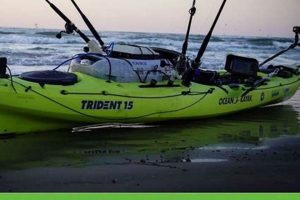
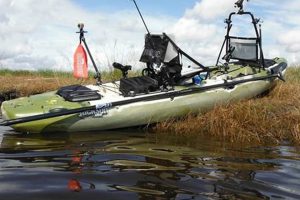
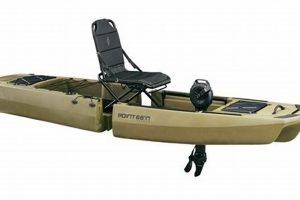
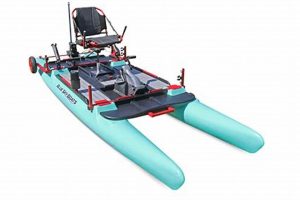
Tip 2: Choose the Right Kayak. Select a kayak designed for stability and suitable for the intended fishing environment. Consider factors like ocean conditions, target species, and the gear being carried.
Tip 3: Prioritize Safety Equipment. Always wear a personal flotation device (PFD). Carry essential safety gear, including a whistle, signaling mirror, VHF radio, and a first-aid kit. Inform someone of the planned fishing location and estimated return time.
Tip 4: Be Weather Aware. Check marine weather forecasts before heading out and be prepared for changing conditions. Avoid venturing out in strong winds, high surf, or lightning storms.
Tip 5: Respect the Environment. Practice catch-and-release whenever possible. Properly dispose of all fishing line and other waste. Avoid disturbing coral reefs or other sensitive marine habitats.
Tip 6: Employ Proper Fishing Techniques. Use appropriate tackle and techniques for the target species. Learn how to handle and release fish safely to minimize stress and injury. Consider using circle hooks to reduce the risk of deep hooking.
Tip 7: Pack Essential Gear. Bring plenty of water, sunscreen, a hat, and polarized sunglasses. A dry bag is essential for protecting electronics and other valuables. Pack appropriate fishing tools, such as pliers, line cutters, and a knife.
Adhering to these guidelines promotes both angler safety and the preservation of Hawaiis marine resources, ensuring sustainable and enjoyable kayak fishing experiences.
By focusing on preparation and responsible practices, anglers can maximize their chances of a successful and rewarding outing while contributing to the long-term health of Hawaii’s aquatic ecosystems.
1. Kayak Angling Demonstrations

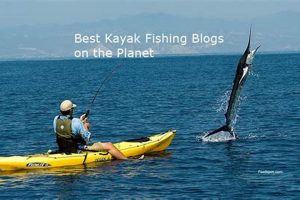
Kayak angling demonstrations serve as a crucial component of a Hawai’i kayak fishing show, offering attendees practical insights and fostering engagement within the sport. These demonstrations provide a platform for experienced anglers to showcase specialized techniques relevant to Hawaiian waters, such as tackling strong currents, targeting pelagic fish, and employing appropriate rigging for local species. A demonstration might involve showcasing the intricacies of casting from a kayak, maneuvering in challenging conditions, or landing a powerful fish like a wahoo. This practical application bridges the gap between theory and practice, empowering attendees to enhance their skills and confidence.
The effectiveness of these demonstrations lies in their ability to translate abstract concepts into tangible actions. For example, observing an expert angler demonstrate the proper technique for fighting a large yellowfin tuna from a kayak provides invaluable knowledge that cannot be gleaned from textbooks or online resources. This direct observation allows attendees to grasp nuances of body positioning, rod handling, and drag control, significantly improving their chances of success on the water. Moreover, demonstrations offer a platform for attendees to interact with experienced anglers, posing questions, seeking advice, and gaining personalized guidance tailored to their specific needs and skill levels.
Ultimately, kayak angling demonstrations enrich a Hawai’i kayak fishing show by offering an immersive learning experience that enhances angler skill and promotes responsible fishing practices. By showcasing best practices and providing opportunities for direct interaction with experts, these demonstrations contribute significantly to the overall value and impact of the show, fostering a deeper understanding and appreciation of kayak fishing in Hawaiian waters. This interactive element not only strengthens the educational value of the show but also fosters a sense of community among attendees, encouraging knowledge sharing and promoting sustainable fishing practices.
2. Hawaiian Fish Species Discussions

Discussions focusing on Hawaiian fish species constitute an integral component of a Hawai’i kayak fishing show, offering crucial information for responsible and successful angling. Understanding the local fish populations, their behaviors, and preferred habitats significantly enhances the kayak fishing experience. These discussions provide a platform for education and promote conservation efforts, ensuring the sustainability of Hawaii’s unique marine ecosystem.
- Target Species Identification
Accurate identification of target species is paramount for legal and ethical fishing. Discussions can cover distinguishing features of popular game fish like mahi-mahi (dorado), ono (wahoo), and various tuna species. Visual aids and interactive sessions can help participants differentiate between similar-looking species, preventing accidental catches of protected or regulated fish.
- Fish Behavior and Habitat
Understanding fish behavior and habitat preferences is essential for successful angling. Discussions might explore the migratory patterns of pelagic fish, the preferred feeding grounds of reef dwellers, or the influence of tides and currents on fish activity. This knowledge allows anglers to strategically select fishing locations and employ appropriate techniques, increasing their chances of a successful catch.
- Conservation and Regulations
Discussions on conservation and regulations play a vital role in promoting responsible fishing practices. Topics might include size and catch limits, seasonal closures, and protected species. Emphasizing the importance of catch-and-release for certain species and proper handling techniques minimizes stress on fish populations and contributes to their long-term health. Information on local regulations ensures compliance and fosters a culture of responsible angling.
- Traditional Hawaiian Fishing Practices
Integrating discussions on traditional Hawaiian fishing practices provides valuable cultural context and promotes respect for the local heritage. Exploring historical fishing methods, traditional knowledge of fish behavior, and the cultural significance of certain species enriches the understanding of the human-ocean connection in Hawaii. This element can foster a deeper appreciation for the marine environment and encourage sustainable fishing practices rooted in traditional wisdom.
By incorporating these elements, Hawaiian fish species discussions at a kayak fishing show contribute significantly to angler education and the promotion of sustainable fishing practices. This knowledge empowers attendees to make informed decisions on the water, maximizing their chances of success while minimizing their impact on Hawaii’s valuable marine resources. These discussions ultimately bridge the gap between recreational fishing and environmental stewardship, fostering a community of anglers dedicated to preserving Hawaii’s unique aquatic ecosystems.
3. Sustainable Fishing Practices
Sustainable fishing practices are intrinsically linked to the ethos of a Hawai’i kayak fishing show, underscoring the importance of responsible angling for the long-term health of the marine ecosystem. Integrating these practices into the event’s core messaging ensures that recreational fishing contributes to conservation efforts rather than posing a threat to Hawaii’s unique aquatic biodiversity. A Hawai’i kayak fishing show provides a vital platform for educating anglers about sustainable techniques and fostering a culture of environmental stewardship.
- Catch and Release
Promoting catch and release, particularly for non-target or overpopulated species, minimizes the impact on fish populations. Demonstrations at the show can highlight proper handling techniques to reduce stress on released fish, increasing their chances of survival. Using circle hooks, which are less likely to cause internal injuries, can be showcased as a best practice.
- Selective Gear Choices
Choosing appropriate gear plays a significant role in sustainability. The show can feature vendors offering sustainable fishing gear options, such as biodegradable lures and lines made from recycled materials. Discussions can focus on selecting gear appropriate for the target species, minimizing bycatch and reducing the risk of ghost fishing (abandoned fishing gear continuing to catch marine life).
- Respecting Habitats
Educating anglers about sensitive marine habitats, such as coral reefs and seagrass beds, is crucial. The show can emphasize the importance of avoiding anchoring in these areas and promoting responsible navigation practices to minimize disturbance. Discussions on proper waste disposal, including fishing line recycling programs, further contribute to habitat preservation.
- Adhering to Regulations
Promoting adherence to local fishing regulations, including size and catch limits, seasonal closures, and protected species designations, is paramount. The show can provide resources and information on current regulations, ensuring that anglers are well-informed and equipped to fish responsibly. Emphasizing the importance of reporting illegal fishing activities contributes to enforcement efforts and strengthens conservation measures.
By integrating these sustainable fishing practices into all aspects of a Hawai’i kayak fishing show, the event transcends its recreational focus and becomes a powerful platform for conservation advocacy. Educating anglers about their role in protecting Hawaii’s marine ecosystem ensures that the sport can be enjoyed for generations to come. This commitment to sustainability not only benefits the environment but also enhances the overall experience of kayak fishing, fostering a deeper appreciation for the natural world and promoting a culture of responsible stewardship among participants.
4. Local Gear and Equipment Vendors

Local gear and equipment vendors represent a crucial component of a successful Hawai’i kayak fishing show, contributing significantly to both the event’s economic viability and the attendees’ overall experience. Their presence provides a direct link between consumers and specialized products tailored to the unique demands of kayak fishing in Hawaiian waters. This symbiotic relationship fosters economic growth within the local community while simultaneously equipping anglers with the tools they need for a safe and productive outing.
Vendors offering locally-sourced and manufactured products, such as custom-designed kayaks optimized for Hawaiian conditions, specialized fishing rods and reels, and handcrafted lures that mimic local baitfish, offer distinct advantages. Anglers gain access to expert advice and equipment tailored to local species and fishing techniques. For instance, a vendor specializing in outrigger fishing kayaks can provide invaluable insights into their stability and maneuverability in challenging ocean currents. Similarly, a local lure maker can offer expertise on attracting specific target species found in Hawaiian waters. This localized knowledge enhances the angler’s preparedness and increases their likelihood of success. Furthermore, supporting local businesses contributes directly to the economic well-being of the community, reinforcing the show’s positive impact beyond the realm of recreational fishing. This direct economic contribution can manifest in job creation, increased tourism revenue, and support for local craftsmanship.
The presence of local vendors at a Hawai’i kayak fishing show creates a synergistic ecosystem that benefits all stakeholders. Anglers gain access to specialized knowledge and equipment, vendors expand their market reach, and the local economy receives a boost. This interconnectedness underscores the importance of supporting local businesses within the context of these events, reinforcing their role as vital contributors to the growth and sustainability of the kayak fishing community in Hawai’i. The integration of local vendors enhances the authenticity of the show, reflecting the unique characteristics of Hawaiian kayak fishing and fostering a sense of community among attendees. It strengthens the connection between the sport and the local culture, promoting a more sustainable and responsible approach to enjoying Hawaii’s marine resources.
5. Guided Tours and Excursions
Guided tours and excursions represent a valuable extension of a Hawai’i kayak fishing show, offering attendees immersive, practical experiences that complement the event’s educational and commercial aspects. These organized outings provide a structured environment for applying newly acquired knowledge and skills, fostering deeper engagement with the sport and the local environment. They bridge the gap between theoretical learning and practical application, transforming passive attendees into active participants in kayak fishing.
- Access to Prime Fishing Locations
Guided tours offer access to prime fishing locations often inaccessible to casual anglers. Local guides possess intimate knowledge of productive fishing grounds, increasing the likelihood of successful catches. For example, a tour might focus on specific areas known for pelagic species like mahi-mahi or target reef systems abundant with diverse fish populations. This targeted approach maximizes fishing time and provides valuable insights into local ecosystems.
- Enhanced Learning Opportunities
Guided excursions offer enhanced learning opportunities beyond the confines of the show itself. Experienced guides provide real-time instruction on techniques specific to Hawaiian waters, from navigating currents to selecting appropriate tackle for local species. This personalized instruction complements the broader information presented at the show, fostering deeper understanding and skill development. Participants can receive immediate feedback and adjust their techniques based on expert guidance, accelerating the learning process.
- Promoting Sustainable Practices
Guided tours often emphasize sustainable fishing practices, reinforcing the conservation messages conveyed at the show. Guides can model responsible angling behaviors, such as proper catch-and-release techniques and adherence to local regulations. This practical demonstration reinforces the importance of environmental stewardship and encourages participants to adopt sustainable practices in their own fishing endeavors.
- Supporting Local Economy and Community
Participating in guided tours contributes directly to the local economy, supporting local businesses and guides. This economic benefit extends beyond the immediate context of the fishing show, fostering sustainable tourism and community development. Furthermore, engaging with local guides provides valuable cultural insights and fosters a deeper connection with the Hawaiian community.
By offering guided tours and excursions, a Hawai’i kayak fishing show expands its impact beyond the confines of the event itself. These outings provide valuable practical experience, enhance learning opportunities, and promote responsible angling practices. They deepen attendee engagement with the sport while simultaneously contributing to the local economy and community, creating a mutually beneficial relationship between recreational fishing and environmental stewardship. This holistic approach enriches the overall experience of the show, transforming it from a passive exhibition into an active exploration of kayak fishing in Hawai’i.
Frequently Asked Questions
This FAQ section addresses common inquiries regarding kayak fishing in Hawaiian waters, providing concise and informative responses to facilitate a deeper understanding of the sport and its associated practices.
Question 1: What type of kayak is best suited for fishing in Hawaiian waters?
Kayak selection depends on intended fishing locations and target species. Stable, ocean-worthy kayaks equipped with features like rod holders, anchor trolleys, and ample storage are recommended. Sit-on-top kayaks are generally preferred for their self-bailing capabilities and ease of re-entry in the event of a capsize.
Question 2: Are there specific regulations for kayak fishing in Hawaii?
State regulations govern fishing licenses, size and catch limits, and permitted fishing areas. Consulting the Hawaii Division of Aquatic Resources website for current regulations is essential before embarking on any fishing trip. Specific regulations may apply to certain species or areas, such as marine protected zones.
Question 3: What essential safety equipment is recommended for kayak fishing in Hawaii?
A personal flotation device (PFD) is mandatory. Essential safety gear includes a whistle, signaling mirror, VHF radio, first-aid kit, and a communication device. Informing someone of the planned fishing location and estimated return time is crucial for safety.
Question 4: What are the primary target species for kayak anglers in Hawaii?
Popular target species include pelagic fish like mahi-mahi (dorado), ono (wahoo), and various tuna species. Reef fish, such as ulua and papio, are also commonly sought after. Local fishing reports and guides can provide insights into current fishing conditions and target species availability.
Question 5: What environmental considerations should kayak anglers be mindful of in Hawaii?
Minimizing environmental impact is crucial. Practicing catch and release whenever possible, proper disposal of fishing line and other waste, and avoiding disturbance of coral reefs and other sensitive marine habitats are essential practices for responsible kayak angling.
Question 6: Where can one find information on guided kayak fishing tours in Hawaii?
Local outfitters and charter services offer guided kayak fishing tours. Reputable tour operators prioritize safety, sustainable fishing practices, and provide valuable local expertise. Online resources and local visitor information centers can provide contact information for reputable tour operators.
Prioritizing safety, adhering to regulations, and respecting the marine environment are fundamental tenets of responsible kayak fishing. Further research and engagement with local resources can enhance angler knowledge and contribute to a sustainable and rewarding experience.
For those interested in exploring the practical aspects of kayak fishing in Hawaii, the following section offers valuable tips and techniques.
Conclusion
Exploration of a Hawai’i kayak fishing show reveals multifaceted benefits, encompassing education, economic impact, and environmental stewardship. Such events provide platforms for showcasing specialized techniques, promoting responsible angling practices, and fostering appreciation for Hawai’i’s unique marine ecosystem. From demonstrations of specialized equipment to discussions on sustainable fishing methods, these gatherings serve as valuable resources for both novice and experienced anglers. The presence of local vendors contributes to the economic vitality of the community, while guided tours offer immersive experiences that connect participants directly with the marine environment.
The emphasis on sustainability underscores the importance of balancing recreational fishing with conservation efforts. By fostering a culture of responsible angling, Hawai’i kayak fishing shows contribute to the long-term health of the marine ecosystem, ensuring its viability for future generations. Continued support for these events and the adoption of sustainable fishing practices are essential for preserving the rich biodiversity of Hawaiian waters. Active participation and informed engagement are crucial for safeguarding this valuable resource and ensuring the enduring enjoyment of kayak fishing in Hawai’i.