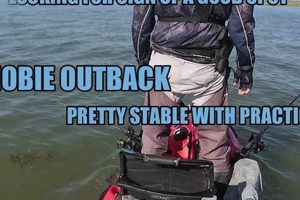
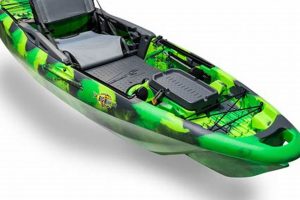
Anglers engaged in the sport of kayak fishing often experience close proximity to water, including splashes, spray, and even full submersion. Specialized apparel designed to repel water is therefore essential. This type of apparel typically utilizes durable, water-resistant, and breathable fabrics, often incorporating reinforced seams and adjustable closures to ensure a secure and dry fit. Examples include bibs, trousers, and leggings constructed from materials like nylon or polyester with a durable water repellent (DWR) finish or a waterproof membrane.
Maintaining warmth and dryness is crucial for comfort and safety on the water. Hypothermia can pose a significant risk, especially in colder conditions. By providing a barrier against water intrusion, specialized apparel allows anglers to focus on their activity without the distraction and discomfort of wet clothing. Historically, anglers relied on less effective solutions, such as oiled canvas or rubberized garments. Advancements in textile technology have led to the development of lightweight, breathable, and highly effective materials that offer significantly improved protection and comfort.
This discussion will further explore various aspects of appropriate attire for kayak fishing, including different fabric technologies, construction features, and selection criteria to consider based on individual needs and environmental conditions. Topics will include an examination of breathability ratings, seam construction, and the role of layering strategies in maintaining thermal comfort.
Tips for Selecting Appropriate Apparel
Choosing suitable attire significantly enhances comfort and safety during kayak fishing excursions. Careful consideration of various factors can optimize performance and protection in diverse weather conditions.
Tip 1: Prioritize Waterproofing and Breathability: Look for garments constructed with waterproof and breathable fabrics. Waterproofing prevents water penetration, while breathability allows perspiration vapor to escape, preventing overheating and maintaining comfort. A Durable Water Repellent (DWR) finish adds further protection.
Tip 2: Consider Seam Construction: Sealed or taped seams are crucial for preventing water leakage through stitch holes. Examine the garment construction to ensure seams are adequately sealed for optimal waterproof performance.
Tip 3: Evaluate Fit and Mobility: Apparel should allow for a full range of motion required for paddling and casting. Articulated knees and a comfortable fit prevent restriction and enhance mobility on the water.
Tip 4: Choose Appropriate Layering Options: Layering allows for adaptability to changing weather conditions. Base layers wick moisture away from the skin, mid-layers provide insulation, and outer layers offer waterproof protection.
Tip 5: Check for Reinforcement in High-Wear Areas: Seats and knees experience increased wear and tear. Reinforced panels in these areas enhance durability and longevity.
Tip 6: Select Adjustable Features: Adjustable waistbands, cuffs, and suspenders provide a secure and customizable fit, preventing water entry and improving comfort.
Tip 7: Consider Pocket Placement and Design: Secure, water-resistant pockets allow for safe storage of essential items while on the water.
By adhering to these guidelines, anglers can select attire that maximizes both comfort and protection, allowing for a more enjoyable and safer fishing experience.
These tips provide a foundation for selecting effective attire. The following section will further elaborate on specific fabric technologies and product recommendations to aid in the decision-making process.
1. Material
Material selection significantly impacts the performance of waterproof pants designed for kayak fishing. The chosen fabric must effectively balance waterproofness, breathability, and durability. Common materials include nylon and polyester, often treated with a Durable Water Repellent (DWR) finish or incorporating a waterproof, breathable membrane. The DWR finish provides a first line of defense against light rain and splashes, while the membrane prevents water penetration while allowing perspiration vapor to escape, maintaining comfort during strenuous activity. For example, a nylon shell fabric with a polyurethane (PU) coating provides excellent waterproofness, while a polyester fabric with a polytetrafluoroethylene (PTFE) membrane, such as Gore-Tex, offers superior breathability alongside waterproofing. Understanding the properties of these materials allows anglers to select appropriate gear for specific conditions.
Different materials offer varying levels of performance. Heavier-duty fabrics, such as those used in ocean kayaking gear, typically prioritize waterproofness over breathability, providing robust protection in extreme conditions. Lighter-weight fabrics, often found in recreational kayak fishing apparel, prioritize breathability for comfort during less demanding activities. Additionally, the material’s abrasion resistance is critical for durability, especially in areas prone to contact with the kayak or fishing equipment. Reinforced panels in high-wear areas, such as the knees and seat, further enhance longevity. Choosing a material that aligns with the anticipated conditions and activity level is crucial for a successful and comfortable fishing experience.
In summary, the effectiveness of waterproof pants hinges on careful material selection. Balancing waterproofness, breathability, and durability is essential. Considering the specific demands of kayak fishing, such as potential submersion, spray, and abrasion, informs appropriate material choices. Ultimately, the chosen material contributes significantly to the angler’s comfort, safety, and overall performance on the water.
2. Breathability

Breathability is a critical factor in waterproof pants designed for kayak fishing. While waterproofness protects against external moisture, breathability allows perspiration vapor to escape, preventing overheating and maintaining comfort. Kayak fishing often involves physical exertion, even in cooler conditions. Without adequate breathability, perspiration can become trapped within the waterproof layer, leading to discomfort, dampness, and potentially hypothermia. This balance between waterproofness and breathability is crucial for maintaining a comfortable body temperature during activity.
Various technologies facilitate breathability in waterproof fabrics. Microporous membranes, such as those found in Gore-Tex and similar materials, contain microscopic pores that allow water vapor to pass through while blocking larger water droplets. Hydrophilic membranes, on the other hand, attract water molecules and transport them through the fabric. These technologies allow garments to remain waterproof while facilitating moisture transfer away from the body. Choosing a garment with an appropriate breathability rating, often measured in grams per square meter over 24 hours (g/m/24h), is essential. Higher ratings indicate greater breathability. The specific activity level and expected environmental conditions dictate the required level of breathability. For instance, high-intensity paddling in warm weather necessitates higher breathability compared to leisurely fishing in cooler conditions.
Understanding the role of breathability in waterproof pants is essential for selecting appropriate attire for kayak fishing. Balancing protection from external elements with the management of internal moisture ensures comfort, safety, and optimal performance on the water. Failure to prioritize breathability can lead to significant discomfort and potentially compromise safety, especially during strenuous activity or prolonged exposure to challenging conditions. Properly balancing waterproofness and breathability allows anglers to remain dry and comfortable, enabling focus on the fishing experience.
3. Durability

Durability is a paramount consideration for waterproof pants intended for kayak fishing. The demanding nature of the sport, with potential exposure to abrasive surfaces, sharp equipment, and varied environmental conditions, necessitates garments constructed to withstand wear and tear. Prolonged use, coupled with the potential for friction against the kayak, rocks, or fishing gear, can compromise the integrity of less durable fabrics. A tear or puncture in the waterproof layer can significantly diminish the garment’s effectiveness, leading to discomfort and potential safety risks. For example, repeated contact with rough surfaces, such as barnacles or rocks while entering or exiting the kayak, can quickly abrade less robust materials. Similarly, accidental contact with hooks or other sharp fishing equipment can cause punctures, compromising the waterproof barrier.
Several factors contribute to the overall durability of waterproof pants. Fabric construction, including thread denier and weave tightness, plays a significant role. Reinforced panels in high-wear areas, such as the knees and seat, provide additional protection against abrasion. The quality of seams and stitching is also crucial. Double-stitched or reinforced seams offer greater resistance to tearing and separation. Furthermore, the type of waterproof membrane or coating influences durability. Some coatings, while providing excellent initial waterproofness, may be susceptible to degradation over time or with frequent washing. Choosing pants constructed with durable materials and reinforced stitching ensures longevity and sustained performance in demanding conditions. This resilience translates to fewer replacements and a lower overall cost in the long run.
Prioritizing durability in waterproof pants for kayak fishing is essential for both comfort and safety. Durable garments withstand the rigors of the sport, providing reliable protection against the elements and potential hazards. Careful consideration of fabric construction, reinforcement, and seam quality ensures long-term performance and value, allowing anglers to focus on the experience without the distraction of failing equipment. Understanding the relationship between material choices, construction techniques, and expected lifespan empowers informed purchasing decisions and contributes to a safer and more enjoyable experience on the water.
4. Design/Fit
The design and fit of waterproof pants significantly impact both comfort and performance in kayak fishing. A proper fit ensures freedom of movement during paddling and casting, while design elements contribute to functionality and safety. Ill-fitting pants can restrict mobility, hindering paddling efficiency and increasing the risk of entanglement. Conversely, a well-designed, properly fitted garment allows for an unrestricted range of motion, enhancing comfort and safety. For example, articulated knees and a gusseted crotch provide greater flexibility for bending and stretching, essential for maneuvering within the confines of a kayak. An adjustable waistband ensures a secure fit, preventing water ingress and maintaining comfort throughout the fishing excursion. Integrated suspenders further enhance security and prevent the pants from sliding down during active movement.
Specific design features contribute to the overall effectiveness of waterproof pants in a kayak fishing context. Reinforced seat and knee panels enhance durability in high-wear areas, prolonging the lifespan of the garment. Ankle cuffs, either adjustable or fitted with a watertight seal, prevent water from entering the pants from below, especially during launching, landing, or accidental submersion. Strategically placed pockets, designed for accessibility while seated, allow for convenient storage of essential gear without interfering with paddling or casting. Drainage holes in pockets can prevent water accumulation, further enhancing comfort and functionality. The inclusion of reflective elements enhances visibility in low-light conditions, improving safety during early morning or late evening excursions.
The interplay between design and fit directly influences the angler’s experience on the water. A well-designed, properly fitted garment allows for unrestricted movement, promotes comfort, and enhances safety. Careful consideration of design features, such as articulation, reinforcement, and pocket placement, optimizes functionality and contributes to a more productive and enjoyable fishing experience. Conversely, neglecting these aspects can lead to discomfort, restricted movement, and potential safety hazards. Understanding the impact of design and fit empowers informed purchasing decisions, enabling anglers to select waterproof pants that effectively meet the specific demands of kayak fishing.
5. Seam Construction
Seam construction plays a critical role in the effectiveness of waterproof pants designed for kayak fishing. Seams, inherently, are points of vulnerability where water can penetrate, compromising the garment’s waterproof integrity. Proper seam construction techniques are therefore essential for maintaining dryness and ensuring the overall performance of the pants in wet conditions. Different construction methods offer varying levels of protection, and understanding these differences allows anglers to make informed decisions based on their specific needs and anticipated conditions.
- Stitched and Taped Seams
This common construction method involves stitching the fabric panels together and then applying a waterproof tape over the stitching. The tape seals the needle holes created during stitching, preventing water from seeping through. The quality and application of the tape are crucial for long-term waterproof performance. Taped seams are generally suitable for moderate water exposure, such as splashes and spray, but may not be fully waterproof under prolonged submersion.
- Welded Seams
Welding uses heat and pressure to fuse fabric panels together, creating a completely waterproof bond without the need for stitching or tape. This method eliminates potential leak points associated with needle holes, offering superior waterproof protection, particularly in demanding conditions involving frequent or prolonged immersion. Welded seams are typically found in higher-end waterproof garments designed for extreme environments.
- Blind Stitched and Sealed Seams
Blind stitching minimizes needle penetration through the fabric, reducing the number of potential leak points. A sealant is then applied to further enhance the waterproofness of the seam. This method offers a good balance between durability, flexibility, and waterproofness, making it suitable for a range of kayak fishing conditions.
- Double Stitched and Sealed Seams
Double stitching reinforces the seam’s strength and durability. The addition of a sealant further enhances waterproof protection. While not as completely waterproof as welded seams, double-stitched and sealed seams offer a robust solution for most kayak fishing scenarios. This construction offers increased resistance to tearing and abrasion, crucial for garments subjected to the rigors of kayak fishing.
The effectiveness of waterproof pants for kayak fishing relies heavily on the integrity of the seam construction. Choosing a construction method appropriate for the anticipated conditions, such as the likelihood of immersion or exposure to heavy spray, ensures optimal performance and protection. Understanding the different seam construction techniques, including their strengths and limitations, empowers anglers to select garments that provide the necessary level of waterproofness for a comfortable and safe experience on the water. While taped seams offer adequate protection in many situations, welded or advanced sealed seams provide greater assurance in more demanding environments.
6. Pockets/Features

Pocket design and specialized features significantly influence the functionality and practicality of waterproof pants for kayak fishing. Anglers require convenient access to essential gear while maintaining comfort and safety on the water. Pocket placement, closure mechanisms, and additional features contribute to the overall effectiveness and usability of the garment in a kayak fishing environment. Careful consideration of these elements ensures anglers can readily access necessary tools and equipment without compromising mobility or safety.
- Pocket Placement and Accessibility
Strategic pocket placement is paramount for ease of access while seated in a kayak. Pockets positioned too high or too low can be difficult to reach, hindering efficient retrieval of essential items. Placement should consider the angler’s seated posture and range of motion. For example, thigh pockets positioned slightly forward allow easy access without excessive stretching or twisting. Similarly, chest pockets angled for access while wearing a life vest offer convenient storage for frequently used tools or accessories.
- Closure Mechanisms and Security
Secure closures are essential for preventing gear loss, especially during dynamic movements or accidental submersion. Water-resistant zippers or flaps with secure closures, such as Velcro or snaps, protect contents from moisture and prevent items from falling out. Zipper garages, which cover the zipper pull, further enhance water resistance and prevent snags. For example, waterproof zippers with sealed seams offer superior protection against water intrusion, while flaps with secure closures provide an additional layer of security for frequently accessed items.
- Specialized Features: Drainage and Attachment Points
Integrated features, such as drainage holes in pockets, prevent water accumulation, enhancing comfort and preventing damage to sensitive items like electronics or licenses. Attachment points, such as D-rings or loops, allow for secure attachment of tools, accessories, or lanyards. These features contribute to overall functionality and convenience on the water. Drainage grommets located at the bottom of pockets allow water to escape, preventing discomfort and damage to stored items. Attachment points provide secure locations for clipping essential gear, ensuring readily available tools without the risk of loss.
- Integration with Layering Systems
Pocket design should consider compatibility with layering systems. Pockets accessible through outer layers, such as waterproof shells, eliminate the need to remove layers to access gear. This maintains thermal regulation and prevents exposure to the elements. Handwarmer pockets lined with fleece provide additional warmth and comfort in colder conditions. The placement and accessibility of pockets should consider potential layering configurations to ensure ease of access to essential items without compromising the functionality of the layering system. For instance, pass-through pockets allow access to layers worn underneath the waterproof shell, maintaining warmth and dryness.
The effectiveness of waterproof pants for kayak fishing is significantly enhanced by thoughtful pocket design and integrated features. Strategic placement, secure closures, and specialized features like drainage and attachment points optimize functionality, allowing anglers to focus on the fishing experience. These seemingly small details contribute significantly to overall comfort, convenience, and safety on the water, further emphasizing the importance of careful consideration when selecting appropriate attire for kayak fishing.
Frequently Asked Questions
This section addresses common inquiries regarding waterproof pants designed for kayak fishing. Understanding these key aspects facilitates informed decisions and ensures optimal performance and comfort on the water.
Question 1: What is the difference between water-resistant and waterproof pants?
Water-resistant pants offer some protection against light rain or splashes, but are not designed to withstand sustained exposure to water. Waterproof pants, conversely, provide a barrier against water penetration, even during submersion, due to specialized membranes or coatings.
Question 2: How important is breathability in waterproof pants for kayak fishing?
Breathability is crucial for comfort during physical exertion. Breathable fabrics allow perspiration vapor to escape, preventing overheating and maintaining a comfortable body temperature, even in challenging conditions.
Question 3: What types of waterproof breathable fabrics are commonly used in kayak fishing pants?
Common materials include nylon and polyester with waterproof breathable membranes, such as Gore-Tex or similar technologies. These membranes allow moisture vapor to escape while preventing liquid water from entering.
Question 4: How does seam construction affect the waterproofness of the pants?
Seams are potential points of water entry. Sealed, taped, or welded seams prevent water from seeping through stitch holes, ensuring the pants remain waterproof. Welded seams offer the highest level of waterproof protection.
Question 5: What design features should one look for in waterproof pants for kayak fishing?
Key features include articulated knees for mobility, reinforced seat and knee panels for durability, adjustable waist and ankle closures for a secure fit, and strategically placed pockets with secure closures for gear storage.
Question 6: How should waterproof pants fit?
The fit should allow for a full range of motion required for paddling and casting without being overly restrictive. A comfortable yet secure fit prevents water entry and enhances mobility on the water.
Addressing these common questions provides a foundation for informed decision-making when selecting waterproof pants for kayak fishing. Prioritizing appropriate material selection, seam construction, design features, and fit ensures optimal performance, comfort, and safety during on-the-water excursions.
The subsequent sections will delve further into specific product recommendations and care instructions for maintaining the performance and longevity of waterproof fishing apparel.
Conclusion
Waterproof pants designed specifically for kayak fishing represent an essential piece of apparel for maintaining comfort, safety, and performance on the water. This discussion has explored key aspects of selection, including material properties, breathability, durability, design features, seam construction, and pocket functionality. Understanding the interplay of these factors allows anglers to make informed purchasing decisions based on individual needs and anticipated conditions. Prioritizing waterproofness and breathability ensures protection from external elements while managing internal moisture, contributing to overall comfort and preventing potential health risks associated with prolonged exposure to cold and wet environments. Durability and reinforced construction ensure longevity and withstand the rigors of kayak fishing, while thoughtful design features, including articulated knees, adjustable closures, and strategically placed pockets, enhance mobility, functionality, and convenience on the water. Careful consideration of seam construction further guarantees the integrity of the waterproof barrier, preventing water ingress and maintaining dryness even in challenging conditions.
The selection of appropriate waterproof pants significantly impacts the overall kayak fishing experience. Investing in well-designed, durable, and functional apparel enhances not only comfort and performance but also safety on the water. By understanding the key features and considerations outlined in this discussion, anglers can confidently choose the right gear to meet their specific needs, enabling a more enjoyable, productive, and safe pursuit of their passion. Continued exploration of emerging technologies and innovative designs in waterproof apparel promises further advancements in comfort and protection for kayak anglers, ensuring a more rewarding experience on the water for years to come.