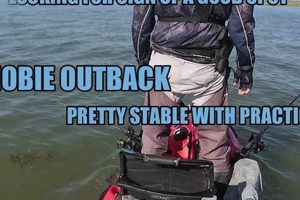
The sport of angling from small, human-powered vessels in the “Land of 10,000 Lakes” offers a unique blend of outdoor recreation and connection with nature. This activity allows close-to-water experiences, providing access to otherwise difficult-to-reach fishing spots across the state’s diverse waterways, from smaller rivers and streams to vast lakes. It combines the tranquility of paddling with the excitement of angling for various freshwater species.
This pursuit offers numerous advantages, including affordability, portability, and minimal environmental impact. The low profile of these vessels allows for stealthy approaches to fish, enhancing angling success. Historically, small watercraft have played a crucial role in fishing traditions, and the modern adaptation with specialized kayaks builds upon this legacy, offering a contemporary approach to a time-honored practice. The growing popularity of this activity also contributes to local economies through equipment sales, tourism, and related services.
Further exploration will delve into specific locations, suitable fish species, essential gear and safety considerations, and the regulations relevant to this increasingly popular activity within Minnesota.
Tips for Kayak Angling in Minnesota
Careful planning and preparation contribute significantly to a successful and enjoyable fishing experience from a kayak. The following tips offer valuable insights for anglers of all skill levels.
Tip 1: Research and Choose Appropriate Locations: Water conditions, fish species, and access points vary across Minnesota. Consult maps, online resources, and local fishing reports to select suitable locations aligned with angler skill and target species.
Tip 2: Prioritize Safety Gear: A personal flotation device (PFD) is essential. A whistle, signaling devices, and a first-aid kit should be readily accessible. Checking weather forecasts before embarking is crucial.
Tip 3: Select Suitable Kayaks and Equipment: Kayak stability and storage capacity should be considered. Rod holders, anchor systems, and fish finders enhance the angling experience. Appropriate fishing tackle for target species should be selected.
Tip 4: Practice Kayak Handling and Maneuvering: Before venturing onto open water, practice basic paddling strokes, turning techniques, and stability drills in calm conditions. This builds confidence and ensures safe kayak control.
Tip 5: Employ Effective Fishing Techniques: Adapt fishing techniques to suit the kayak’s low profile. Downsizing lures or bait presentations may prove advantageous. Quiet casting and retrieval techniques help avoid spooking fish.
Tip 6: Respect Wildlife and the Environment: Practice catch-and-release principles whenever possible. Properly dispose of fishing line and other waste. Maintain a safe distance from wildlife and avoid disturbing natural habitats.
Tip 7: Understand and Follow Regulations: Obtain necessary fishing licenses and familiarize oneself with state regulations regarding catch limits, size restrictions, and permitted fishing methods. Stay informed about any specific area closures or restrictions.
Adherence to these guidelines ensures a safe, productive, and environmentally responsible experience on Minnesota’s waters, allowing anglers to fully appreciate the unique opportunities afforded by this style of fishing.
These preparations contribute significantly to positive experiences, paving the way for a fulfilling outing on the water.
1. Location Selection
Optimal location selection is paramount for successful kayak angling in Minnesota. The diverse water bodies across the state offer varying conditions, fish species, and access points. Careful consideration of these factors significantly influences angling outcomes. Choosing a location suited to target species, angler skill level, and desired experience is crucial. For instance, an angler seeking northern pike might choose a shallow, weedy bay on a large lake, while someone targeting walleye might opt for deeper, rocky areas in a river system. Matching location characteristics to angling goals is fundamental.
Access points are a practical consideration. Some lakes offer convenient boat ramps suited to launching kayaks, while others require portaging or alternative access methods. River systems present unique challenges, with current flow, potential obstacles, and varying depths impacting location choices. Evaluating water clarity, vegetation cover, and prevailing weather conditions further refines location decisions. These choices influence not only catch rates but also angler safety and overall enjoyment.
In summary, effective location selection requires understanding the interplay of factors such as target species habitat, accessibility, and prevailing conditions. This knowledge, combined with pre-trip planning and research, allows anglers to maximize their chances of success while ensuring a safe and rewarding experience on Minnesota’s diverse waters. Careful consideration of these elements distinguishes a successful outing from a frustrating one.
2. Safety Precautions

Safety precautions are paramount in kayak fishing within Minnesota, directly impacting angler well-being and the overall success of outings. Cold water conditions, prevalent throughout much of the state’s fishing season, pose significant risks. Sudden immersion can lead to hypothermia and reduced physical function, increasing the likelihood of accidents. Wearing a personal flotation device (PFD) is not merely recommended; it is a crucial safety measure that can prevent tragedy. PFDs provide essential buoyancy, keeping anglers afloat in the event of capsizing or unexpected entry into the water. This is particularly vital in remote locations or when fishing alone.
Further safety considerations include carrying essential communication and signaling devices. A waterproof cell phone or VHF radio allows contact with emergency services if needed. A whistle, attached to the PFD, provides an additional means of attracting attention. Checking weather forecasts prior to embarking is essential, as sudden changes in wind speed or precipitation can create hazardous conditions on the water. Informing someone of intended fishing locations and estimated return times adds another layer of safety, ensuring that assistance can be summoned if an angler fails to return as planned. Understanding and adhering to these precautions significantly reduces risks associated with this activity.
In conclusion, a comprehensive approach to safety is inseparable from responsible kayak fishing in Minnesota. The combination of cold water conditions, variable weather patterns, and often remote fishing locations necessitates meticulous preparation and adherence to established safety guidelines. Prioritizing these precautions mitigates potential risks, allowing anglers to focus on the enjoyment and rewards of this popular pastime. Neglecting these essential elements can have severe consequences, transforming a recreational activity into a life-threatening situation. Safety considerations must remain at the forefront of every kayak fishing excursion.
3. Specialized Equipment

Specialized equipment plays a crucial role in enhancing both the safety and effectiveness of kayak fishing in Minnesota. Proper gear selection allows anglers to adapt to the unique challenges and opportunities presented by this style of fishing. From specialized kayaks designed for stability and storage to advanced electronics and fishing-specific accessories, equipment choices directly influence angling success and overall enjoyment on the water. The following facets highlight the essential considerations within this category.
- Kayak Selection
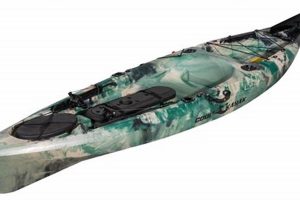
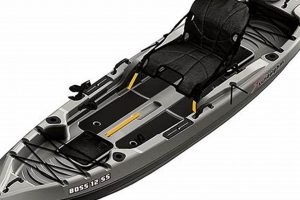
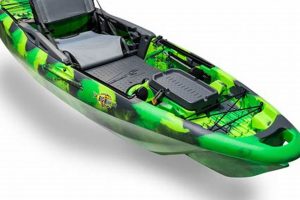
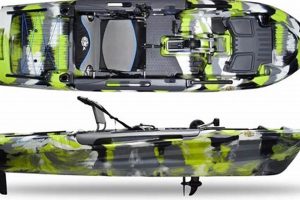
Kayaks designed for fishing often feature enhanced stability, specialized storage compartments, and integrated rod holders. Sit-on-top kayaks are popular choices due to their self-bailing capabilities and ease of re-entry after a water landing. Pedal-powered kayaks offer hands-free fishing and improved maneuverability, while inflatable kayaks provide portability and convenient storage options. Selecting a kayak appropriate for the intended fishing environment, target species, and angler experience level is crucial for a safe and productive outing.
- Fishing Accessories
Rod holders, anchor systems, and fish finders are essential accessories that significantly enhance the kayak fishing experience. Adjustable rod holders secure fishing rods, freeing hands for paddling and other tasks. Anchor systems, including stake-out poles or small, deployable anchors, maintain kayak position in desired fishing locations. Fish finders utilize sonar technology to identify fish, underwater structures, and bottom contours, providing valuable information for anglers. These specialized tools contribute significantly to fishing success and overall efficiency on the water.
- Safety and Navigation Equipment
Safety equipment, including personal flotation devices (PFDs), whistles, and signaling devices, is paramount in kayak fishing. PFDs provide buoyancy and are essential for preventing accidents in case of capsizing. Whistles and visual signaling devices aid in attracting attention in emergencies. Navigation tools, such as GPS units and compasses, assist in maintaining orientation and ensuring safe navigation, especially in unfamiliar waters or during low-visibility conditions. Prioritizing safety equipment safeguards anglers and contributes to responsible fishing practices.
- Apparel and Personal Gear
Appropriate apparel and personal gear enhance comfort and safety during kayak fishing excursions. Waders or waterproof pants protect against splashes and inclement weather. Layered clothing allows for temperature regulation, crucial in Minnesota’s variable climate. Polarized sunglasses reduce glare on the water’s surface, improving visibility and aiding in fish spotting. Sunscreen, insect repellent, and a wide-brimmed hat protect against sun exposure and insect bites. These considerations contribute to a more enjoyable and comfortable fishing experience.
In summary, the strategic selection and utilization of specialized equipment are integral to successful and safe kayak fishing in Minnesota. From the kayak itself to fishing-specific accessories, safety gear, and appropriate apparel, each element contributes to angler comfort, efficiency, and overall success. By carefully considering these facets and making informed equipment choices, anglers can maximize their enjoyment and productivity on Minnesota’s diverse waterways. The interplay of these elements distinguishes a well-prepared angler from one ill-equipped for the challenges and opportunities of kayak fishing.
4. Fishing Techniques
Effective fishing techniques in a kayak differ significantly from those employed in larger, motorized boats. Kayak angling requires adaptation and specialized approaches due to the vessel’s smaller size, lower profile, and reliance on human power. Casting techniques must account for limited space and the need to maintain balance and stability. Shorter, more controlled casts are often necessary, particularly in windy conditions or when fishing in close proximity to obstacles. Precision and accuracy become paramount, as the angler has limited ability to reposition the kayak quickly. For example, when targeting bass in dense vegetation, a sidearm or underhand cast may be necessary to avoid snags and present the lure accurately.
Kayak anglers often benefit from utilizing lighter tackle and finesse presentations. The reduced noise and disturbance associated with a kayak allow for a stealthier approach, making fish less likely to be spooked. Finesse techniques, such as drop-shotting, shaky head rigging, and Ned rigging, can be particularly effective, allowing for precise bait control and subtle presentations. These techniques are well-suited to targeting walleye and other species that may be wary of larger, more intrusive presentations. In clear water situations, where fish are more likely to see the angler and the kayak, these subtle approaches become even more crucial for success.
Adaptability is key in kayak fishing. Anglers must be prepared to adjust their techniques based on prevailing conditions, including wind, current, water clarity, and fish behavior. The ability to quickly switch between different lures, presentations, and retrieval methods often determines success. Understanding the specific habitat and feeding patterns of target species, coupled with the appropriate selection and application of kayak-specific fishing techniques, maximizes angling opportunities in Minnesota’s diverse waters. Effective kayak angling necessitates a thoughtful and adaptable approach, recognizing the inherent limitations and advantages presented by this unique fishing platform.
5. Regulations and Licensing

Adherence to regulations and proper licensing are integral components of responsible kayak fishing in Minnesota. State regulations govern fishing seasons, catch limits, size restrictions, and permitted fishing methods. These regulations aim to ensure the sustainability of fish populations and the overall health of aquatic ecosystems. For instance, specific size limits on walleye protect breeding populations and contribute to long-term fishery health. Similarly, regulations regarding the use of live bait aim to prevent the introduction of invasive species. Ignoring these regulations carries potential legal consequences, including fines and license revocation.
Obtaining a valid Minnesota fishing license is a prerequisite for engaging in this activity. Licenses are available for residents and non-residents, with various durations and associated fees. Anglers can purchase licenses online, through authorized vendors, or at Department of Natural Resources offices. Specific regulations may apply to particular water bodies or species, necessitating additional permits or endorsements. For example, fishing in designated trout streams often requires a trout stamp in addition to a standard fishing license. Understanding and complying with these licensing requirements ensures legal participation in the sport and contributes to the conservation efforts funded by license revenues.
In summary, compliance with regulations and proper licensing are fundamental responsibilities of kayak anglers in Minnesota. These frameworks ensure the long-term sustainability of fish populations, protect the integrity of aquatic ecosystems, and contribute to responsible recreational use of the state’s waterways. Failure to adhere to these regulations undermines conservation efforts and jeopardizes the future of this popular pastime. Anglers must prioritize understanding and complying with these requirements to maintain the health and accessibility of Minnesota’s fisheries for future generations.
6. Environmental Stewardship
Environmental stewardship represents a crucial responsibility for all participants in outdoor recreational activities, including kayak fishing in Minnesota. The state’s rich aquatic ecosystems are fragile and susceptible to disruption from human activities. Practicing responsible angling methods and adhering to Leave No Trace principles ensures the preservation of these valuable resources for future generations. Understanding the interconnectedness of human actions and environmental consequences is fundamental to sustainable enjoyment of Minnesota’s waters.
- Minimizing Disturbance to Aquatic Habitats
Kayaks offer a low-impact means of accessing fishing locations, but minimizing disturbance to aquatic habitats remains crucial. Avoiding shallow spawning areas, refraining from dragging kayaks over sensitive vegetation, and minimizing noise pollution contribute to habitat preservation. These practices protect essential breeding grounds and maintain the health of aquatic plant life, crucial for supporting diverse fish populations and overall ecosystem health.
- Proper Waste Disposal and Pollution Prevention
Discarded fishing line, hooks, and other debris pose significant threats to wildlife and water quality. Responsible anglers carry reusable containers for collecting waste and dispose of it properly upon returning to shore. Avoiding the use of harmful chemicals or substances, such as lead sinkers or non-biodegradable cleaning agents, further minimizes pollution and protects aquatic life. These practices contribute to maintaining clean and healthy waterways.
- Catch-and-Release Practices
Practicing catch-and-release fishing helps conserve fish populations and maintain healthy ecosystems. Handling fish gently, using appropriate hooks and tackle to minimize injury, and reviving fish properly before release increase their chances of survival. Selective harvesting, adhering to size and catch limits, ensures sustainable fish populations for future angling opportunities. These practices contribute to the long-term health and viability of fisheries.
- Invasive Species Prevention
Invasive species pose a significant threat to Minnesota’s aquatic ecosystems. Anglers can help prevent the spread of invasive species by thoroughly cleaning kayaks, paddles, and other equipment after each use. Inspecting and removing any attached vegetation or organisms before moving between different water bodies prevents the introduction of non-native species that can disrupt established ecosystems. Draining bilge water and livewells completely further reduces the risk of transporting invasive species.
In conclusion, environmental stewardship is an integral aspect of responsible kayak fishing in Minnesota. By embracing these practices, anglers contribute to the preservation of the state’s invaluable natural resources. Understanding the impact of human actions on aquatic ecosystems and adopting mindful angling habits ensures the continued enjoyment of these resources for future generations. Sustainable practices not only protect the environment but also enhance the overall quality of the angling experience.
Frequently Asked Questions
This section addresses common inquiries regarding kayak fishing in Minnesota, providing concise and informative responses to facilitate informed participation in this activity.
Question 1: What are the essential safety precautions for kayak fishing in Minnesota?
Wearing a personal flotation device (PFD), carrying communication devices (whistle, cell phone, or VHF radio), checking weather forecasts before embarking, and informing someone of fishing plans are crucial safety measures.
Question 2: What type of kayak is best suited for fishing in Minnesota?
Sit-on-top kayaks are popular due to stability and self-bailing features. Pedal-powered kayaks offer hands-free fishing, while inflatable kayaks provide portability. Selection depends on individual needs and fishing locations.
Question 3: Where can one obtain a Minnesota fishing license?
Fishing licenses are available online through the Department of Natural Resources website, at authorized vendors (bait shops, sporting goods stores), and at DNR offices. Regulations and fees vary based on residency and license duration.
Question 4: What fishing techniques are effective from a kayak in Minnesota?
Adapting techniques to suit the kayak’s low profile is essential. Shorter casts, lighter tackle, and finesse presentations are often effective. Understanding target species’ habitat and behavior is key.
Question 5: Are there specific regulations regarding kayak fishing in Minnesota?
State regulations govern fishing seasons, catch limits, size restrictions, and permitted methods. Specific regulations may apply to certain water bodies or species. Consulting the DNR website provides comprehensive information.
Question 6: How can anglers contribute to environmental stewardship while kayak fishing?
Practicing catch-and-release, minimizing disturbance to aquatic habitats, properly disposing of waste, and preventing the spread of invasive species are crucial aspects of responsible kayak fishing.
Understanding these aspects contributes significantly to a safe, enjoyable, and environmentally responsible kayak fishing experience in Minnesota.
The subsequent section will provide further resources and information to assist in planning future fishing excursions.
Kayak Fishing Minnesota
This exploration has provided a comprehensive overview of kayak fishing within Minnesota, encompassing key aspects from location selection and safety precautions to specialized equipment and responsible angling practices. The importance of understanding and adhering to state regulations and practicing environmental stewardship has been emphasized. Effective techniques tailored to the unique characteristics of kayak angling, such as stealthy approaches and adaptable presentations, have been highlighted. The discussion has underscored the significant benefits of this activity, including accessibility to diverse waterways, minimal environmental impact, and the rewarding blend of outdoor recreation and angling pursuit.
The future of kayak fishing in Minnesota hinges on the continued commitment of anglers to responsible practices and environmental stewardship. Careful consideration of safety precautions, respect for aquatic ecosystems, and adherence to regulations ensure the long-term sustainability of this increasingly popular activity. Through informed participation and mindful engagement, anglers contribute to the preservation of Minnesota’s valuable natural resources and ensure the enjoyment of this unique recreational pursuit for generations to come. The potential for growth and positive impact within this realm remains significant, contingent upon the collective responsibility of those who partake in it.