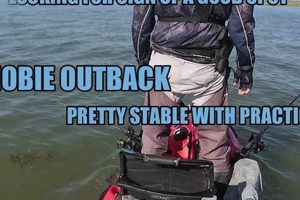
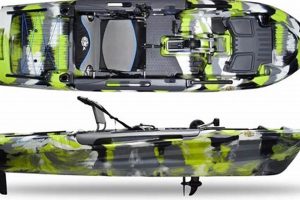
This activity involves angling from a small, human-powered watercraft in the coastal waters near Orange Beach, Alabama. It offers a unique blend of outdoor recreation, combining the tranquility of paddling with the excitement of pursuing various fish species. Anglers can access shallow-water areas often unreachable by larger boats, leading to diverse catches. This method provides an intimate connection with the natural environment and offers a sustainable way to enjoy the region’s abundant marine life.
The shallow-water access provided by this approach allows anglers to target species such as redfish, speckled trout, flounder, and other inshore favorites. The calm, protected waters of the back bays and estuaries around Orange Beach offer ideal conditions for this activity, making it accessible to anglers of various skill levels. Historically, small boats have been used for fishing in these areas, and the modern adaptation with specialized kayaks continues this tradition while incorporating advancements in fishing gear and techniques. The relatively low cost of entry compared to motorized boating makes it a popular choice for both residents and visitors.
This overview provides a foundation for exploring key aspects of this popular activity. Topics for further investigation include selecting appropriate equipment, understanding local fishing regulations, identifying productive fishing spots, and practicing safe paddling techniques in coastal waters.
Tips for Kayak Fishing in Orange Beach, Alabama
Successful angling from a kayak in Orange Beach requires preparation and awareness. The following tips offer guidance for a productive and enjoyable experience.
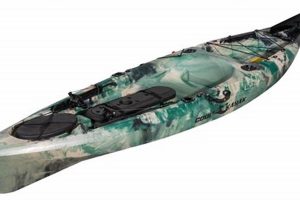
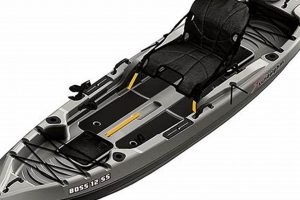
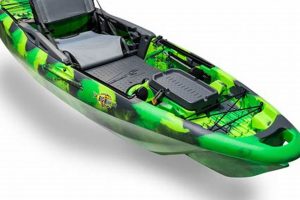
Tip 1: Choose the Right Kayak: Selecting a kayak suited to the local conditions and fishing style is crucial. Sit-on-top kayaks offer stability and ease of re-entry, while pedal-driven kayaks allow hands-free fishing. Consider storage capacity for gear and equipment.
Tip 2: Understand Local Regulations: Familiarize oneself with Alabama fishing license requirements and size/catch limits for targeted species. Consult the Alabama Department of Conservation and Natural Resources for current regulations.
Tip 3: Prioritize Safety: Wear a personal flotation device (PFD) at all times. Carry a whistle, signaling device, and communication device. Check weather forecasts before embarking and be aware of changing conditions.
Tip 4: Plan Your Trip: Research potential fishing locations, including back bays, estuaries, and nearshore reefs. Consider tides, currents, and wind patterns when selecting a launch point and route.
Tip 5: Pack Essential Gear: Carry appropriate fishing tackle, including rods, reels, lures, and bait. A first-aid kit, sunscreen, hat, and polarized sunglasses are also essential. A dry bag protects valuable items from water damage.
Tip 6: Practice Kayak Control: Develop paddling skills and maneuverability before venturing into open water. Practice casting and retrieving from a seated position. Learn how to anchor or stake out in shallow water.
Tip 7: Respect the Environment: Practice catch-and-release whenever possible. Dispose of fishing line and other waste properly. Avoid disturbing wildlife and sensitive habitats.
Implementing these tips contributes to a safer and more rewarding experience on the water. Thorough preparation and mindful practices enhance the overall enjoyment of kayak fishing in Orange Beach.
By understanding these key elements, anglers can maximize their chances of success and contribute to the preservation of this unique coastal ecosystem. Further exploration of specific techniques and local resources can deepen one’s understanding and appreciation of this rewarding activity.
1. Stable Kayak Platform

A stable kayak platform is fundamental to successful kayak fishing in Orange Beach, Alabama. It directly impacts angler safety, fishing effectiveness, and overall enjoyment. A stable platform allows for comfortable casting, accurate lure presentation, and secure fish fighting. This stability is crucial in the varying conditions encountered in the Orange Beach area, from calm back bays to nearshore Gulf waters.
- Balance and Stability
Maintaining balance and stability is paramount. A stable kayak allows anglers to stand, if desired, facilitating sight fishing and providing leverage when battling larger fish. This stability is influenced by kayak design, width, and hull shape. Wider kayaks generally offer greater initial stability, while longer, narrower kayaks offer better tracking and speed. The choice depends on individual preference and fishing style.
- Impact of Water Conditions
Conditions in Orange Beach can vary from calm, protected waters to choppy nearshore areas. Kayak stability is particularly crucial in challenging conditions. Wind, waves, and currents can destabilize a kayak, making casting and fish fighting difficult. A stable platform minimizes these challenges, allowing anglers to focus on fishing.
- Equipment and Gear Storage
A stable platform allows for secure storage and easy access to fishing gear. Rod holders, tackle boxes, and other equipment can be strategically placed for efficient retrieval. This organization contributes to a smooth and productive fishing experience, minimizing disruptions caused by shifting gear or reaching for items.
- Angler Comfort and Confidence
A stable and comfortable platform promotes angler confidence and reduces fatigue. A comfortable seating position and ample space contribute to a positive experience, especially during longer fishing trips. Increased confidence allows anglers to focus on technique and strategy, enhancing overall success.
The stability of the kayak platform significantly impacts the overall kayak fishing experience in Orange Beach. A stable platform enhances safety, improves fishing effectiveness, and increases angler comfort. Careful consideration of kayak design and its interaction with local conditions is essential for optimizing performance and enjoyment on the water.
2. Appropriate Fishing Gear

Appropriate fishing gear plays a crucial role in the success and enjoyment of kayak fishing in Orange Beach, Alabama. The targeted species, fishing techniques employed, and the specific conditions of the area influence equipment choices. Gear selection impacts casting accuracy, lure presentation, hook-setting power, and the ability to successfully land fish. An improperly equipped angler may experience reduced catch rates, increased fish loss, and potential safety issues.
The diverse fish species inhabiting the waters around Orange Beach require specific tackle considerations. For inshore species like redfish and speckled trout, medium-light to medium-heavy spinning or baitcasting rods paired with appropriately sized reels spooled with braided line are commonly used. Lighter tackle offers sensitivity for detecting bites and allows for effective presentation of artificial lures or live bait. When targeting larger species like king mackerel or cobia in nearshore waters, heavier tackle with higher line capacity becomes necessary to handle their strength and size. Leaders and terminal tackle choices should also be tailored to the target species and fishing environment. Fluorocarbon leaders offer abrasion resistance and low visibility in clear water, while wire leaders are necessary when targeting fish with sharp teeth.
Kayak fishing presents unique challenges and opportunities that influence gear choices. Shorter rods, typically between 6 and 7 feet in length, are often preferred for kayak fishing due to the confined space. These shorter rods provide better maneuverability and reduce the risk of entanglement. A well-organized tackle system is essential in a kayak to maximize efficiency and minimize clutter. Selecting a tackle box or bag designed for kayak use, with secure compartments and easy access, keeps essential gear readily available. Additionally, tools like landing nets with telescoping handles and lip grips designed for kayak fishing aid in safely and efficiently landing fish from the kayak. Understanding the relationship between gear selection and the specific environment enhances the overall experience and promotes responsible angling practices in Orange Beach.
3. Safety Equipment (PFDs)

Personal Flotation Devices (PFDs), commonly known as life jackets, are essential safety equipment for kayak fishing in Orange Beach, Alabama. The coastal environment presents inherent risks, including changing weather conditions, vessel traffic, and the potential for capsizing. PFDs mitigate these risks by providing buoyancy and increasing the chances of survival in the event of an accident. Proper PFD selection and consistent use are paramount for angler safety.
- PFD Types and Selection
Various PFD types exist, each designed for specific activities and water conditions. For kayak fishing, Type III PFDs are generally recommended. These vests offer comfort and flexibility for paddling and casting while providing adequate flotation. Inflatable PFDs are also an option, offering increased comfort and mobility but require regular maintenance and inspection. Selecting a PFD with appropriate fit and US Coast Guard approval ensures effectiveness.
- Legal Requirements and Regulations
Alabama state law mandates that all vessels, including kayaks, carry one approved PFD per person on board. Children under eight years of age are required to wear a PFD at all times while on a vessel. Adhering to these regulations ensures compliance with legal requirements and contributes to a safe boating environment.
- Environmental Factors and PFD Use
The specific environmental conditions of Orange Beach necessitate consistent PFD use. Changeable weather patterns, strong currents, and nearshore wave action increase the risk of capsizing. Wearing a PFD provides essential flotation in these situations, increasing survival time and aiding in rescue efforts. Even in calm conditions, unexpected events can occur, underscoring the importance of consistent PFD use.
- Additional Safety Equipment and Practices
While a PFD is the primary safety device, additional equipment and practices enhance overall safety. A whistle, signaling device, and waterproof communication device are crucial for signaling for help in an emergency. Checking weather forecasts before embarking and informing someone of the planned fishing route further contributes to safe kayak fishing practices.
PFDs play a vital role in ensuring angler safety during kayak fishing excursions in Orange Beach. Understanding PFD types, legal requirements, and the influence of environmental factors emphasizes the importance of consistent PFD use. Combining appropriate PFD selection with other safety practices and equipment contributes to a safe and enjoyable experience on the water.
4. Local Fishing Regulations

Local fishing regulations are integral to the sustainability and enjoyment of kayak fishing in Orange Beach, Alabama. These regulations, established by the Alabama Department of Conservation and Natural Resources (ADCNR), govern aspects such as licensing requirements, catch limits, size restrictions, and permitted fishing methods. Adherence to these regulations ensures the long-term health of fish populations, protects sensitive ecosystems, and promotes responsible angling practices.
Regulations impact several facets of the kayak fishing experience. License requirements mandate that anglers possess valid fishing licenses before embarking on any fishing activity. Different license types exist, catering to residents, non-residents, and specific durations. Catch limits dictate the number of each species an angler can retain per day. These limits help prevent overfishing and maintain healthy populations. Size restrictions specify the minimum and maximum sizes of fish that can be kept, allowing juvenile fish to mature and contribute to breeding populations. Regulations also address permitted fishing methods, such as allowable gear types and bait restrictions, to minimize environmental impact and promote fair angling practices. For example, specific areas may prohibit the use of gill nets or certain types of fishing gear to protect specific habitats or species. Similarly, bait restrictions may exist to prevent the introduction of invasive species.
Understanding and complying with local fishing regulations are essential for ethical and sustainable kayak fishing in Orange Beach. These regulations contribute directly to the preservation of the local ecosystem and ensure future generations can enjoy the sport. Resources like the ADCNR website and local bait and tackle shops provide up-to-date information on current regulations and licensing requirements. Responsible anglers prioritize adherence to these regulations, contributing to the overall health and sustainability of the Orange Beach fishery. Ignorance of regulations is not an excuse for non-compliance, and penalties for violations can include fines and license revocation.
5. Tidal Flow Awareness

Tidal flow awareness is crucial for successful kayak fishing in Orange Beach, Alabama. Tides significantly influence fish behavior, feeding patterns, and location. Understanding tidal cycles, currents, and their effects on the local ecosystem enhances angling success and contributes to safer navigation.
Tidal currents transport baitfish and other prey, concentrating predator species in specific areas. During incoming tides, fish often move into shallower flats and marshes to feed. Outgoing tides can concentrate fish in channels and deeper holes as they retreat with the receding water. Recognizing these patterns allows anglers to position themselves strategically for optimal catch rates. For instance, fishing near inlets and passes during a strong outgoing tide can present excellent opportunities to intercept redfish and speckled trout as they move back into deeper water. Conversely, targeting shallow grass flats during a rising tide can be productive for species like flounder and sheepshead.
Beyond fishing success, tidal flow awareness contributes to kayak handling and safety. Strong currents can significantly impact kayak maneuverability, particularly in narrow channels or near inlets. Paddling against a strong tide can be challenging and tiring, while drifting with the current may lead to unintended destinations. Planning kayak routes based on tidal predictions helps conserve energy and ensures safe passage. Moreover, awareness of tidal changes affects access to certain fishing areas. Shallow flats may become inaccessible during low tide, while areas navigable during high tide might become hazardous during a rapid ebb. Tidal flow awareness facilitates efficient navigation and safe access to productive fishing grounds, contributing significantly to a successful and safe kayak fishing experience in Orange Beach.
6. Respectful Environmental Practices
Respectful environmental practices are essential for the long-term health and sustainability of the Orange Beach, Alabama, ecosystem, which directly impacts the quality of the kayak fishing experience. These practices encompass a range of actions aimed at minimizing human impact on the natural environment, preserving biodiversity, and ensuring the continued viability of fish populations and their supporting habitats. The shallow-water ecosystems favored by kayak anglers are particularly vulnerable to human impact, making responsible behavior paramount.
Several key practices contribute to responsible kayak fishing in Orange Beach. Proper disposal of fishing line and tackle prevents entanglement of wildlife and minimizes plastic pollution. Catch-and-release fishing, when practiced responsibly with appropriate handling techniques, minimizes stress on fish populations and allows for continued growth and reproduction. Avoiding disturbance of sensitive habitats, such as seagrass beds and oyster reefs, which serve as nurseries and foraging grounds for many species, protects vital components of the marine ecosystem. Minimizing noise pollution from excessive engine use or loud music respects the natural soundscape and reduces disturbance to wildlife. Educating oneself about local species and their ecological roles promotes informed decision-making and responsible interactions with the environment. For example, understanding the importance of seagrass beds as habitat for juvenile fish encourages anglers to avoid anchoring or paddling directly through these areas.
The cumulative impact of individual actions significantly affects the overall health of the Orange Beach ecosystem. Respectful environmental practices contribute to the long-term viability of the fishery, ensuring future generations can enjoy the sport of kayak fishing. These practices demonstrate a commitment to conservation and stewardship, fostering a sustainable relationship between human recreation and the natural world. Challenges such as increasing coastal development and pollution necessitate continued vigilance and proactive engagement in conservation efforts. Supporting local organizations dedicated to coastal preservation and participating in cleanup initiatives further strengthens the commitment to responsible environmental stewardship.
7. Weather Condition Monitoring

Weather condition monitoring is paramount for safe and successful kayak fishing in Orange Beach, Alabama. The coastal environment is dynamic, with weather patterns changing rapidly. Ignoring forecasts and neglecting real-time observations can expose anglers to hazardous conditions, jeopardizing safety and negatively impacting the fishing experience. Careful monitoring allows for informed decision-making regarding trip planning, launch locations, and on-the-water adjustments.
- Wind Speed and Direction
Wind significantly impacts kayak handling and navigation. Strong winds create challenging paddling conditions, especially for less experienced kayakers. Offshore winds can quickly push kayaks far from shore, while onshore winds can create choppy conditions near the beach. Monitoring wind forecasts and observing real-time wind conditions are crucial for selecting appropriate launch sites and planning safe routes. Adjustments to fishing locations may be necessary based on changing wind patterns.
- Precipitation and Visibility
Rain and fog reduce visibility, making navigation hazardous. Lightning associated with thunderstorms poses a significant threat to anglers on the water. Monitoring forecasts for precipitation and visibility helps determine trip viability. Carrying waterproof gear and having a plan for seeking shelter in case of unexpected storms are essential safety precautions.
- Temperature and Water Conditions
Air and water temperatures influence both angler comfort and fish behavior. Extreme heat or cold can create uncomfortable and potentially dangerous conditions for anglers. Water temperature affects fish activity levels and feeding patterns. Monitoring temperature forecasts allows for appropriate clothing choices and informs fishing strategies.
- Wave Height and Current
Wave height and current strength affect kayak stability and navigation. Larger waves and strong currents present challenges, particularly in nearshore areas. Monitoring marine forecasts for wave height and current predictions helps determine safe paddling zones and avoid hazardous conditions. Adjustments to fishing locations based on real-time wave and current observations are essential for ensuring a safe and productive trip.
Integrating weather condition monitoring into pre-trip planning and on-the-water decision-making is essential for a safe and rewarding kayak fishing experience in Orange Beach. Careful attention to wind, precipitation, temperature, wave height, and currents allows anglers to adapt to changing conditions, maximize fishing opportunities, and prioritize safety on the water. Neglecting weather information can lead to hazardous situations, while informed monitoring contributes significantly to a positive and safe experience.
Frequently Asked Questions about Kayak Fishing in Orange Beach, AL
This FAQ section addresses common inquiries regarding kayak fishing in Orange Beach, Alabama, providing concise and informative responses to assist anglers in planning and executing successful fishing trips.
Question 1: What are the most common fish species targeted by kayak anglers in Orange Beach?
Common targets include redfish, speckled trout, flounder, sheepshead, and various inshore species. Nearshore waters may yield king mackerel, Spanish mackerel, and cobia.
Question 2: What type of kayak is best suited for fishing in Orange Beach?
Sit-on-top kayaks are generally preferred for their stability and ease of use. Pedal-driven kayaks offer hands-free fishing, while specialized fishing kayaks provide enhanced features like rod holders and storage.
Question 3: Are fishing licenses required for kayak fishing in Orange Beach, and where can they be obtained?
Valid Alabama fishing licenses are required. Licenses can be purchased online through the Alabama Department of Conservation and Natural Resources website or at local bait and tackle shops.
Question 4: What safety precautions should kayak anglers take in Orange Beach?
Wearing a personal flotation device (PFD), carrying a whistle and signaling device, checking weather forecasts, and informing someone of fishing plans are essential safety measures.
Question 5: What are the best times to fish from a kayak in Orange Beach?
Tidal flow significantly influences fish behavior. Incoming and outgoing tides often present optimal fishing opportunities, particularly around inlets, passes, and shallow flats. Dawn and dusk are generally productive periods.
Question 6: What environmental considerations should kayak anglers be mindful of in Orange Beach?
Proper disposal of fishing line, catch-and-release practices, avoidance of sensitive habitats like seagrass beds, and minimizing noise pollution contribute to environmental preservation.
Understanding these key aspects contributes to a more informed and rewarding kayak fishing experience in Orange Beach. Responsible angling practices, coupled with adequate preparation, enhance both angler safety and the sustainability of the local fishery.
This FAQ section serves as a starting point. Further research and consultation with local resources are encouraged to acquire a comprehensive understanding of the specifics of kayak fishing in Orange Beach.
Kayak Fishing Orange Beach AL
This exploration of kayak fishing in Orange Beach, Alabama, has highlighted key elements contributing to a successful and sustainable experience. From equipment selection and safety considerations to environmental awareness and regulatory compliance, each aspect plays a crucial role. Understanding tidal influences, weather patterns, and appropriate fishing techniques maximizes angling opportunities while promoting responsible interaction with the coastal ecosystem. The emphasis on stability, appropriate gear, and safety underscores the importance of preparedness and informed decision-making.
Kayak fishing offers a unique way to experience the natural beauty and abundant marine life of Orange Beach. Continued emphasis on responsible angling practices, including adherence to regulations and respect for the environment, ensures the preservation of this valuable resource for future generations. Further exploration of specific techniques, local resources, and ongoing conservation efforts can deepen understanding and enhance the overall experience of this rewarding pursuit.