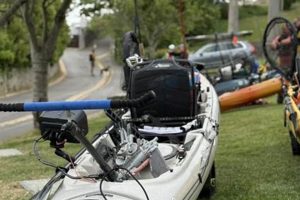
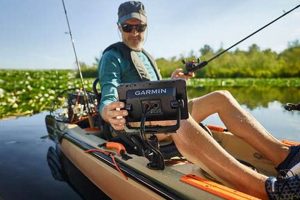
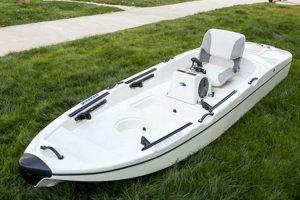
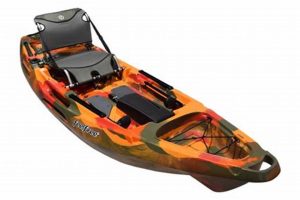
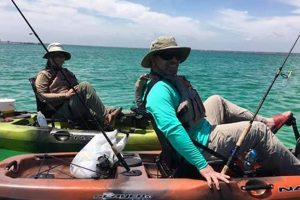
The pinnacle of competitive angling from human-powered watercraft, this global tournament brings together the most skilled kayak anglers to compete for the title of world champion. Participants navigate diverse aquatic environments, strategically targeting specific fish species within established rules and regulations. Competitions typically involve catch, photograph, and release practices, emphasizing conservation and ethical sporting conduct. Scores are often determined based on the length and quantity of fish caught within designated timeframes.
This prestigious event plays a vital role in promoting the sport of kayak fishing internationally. It showcases the athleticism, skill, and strategic thinking required at the highest level of competition. The championship serves as a platform for innovation in kayak fishing techniques and technologies, driving advancements in equipment and angling strategies. Furthermore, it fosters a sense of community among participants and enthusiasts, highlighting the importance of conservation and responsible fishing practices worldwide.
The following sections will delve deeper into the specific aspects of this exciting competition, exploring topics such as qualifying procedures, tournament formats, historical highlights, and the growing global impact of competitive kayak angling.
Tips for Competitive Kayak Angling
Success in high-level kayak fishing tournaments requires meticulous preparation and strategic execution. The following tips offer valuable insights for anglers seeking to elevate their competitive performance.
Tip 1: Master Boat Control: Precise maneuvering is essential for efficient angling. Practice paddling techniques, including forward and reverse strokes, turning, and maintaining position in various water conditions. Consider using specialized kayak propulsion systems for optimal control.
Tip 2: Refine Fish-Finding Skills: Understanding fish behavior and habitat preferences is crucial. Utilize electronic fish finders, map contours, and observe natural indicators like baitfish activity to locate target species effectively.
Tip 3: Optimize Tackle Selection: Choose appropriate rods, reels, lines, and lures based on the target species and fishing environment. Ensure equipment is well-maintained and organized for quick access during competition.
Tip 4: Develop Effective Casting Techniques: Accuracy and distance in casting are vital for presenting lures to fish effectively. Practice casting techniques specific to kayak fishing, considering the limited space and stability of the platform.
Tip 5: Prioritize Safety Procedures: Always wear a personal flotation device and carry essential safety equipment. Be aware of weather conditions, navigation hazards, and other potential risks associated with on-the-water activities.
Tip 6: Practice Catch and Release Techniques: Handle fish with care to minimize stress and ensure their survival after release. Utilize appropriate tools and techniques for quick and efficient hook removal.
Tip 7: Develop a Pre-Tournament Strategy: Research the competition location, target species, and prevailing conditions. Formulate a plan for navigating the area, selecting fishing spots, and adapting to changing circumstances.
By focusing on these key areas, anglers can significantly improve their chances of success in competitive kayak fishing events. Consistent practice and attention to detail are essential for developing the skills and expertise required to compete at the highest levels.
The insights provided in this section equip anglers with the knowledge and strategies to excel in challenging tournament environments. The concluding remarks will summarize the key takeaways and reiterate the importance of responsible angling practices.
1. Global Competition

The “kayak fishing world championship” embodies the essence of global competition, bringing together diverse anglers from various nations to compete on a single, unified platform. This international representation elevates the championship beyond a mere sporting event, transforming it into a showcase of global angling prowess and cultural exchange. Understanding the facets of this global competition is crucial for appreciating the championship’s significance and impact.
- Diverse Geographic Representation:
The championship attracts participants from across the globe, representing a wide range of angling traditions, techniques, and experiences. This diversity enriches the competitive landscape, exposing anglers to different approaches and fostering a global community. For example, competitors from inland freshwater systems might compete alongside those specializing in coastal saltwater environments, leading to a dynamic exchange of knowledge and strategies. This diverse representation underscores the global reach and appeal of kayak fishing.
- Standardized Rules and Regulations:
To ensure fair competition on an international level, standardized rules and regulations are implemented. These rules govern aspects like permitted fishing methods, target species, equipment restrictions, and scoring criteria. For instance, catch-and-release practices, size limits, and prohibited fishing zones are typically standardized to maintain consistency and ethical conduct across all participating nations. This standardization ensures a level playing field and promotes the integrity of the competition.
- Cultural Exchange and Sportsmanship:
Beyond the competition itself, the championship fosters cultural exchange and promotes sportsmanship among participants. Anglers from different countries interact, share their experiences, and learn from one another, building camaraderie and understanding. The emphasis on ethical angling practices and respect for the environment further reinforces the importance of sportsmanship within the global angling community. This exchange transcends national boundaries, promoting a shared passion for kayak fishing.
- Impact on Local Economies and Tourism:
Hosting the championship can significantly impact local economies and tourism. The influx of competitors, support staff, and spectators generates revenue for local businesses and promotes the host region as a premier angling destination. This positive economic impact can be seen in increased hotel bookings, restaurant patronage, and sales of fishing-related goods and services. The championship serves as a catalyst for economic growth and highlights the potential of sport fishing tourism.
These facets of global competition collectively contribute to the unique character and significance of the kayak fishing world championship. By fostering international participation, standardizing competition, promoting cultural exchange, and stimulating local economies, the championship solidifies its position as a premier event within the global angling community, furthering the sport’s growth and development on an international scale.
2. Skill and Strategy

Success in the Kayak Fishing World Championship hinges on a delicate balance of honed skills and meticulously crafted strategies. While physical prowess and technical expertise are essential, strategic thinking differentiates top competitors. This section explores the crucial interplay of skill and strategy within this demanding competitive environment.
- Boat Control and Maneuvering:
Precise boat control is paramount. Anglers must skillfully navigate their kayaks in diverse water conditions, often facing strong currents, wind, and waves. Strategic positioning allows for optimal casting angles and efficient coverage of target areas. For example, understanding how to use currents to one’s advantage or holding position near structure requires both skillful paddling and strategic thinking.
- Fish-Finding Expertise:
Locating fish efficiently is a critical skill. Strategic use of electronic fish finders, interpretation of bathymetric maps, and observation of environmental cues, like baitfish activity, are essential. Strategic decisions regarding where and when to fish, based on factors like water temperature, time of day, and prevailing weather conditions, significantly impact success. Skillful interpretation of data combined with strategic planning maximizes fishing opportunities.
- Tackle Management and Lure Selection:
Efficient tackle management and strategic lure selection are crucial. Competitors must quickly adapt to changing conditions, selecting appropriate lures, lines, and rigging based on the target species and environment. Skillful knot tying, lure presentation, and retrieval techniques, combined with strategic lure choices, entice fish and increase hook-up ratios.
- Adaptability and Decision-Making:
Tournament conditions are dynamic. Anglers must adapt to changing weather patterns, fish behavior, and competitive pressures. Strategic decision-making under pressure is paramount. For instance, deciding when to change locations, adjust fishing techniques, or switch target species requires skillful assessment of the situation and strategic foresight. Adaptability and strategic decision-making differentiate successful competitors.
These intertwined elements of skill and strategy highlight the complexity of competitive kayak fishing. Mastery of these facets is essential for success at the world championship level. The ability to combine technical expertise with strategic thinking distinguishes the champions from the contenders, ultimately determining who claims the coveted title.
3. Kayak Angling

Kayak angling forms the foundational core of the Kayak Fishing World Championship. The championship serves as the pinnacle platform for demonstrating the specialized skills and techniques inherent to this rapidly growing angling discipline. Understanding the nuances of kayak angling is crucial for comprehending the complexities and challenges faced by competitors at the world championship level. The relationship between the sport and the championship is symbiotic; the sport provides the framework, while the championship elevates its global profile and drives innovation.
Kayak angling presents unique challenges and opportunities compared to traditional boat-based fishing. Maneuvering within the confines of a kayak demands precise boat control, impacting casting techniques and fish-fighting strategies. The stealth and accessibility offered by kayaks allow anglers to reach shallow waters and navigate intricate environments often inaccessible to larger vessels. These characteristics influence tournament dynamics, requiring competitors to adapt their skills and strategies accordingly. For instance, sight fishing in shallow, clear water from a kayak demands stealth and precise casting accuracy skills honed through dedicated practice within this specific angling discipline. The championship tests these refined skills under pressure, showcasing the highest level of kayak angling proficiency.
The championship, in turn, influences the evolution of kayak angling. The pursuit of competitive excellence drives innovation in kayak design, propulsion systems, fish-finding technologies, and angling techniques. Strategies employed by successful competitors often become widely adopted within the broader kayak angling community. This continuous feedback loop between competitive pressure and technological advancement shapes the future of the sport. Challenges faced and overcome during the championship lead to refined techniques and improved equipment, ultimately enhancing the experience for all kayak anglers, regardless of competitive aspirations. The championship serves as a crucible for innovation, pushing the boundaries of what is possible within kayak angling.
4. Top Competitors
The Kayak Fishing World Championship attracts the most elite anglers in the sport, each possessing a unique blend of skills, experience, and strategic acumen. These top competitors represent the pinnacle of kayak angling proficiency, pushing the boundaries of the sport and inspiring aspiring anglers worldwide. Understanding the attributes that distinguish these elite competitors provides insight into the demands and complexities of competing at the world championship level.
- Extensive Tournament Experience
Top competitors typically have a proven track record of success in high-level kayak fishing tournaments. Years of competitive experience hone their skills in diverse fishing environments, under varying conditions, and against formidable opponents. This experience builds confidence, enhances decision-making under pressure, and fosters adaptability crucial attributes for success on the world championship stage. For instance, consistent participation in national and regional tournaments prepares anglers for the intensity and challenges of international competition.
- Mastery of Kayak Angling Techniques
Elite competitors possess an exceptional command of kayak angling techniques. Their skills extend beyond basic paddling and casting to encompass advanced boat control, precise lure presentation, and effective fish-fighting strategies from a kayak platform. They often specialize in specific techniques, such as vertical jigging, topwater presentations, or long-distance casting, tailored to their preferred target species and fishing environments. This specialized expertise allows them to maximize their catch potential in diverse competitive scenarios.
- Strategic Thinking and Adaptability
Strategic thinking is a hallmark of top competitors. They meticulously analyze pre-tournament information, formulate detailed fishing plans, and adapt their strategies based on real-time conditions and competitive pressures. This ability to adjust quickly to changing circumstances, such as shifts in weather patterns or fish behavior, often distinguishes the winners from the rest. For example, a competitor might abandon a pre-determined fishing spot based on observations of other anglers’ success or adjust lure selection based on changes in water clarity.
- Mental Fortitude and Resilience
Competitive kayak fishing demands mental toughness and resilience. Top competitors maintain focus and composure under pressure, bouncing back from setbacks and persevering through challenging conditions. Long tournament days, unpredictable weather, and the inherent uncertainties of fishing require mental fortitude. The ability to remain positive and focused, even when faced with adversity, is a key characteristic of championship-caliber anglers. This resilience allows them to maintain peak performance throughout the demanding competition.
These combined attributes define the elite competitors who grace the Kayak Fishing World Championship. Their dedication, skill, and strategic thinking elevate the sport, inspiring aspiring anglers and showcasing the pinnacle of competitive kayak fishing. The championship serves not only as a test of these attributes but also as a catalyst for further development and innovation within the sport.
5. Prestigious Title

The “Prestigious Title” associated with the Kayak Fishing World Championship represents more than just a label; it signifies the culmination of dedication, skill, and competitive excellence within the sport. This title carries significant weight, impacting not only the individual winner but also the broader kayak angling community and the sport’s global recognition. The achievement embodies the pinnacle of success in competitive kayak fishing, attracting substantial recognition and respect within the angling world. This recognition translates into enhanced career opportunities, sponsorship prospects, and influence within the industry. Earning the title often elevates an angler’s status, establishing them as a leading figure within the competitive circuit. For example, previous world champions often become sought-after spokespersons, brand ambassadors, and influential voices within the kayak angling community.
The pursuit of this prestigious title fuels the competitive spirit within kayak angling. It drives anglers to refine their techniques, invest in advanced equipment, and dedicate countless hours to practice and preparation. This continuous pursuit of excellence elevates the overall skill level within the sport, pushing boundaries and fostering innovation. The title’s prestige also attracts media attention and sponsorships, increasing the visibility of kayak angling on a global scale. This heightened exposure benefits the entire sport, attracting new participants and expanding its reach. The championship’s global platform showcases the dedication and skill required to compete at the highest level, inspiring both seasoned anglers and newcomers alike. The title itself becomes synonymous with achievement and mastery, symbolizing the pinnacle of success within the sport.
The prestige associated with the Kayak Fishing World Championship title contributes significantly to the sport’s growth and development. It motivates individual anglers to strive for excellence while simultaneously elevating the sport’s profile on a global stage. Understanding the significance of this prestigious title provides valuable insight into the dynamics and motivations driving competitive kayak angling, illustrating the powerful connection between individual achievement and the advancement of the sport as a whole. The challenges inherent in attaining this title underscore the dedication and skill required, further enhancing its prestige and value within the competitive angling landscape.
Frequently Asked Questions
This section addresses common inquiries regarding the Kayak Fishing World Championship, providing concise and informative responses.
Question 1: What are the typical qualification requirements for the Championship?
Qualification pathways vary depending on the specific rules and regulations established by the governing body. Often, anglers qualify through participation and high placement in designated regional or national tournaments. Specific criteria, such as minimum catch requirements or ranking points, may apply.
Question 2: How is the winner determined?
Winners are typically determined based on a points system accumulated throughout the tournament. Points are awarded for the length and quantity of eligible fish caught, measured, and released. Specific scoring rules and tie-breaking procedures are established prior to the competition.
Question 3: What types of fish are typically targeted during the Championship?
Target species vary depending on the host location and prevailing fishing conditions. Common targets may include bass, trout, redfish, or other species prevalent in the chosen competition waters. Specific regulations regarding eligible species are provided to competitors in advance.
Question 4: What equipment restrictions apply to competitors?
Equipment regulations are designed to ensure fair competition and adherence to ethical angling practices. Restrictions may apply to kayak types, motor usage, permitted fishing methods, and specific gear such as rods, reels, and lines. A detailed list of regulations is provided to participants prior to the competition.
Question 5: What conservation measures are implemented during the Championship?
Conservation is a paramount concern. Catch-and-release practices are strictly enforced, often utilizing specific handling techniques and equipment to minimize stress on fish and ensure their survival after release. The Championship promotes responsible angling practices and environmental stewardship.
Question 6: How can one follow the Championship and its results?
Information regarding the Championship, including schedules, results, and competitor profiles, is often disseminated through official websites, social media platforms, and dedicated angling publications. Live updates and real-time coverage may be available during the event.
Understanding these key aspects provides valuable insight into the structure and operation of the Kayak Fishing World Championship.
For further information and detailed specifics, please consult official resources and publications dedicated to the Kayak Fishing World Championship.
Conclusion
This exploration of the Kayak Fishing World Championship has highlighted its multifaceted nature, encompassing global competition, intricate skill and strategy development, the unique aspects of kayak angling, profiles of top competitors, and the significance of the prestigious title. The championship’s impact extends beyond individual achievement, influencing the evolution of kayak angling techniques, fostering a global community of anglers, and promoting conservation efforts within the sport.
The Kayak Fishing World Championship stands as a testament to the dedication, skill, and passion within the competitive kayak angling community. Its continued growth and evolution promise an exciting future for the sport, inspiring further innovation and attracting increasing global recognition. The championship serves as a powerful platform for showcasing the dynamic nature of kayak angling, highlighting its challenges and rewards while promoting its sustainable practice worldwide.