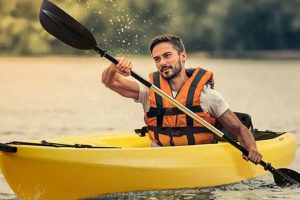
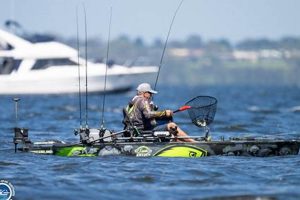
Angling from a small, human-powered vessel during the autumn season offers unique opportunities for sports enthusiasts. This activity combines the serenity of navigating waterways with the challenge and reward of catching fish in cooler temperatures.
Autumnal conditions often create an ideal environment for several fish species. Decreased water temperatures trigger increased feeding activity as many species prepare for winter. The vibrant foliage along shorelines offers picturesque surroundings and can also provide cover for various types of fish, concentrating them in accessible locations. Historically, smaller vessels were used for fishing out of necessity, demonstrating the deep-rooted connection between humans and their environment. The modern adaptation of this practice provides a low-impact approach to accessing waterways, fostering a closer connection with nature.
The following sections will delve into specific aspects of this topic, including appropriate gear, optimal fishing locations, species-specific techniques, and necessary safety precautions for autumn conditions.
Tips for Autumn Kayak Angling
Preparation and awareness are crucial for a successful and safe experience on the water during the fall. These tips provide guidance for maximizing angling opportunities while prioritizing safety in cooler conditions.
Tip 1: Dress in layers. Air and water temperatures can fluctuate significantly during autumn. Layered clothing allows anglers to adapt to changing conditions throughout the day.
Tip 2: Check and maintain equipment. Ensure all fishing gear, including rods, reels, and lines, is in optimal condition before heading out. Cold weather can exacerbate existing equipment problems.
Tip 3: Monitor weather forecasts closely. Autumn weather can be unpredictable. Stay informed about changing wind speeds, precipitation, and temperature drops, and adjust plans accordingly.
Tip 4: Prioritize safety gear. Wear a personal flotation device and carry a whistle and signaling devices. Inform someone of planned fishing locations and estimated return times.
Tip 5: Understand fish behavior in cooler water. Fish metabolism slows in colder temperatures, affecting their feeding habits and locations. Research species-specific behavior to refine angling techniques.
Tip 6: Adapt tackle and lures. Smaller lures and slower retrieval techniques often prove more effective in enticing fish with slower metabolisms.
Tip 7: Be mindful of changing water levels. Rainfall and other environmental factors can influence water levels. Exercise caution when navigating unfamiliar waterways or areas with potential obstacles.
By implementing these guidelines, anglers can enhance their experience while minimizing potential risks. Preparation, informed decision-making, and appropriate gear are key to a productive and enjoyable autumn outing.
These practical considerations lay the foundation for a successful and safe fishing experience during the fall. The subsequent section will offer insights into selecting appropriate locations.
1. Cooling Water Temperatures

Declining water temperatures are a defining characteristic of autumn and a pivotal factor influencing fish behavior and, consequently, kayak angling strategies. Understanding the effects of cooling water on aquatic ecosystems is crucial for successful autumn fishing.
- Metabolic Changes in Fish
As water temperatures decrease, fish metabolism slows. This affects their feeding patterns, making them less aggressive and more selective in their prey choices. Anglers must adapt by using smaller lures, slower retrieval techniques, and focusing on areas where fish concentrate for thermal refuge.
- Shifting Fish Location
Cooling water prompts many fish species to move from shallow summer habitats to deeper, thermally stable areas. This shift requires anglers to adjust their fishing locations, often targeting deeper sections of lakes, reservoirs, or rivers. Knowledge of underwater structures, such as drop-offs and submerged vegetation, becomes increasingly important.
- Increased Fish Activity Before Winter
While metabolism slows, many species exhibit a period of increased feeding activity in autumn as they prepare for winter. This pre-winter feeding frenzy presents excellent opportunities for anglers, particularly during warmer periods of the day. Capitalizing on these periods is key to successful autumn fishing.
- Impact on Baitfish Behavior
Cooling water also affects baitfish behavior, influencing their distribution and activity levels. Understanding how baitfish react to temperature changes is vital for locating predator fish. Baitfish often congregate in warmer areas or deeper sections, attracting larger species seeking food.
By understanding the influence of cooling water temperatures on the aquatic ecosystem, anglers can refine their techniques and strategies for a more fruitful autumn kayak fishing experience. Recognizing these interconnected factors allows for more accurate prediction of fish behavior and location, maximizing opportunities for a successful outing.
2. Active Fish Behavior

The heightened feeding activity of many fish species during autumn is a defining characteristic of fall kayak fishing. This behavior, driven by biological imperatives and environmental changes, presents unique opportunities for anglers. Cooler water temperatures trigger a physiological response in several species, prompting increased food consumption in preparation for winter. This pre-winter feeding frenzy creates a window of opportunity for anglers to target specific species known for their autumn activity. For example, species like walleye and muskellunge become more active as water temperatures drop, increasing their vulnerability to well-placed lures and baits. Understanding this behavioral shift is essential for selecting appropriate fishing techniques and maximizing catch rates.
This increased activity isn’t uniform across all species. Some fish, like trout, may become less active as temperatures drop, while others, such as crappie, congregate in deeper, warmer areas, presenting different challenges and opportunities for anglers. The practical implication of this variable activity is the need for anglers to research and understand the specific behavioral patterns of their target species in their local environment. Factors such as water clarity, forage availability, and current patterns further influence fish behavior and should be considered when planning a fall kayak fishing excursion. Adapting techniques to match these behaviors, such as using slower retrieves or targeting specific depths, is crucial for success.
Recognizing and adapting to the nuances of autumn fish behavior is paramount for successful kayak angling. This understanding, coupled with knowledge of local conditions and species-specific preferences, allows anglers to maximize their chances of a successful catch. While the challenges of fluctuating weather and changing fish behavior are inherent in fall kayak fishing, they also contribute to the unique rewards and dynamic nature of the experience. The ability to interpret environmental cues and anticipate fish behavior separates successful anglers from those simply casting a line.
3. Stable Kayak Selection

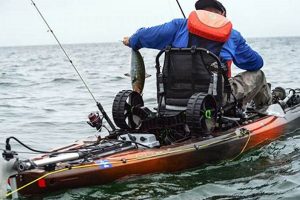
Kayak stability is paramount for fall fishing, significantly impacting safety and angling effectiveness. Cooler water temperatures necessitate careful consideration of kayak design and its influence on angler performance. A stable platform is crucial for maintaining balance while casting, retrieving, and landing fish, especially in challenging autumn conditions like wind and potential waves stirred by changing weather patterns. Wider, flatter-bottomed kayaks generally offer greater stability, reducing the risk of capsizing and providing a more secure fishing platform. For example, sit-on-top kayaks, known for their inherent stability, are a popular choice for fall fishing due to their self-bailing design, which is advantageous in rougher waters or if the kayak takes on water from waves or rain. Conversely, narrower kayaks designed for speed may be less suitable for fall fishing due to their reduced stability, potentially compromising angler safety and fishing efficacy.
Beyond basic stability, kayak features such as rod holders, gear storage, and anchor systems enhance angling efficiency. Rod holders secure fishing rods, freeing the angler’s hands for other tasks, while ample storage accommodates essential gear like tackle boxes, extra layers of clothing, and safety equipment. An anchor system is invaluable for maintaining position in windy conditions or when targeting specific structures, allowing anglers to focus on fishing rather than constantly adjusting their position. Selecting a kayak with these features contributes to a more comfortable and productive fishing experience, particularly during the fluctuating conditions of autumn. For instance, a kayak with integrated rod holders allows anglers to troll multiple lines simultaneously, increasing the likelihood of a catch, while a secure anchor system enables precise positioning near drop-offs or weed beds where fish may concentrate during colder months.
Choosing a stable and appropriately equipped kayak directly influences safety and angling success during fall excursions. While factors such as weather conditions and personal preferences play a role in kayak selection, prioritizing stability and functionality enhances angler safety and effectiveness. A well-chosen kayak provides a secure and efficient platform for navigating the challenges of fall fishing, allowing anglers to focus on the sport while minimizing risks associated with cooler water and unpredictable weather. The balance between stability and maneuverability should be considered based on individual fishing styles and the specific water bodies being fished, ensuring a safe and enjoyable experience.
4. Essential Safety Gear

Safety is paramount in fall kayak fishing, demanding careful consideration of essential gear due to the specific challenges posed by cooler water and unpredictable weather. Appropriate safety equipment significantly mitigates risks and ensures a secure and enjoyable experience. The following facets highlight crucial safety gear for fall kayak fishing.
- Personal Flotation Device (PFD)
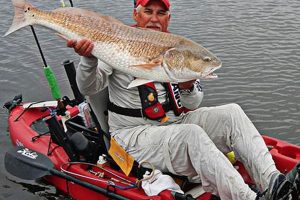
A properly fitted PFD is non-negotiable. Cold water immersion rapidly diminishes physical capacity, making self-rescue difficult. A PFD provides essential buoyancy, keeping the angler afloat and increasing survival chances in case of capsizing. Brightly colored PFDs enhance visibility, aiding in location and rescue efforts. Inflatable PFDs are less bulky but require regular maintenance and inspection to ensure proper function. Automatic inflation mechanisms are recommended for fall conditions.
- Signaling Devices
Carrying multiple signaling devices is crucial for communicating in emergencies. A whistle alerts nearby boaters or individuals on shore to potential distress. Visual signals, such as flares or a signal mirror, can attract attention over longer distances, particularly in low-visibility conditions. A waterproof, handheld VHF radio provides direct communication with the Coast Guard and other boaters, facilitating swift rescue operations. Regular checks of battery life and signal strength are essential before each outing.
- Dry Bag or Waterproof Container
Protecting essential items from water damage is crucial. A dry bag or waterproof container safeguards electronic devices (phone, GPS), first-aid supplies, and extra clothing. These containers prevent equipment malfunction and preserve the functionality of critical supplies in case of immersion or unexpected rain. Securely fastening the container within the kayak prevents loss in the event of a capsize.
- Emergency Kit
A compact, waterproof emergency kit containing essential survival items should always be on board. This kit might include a first-aid kit, knife, fire starter, headlamp or flashlight, and emergency blanket. These items can prove vital in unexpected situations, providing basic medical care, shelter, or signaling capabilities until rescue arrives. Regularly checking and replenishing the kit’s contents ensures preparedness for unforeseen circumstances.
These safety precautions are fundamental to responsible fall kayak fishing. The inherent risks of cold water and unpredictable weather necessitate a proactive approach to safety, minimizing potential hazards and ensuring a positive experience. Careful consideration and utilization of essential safety gear are non-negotiable aspects of fall kayak angling, safeguarding anglers and fostering a culture of responsible enjoyment on the water.
5. Appropriate Clothing

Effective layering is crucial for comfort and safety during fall kayak fishing excursions. Fluctuating weather conditions and the potential for cold-water immersion necessitate a strategic approach to clothing selection. Proper attire regulates body temperature, protecting against hypothermia and ensuring anglers remain comfortable and focused on the activity.
- Base Layers
Moisture-wicking base layers are essential for regulating body temperature and preventing chills. Materials like merino wool or synthetic fabrics draw perspiration away from the skin, keeping the angler dry even during periods of exertion. This is particularly important in cooler temperatures, as damp clothing can accelerate heat loss. Avoiding cotton base layers is crucial, as cotton absorbs and retains moisture, increasing the risk of hypothermia.
- Insulating Layers
Mid-layers provide insulation, trapping warm air close to the body. Fleece jackets or lightweight down vests are effective choices, offering warmth without restricting movement. The thickness of the insulating layer can be adjusted based on anticipated temperatures and weather conditions. Multiple thinner layers offer greater versatility than a single thick layer, allowing anglers to adapt to changing conditions throughout the day.
- Outer Layer
A waterproof and windproof outer shell is essential for protection against rain, spray, and wind. This outer layer shields the insulating layers from moisture and prevents wind chill, which can rapidly lower body temperature. A breathable outer shell allows excess heat and moisture to escape, preventing overheating and maintaining comfort. Durable, waterproof fabrics with sealed seams are essential for reliable protection in wet and windy conditions.
- Extremities
Protecting extremities from cold is vital for maintaining dexterity and overall comfort. Waterproof gloves or mittens preserve hand function for essential tasks like casting and handling fishing gear. Warm socks made from wool or synthetic materials provide insulation and moisture-wicking properties for the feet. A warm hat, preferably one that covers the ears, reduces heat loss from the head, a significant source of body heat loss in cold weather. Consider neoprene booties or waterproof wading boots depending on anticipated conditions.
Appropriate clothing is fundamental to a safe and enjoyable fall kayak fishing experience. A layered system allows anglers to adapt to fluctuating temperatures and environmental conditions, ensuring comfort and preventing cold-related risks. Prioritizing function and weather protection over aesthetics enhances safety and allows anglers to focus on the sport without distraction. Proper clothing choices, coupled with essential safety gear, contribute significantly to a successful and comfortable autumn outing.
Frequently Asked Questions
Addressing common inquiries regarding autumn kayak angling provides clarity and promotes informed participation in this specialized activity.
Question 1: What are the primary safety concerns for kayak fishing during the fall?
Lower water temperatures present the most significant safety concern. Cold water immersion can rapidly lead to hypothermia, significantly reducing physical capacity and increasing the risk of drowning. Unpredictable weather patterns, including sudden temperature drops, strong winds, and increased precipitation, further amplify safety risks. Reduced daylight hours also contribute to potential hazards, limiting visibility and response time in emergencies.
Question 2: How does fish behavior change during the fall, and how should angling techniques adapt accordingly?
Many fish species exhibit increased feeding activity in the fall as they prepare for winter. However, their metabolism slows with decreasing water temperatures, influencing their prey selection and movement patterns. Anglers should adapt by using smaller lures, slower retrieval methods, and focusing on areas where fish concentrate for thermal refuge or forage opportunities.
Question 3: What type of kayak is best suited for fall fishing?
Kayak stability is paramount in cooler water conditions. Wider, flatter-bottomed kayaks generally offer greater stability and are less prone to capsizing. Sit-on-top kayaks are often preferred for their self-bailing design, which is beneficial in rougher water or potential rain and wave splash. Features like rod holders, gear storage, and anchor systems enhance angling efficiency.
Question 4: What essential gear should one bring for fall kayak fishing?
Beyond standard fishing gear, essential safety equipment includes a properly fitted personal flotation device (PFD), signaling devices (whistle, flares, VHF radio), a dry bag for electronics and essential items, and a first-aid kit. Appropriate clothing for layering is crucial, including moisture-wicking base layers, insulating mid-layers, and a waterproof outer shell. Warm headwear and gloves are also essential for maintaining dexterity and preventing heat loss.
Question 5: What are the best locations to target during fall kayak fishing?
Optimal fishing locations vary based on target species and local conditions. Deeper sections of lakes and reservoirs, areas with submerged structures providing thermal refuge, and river bends or confluences where baitfish concentrate are often productive. Researching local fish behavior and consulting with experienced anglers can provide valuable insights into specific locations.
Question 6: Are there any specific regulations or licensing requirements for fall kayak fishing?
Regulations and licensing requirements vary by jurisdiction. Anglers must consult local authorities or relevant agencies for specific rules regarding fishing seasons, catch limits, and permitted fishing methods. Adhering to these regulations is essential for conservation and maintaining the sustainability of fish populations.
Prioritizing safety and adapting to the unique conditions of autumn enhances the experience and promotes responsible enjoyment of the sport.
The following section will provide detailed information on [Next Section Topic, e.g., “Choosing the Right Fishing Gear”].
Conclusion
Autumn kayak angling presents unique opportunities and challenges. Decreased water temperatures influence fish behavior, necessitating adapted techniques and a focus on safety. Proper kayak selection, essential safety gear, and appropriate clothing are crucial for a successful and safe experience. Understanding the interplay of environmental factors and fish behavior allows anglers to maximize their chances of a productive outing while mitigating risks associated with cooler water and variable weather.
Careful preparation and a respect for the dynamic aquatic environment are essential for maximizing the rewards of fall kayak fishing. Continued learning and adaptation to changing conditions contribute to a deeper appreciation of the sport and the natural world. Responsible angling practices ensure the preservation of these resources for future generations.