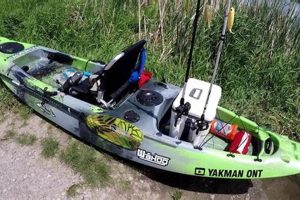
A portable 12-volt deep-cycle power source is essential for powering various electronic devices commonly used in this angling style. These devices include fish finders, GPS units, trolling motors, bilge pumps, and lighting systems. The specific power needs depend on the individual angler’s setup and the duration of their fishing trips.
Reliable onboard power enhances the angling experience in several ways. It allows for accurate navigation and fish identification, enabling anglers to locate promising fishing spots effectively. Electric trolling motors provide maneuverability and allow anglers to maintain position in challenging currents or wind conditions. Furthermore, adequate power ensures safety by enabling the operation of essential equipment like bilge pumps and lights. The development of more efficient and lightweight battery technology has significantly improved the practicality and accessibility of powering these devices on small vessels.
This overview provides a foundation for understanding the essential role of a dedicated power source in modern angling. Subsequent sections will explore specific battery types, factors influencing battery selection, maintenance practices, and safety considerations.
Tips for Effective Power Management
Proper power management is crucial for maximizing onboard electronics performance and ensuring a safe and enjoyable fishing experience. These tips offer guidance for selecting and maintaining a suitable power source.
Tip 1: Choose the Right Battery Type: Consider factors such as capacity (amp-hours), weight, and lifespan when selecting a power source. Lithium batteries offer higher energy density and lighter weight compared to traditional lead-acid batteries but come at a higher cost.
Tip 2: Size the Battery to Power Needs: Calculate the total power consumption of all devices used during a typical fishing trip to determine the required battery capacity. Overestimating capacity provides a safety margin for unexpected situations.
Tip 3: Protect the Battery from the Elements: Secure the power source in a waterproof battery box to prevent damage from water exposure and impacts. Ensure proper ventilation to prevent the buildup of explosive gases, especially with lead-acid batteries.
Tip 4: Regularly Charge and Maintain: Fully charge the battery before each fishing trip and avoid deep discharging to maximize lifespan. Periodically inspect the battery terminals for corrosion and clean them as needed.
Tip 5: Utilize a Battery Monitor: A battery monitor provides real-time information on the battery’s state of charge, allowing anglers to monitor power consumption and avoid unexpected power loss.
Tip 6: Consider a Solar Charger: Supplementing the main power source with a solar charger can extend battery life, especially during multi-day trips, providing a renewable energy option.
Tip 7: Securely Mount Electronics: Employ robust mounting solutions to protect electronics from vibration and impacts. This reduces the risk of damage and ensures reliable performance in demanding conditions.
Tip 8: Employ Power-Saving Practices: Reduce power consumption by adjusting screen brightness and disabling unnecessary features on electronic devices. This helps extend battery life, particularly on longer outings.
Implementing these practices ensures a dependable power supply for essential electronics, enhancing safety and enjoyment on the water.
By understanding and implementing these power management strategies, anglers can focus on the sport of fishing, confident in the reliability of their electronic systems.
1. Type

Battery type significantly influences a kayak fishing setup. The primary types used are lead-acid (including AGM and flooded) and lithium iron phosphate (LiFePO4). Each presents distinct advantages and disadvantages, impacting performance, cost, and safety considerations. Lead-acid batteries, particularly AGM (Absorbent Glass Mat), offer a cost-effective solution with moderate energy density. However, they are heavier than lithium alternatives and require more careful maintenance. Flooded lead-acid batteries require venting and careful handling to avoid acid spills. Lithium batteries provide higher energy density, allowing for longer runtimes with a lower weight. This translates to extended fishing trips and improved kayak maneuverability. However, the higher initial cost can be a barrier for some anglers. Choosing the right type requires careful consideration of budget, power requirements, and the physical limitations of the kayak.
For example, an angler using a small kayak with limited weight capacity might prioritize a lightweight lithium battery, even with the higher upfront cost. Conversely, an angler primarily fishing in calm waters with lower power demands could opt for a more affordable AGM lead-acid option. Selecting the appropriate type also impacts safety. Lithium batteries offer a lower risk of fire compared to lead-acid but require specialized charging equipment. Understanding the specific charging requirements of each battery type is paramount for safe and efficient charging practices. Ignoring these specificities could lead to damage, reduced lifespan, or even safety hazards.
Selecting the correct battery type is fundamental to an efficient and safe kayak fishing experience. Balancing factors like weight, runtime, cost, and safety precautions ensures the chosen battery aligns with the anglers specific needs and the demands of their fishing environment. Failing to consider these factors can lead to suboptimal performance, reduced battery lifespan, and potential safety risks. A thorough understanding of battery types empowers informed decision-making and contributes to a more enjoyable and productive time on the water.
2. Capacity (Amp-hours)
Battery capacity, measured in Amp-hours (Ah), directly determines the duration electronic devices can operate on a single charge. Understanding capacity requirements is crucial for selecting a suitable power source for kayak fishing electronics. An insufficient capacity can lead to premature power depletion, cutting fishing trips short and potentially compromising safety. Conversely, excessive capacity adds unnecessary weight and cost.
- Determining Power Needs:
Calculating total power consumption requires assessing the amperage draw of each device and the anticipated usage time. For example, a fish finder drawing 1 amp used for 5 hours consumes 5 Ah. Adding the consumption of all devices provides the total power requirement for a fishing trip. This calculation forms the basis for selecting a battery with sufficient capacity.
- Impact of Battery Type:
Different battery chemistries offer varying energy densities, affecting the capacity achievable for a given weight and size. Lithium batteries typically provide higher capacity for their weight compared to lead-acid batteries, making them attractive for kayak fishing where weight is a critical factor. However, this advantage comes at a higher price point.
- Reserve Capacity Considerations:
It’s essential to incorporate a safety margin to account for unforeseen circumstances or extended trips. A reserve capacity ensures sufficient power remains available even if usage exceeds initial estimates. This buffer provides critical backup power for essential electronics like navigation lights or bilge pumps in emergencies.
- Balancing Capacity and Weight:
Kayak weight capacity limitations necessitate a balance between sufficient power and manageable weight. A larger capacity battery provides longer runtimes but increases the overall weight of the kayak, potentially impacting stability and maneuverability. Careful consideration of these factors is crucial for optimizing performance and safety on the water.
Selecting a kayak fishing battery with appropriate capacity requires careful consideration of individual power needs, battery type characteristics, desired reserve capacity, and the kayak’s weight limitations. A balanced approach to these factors ensures adequate power for electronics, while maintaining a safe and manageable kayak setup. Ignoring capacity requirements can lead to power shortages, shortened trips, and potential safety risks, highlighting the critical role of accurate capacity assessment in optimizing the kayak fishing experience.
3. Weight
Battery weight significantly impacts kayak fishing performance and safety. Kayaks possess inherent weight limitations, influencing stability and maneuverability. A heavier battery reduces the available payload for gear and anglers, potentially exceeding safe operating limits. Furthermore, increased weight affects paddling efficiency and responsiveness, especially in challenging conditions. For instance, a heavier setup requires more effort to accelerate and maneuver, leading to increased fatigue and reduced control. Conversely, a lighter battery enhances agility and responsiveness, enabling easier navigation through tight spaces and quicker adjustments to changing currents or wind.
The relationship between battery weight and kayak performance necessitates careful consideration during battery selection. Lithium batteries, known for their higher energy density, offer a substantial weight advantage over traditional lead-acid batteries. This weight reduction allows anglers to carry more essential gear or choose a smaller, more agile kayak without compromising power needs. For example, switching from a 50 lb lead-acid battery to a 25 lb lithium battery of equivalent capacity frees up 25 lbs of payload for additional equipment or improves overall kayak handling. This weight difference translates to a noticeable improvement in paddling efficiency and maneuverability, particularly in demanding environments like strong currents or windy conditions.
Optimizing battery weight is essential for a safe and efficient kayak fishing experience. Careful evaluation of power requirements alongside weight considerations allows anglers to select a battery that meets their needs without compromising stability or performance. Prioritizing lightweight battery options, particularly in smaller kayaks or situations requiring enhanced maneuverability, contributes significantly to overall enjoyment and safety on the water. Neglecting the impact of battery weight can lead to reduced performance, instability, and potentially hazardous situations, underscoring the importance of this factor in kayak fishing preparation.
4. Lifespan

Battery lifespan represents a critical factor influencing the long-term cost and practicality of kayak fishing power solutions. Lifespan, often measured in charge cycles, dictates how many times a battery can be charged and discharged before its performance degrades significantly. Several factors influence battery lifespan, including battery chemistry, depth of discharge, charging practices, and ambient temperature. For example, deep-cycle lead-acid batteries typically offer a shorter lifespan of 300-500 cycles compared to lithium iron phosphate (LiFePO4) batteries, which can endure 2000-5000 cycles or more. This difference significantly impacts long-term costs, as replacing batteries more frequently adds to the overall expense of kayak fishing. Proper charging practices and avoiding extreme temperatures can help maximize lifespan, regardless of battery chemistry.
Understanding the factors influencing lifespan enables informed decisions about battery selection and management. Opting for a longer-lasting battery like LiFePO4, despite a higher initial investment, often proves more cost-effective over time due to reduced replacement frequency. Furthermore, adopting practices that promote battery longevity, such as avoiding deep discharges and utilizing appropriate charging profiles, contributes to a more sustainable and economical approach to kayak fishing. Real-world scenarios, such as regularly draining a lead-acid battery completely, can drastically shorten its lifespan, leading to premature replacement and increased costs. Conversely, consistently charging a LiFePO4 battery to 80% rather than 100% can significantly extend its usable life.
Effective lifespan management minimizes the environmental impact associated with battery disposal and reduces the long-term financial burden of battery replacement. Recognizing the interconnectedness of battery chemistry, usage patterns, and lifespan empowers informed decision-making, contributing to a more sustainable and cost-effective approach to powering kayak fishing adventures. Choosing appropriate battery types and implementing sound maintenance practices ensure reliable power for years to come, maximizing the enjoyment and minimizing the environmental footprint of this popular angling method. Careful consideration of lifespan contributes to both financial savings and environmental responsibility within the kayak fishing community.
5. Maintenance

Proper maintenance is essential for maximizing the lifespan and ensuring the safe operation of kayak fishing batteries. Neglecting maintenance can lead to reduced performance, premature failure, and potential safety hazards. Regular upkeep minimizes these risks and ensures reliable power for electronics during fishing trips. This involves understanding specific maintenance procedures for different battery types and adhering to best practices for charging, storage, and general care.
- Terminal Cleaning
Corrosion on battery terminals impedes current flow, reducing performance and potentially causing connection failures. Regularly cleaning terminals with a wire brush and applying a protective coating prevents corrosion buildup. For example, neglecting terminal cleaning on a lead-acid battery can lead to significant power loss, impacting fish finder operation or trolling motor functionality. Diligent cleaning ensures optimal electrical conductivity and prolongs battery life.
- Charging Practices
Appropriate charging practices are crucial for battery health and longevity. Using the correct charger type and following manufacturer recommendations ensures optimal charging without damaging the battery. Overcharging or undercharging can significantly reduce lifespan and, in some cases, create safety hazards. For instance, using an automotive charger on a lithium iron phosphate battery can cause irreversible damage. Adhering to proper charging procedures maximizes battery lifespan and ensures safe operation.
- Storage Procedures
Proper storage during periods of inactivity preserves battery health and prevents premature degradation. Storing batteries in a cool, dry environment and ensuring they are adequately charged prevents damage and maintains performance. For example, storing a discharged lead-acid battery for extended periods can lead to sulfation, significantly reducing its capacity. Correct storage procedures protect the battery and ensure reliable power when needed.
- Regular Inspection
Periodic inspection of the battery for signs of damage, leaks, or swelling is essential for identifying potential issues before they escalate. Addressing problems promptly prevents further damage and mitigates safety risks. For example, ignoring a swollen lithium battery could lead to a hazardous situation. Regular checks ensure early detection of potential issues and facilitate timely corrective actions, enhancing safety and prolonging battery life.
Consistent maintenance practices contribute significantly to the overall reliability and longevity of kayak fishing batteries. By adhering to these procedures, anglers can maximize battery performance, minimize safety risks, and ensure consistent power for their electronics during fishing excursions. Neglecting these crucial maintenance steps compromises battery health, potentially leading to equipment failure, shortened trips, and even hazardous situations. A proactive approach to battery maintenance ultimately enhances the safety and enjoyment of kayak fishing.
6. Safety

Battery safety is paramount in kayak fishing, as the confined environment and proximity to water amplify potential hazards. Neglecting safety precautions can lead to equipment damage, personal injury, or even catastrophic events. Understanding and mitigating these risks is crucial for a safe and enjoyable fishing experience. Proper handling, installation, and maintenance of batteries are essential to prevent accidents and ensure angler well-being.
- Ventilation
Certain battery types, particularly flooded lead-acid batteries, release hydrogen gas during charging, creating an explosion risk in poorly ventilated spaces. Adequate ventilation prevents gas buildup, mitigating this risk. Confined kayak compartments necessitate careful battery placement and potentially dedicated ventilation systems to ensure safe gas dispersal. Ignoring ventilation requirements can lead to a dangerous accumulation of flammable gas, potentially resulting in an explosion or fire. Proper ventilation is fundamental to safe battery operation in kayaks.
- Waterproofing
Water exposure poses a significant threat to battery performance and safety. Submerging batteries can cause short circuits, damage internal components, and even lead to battery fires. Waterproof battery boxes and sealed connections protect against water ingress, preserving battery function and preventing electrical hazards. For example, an improperly sealed battery compartment could allow water entry during a kayak capsize, creating a risk of short circuits and potential fire. Thorough waterproofing is essential for safe and reliable battery operation in a kayak fishing environment.
- Secure Mounting
Securing the battery firmly within the kayak prevents shifting during movement, reducing the risk of damage and potential electrical hazards. A loose battery can impact kayak stability and potentially damage surrounding equipment or injure the angler. Robust mounting systems, designed to withstand impacts and vibrations, ensure the battery remains securely in place, even in rough conditions. For example, an unsecured battery could become a projectile during a sudden impact, potentially damaging the kayak hull or causing injury. Secure mounting is crucial for maintaining both battery integrity and angler safety.
- Proper Handling and Charging
Correct handling procedures and appropriate charging equipment are crucial for preventing battery damage and ensuring safe operation. Using incompatible chargers or mishandling batteries can lead to overheating, fire, or chemical leaks. Adhering to manufacturer guidelines for charging, transport, and storage minimizes these risks. For example, attempting to charge a lithium battery with a lead-acid charger can result in overheating and fire. Appropriate handling and charging practices are fundamental to safe battery operation in kayak fishing.
Prioritizing these safety aspects is essential for responsible kayak fishing. A safe battery setup ensures not only the protection of equipment but, more importantly, the well-being of the angler. Integrating these safety measures into kayak fishing practices contributes to a more secure and enjoyable experience on the water, allowing anglers to focus on fishing with peace of mind.
Frequently Asked Questions
This section addresses common inquiries regarding power sources for kayak fishing, providing concise and informative responses to facilitate informed decision-making.
Question 1: What type of battery is best suited for kayak fishing?
The optimal type depends on individual needs and priorities. Lithium batteries offer superior energy density and lighter weight, making them ideal for longer trips and weight-sensitive kayaks. Lead-acid batteries, particularly AGM (Absorbent Glass Mat), provide a more budget-friendly option but are heavier and have shorter lifespans.
Question 2: How is the required battery capacity determined?
Capacity requirements are determined by calculating the total power consumption of all connected devices over the duration of a typical fishing trip. Overestimating capacity provides a reserve for unexpected situations and extends battery lifespan.
Question 3: What safety precautions are essential when using batteries in a kayak?
Essential safety measures include proper ventilation, particularly for lead-acid batteries, waterproofing to prevent short circuits, secure mounting to avoid shifting during movement, and utilizing appropriate charging equipment and handling procedures.
Question 4: How does one maximize the lifespan of a kayak fishing battery?
Lifespan can be maximized by avoiding deep discharges, utilizing appropriate charging profiles, storing the battery properly in a cool, dry location, and regularly cleaning the terminals to prevent corrosion.
Question 5: What are the advantages of using a solar charger with a kayak fishing battery?
Solar chargers provide a renewable energy source to supplement the main battery, extending runtime, especially during multi-day trips. This reduces reliance on shore power and promotes environmentally conscious angling practices.
Question 6: How does one choose between a deep-cycle marine battery and a starting battery for kayak fishing?
Deep-cycle marine batteries are specifically designed for sustained power delivery over extended periods, making them ideal for powering kayak fishing electronics. Starting batteries, designed for short bursts of high current, are unsuitable for this application.
Addressing these frequently asked questions aims to provide a comprehensive understanding of essential battery considerations for kayak fishing. Careful consideration of these factors contributes to a safer, more efficient, and ultimately, more enjoyable experience on the water.
The following section will explore specific product recommendations based on various kayak fishing needs and budgets.
Kayak Fishing Battery
Effective power management is crucial for a successful and safe kayak fishing experience. Battery selection requires careful consideration of various factors, including type, capacity, weight, lifespan, maintenance requirements, and safety implications. Understanding these interconnected elements allows anglers to choose the most suitable power source for their specific needs and fishing style. Balancing performance requirements with safety considerations ensures reliable operation of essential electronics, contributing to a more productive and enjoyable time on the water. Informed decision-making regarding power solutions empowers anglers to maximize their time on the water, focusing on the sport of fishing rather than power-related concerns. Proper battery maintenance extends lifespan and mitigates potential hazards, ensuring reliable performance and angler safety.
The insights provided within this exploration aim to empower informed choices regarding kayak fishing power solutions. Careful consideration of these factors contributes to a safer, more efficient, and ultimately, more rewarding kayak fishing experience. Continued exploration of advancements in battery technology promises further enhancements to this evolving aspect of the sport. Anglers are encouraged to prioritize safety and responsible battery management practices for the benefit of both individual enjoyment and the preservation of the aquatic environment.