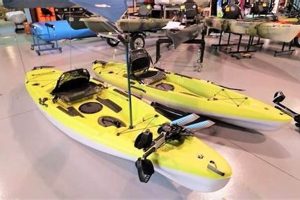
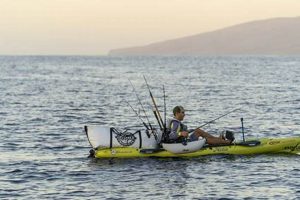
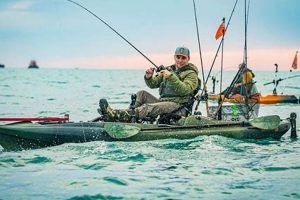
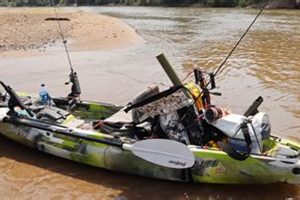
The pursuit of finned quarry from small, human-powered vessels within the waterways surrounding New York City’s largest borough offers a unique blend of outdoor recreation and urban experience. Anglers can target a variety of species, from striped bass and bluefish in the deeper waters of the bay to fluke and porgies closer to shore.
This activity provides an accessible and environmentally friendly way to engage with the natural world amidst a bustling metropolis. It offers not only the thrill of the catch, but also the opportunity to observe the city’s iconic skyline from a fresh perspective, fostering a deeper appreciation for the interplay between urban development and the natural environment. Historically, fishing has been an integral part of the city’s cultural fabric, and the increasing popularity of this specific approach reflects a modern adaptation of that tradition.
Further exploration of this topic will cover relevant regulations, recommended equipment, suitable locations, and responsible angling practices. It will also delve into the ecological considerations and the importance of preserving the health of the local waterways for future generations.
Tips for Kayak Fishing in Brooklyn
Successful kayak angling in Brooklyn requires careful planning and preparation. The following tips offer guidance for a safe and productive experience.
Tip 1: Check tide charts and weather forecasts. Understanding tidal currents and wind conditions is crucial for safe navigation and optimal fishing. Strong winds or swift currents can create hazardous situations, especially for less experienced paddlers.
Tip 2: Obtain necessary permits and licenses. Ensure compliance with all applicable fishing regulations and licensing requirements before venturing out onto the water. Regulations vary depending on targeted species and fishing locations.
Tip 3: Utilize appropriate safety equipment. A personal flotation device (PFD) is essential and should be worn at all times. A whistle, signaling device, and first-aid kit are also recommended safety precautions.
Tip 4: Choose suitable launch locations. Select launch sites with easy access and consider factors like parking availability, water conditions, and proximity to target fishing areas.
Tip 5: Employ effective fishing techniques. Research productive fishing methods and lure choices for the targeted species. Local bait and tackle shops can provide valuable insights.
Tip 6: Practice responsible anchoring and drifting. Avoid anchoring in heavily trafficked areas or near sensitive habitats. When drifting, maintain awareness of surrounding vessels and potential hazards.
Tip 7: Respect the environment. Properly dispose of all fishing line and tackle. Adhere to catch and release guidelines when appropriate to conserve fish populations.
Adherence to these guidelines will contribute to a safer, more enjoyable, and environmentally responsible fishing experience. Planning and preparation are key to maximizing success on the water.
By incorporating these practices, anglers can contribute to the long-term health of the local waterways and ensure the sustainability of this unique urban fishing experience.
1. Location Scouting

Effective location scouting is paramount for successful kayak fishing in Brooklyn. The diverse waterways surrounding the borough offer a range of habitats, each supporting different species and requiring specific angling approaches. A well-chosen location significantly influences catch potential and overall fishing experience. Factors such as water depth, current flow, structure presence (e.g., piers, rocks, drop-offs), and proximity to baitfish concentrations should be considered. For example, targeting striped bass near the Verrazano Narrows Bridge requires an understanding of strong tidal currents and preferred ambush points, while seeking fluke in Jamaica Bay necessitates knowledge of shallower flats and channels.
Utilizing resources like nautical charts, online fishing forums, and local tackle shops can provide valuable insights into productive fishing spots. Observing bird activity and baitfish movements can also indicate promising areas. Furthermore, considering logistical factors such as launch site accessibility, parking availability, and potential boat traffic contributes to a smoother and more efficient outing. The interplay between these factors underscores the importance of thorough location scouting as a foundational element of successful kayak angling in this complex urban environment.
In summary, strategic location scouting is not merely a preliminary step but an integral component of maximizing angling success in Brooklyn’s waters. It demands careful consideration of ecological factors, logistical constraints, and target species behavior. This proactive approach enables anglers to optimize their time on the water, increasing their chances of a rewarding and productive fishing experience while minimizing potential challenges posed by the dynamic urban environment.
2. Tackle Selection

Tackle selection significantly influences success in Brooklyn kayak fishing. The diverse target species, ranging from striped bass and bluefish in deeper waters to fluke and porgies in shallower areas, necessitate specific rod, reel, line, and lure choices. Matching tackle to the target species and fishing environment is crucial for optimal performance and maximizing catch rates. For example, targeting striped bass near the Verrazano Narrows Bridge requires heavier tackle capable of handling strong currents and larger fish, while pursuing fluke in Jamaica Bay calls for lighter gear better suited to finesse presentations in shallower water.
Rod length and action play important roles in kayak fishing. Shorter rods offer better maneuverability within the confines of a kayak, while longer rods provide greater casting distance and leverage. Rod action, ranging from fast to slow, determines how much the rod bends during casting and fighting a fish. Fast action rods are generally preferred for lures, while slower action rods are better suited for bait fishing. Reel selection depends on line capacity and drag system capabilities. Spinning reels are commonly used for their ease of use and versatility, while baitcasting reels offer greater control and accuracy for experienced anglers. Line choice depends on target species and fishing conditions, with braided line offering greater sensitivity and strength, while monofilament and fluorocarbon lines provide better abrasion resistance and invisibility in the water.
Effective tackle selection hinges on a thorough understanding of target species behavior, fishing location characteristics, and individual angler preferences. This understanding informs strategic decisions regarding rod length and action, reel type and capacity, line strength and material, and lure selection. A well-considered tackle setup enhances casting accuracy, improves hook-set efficiency, and increases the likelihood of landing a fish. Ultimately, meticulous tackle selection contributes significantly to a productive and rewarding kayak fishing experience in the dynamic waters surrounding Brooklyn.
3. Safety Precautions
Safeguarding against potential hazards is paramount in Brooklyn kayak fishing. The urban waterway environment presents unique challenges, demanding heightened vigilance and preparedness. Prioritizing safety ensures not only a positive angling experience but also mitigates risks inherent in navigating a dynamic and often congested aquatic landscape.
- Personal Flotation Devices (PFDs)
Wearing a properly fitted PFD is non-negotiable. This essential safety equipment provides buoyancy in the event of capsizing or accidental immersion, significantly increasing chances of survival. Selecting a PFD designed for paddling offers optimal comfort and mobility while maximizing safety benefits.
- Navigation and Communication
Carrying a waterproof chart, compass, or GPS device aids navigation, particularly in areas with limited visibility or complex waterways. A charged mobile phone in a waterproof case enables communication in emergencies. Familiarizing oneself with local maritime regulations and understanding channel markers is crucial for safe navigation and avoiding collisions.
- Weather Awareness
Checking weather forecasts before embarking on a kayak fishing trip is essential. Sudden changes in wind speed, precipitation, or temperature can create hazardous conditions on the water. Postponing trips during inclement weather or when conditions are predicted to deteriorate is prudent. Awareness of prevailing wind patterns and potential fog formation further enhances safety.
- Emergency Preparedness
Carrying a basic first-aid kit, signaling devices (whistle, flares), and a knife allows for immediate response to minor injuries or unforeseen emergencies. Informing someone of intended fishing locations and estimated return time provides an additional layer of security. Practicing self-rescue techniques, such as re-entering a kayak after capsizing, further enhances preparedness.
These precautions, while crucial for any kayaking activity, are particularly relevant in the context of Brooklyn kayak fishing. The dynamic urban environment, characterized by fluctuating water conditions, commercial vessel traffic, and proximity to shore-based activities, necessitates a proactive and comprehensive approach to safety. Adhering to these safety guidelines ensures a responsible and enjoyable fishing experience while mitigating potential risks within this unique urban waterway setting.
4. Tidal Awareness

Tidal awareness is critical for successful and safe kayak fishing in Brooklyn. The borough’s waterways are significantly influenced by the tides, impacting currents, water depth, and fish behavior. Understanding tidal cycles and their effects allows anglers to optimize fishing strategies, navigate safely, and enhance their overall experience. For example, fishing near the Verrazano Narrows Bridge requires careful consideration of strong tidal currents, which can exceed several knots during peak flows. Attempting to paddle against such currents can be strenuous and potentially dangerous, while utilizing the tidal flow to one’s advantage can significantly improve fishing efficiency and access to prime fishing locations. Similarly, understanding tidal fluctuations in Jamaica Bay is crucial for navigating shallow flats and channels, preventing grounding, and accessing areas where fish congregate during specific tidal stages.
Tidal influence extends beyond navigation and accessibility. Fish behavior is often closely tied to tidal patterns. Predatory species like striped bass and bluefish often utilize strong currents to ambush prey, positioning themselves near structure or drop-offs where baitfish are concentrated by tidal flows. Understanding these patterns enables anglers to target specific areas at optimal times, increasing the likelihood of successful catches. Furthermore, tidal changes influence water clarity and temperature, which can affect fish activity levels and feeding patterns. Anglers who factor these tidal influences into their strategies are more likely to experience consistent success. Consulting tide charts, readily available online or through mobile applications, provides crucial information for planning fishing trips and making informed decisions on the water. Real-time observation of water movement and current direction further enhances situational awareness and allows for dynamic adjustments to fishing techniques.
In conclusion, tidal awareness is not merely a recommended practice but a fundamental requirement for safe and productive kayak fishing in Brooklyn. The complex interplay between tides, currents, water depth, and fish behavior necessitates a thorough understanding of tidal cycles and their effects. By integrating tidal knowledge into fishing strategies, anglers can enhance their chances of success, navigate safely through dynamic waterways, and fully appreciate the unique angling experience offered by Brooklyn’s urban maritime environment. Neglecting tidal awareness, conversely, can lead to inefficient fishing, navigational challenges, and potentially hazardous situations. Therefore, prioritizing tidal knowledge empowers anglers to make informed decisions, optimize their time on the water, and enjoy a rewarding fishing experience while minimizing potential risks.
5. Species Knowledge
Comprehensive species knowledge significantly enhances angling success in the context of Brooklyn kayak fishing. Understanding the behavior, habitat preferences, and feeding patterns of target species enables anglers to make informed decisions regarding location selection, tackle choices, and fishing techniques. This knowledge base encompasses not only the commonly sought-after species like striped bass, bluefish, fluke, and porgies, but also an awareness of the local ecosystem and the interconnectedness of various species. For instance, recognizing that striped bass often prey on menhaden allows anglers to target areas where these baitfish congregate, increasing the likelihood of encountering their predatory quarry. Similarly, understanding that fluke prefer sandy or muddy bottoms informs location choices and dictates the use of specific tackle and retrieval techniques suited to these environments.
Practical application of species knowledge extends beyond simply identifying target species. It involves understanding their seasonal movements, spawning behaviors, and feeding patterns throughout the tidal cycle. For example, striped bass migrate through the waters surrounding Brooklyn during specific times of the year, influencing their availability to anglers. Knowledge of their migratory patterns allows anglers to anticipate their presence and adjust fishing strategies accordingly. Similarly, understanding the spawning behaviors of various species informs ethical fishing practices, encouraging catch and release during vulnerable periods to ensure healthy fish populations. Furthermore, recognizing how tidal flows influence fish behavior and feeding patterns allows anglers to optimize their fishing locations and techniques based on tidal stage. This comprehensive understanding translates directly to increased catch rates and a more rewarding fishing experience.
In summary, species knowledge is not merely a supplementary aspect of Brooklyn kayak fishing, but a foundational element of success. It empowers anglers to make informed decisions, optimize fishing strategies, and contribute to the long-term health of the local fish populations. This knowledge base, combined with practical experience and an understanding of the local environment, elevates kayak fishing from a recreational pursuit to a nuanced interaction with the complex and dynamic ecosystem that thrives within Brooklyn’s urban waterways.
6. Kayak Stability

Kayak stability is a crucial factor in Brooklyn kayak fishing, directly impacting safety and angling effectiveness. The dynamic environment of the borough’s waterways, characterized by boat wakes, currents, and potentially challenging weather conditions, necessitates a stable platform for casting, reeling, and landing fish. A stable kayak allows anglers to focus on fishing rather than constantly correcting balance, enhancing both safety and enjoyment. For example, when battling a strong fish like a striped bass in the currents near the Verrazano Narrows Bridge, a stable kayak provides the necessary leverage and control, minimizing the risk of capsizing and maximizing the chances of landing the fish. Conversely, an unstable kayak in such conditions could easily lead to angler imbalance, line tangling, and ultimately, loss of the fish and potential risk to the angler.
Various factors influence kayak stability, including hull design, width, length, and weight capacity. Wider kayaks generally offer greater initial stability, making them suitable for beginners or those fishing in calmer waters. Longer, narrower kayaks, while less stable initially, provide better tracking and speed, advantageous for covering larger distances or fishing in open water. Understanding these design characteristics allows anglers to select a kayak appropriate for their skill level and intended fishing locations within Brooklyn’s diverse waterways. Furthermore, proper weight distribution within the kayak is essential for maintaining optimal stability. Distributing gear evenly and keeping the center of gravity low enhances balance and reduces the likelihood of tipping. Consideration should also be given to the added weight of a potential catch and its impact on stability, particularly when handling larger fish.
In summary, kayak stability is an integral component of successful and safe Brooklyn kayak fishing. Selecting a kayak with appropriate stability characteristics for the intended fishing environment, understanding the factors influencing stability, and practicing proper weight distribution are essential for maximizing both angling effectiveness and personal safety. This understanding enables anglers to confidently navigate the dynamic urban waterways, focus on their fishing techniques, and fully enjoy the unique angling experience offered by Brooklyn’s diverse aquatic landscape. Neglecting stability considerations can compromise safety, hinder fishing performance, and detract from the overall enjoyment of this demanding yet rewarding pursuit.
7. Regulation Adherence
Adherence to fishing regulations is essential for the sustainability of aquatic resources and the ethical practice of kayak fishing within Brooklyn’s waterways. Regulations exist to protect fish populations, maintain ecosystem balance, and ensure equitable access to resources for all anglers. Compliance with these regulations contributes not only to the long-term health of the local environment but also fosters a responsible and respectful angling community. Ignoring regulations undermines conservation efforts, potentially leading to detrimental consequences for fish stocks and the overall health of the aquatic ecosystem.
- Licensing Requirements
Possessing a valid fishing license is a fundamental requirement for angling in Brooklyn’s waters. Licenses are issued by relevant governing bodies and generate revenue that supports conservation programs, fish stocking initiatives, and habitat restoration projects. Different license types may exist depending on residency status, age, and targeted species. Failure to obtain a valid license can result in fines and potential suspension of fishing privileges.
- Size and Catch Limits
Size and catch limits are implemented to protect vulnerable fish populations and ensure sustainable harvesting. These regulations specify the minimum size of fish that can be legally kept and the maximum number of fish an angler can retain per day or trip. Adhering to these limits prevents overfishing and allows fish populations to replenish naturally. Ignoring size and catch limits can deplete fish stocks, disrupt ecosystem balance, and negatively impact future fishing opportunities.
- Seasonal Closures and Restricted Areas
Seasonal closures protect specific fish species during vulnerable periods, such as spawning seasons or migrations. Restricted areas, such as designated spawning grounds or sensitive habitats, are off-limits to fishing to safeguard critical ecosystems and preserve biodiversity. Respecting these closures and restrictions is essential for maintaining healthy fish populations and ensuring the long-term sustainability of the local aquatic environment.
- Gear Restrictions
Regulations may dictate permissible fishing gear and methods to minimize environmental impact and ensure fair angling practices. For example, restrictions on certain types of nets or fishing lines may be in place to prevent bycatch or entanglement of non-target species. Adhering to gear restrictions promotes responsible fishing practices and contributes to the overall health and balance of the aquatic ecosystem.
In the specific context of Brooklyn kayak fishing, adherence to these regulations takes on added significance due to the dynamic and often heavily utilized nature of the urban waterways. Responsible angling practices demonstrate respect for the shared resource, fostering a positive image of the kayak fishing community and contributing to the long-term sustainability of this unique urban angling experience. Disregarding regulations not only jeopardizes the health of the local ecosystem but also undermines the future of kayak fishing in Brooklyn.
Frequently Asked Questions
This section addresses common inquiries regarding kayak fishing in Brooklyn, providing concise and informative responses to facilitate a safe and productive angling experience.
Question 1: What are the licensing requirements for kayak fishing in Brooklyn?
A valid New York State fishing license is required for anyone 16 years of age or older. Specific regulations and license types can be found on the New York State Department of Environmental Conservation website.
Question 2: Where are suitable kayak launch locations in Brooklyn?
Suitable launch locations vary depending on desired fishing areas. Popular options include the piers and parks along the Brooklyn waterfront, such as Brooklyn Bridge Park and Valentino Pier. Always check for local regulations regarding launch access and parking.
Question 3: What species can be targeted while kayak fishing in Brooklyn?
Commonly targeted species include striped bass, bluefish, fluke, porgies, and blackfish. Specific locations and techniques will vary depending on the target species. Researching preferred habitats and seasonal patterns improves success rates.
Question 4: What safety precautions are essential for kayak fishing in Brooklyn?
Wearing a personal flotation device (PFD) is paramount. Checking weather forecasts, informing someone of fishing plans, carrying a whistle and signaling device, and understanding navigational markers are crucial safety measures.
Question 5: What tackle is recommended for kayak fishing in Brooklyn?
Recommended tackle varies depending on the target species. A medium-light to medium-heavy spinning rod and reel combo, paired with appropriate line and lures or bait, is generally suitable for most common species. Local tackle shops can provide tailored advice.
Question 6: How do tides and currents affect kayak fishing in Brooklyn?
Tides and currents significantly influence fishing conditions and fish behavior. Consulting tide charts and understanding local current patterns are essential for safe navigation and effective fishing. Strong currents may require specialized techniques and heavier tackle.
Understanding these key aspects of kayak fishing in Brooklyn contributes to a safe, enjoyable, and productive experience. Further research and preparation are encouraged to maximize angling success and minimize potential risks within this unique urban waterway environment.
For further detailed information, explore the comprehensive resources available online and through local angling communities.
Brooklyn Kayak Fishing
Exploration of this urban angling pursuit reveals a complex interplay of factors influencing success and safety. Strategic location scouting, informed tackle selection, rigorous adherence to safety protocols, and a deep understanding of tidal influences and species-specific behaviors are crucial for a rewarding experience. Kayak stability considerations and unwavering compliance with regulations further contribute to responsible and sustainable angling practices within this dynamic environment.
The convergence of urban landscape and aquatic ecosystem presents unique opportunities and challenges. Thoughtful preparation and a commitment to responsible angling practices ensure the preservation of this distinctive pursuit for future generations. Continued exploration of these interconnected elements fosters a deeper appreciation for the delicate balance between recreational activity and environmental stewardship within Brooklyn’s vibrant waterways.