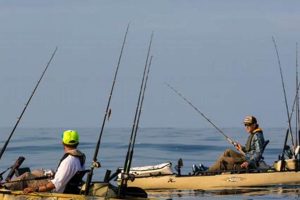
Competitive angling from human-powered vessels has gained significant popularity in the Volunteer State. These events typically involve participants competing to catch the largest or most fish within a specific timeframe and set of rules, often focusing on particular species like bass. A weigh-in process determines the winners based on established criteria. Such competitions can range from small, local gatherings to large, regional circuits.
These competitions offer numerous advantages, fostering camaraderie among anglers, promoting conservation awareness, and boosting local economies through tourism and related spending. The growth of this specific type of competition mirrors broader trends in outdoor recreation, reflecting a growing appreciation for self-propelled watercraft and the accessibility they provide. This activity connects individuals with nature while offering a challenging and rewarding competitive experience.
This article will further explore the specifics of competitive kayak angling in Tennessee, covering topics such as prominent tournament circuits, popular fishing locations, necessary equipment and regulations, and strategies for successful participation.
Tips for Competitive Kayak Angling in Tennessee
Success in tournament kayak fishing requires preparation, strategic thinking, and an understanding of both the sport and the targeted waters. These tips offer guidance for improved performance and a more rewarding competitive experience in Tennessee.
Tip 1: Pre-Fishing Scouting: Thorough research and on-the-water practice in potential tournament locations are essential. This allows anglers to identify productive areas, optimal fishing depths, and prevailing fish behavior patterns.
Tip 2: Equipment Optimization: A well-equipped kayak configured for efficient fishing is crucial. This includes selecting appropriate rods, reels, lures, and electronics like fish finders and GPS units. Comfort and stability considerations also play a significant role in equipment choices.
Tip 3: Tackle Management: Efficient organization of tackle and gear within the kayak is paramount. Quick access to necessary items minimizes wasted time and maximizes fishing opportunities during the limited tournament timeframe.
Tip 4: Weather Awareness: Monitoring weather forecasts and adjusting strategies based on prevailing conditions, such as wind, temperature, and precipitation, is crucial for safety and optimal fishing.
Tip 5: Conservation Practices: Adhering to all regulations and practicing ethical catch-and-release techniques are vital for preserving fish populations and ensuring the long-term health of Tennessee’s waterways.
Tip 6: Tournament Rules Familiarity: Thorough understanding of specific tournament rules, including boundaries, permitted fishing methods, and size/creel limits, is essential for competitive compliance.
Tip 7: Safety First: Prioritizing safety by wearing a personal flotation device, carrying communication devices, and informing others of fishing plans is non-negotiable for a safe and responsible tournament experience.
By implementing these strategies, anglers can enhance their competitive edge, increase their chances of success, and contribute to a positive and sustainable tournament environment.
These tips provide a foundation for successful kayak tournament fishing in Tennessee. Further research and practical application will refine these skills and contribute to greater enjoyment of the sport.
1. Competition

The competitive element inherent in organized kayak fishing tournaments significantly shapes the landscape of the sport in Tennessee. Competition drives anglers to refine techniques, invest in specialized equipment, and dedicate time to scouting locations. This pursuit of excellence elevates the overall skill level within the community and fosters innovation in fishing strategies. The pressure of competition can also lead to heightened awareness of conservation practices and ethical angling, as participants understand the importance of preserving fish populations for future competitions. For example, the Tennessee Kayak Bass Fishing (TKBF) Trail hosts events across the state, drawing numerous anglers vying for prizes and recognition. These events showcase the competitive spirit and contribute to the growing popularity of the sport.
Furthermore, competition provides a structured environment for anglers to test their abilities against others in a standardized format. Tournament rules and regulations ensure fairness and create a level playing field. This framework encourages participation and allows individuals to gauge their progress and skill development over time. The competitive format also generates excitement and camaraderie within the angling community, forging connections and friendships among participants. Local businesses often benefit from the influx of anglers during tournaments, highlighting the positive economic impact of competitive kayak fishing in Tennessee.
In summary, competition serves as a catalyst for growth and development within the kayak fishing community in Tennessee. It fosters skill enhancement, promotes conservation awareness, and generates economic benefits. Understanding the influence of competition is essential for comprehending the dynamics and trajectory of this evolving sport. The challenges inherent in competitive fishing, such as weather conditions and angler skill disparities, contribute to the overall complexity and reward of tournament participation. This competitive landscape continues to evolve, shaping the future of kayak fishing in Tennessee.
2. Kayak Angling

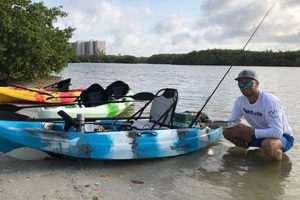
Kayak angling forms the foundation of kayak fishing tournaments in Tennessee. The unique characteristics of fishing from a kayakstealth, maneuverability, and access to shallow or otherwise inaccessible watersdirectly influence tournament dynamics. Competitors leverage these advantages to target specific species, explore diverse habitats, and employ specialized techniques often impractical in larger, motorized boats. This specialized approach distinguishes kayak fishing tournaments from traditional boat-based competitions. For instance, the ability to navigate tight creeks and shallow coves provides kayak anglers an advantage in targeting bass in heavily vegetated areas, a common scenario in Tennessee waters. The physical demands of paddling and fishing further contribute to the challenge and reward of competitive kayak angling.
The growing popularity of kayak angling as a recreational activity directly fuels the expansion of tournament circuits. Increased participation creates demand for organized competitions, providing opportunities for anglers to test skills and camaraderie. This symbiotic relationship between recreational angling and competitive tournaments fosters a vibrant community around the sport. Local kayak fishing clubs and online forums often serve as hubs for organizing tournaments, sharing information, and promoting best practices. The accessibility and relatively low cost of entry into kayak angling contribute to its widespread appeal and, consequently, the growth of competitive events. This accessibility broadens the reach of the sport, attracting diverse demographics and contributing to the overall economic impact.
Understanding the nuances of kayak angling as a distinct fishing discipline is essential for comprehending the intricacies of tournament competition. Factors like kayak stability, paddling efficiency, and specialized fishing techniques play crucial roles in tournament success. Challenges specific to kayak fishing, such as weather vulnerability and limited storage capacity, further shape competitive strategies. Recognizing these factors provides valuable insight into the skills and preparation required for competitive kayak angling. The continued growth and evolution of kayak angling as a recreational pursuit will undoubtedly further shape the landscape of kayak fishing tournaments in Tennessee, driving innovation in equipment, techniques, and tournament formats.
3. Tennessee Locations

The diverse landscape of Tennessee plays a crucial role in shaping the character of kayak fishing tournaments held within the state. The variety of lakes, rivers, and reservoirs offer unique challenges and opportunities for anglers, influencing tournament formats, target species, and angler strategies. Understanding the specific characteristics of these locations is essential for successful tournament participation.
- Lakes:
Large lakes like Chickamauga, Kentucky Lake, and Percy Priest offer vast expanses of open water, often requiring anglers to cover considerable distances during tournaments. These environments favor anglers proficient in using electronics, interpreting bottom contours, and locating offshore structure. The size and depth of these lakes also influence weather patterns, impacting fishing conditions and requiring strategic adjustments during competition.
- Rivers:
The Tennessee River system, including tributaries like the Clinch and Holston Rivers, presents unique challenges for kayak anglers. Current, depth fluctuations, and varying water clarity influence fish behavior and dictate lure choices. Navigating river systems requires specialized paddling skills and an understanding of river dynamics, including reading currents and identifying productive eddies or slack water areas.
- Reservoirs:
Smaller reservoirs, such as Watts Bar and Norris Lake, offer a blend of riverine and lake characteristics. These impoundments often feature submerged timber, rocky points, and creek channels, creating diverse habitats for various fish species. Tournament strategies in reservoirs may involve targeting specific structural features or focusing on areas where current and still water converge. Accessibility and proximity to urban centers often make reservoirs popular tournament venues.
- Accessibility and Regulations:
Public access points, boat ramp availability, and specific regulations governing fishing in different locations significantly impact tournament logistics and angler strategies. Pre-tournament scouting to identify suitable launch sites and familiarize oneself with local regulations, including size and creel limits, is crucial for efficient tournament preparation. These factors can significantly influence angler success and overall tournament experience.
The distinct characteristics of Tennessee’s diverse waterways directly influence the strategies, challenges, and rewards of kayak fishing tournaments. From the vast expanses of major lakes to the intricate currents of river systems, these locations shape the competitive landscape and contribute to the unique appeal of kayak fishing tournaments in Tennessee. Consideration of these location-specific factors, combined with effective preparation and skillful angling, enhances the chances of tournament success and enriches the overall competitive experience.
4. Regulations and Permits
Regulations and permits play a crucial role in ensuring the sustainability and legality of kayak fishing tournaments in Tennessee. Adherence to these established rules is essential for maintaining healthy fish populations, protecting the environment, and promoting fair competition. Regulations established by the Tennessee Wildlife Resources Agency (TWRA) govern aspects such as fishing seasons, size and creel limits for various species, permitted fishing methods, and the use of live bait. Ignoring these regulations can result in penalties, disqualification from tournaments, and damage to the aquatic ecosystems. For example, specific regulations apply to bass fishing tournaments, often dictating minimum size limits and the number of fish allowed to be kept or weighed in. Tournament organizers must ensure compliance with these regulations to maintain the integrity of the competition and contribute to responsible resource management.
Obtaining the necessary permits is a prerequisite for participating in kayak fishing tournaments in Tennessee. A valid Tennessee fishing license is mandatory for all anglers, and specific permits may be required depending on the location and type of fishing. For instance, fishing in certain wildlife management areas or designated trout streams may necessitate additional permits. Tournament organizers often provide guidance on required permits and ensure participants understand licensing requirements. Failure to obtain the correct permits can lead to fines and exclusion from tournament activities. These licensing fees also contribute to conservation efforts, supporting the TWRA’s work in managing fish populations and protecting aquatic habitats.
Understanding and complying with regulations and permit requirements are integral aspects of responsible tournament participation. This adherence contributes to the long-term health of Tennessee’s fisheries, promotes ethical angling practices, and ensures fair competition. Tournament organizers and participants share a responsibility to uphold these standards, contributing to the sustainability of the sport and the preservation of aquatic resources. Regularly reviewing TWRA regulations and seeking clarification when necessary are proactive steps towards ensuring compliance and promoting responsible kayak fishing tournament practices in Tennessee.
5. Target Species (Bass)
Bass species, particularly largemouth and smallmouth bass, hold significant prominence in Tennessee kayak fishing tournaments. Their popularity stems from several factors, including their sporting qualities, widespread distribution throughout the state’s waterways, and established regulations that promote sustainable angling practices. Focusing on bass as target species provides a framework for understanding tournament dynamics, angler strategies, and the overall significance of these fish within the competitive angling landscape of Tennessee.
- Largemouth Bass:
Largemouth bass (Micropterus salmoides) represent a primary target species in many Tennessee kayak fishing tournaments. Their preference for shallow, vegetated areas aligns well with the maneuverability advantages offered by kayaks. Anglers often employ techniques such as flipping, pitching, and frog fishing to target largemouth bass in these habitats. The pursuit of largemouth bass often dictates equipment choices, including rod and reel combinations, line types, and lure selections. The relatively large size potential of largemouth bass contributes to their appeal in tournament settings, as anglers compete to catch the heaviest fish.
- Smallmouth Bass:
Smallmouth bass (Micropterus dolomieu) represent another key target species, particularly in Tennessee’s river systems and clearer lakes. Their preference for rocky bottoms, current breaks, and deeper water often requires anglers to employ different strategies compared to targeting largemouth bass. Techniques such as drop-shotting, Ned rigging, and jerkbait fishing are common approaches for smallmouth bass. Their aggressive fighting abilities and tendency to inhabit challenging environments add to the appeal of targeting smallmouth bass in kayak fishing tournaments.
- Tournament Regulations:
Specific regulations governing bass fishing during tournaments, such as size limits, creel limits, and permitted fishing methods, influence angler strategies and tournament outcomes. For example, slot limits, which protect bass within a specific size range, encourage catch-and-release practices and contribute to the sustainability of the fishery. Understanding these regulations is crucial for tournament compliance and responsible angling. Knowledge of these rules also shapes pre-fishing scouting efforts, as anglers seek to identify areas holding legal-sized fish.
- Economic Impact:
The focus on bass within kayak fishing tournaments has broader economic implications. The popularity of bass fishing attracts anglers from across the region, generating revenue for local businesses related to lodging, dining, and fishing supplies. Tournament organizers often partner with local sponsors, further boosting economic activity. The sustained interest in bass fishing contributes to the continued growth and development of the kayak fishing tournament industry in Tennessee.
The prominence of bass as target species in Tennessee kayak fishing tournaments shapes various aspects of the sport, from angler strategies and equipment choices to tournament regulations and economic impact. Understanding the biological characteristics, habitat preferences, and regulations surrounding bass species provides valuable insight into the dynamics of competitive kayak angling in Tennessee. This focus on bass contributes to the overall appeal and sustainability of the sport, ensuring continued opportunities for anglers to enjoy challenging competition and contribute to the economic vitality of local communities.
6. Equipment and Safety Gear

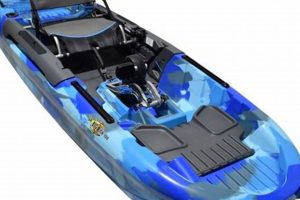
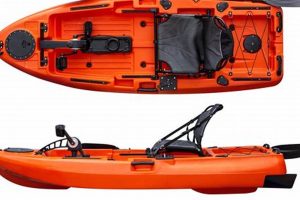
Specialized equipment and appropriate safety gear are essential components of competitive kayak fishing in Tennessee. These items directly influence angler performance, comfort, and safety during tournaments. The selection and utilization of equipment reflect specific fishing conditions, target species, and tournament regulations. For example, choosing a kayak with ample storage capacity and stability is crucial for navigating Tennessee’s diverse waterways, ranging from calm lakes to flowing rivers. Rods, reels, and lines optimized for bass fishing, the predominant target species in many Tennessee tournaments, are essential for effective angling. Furthermore, electronic devices like fish finders and GPS units enhance an angler’s ability to locate fish and navigate tournament waters efficiently. The connection between equipment choices and competitive success is evident in the meticulous preparation undertaken by tournament anglers.
Safety gear plays a critical role in mitigating risks inherent in kayak fishing tournaments. Wearing a personal flotation device (PFD) is paramount for angler safety, especially in challenging conditions or remote locations. Communication devices, such as VHF radios or cell phones in waterproof cases, enable anglers to contact tournament officials or emergency services if needed. First-aid kits equipped to handle common fishing-related injuries, such as hook removals or minor cuts, are essential precautions. Weather-appropriate clothing, including rain gear and sun protection, ensures angler comfort and prevents exposure-related issues. These safety measures reflect a commitment to responsible angling practices and contribute to a safer tournament environment for all participants. Neglecting safety precautions can have serious consequences, highlighting the practical significance of prioritizing safety in kayak fishing tournaments.
In summary, the careful selection and utilization of equipment and safety gear directly impact performance and safety during kayak fishing tournaments in Tennessee. Equipment choices tailored to target species, fishing conditions, and tournament regulations enhance competitive success. Prioritizing safety through the use of PFDs, communication devices, first-aid kits, and appropriate clothing demonstrates responsible angling practices. A comprehensive understanding of equipment and safety considerations contributes to a more rewarding and secure tournament experience for all participants. The continued evolution of kayak fishing technology and safety practices underscores the importance of staying informed and adapting equipment choices to meet the demands of competitive angling in Tennessee.
7. Tournament Formats/Rules
Tournament formats and rules provide the essential framework governing competitive kayak fishing in Tennessee. These structured guidelines ensure fair competition, promote ethical angling practices, and contribute to the overall integrity of the sport. Understanding these formats and rules is crucial for successful tournament participation and contributes to a positive experience for all involved. Different tournament circuits and organizers may employ variations in formats and rules, necessitating careful review of specific guidelines for each event.
- Tournament Formats:
Common tournament formats include catch-photo-release (CPR) tournaments, where anglers photograph their catches alongside a measuring board and submit images for scoring, and traditional weigh-in formats, where anglers bring their live catches to a designated weigh station. CPR tournaments minimize fish handling and stress, promoting conservation. Weigh-in formats require careful fish care practices to ensure the well-being of the catch. Some tournaments may employ a combination of formats, incorporating elements of both CPR and weigh-in procedures.
- Scoring Systems:
Scoring systems often involve awarding points based on the length or weight of the fish caught. Some tournaments may impose penalties for dead fish or exceeding creel limits, further incentivizing conservation. Tie-breaking procedures are typically outlined in tournament rules, ensuring a clear determination of winners in the event of tied scores. Understanding the specific scoring system is crucial for developing effective tournament strategies and maximizing points potential.
- Permitted Fishing Methods:
Tournament rules frequently specify permitted fishing methods, such as artificial lures only or restrictions on the use of live bait. Some tournaments may designate specific areas as off-limits or prohibit certain fishing techniques, like trolling or the use of downriggers. These restrictions promote fair competition and ensure all participants adhere to consistent standards. Familiarity with permitted fishing methods is essential for tournament preparation and compliance.
- Boundaries and Time Limits:
Tournament boundaries delineate the designated fishing area within which anglers are permitted to fish during the competition. These boundaries may encompass specific sections of a lake, river, or reservoir. Time limits define the duration of the tournament, often starting and ending at designated times. Adherence to these boundaries and time limits is essential for tournament compliance and ensures fair competition among participants. Pre-tournament scouting within designated boundaries is crucial for developing effective fishing strategies.
Tournament formats and rules serve as the backbone of organized kayak fishing competitions in Tennessee. A thorough understanding of these guidelines ensures fair competition, promotes ethical angling, and clarifies procedures for scoring and determining winners. This framework fosters a positive tournament environment, allowing anglers to focus on the challenge of competition while adhering to established rules and regulations. By embracing these rules and formats, participants contribute to the overall integrity and growth of competitive kayak fishing in Tennessee.
Frequently Asked Questions
This FAQ section addresses common inquiries regarding kayak fishing tournaments in Tennessee, providing concise and informative responses to assist both prospective and current participants.
Question 1: How does one locate information on upcoming kayak fishing tournaments in Tennessee?
Information on upcoming tournaments can be found through various online resources, including websites dedicated to kayak fishing, social media groups focused on Tennessee angling, and local fishing club announcements. Checking local tackle shops and contacting tournament organizers directly can also provide valuable information.
Question 2: What equipment is typically required for participation in a kayak fishing tournament?
Essential equipment includes a fishing kayak, appropriate rods, reels, and tackle, a personal flotation device (PFD), and a measuring device if participating in a CPR (catch-photo-release) tournament. Additional equipment, such as fish finders, GPS units, and anchor systems, can enhance angling effectiveness. Specific tournament rules may dictate additional equipment requirements.
Question 3: Are there specific regulations regarding kayak fishing tournaments in Tennessee?
All state fishing regulations established by the Tennessee Wildlife Resources Agency (TWRA) apply to tournament fishing. These regulations cover aspects such as licensing requirements, size and creel limits for various species, permitted fishing methods, and the use of live bait. Specific tournament rules may impose additional restrictions.
Question 4: How do tournament formats differ, and what are the common scoring systems employed?
Tournament formats can vary, with common formats including CPR (catch-photo-release) and traditional weigh-in events. Scoring systems typically award points based on fish length or weight, with some tournaments incorporating penalties for dead fish or exceeding creel limits. Specific scoring details are outlined in individual tournament rules.
Question 5: What safety precautions should be taken when participating in a kayak fishing tournament?
Prioritizing safety involves wearing a PFD, carrying communication devices, informing someone of fishing plans, and being aware of weather conditions. A first-aid kit and appropriate clothing are also recommended. Adhering to tournament-specific safety guidelines is essential.
Question 6: What are the typical costs associated with participating in a kayak fishing tournament in Tennessee?
Costs can vary depending on the tournament, but typical expenses include entry fees, travel expenses, lodging (if applicable), and any necessary equipment upgrades or replacements. Some tournaments offer optional side pots or additional entry categories that may increase overall costs. Researching specific tournament details will provide a more accurate cost estimate.
Careful consideration of these frequently asked questions provides valuable insight into the practical aspects of participating in kayak fishing tournaments in Tennessee. Reviewing specific tournament rules and regulations remains essential for ensuring a compliant and enjoyable competitive experience.
This information serves as a starting point for further exploration of competitive kayak angling in Tennessee. Engaging with local angling communities and experienced tournament participants can provide additional valuable insights.
Kayak Fishing Tournaments Tennessee
This exploration of competitive kayak angling in Tennessee has highlighted key aspects of this growing sport. From the diverse tournament formats and regulations to the crucial role of equipment and safety considerations, the intricacies of navigating this competitive landscape have been examined. The significance of target species, particularly bass, and the influence of Tennessee’s varied waterways on angler strategies underscore the unique challenges and rewards inherent in these competitions. The interplay of competition, skill development, and conservation practices further shapes the evolving nature of kayak fishing tournaments.
The future of kayak fishing tournaments in Tennessee appears promising, driven by increasing participation and the continued development of specialized equipment and techniques. Continued emphasis on ethical angling practices and adherence to regulations will ensure the sustainability of the sport and the preservation of the state’s valuable aquatic resources. Engaging with local angling communities and supporting responsible tournament organizations are crucial steps in fostering the continued growth and positive impact of competitive kayak fishing in Tennessee. The pursuit of competitive excellence, combined with a commitment to conservation, will shape the future trajectory of this dynamic and rewarding sport.