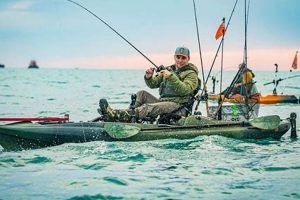
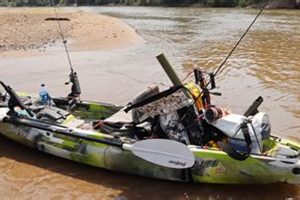
This activity involves angling from a small, human-powered watercraft in the coastal waters near Panama City Beach, Florida. It offers a unique blend of recreation, sport, and connection with nature. Anglers can access shallow-water habitats often unreachable by larger vessels, pursuing a variety of fish species in diverse estuarine and nearshore environments. For example, anglers might target redfish in the shallow grass flats of St. Andrew Bay or troll for king mackerel just off the beach.
The relatively low cost of entry compared to motorized boating, combined with the physical exercise and intimate interaction with the marine environment, makes this a popular pastime. Historically, small boats have been used for fishing in the region, but the modern popularity surge stems from advancements in kayak design and the growing interest in eco-friendly outdoor activities. This style of fishing contributes to the local economy through equipment sales, tourism, and related services.
This article will further explore specific techniques, recommended equipment, local regulations, ethical considerations, and popular fishing spots in the area. It will also cover safety precautions and offer guidance for planning a successful and enjoyable fishing excursion.
Tips for Kayak Fishing in Panama City Beach, Florida
Careful planning and preparation contribute significantly to a safe and productive fishing experience. The following tips offer valuable guidance for anglers of all skill levels.
Tip 1: Check Weather and Tides: Before embarking on any trip, consult marine weather forecasts and tide charts. Strong winds and currents can create hazardous conditions, especially for smaller vessels. Tidal flow influences fish behavior and access to shallow areas.
Tip 2: Prioritize Safety Equipment: A personal flotation device (PFD) is essential and should be worn at all times. Carry a whistle, signaling mirror, and waterproof communication device for emergencies. A first-aid kit should also be readily accessible.
Tip 3: Choose Appropriate Gear: Select a kayak designed for stability and fishing functionality. Rods, reels, and tackle should be appropriate for target species and the local environment. Consider using a fishing-specific kayak with features like rod holders and storage compartments.
Tip 4: Understand Local Regulations: Familiarize oneself with fishing licenses, catch limits, and size restrictions. Respect closed areas and sensitive habitats. Information is available from the Florida Fish and Wildlife Conservation Commission (FWC).
Tip 5: Plan Your Route and Fishing Spots: Research potential fishing locations in advance, considering factors like water depth, structure, and prevailing currents. Inform someone onshore of your intended route and estimated return time.
Tip 6: Practice Kayak Handling: Gain experience maneuvering and controlling the kayak in calm waters before venturing into more challenging conditions. Practice casting and retrieving from a seated position. Learn basic self-rescue techniques.
Tip 7: Respect the Environment: Minimize disturbance to wildlife and habitats. Properly dispose of fishing line and other waste. Avoid anchoring in sensitive areas like seagrass beds. Practice catch and release whenever possible.
Tip 8: Hire a Guide: For those new to the area or kayak fishing in general, hiring a local guide can provide valuable insights and enhance the overall experience. Guides can offer advice on fishing spots, techniques, and safety procedures.
Adhering to these guidelines will enhance safety, increase fishing success, and contribute to a more enjoyable and responsible experience on the waters of Panama City Beach.
This article will now conclude with a summary of key takeaways and resources for further exploration.
1. Species Variety

The diverse ecosystem surrounding Panama City Beach, Florida, supports a rich variety of fish species, making it a prime location for kayak anglers. This diverse fauna provides ample opportunities for anglers to target specific species or experience the thrill of a mixed bag. Understanding the prevalent species and their respective habitats enhances fishing success.
- Inshore Species
The shallow flats, estuaries, and bayous teem with inshore species such as redfish, speckled trout, and flounder. These fish are often targeted using light tackle and artificial lures, offering exciting shallow-water action accessible from a kayak. Redfish, known for their powerful runs, are often found around oyster bars and grassy flats. Speckled trout ambush prey in deeper holes and channels. Flounder, masters of camouflage, lie in wait on sandy bottoms.
- Nearshore Pelagics
Venturing slightly further offshore allows kayak anglers to encounter nearshore pelagic species like king mackerel, Spanish mackerel, and cobia. These fish are often targeted by trolling or drifting live bait. King mackerel, known for their speed and acrobatic jumps, offer a thrilling challenge. Spanish mackerel, smaller but equally aggressive, are often found in schools. Cobia, powerful bottom-dwellers, cruise along near structures and offer a formidable fight.
- Reef Fish
Artificial reefs and natural structures provide habitat for a variety of reef fish, including snapper, grouper, and amberjack. Kayak anglers can access these areas and employ bottom fishing techniques to target these species. Snapper, prized for their firm white flesh, are often caught using live or cut bait. Grouper, ambush predators, lurk around reefs and wrecks. Amberjack, powerful fighters, offer a challenging angling experience.
- Seasonal Variations
The abundance and distribution of fish species vary throughout the year, influenced by factors such as water temperature, migration patterns, and spawning cycles. Understanding these seasonal variations allows anglers to target specific species during optimal periods. For example, tarpon migrate through the area during the warmer months, offering an exciting challenge for experienced kayak anglers.
The wide range of species available to kayak anglers in Panama City Beach contributes significantly to the area’s appeal. The ability to target different species in diverse habitats, from shallow flats to nearshore reefs, provides a dynamic and rewarding angling experience. Understanding the specific characteristics and seasonal patterns of these species enhances fishing success and contributes to a deeper appreciation of the marine environment.
2. Shallow Water Access

Shallow water access represents a significant advantage of kayak fishing in Panama City Beach, Florida. The shallow flats, estuaries, and bayous characteristic of the region provide essential habitat for numerous fish species, yet remain inaccessible to larger, motorized boats. Kayaks, with their shallow draft and maneuverability, allow anglers to exploit these productive fishing grounds effectively. This access grants anglers a distinct advantage, particularly when targeting species like redfish, speckled trout, and flounder, which frequent these shallow-water environments. For example, navigating the shallow grass flats of St. Andrew Bay becomes feasible with a kayak, opening opportunities to target tailing redfish in areas inaccessible to traditional powerboats. This ability to reach otherwise unreachable areas directly impacts angling success.
The shallow water access afforded by kayaks further enhances stealth and reduces disturbance to fish. Quiet propulsion and low profile minimize noise and visual disruption, allowing anglers to approach fish in their natural habitat with minimal disturbance. This proves particularly advantageous in clear, shallow water where fish are easily spooked. Furthermore, the ability to pole or paddle a kayak silently through shallow areas expands fishing opportunities, presenting scenarios where fish are less pressured and more receptive to lures or bait. This subtle approach increases the likelihood of successful hookups, especially in heavily fished areas. The stability of fishing kayaks allows for stand-up casting, which significantly improves sight fishing in shallow water, allowing anglers to spot and target individual fish with greater precision.
Shallow water access remains a defining feature of kayak fishing in Panama City Beach. It provides a competitive edge for anglers pursuing popular inshore species. The ability to navigate shallow, productive areas silently and effectively enhances fishing success. Furthermore, the stability afforded by specialized fishing kayaks allows for techniques like stand-up sight fishing, maximizing opportunities in these unique coastal environments. This advantage underscores the importance of considering water depth and accessibility when planning a fishing excursion in this region and highlights the significant role kayaks play in accessing productive, yet often overlooked, fishing grounds.
3. Launch Locations
Selecting appropriate launch locations is crucial for a successful kayak fishing excursion in Panama City Beach, Florida. Convenient access to productive fishing grounds, while considering parking, tides, and local regulations, contributes significantly to a positive experience. Strategic launch site selection minimizes transit time and maximizes fishing opportunities. The following facets highlight key considerations for choosing optimal launch points.
- Public Boat Ramps
Public boat ramps offer convenient access to various waterways, often with ample parking and facilities. However, these locations can experience high traffic, especially during peak seasons. Anglers should exercise caution when launching and retrieving kayaks amidst motorized boat activity. Examples include the Carl Gray Park boat ramp and the St. Andrews State Park boat ramp. Using these ramps requires awareness of boating etiquette and adherence to ramp procedures to ensure safe and efficient shared use.
- Kayak Launches within State Parks
Several state parks provide designated kayak launch areas, often offering quieter and more secluded access to the water. These locations may require park entrance fees but provide a more serene environment. St. Andrews State Park and Camp Helen State Park are prime examples, offering access to both bay and Gulf waters. These designated launches within protected areas often minimize disturbance to sensitive habitats.
- Private Marinas and Resorts
Some private marinas and resorts offer kayak launch facilities for guests or for a fee. These locations can provide convenient access to specific fishing areas but may have restricted access or operating hours. Researching available amenities and access policies is essential before utilizing these launch points.
- Beach Launches
Launching directly from the beach provides access to nearshore Gulf waters. However, this requires careful consideration of surf conditions and tidal influences. Launching and landing through surf can be challenging and requires experience and proper technique. Beach launches are best suited for experienced kayakers and should be avoided during rough surf or strong currents.
Careful consideration of launch locations directly impacts the overall kayak fishing experience in Panama City Beach. Factors such as accessibility, parking availability, proximity to target fishing areas, and prevailing conditions should inform launch site selection. Matching the launch location to specific fishing goals, skill level, and desired experience contributes to a safe, productive, and enjoyable outing on the water.
4. Essential Gear

Appropriate gear directly impacts safety and success in kayak fishing near Panama City Beach, Florida. Specific equipment choices depend on targeted species, fishing style, and environmental conditions. Essential gear falls into several key categories:
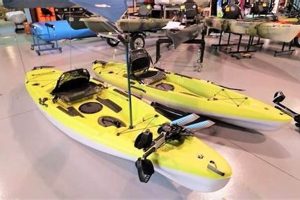
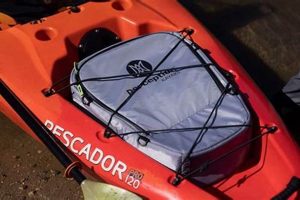
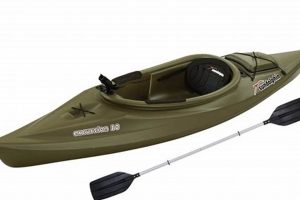
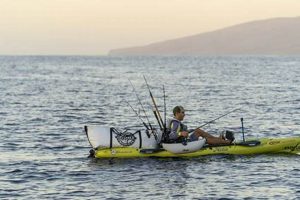
Kayak Selection: A stable, purpose-built fishing kayak is paramount. Sit-on-top kayaks offer inherent buoyancy and self-bailing capabilities, advantageous in the marine environment. Features like rod holders, storage compartments, and anchor trolleys enhance fishing functionality. Kayak length and width influence stability and maneuverability; shorter kayaks are more agile in shallow, confined areas while longer kayaks track better in open water. For example, a shorter kayak might be preferred for navigating tight creeks within St. Andrews State Park, while a longer kayak might be better suited for trolling offshore near Shell Island.
Paddle and PFD: A lightweight, efficient paddle matched to the angler’s height and kayak width is essential for comfortable and effective propulsion. A properly fitted personal flotation device (PFD) is a non-negotiable safety item, required by law and critical for survival in the event of capsizing. Choosing a PFD designed for fishing, with pockets and features for holding tools and accessories, enhances practicality.
Fishing Tackle: Rod and reel selection depends on target species. Light to medium tackle is suitable for inshore species like redfish and speckled trout, while heavier tackle is necessary for nearshore pelagics like king mackerel. A selection of lures, hooks, weights, and line appropriate for the target species and fishing environment is essential. For instance, topwater lures might be effective for speckled trout in the early morning, while live shrimp might be preferred for redfish around oyster bars.
Safety and Navigation Equipment: Essential safety equipment includes a whistle, signaling mirror, and waterproof communication device (e.g., VHF radio or cell phone in a waterproof case) for emergencies. A first-aid kit and basic tools for minor repairs are also recommended. Navigation tools, such as a chart, compass, or GPS unit, aid in route planning and situational awareness, especially in unfamiliar waters or changing weather conditions. A fish finder or depth sounder can be valuable for locating fish and identifying underwater structures.
Other Considerations: Additional gear enhances comfort and efficiency. A dry bag protects essential items from water damage. Appropriate clothing, including sun protection and rain gear, enhances comfort and safety. A landing net facilitates landing fish safely and efficiently. An anchor and anchor trolley system allows for maintaining position in current or wind. Finally, a cooler or fish bag helps preserve catch for transport.
Careful selection and appropriate use of essential gear contribute significantly to a safe, enjoyable, and productive kayak fishing experience in the waters around Panama City Beach. Understanding the function and purpose of each piece of equipment, combined with knowledge of local fishing conditions and target species, ensures anglers are well-prepared for a successful outing. Neglecting essential gear can compromise safety and limit fishing success, underscoring the importance of proper preparation and equipment selection within this dynamic coastal environment.
5. Tidal Influence

Tidal influence significantly impacts kayak fishing success in Panama City Beach, Florida. Understanding tidal cycles, currents, and their effects on fish behavior is crucial for anglers. Tides dictate water depth, access to shallow areas, and movement of prey species, directly affecting fish feeding patterns and location. Effective anglers consider tidal stages when planning fishing excursions and adapt their strategies accordingly.
- Current and Fish Movement
Tidal currents transport baitfish and other prey, concentrating fish in specific areas. Strong currents create feeding opportunities near structures where fish ambush prey swept along by the flow. Anglers can capitalize on this by positioning kayaks near these ambush points, such as bridge pilings, channel edges, or oyster bars, during periods of peak current. Understanding current direction and strength informs lure or bait presentation and drift management.
- Water Depth and Accessibility
Tidal fluctuations alter water depth, impacting access to shallow flats, creeks, and estuaries. High tides allow kayaks to reach areas inaccessible during low tide, opening opportunities to target species foraging in flooded vegetation or shallow cover. Conversely, falling tides concentrate fish in deeper channels and holes, creating predictable ambush points. Knowledge of tidal stages allows anglers to plan routes and access specific areas effectively. For example, accessing the shallow grass flats of St. Andrew Bay might require launching during higher tide periods.
- Tidal Flow and Bait Presentation
Tidal flow influences bait presentation and drift. Understanding current direction and speed allows anglers to present lures or bait naturally, mimicking the movement of prey. Adjusting retrieval speed and drift direction ensures proper lure action and maximizes exposure to target species. For instance, drifting live bait with the current along a channel edge can be highly effective for targeting speckled trout or redfish.
- Solunar Influence
The gravitational pull of the sun and moon influences tidal cycles and affects fish behavior. Solunar tables predict periods of increased fish activity based on the relative positions of the sun and moon. While tides dictate water movement, solunar influences impact feeding patterns, making certain periods more productive than others. Integrating solunar predictions with tidal information refines fishing strategy. For instance, fishing during a peak solunar period that coincides with an outgoing tide can significantly improve chances of success.
Tidal influence is a dynamic factor in the Panama City Beach fishery. Integrating knowledge of tidal cycles, current patterns, and solunar influences into fishing strategies significantly enhances angling success. Understanding how tides affect fish behavior, accessibility, and bait presentation allows kayak anglers to maximize their opportunities and experience productive fishing in this diverse coastal environment. Failing to consider tidal influence can lead to unproductive trips, highlighting the importance of understanding this crucial element within the broader context of kayak fishing in this area.
6. Safety Precautions
Safety precautions are paramount for kayak fishing in Panama City Beach, Florida. The coastal environment presents inherent risks, including changing weather conditions, strong currents, and vessel traffic. Neglecting safety protocols can lead to serious consequences, ranging from minor injuries to life-threatening situations. A comprehensive understanding of potential hazards and proactive implementation of safety measures mitigates these risks, ensuring a safe and enjoyable fishing experience. For example, checking marine weather forecasts before embarking on a fishing trip allows anglers to avoid potentially hazardous conditions, such as thunderstorms or high winds, which can quickly create dangerous situations for small vessels. Similarly, carrying essential safety equipment, like a personal flotation device (PFD), whistle, and signaling mirror, proves crucial in emergencies. A real-life example highlighting the importance of these precautions involves a kayaker who capsized in strong currents near Shell Island; the angler’s PFD and readily accessible communication device facilitated a swift rescue by nearby boaters.
Further emphasizing the link between safety and kayak fishing, consider the potential for encounters with larger vessels in busy waterways such as the Grand Lagoon or St. Andrew Bay. Kayaks low profile makes them less visible to larger boats, increasing the risk of collision. Carrying a brightly colored flag or attaching reflective tape to the kayak enhances visibility, reducing this risk. Understanding navigational rules and maintaining situational awareness of surrounding boat traffic are equally critical. Another important safety consideration involves wildlife encounters. While generally not aggressive, marine life like dolphins and sharks can be curious and approach kayaks. Maintaining a respectful distance and avoiding any interaction minimizes potential disturbances and ensures both angler and animal safety. Proper handling of fish, particularly those with sharp spines or teeth, also mitigates the risk of injury.
In summary, prioritizing safety precautions is non-negotiable for kayak fishing in Panama City Beach. The dynamic coastal environment necessitates a proactive approach to risk management. Understanding potential hazards, from changing weather to vessel traffic and wildlife encounters, allows anglers to implement appropriate safety measures. Carrying essential safety equipment, checking weather forecasts, understanding navigational rules, and maintaining situational awareness are crucial for mitigating risks and ensuring a safe and enjoyable fishing experience. Real-life examples underscore the potential consequences of neglecting safety protocols, highlighting the practical significance of incorporating safety considerations into every aspect of kayak fishing in this region. This proactive approach not only protects individual anglers but also contributes to a safer boating environment for all.
7. Local Regulations
Adherence to local regulations is essential for responsible kayak fishing in Panama City Beach, Florida. These regulations, established by the Florida Fish and Wildlife Conservation Commission (FWC), ensure the sustainability of fish populations and protect the delicate coastal ecosystem. They encompass licensing requirements, catch limits, size restrictions, and closed seasons for various species. Ignoring these regulations can result in fines, legal penalties, and damage to the environment. For instance, exceeding the bag limit for redfish not only carries a legal penalty but also depletes the breeding population, impacting the long-term health of the fishery. One practical example involves the seasonal closure of gag grouper harvest. These closures protect spawning aggregations, ensuring future generations of this valuable species. Kayak anglers must familiarize themselves with current regulations before fishing and adhere to them strictly. Resources like the FWC website and local bait shops provide up-to-date information.
Regulations also address specific gear restrictions and permitted fishing methods. Certain areas may prohibit the use of specific gear types, such as gill nets or certain types of traps. Understanding these restrictions prevents unintentional violations. For example, using live baitfish collected from non-approved sources can introduce invasive species or diseases, harming the local ecosystem. Regulations also address proper disposal of fishing line and other waste. Discarding fishing line can entangle marine wildlife, causing injury or death. Proper disposal practices, such as using designated receptacles or recycling programs, minimize environmental impact. Furthermore, specific areas, like seagrass beds or nesting areas, might be designated as protected zones with restricted access or fishing prohibitions. Respecting these closures preserves critical habitats and safeguards vulnerable species.
In conclusion, understanding and complying with local regulations is integral to responsible kayak fishing in Panama City Beach. These regulations are not merely bureaucratic hurdles but crucial mechanisms for preserving the health and sustainability of the fishery and protecting the fragile coastal ecosystem. They serve as a framework for ethical angling practices, promoting a balance between recreational fishing and environmental stewardship. Failing to comply not only risks legal repercussions but also undermines the long-term viability of the resource. By actively engaging with and adhering to these regulations, kayak anglers contribute to the preservation of this valuable natural resource for future generations. This understanding fosters a sense of responsibility and reinforces the crucial role anglers play in maintaining a healthy and sustainable fishery.
Frequently Asked Questions
This section addresses common inquiries regarding kayak fishing in Panama City Beach, Florida. The information provided aims to clarify potential uncertainties and provide practical guidance for anglers.
Question 1: What are the most common fish species targeted by kayak anglers in Panama City Beach?
Redfish, speckled trout, flounder, and Spanish mackerel are frequently targeted inshore. Nearshore species include king mackerel, cobia, and various reef fish.
Question 2: Are fishing licenses required for kayak fishing in Panama City Beach?
Yes, a valid Florida fishing license is required for residents and non-residents. Licenses can be obtained online through the Florida Fish and Wildlife Conservation Commission (FWC) website or at authorized vendors.
Question 3: What are the recommended safety precautions for kayak fishing in this area?
Always wear a personal flotation device (PFD). Check weather forecasts before embarking on any trip. Carry a whistle, signaling mirror, and communication device. Inform someone onshore of your planned route and estimated return time.
Question 4: Where are suitable kayak launch locations in Panama City Beach?
Public boat ramps, state park kayak launches, and some private marinas offer access. Launching directly from the beach is possible but requires experience with surf conditions.
Question 5: What type of kayak is best suited for fishing in Panama City Beach?
Stable sit-on-top kayaks designed for fishing are recommended. Features like rod holders, storage compartments, and anchor trolleys enhance functionality.
Question 6: What is the impact of tides on fishing success in this area?
Tides influence water depth, current flow, and fish behavior. Understanding tidal cycles and their impact on target species is crucial for successful fishing.
Careful consideration of these frequently asked questions enhances preparedness and contributes to a safer and more productive kayak fishing experience.
This concludes the FAQ section. The following section will offer further resources and concluding remarks.
Kayak Fishing Panama City Beach Florida
This exploration of kayak fishing near Panama City Beach, Florida, has highlighted key aspects crucial for a successful and enriching experience. From understanding the diverse species inhabiting the region’s waters to selecting appropriate launch sites and adhering to safety regulations, each element contributes to a rewarding angling adventure. The significance of tidal influences on fish behavior and the strategic selection of essential gear have been emphasized. This information equips anglers with the knowledge necessary to navigate this dynamic coastal environment effectively and responsibly.
The accessibility and unique perspective offered by kayak fishing provide an unparalleled connection with the natural world. This activity transcends mere sport, fostering an appreciation for the delicate balance within the coastal ecosystem. Continued exploration and responsible engagement with this activity will ensure the preservation of this valuable resource for future generations. Applying the insights and guidance provided within this resource will undoubtedly contribute to a more informed, productive, and enjoyable kayak fishing experience in Panama City Beach.