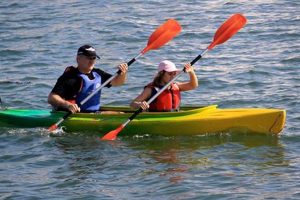
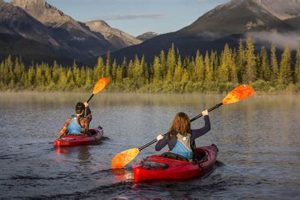
Extended kayaking expeditions, often involving overnight trips or longer durations in remote or challenging environments, encompass a distinct segment of the paddlesports world. These excursions typically require specialized equipment, advanced paddling skills, and careful planning to ensure safety and success. An illustrative example could be a multi-day trip down a wilderness river, navigating rapids and camping along the banks.
Such immersive journeys offer significant benefits, including enhanced connection with nature, development of self-reliance, and the opportunity to experience unique ecosystems. The historical context reveals a progression from basic watercraft for transport and subsistence to the modern recreational pursuit of challenging paddlesport adventures, driven by technological advancements in kayak design and a growing appreciation for outdoor experiences.
This article will further explore key aspects of extended kayaking trips, including essential gear and preparation, safety considerations, popular destinations, and the growing interest in environmentally responsible paddling practices.
Essential Guidance for Extended Kayaking Trips
Careful planning and preparation are crucial for safe and successful long-distance kayaking expeditions. The following tips provide valuable insights for enhancing the experience.
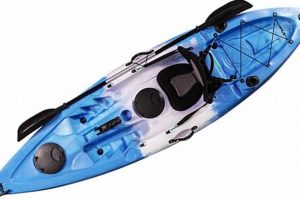
Tip 1: Invest in appropriate equipment. Selecting a kayak designed for touring, with ample storage capacity and comfortable seating, is paramount. Essential gear includes a properly fitted personal flotation device, a reliable paddle, and dry bags for protecting sensitive items from water damage.
Tip 2: Develop proficient paddling skills. Practicing fundamental strokes and rescue techniques in calm water before embarking on challenging expeditions is highly recommended. Consider formal instruction to gain confidence and proficiency.
Tip 3: Plan routes meticulously. Thorough research of potential hazards, including weather patterns, water currents, and wildlife, is essential. Sharing itinerary details with someone not participating in the trip ensures additional safety measures.
Tip 4: Pack essential safety gear. A first-aid kit, communication device (satellite phone or personal locator beacon), navigation tools (map, compass, GPS), and repair kit are critical for managing unforeseen circumstances.
Tip 5: Practice Leave No Trace principles. Minimize environmental impact by packing out all trash, avoiding disturbing wildlife, and camping responsibly in designated areas.
Tip 6: Acclimatize to paddling conditions gradually. Begin with shorter trips to build endurance and adapt to the physical demands of extended kayaking. Gradually increase distance and duration as comfort levels improve.
Tip 7: Check and maintain equipment regularly. Inspecting kayaking gear before each trip, ensuring proper function and addressing any necessary repairs, minimizes the risk of equipment failure during the expedition.
By adhering to these guidelines, paddlers can significantly enhance safety, minimize environmental impact, and maximize enjoyment during extended kayaking adventures.
These preparations contribute to successful and rewarding experiences on the water, allowing participants to fully appreciate the challenges and rewards of extended kayaking journeys.
1. Destination Selection

Destination selection represents a pivotal decision in planning extended kayaking trips, significantly impacting the overall experience. The chosen environment dictates necessary equipment, required skills, potential challenges, and the nature of the adventure itself.
- Water Type
The nature of the waterocean, river, lakeshapes the experience. Ocean kayaking demands specialized skills for navigating currents, tides, and open water. River kayaking presents varying challenges based on water flow and obstacles. Lake kayaking typically offers calmer conditions, suitable for less experienced paddlers. Choosing the appropriate water type aligns the trip with skill level and desired adventure intensity.
- Environment
The surrounding environment significantly influences the trip. Remote wilderness areas necessitate self-sufficiency and preparedness for unpredictable conditions. Coastal regions provide access to unique ecosystems and potential wildlife encounters. Developed areas offer greater access to amenities and support services. Environmental considerations influence packing lists, safety protocols, and overall trip complexity.
- Trip Duration
The length of the kayaking adventure impacts logistical planning. Overnight trips require camping gear and considerations for food storage and waste management. Multi-day expeditions demand meticulous route planning and careful resource management. Longer trips amplify the importance of physical fitness, gear reliability, and emergency preparedness.
- Accessibility & Logistics
Evaluating access points, available transportation, and required permits plays a critical role. Remote locations may necessitate chartering transportation or coordinating complex logistics. Understanding access restrictions ensures a smooth and legal trip execution. This factor often interacts with trip duration and required resources.
Careful consideration of these facets ensures alignment between the chosen destination and the overall goals of the kayaking adventure. Whether seeking a challenging wilderness expedition or a tranquil exploration of coastal waters, destination selection sets the stage for a memorable and rewarding experience. Informed decision-making contributes significantly to safety and enjoyment, maximizing the potential of extended kayaking trips.
2. Advanced Planning
Advanced planning is paramount for extended kayaking expeditions, distinguishing them from casual paddling trips. The complexities of navigating remote locations, managing self-sufficiency, and mitigating potential risks necessitate meticulous preparation. A comprehensive plan ensures safety, enhances the experience, and contributes to a successful outcome.
- Route Mapping & Navigation
Detailed route mapping, including identification of potential hazards and alternative routes, is crucial. This involves studying nautical charts, topographical maps, and river guides. Understanding tidal currents, river flow rates, and potential obstacles allows for proactive decision-making. Incorporating navigational aids, such as GPS devices and compasses, enhances accuracy and safety. For example, planning a kayaking trip in the Everglades requires careful consideration of tidal flows and marked channels.
- Emergency Preparedness & Communication
Establishing communication protocols and emergency procedures is essential for mitigating unforeseen circumstances. Carrying a satellite phone or personal locator beacon enables communication in remote areas. Developing a comprehensive emergency plan, including first-aid procedures and evacuation strategies, prepares participants for potential challenges. Sharing this plan with a contact person not participating in the trip provides an additional layer of safety. For instance, paddling in remote areas necessitates pre-trip communication checks and designated emergency contacts.
- Provisioning & Resource Management
Careful provisioning and resource management are crucial for self-sufficiency during extended trips. Calculating food and water requirements based on trip duration and anticipated exertion ensures adequate supplies. Implementing appropriate storage techniques prevents spoilage and minimizes waste. Understanding water filtration and purification methods provides access to safe drinking water. Proper waste disposal practices minimize environmental impact. For example, a multi-day kayak trip along a wilderness coastline requires efficient packing and management of limited freshwater supplies.
- Weather Monitoring & Contingency Planning
Thorough weather monitoring and the development of contingency plans are essential for adapting to changing conditions. Staying informed about weather forecasts and potential storms allows for proactive adjustments to the itinerary. Identifying alternative campsites or evacuation routes provides flexibility in the face of unexpected weather events. Packing appropriate gear for varying weather conditions ensures comfort and safety. For instance, kayaking in mountainous regions requires awareness of rapidly changing weather patterns and pre-determined alternate routes.
These interconnected facets of advanced planning directly impact the success and safety of extended kayaking adventures. The complexity of these trips necessitates a proactive approach, emphasizing preparation, risk mitigation, and adaptability. By addressing these elements thoroughly, kayakers can confidently embark on challenging expeditions, maximizing the potential for rewarding and enriching experiences.
3. Specialized Gear

The success and safety of extended kayaking adventures, often characterized by remote locations and challenging conditions, are inextricably linked to the selection and utilization of specialized gear. This equipment goes beyond the basic necessities of recreational paddling, addressing specific demands imposed by the environment, duration, and nature of the expedition. The relationship between specialized gear and these ambitious kayaking endeavors is one of direct enablement and risk mitigation.
Consider a multi-day kayaking trip along a rugged coastline. A sea kayak, designed for stability in open water and equipped with ample storage, becomes essential. Dry bags and waterproof hatches safeguard vital supplies from the elements. A reliable bilge pump and paddle float become critical safety tools in case of capsize. Similarly, navigating whitewater rapids necessitates a specialized kayak designed for maneuverability and impact resistance, alongside a helmet, appropriate paddling attire, and throw ropes for rescue scenarios. These examples illustrate the direct causal link between appropriate gear and the feasibility of undertaking such challenging adventures. The absence or failure of specialized gear can compromise safety and severely limit the potential for success.
The significance of specialized gear extends beyond mere functionality; it represents an investment in safety and preparedness. Choosing appropriate equipment reflects an understanding of the inherent risks associated with extended kayaking trips and a commitment to mitigating those risks. This understanding empowers paddlers to confidently explore challenging environments, pushing boundaries while maintaining a focus on safety and responsible enjoyment of the natural world. The selection of specialized gear, therefore, becomes an integral component of the planning process, signifying a crucial difference between casual recreation and a serious approach to extended kayaking adventures.
4. Safety Procedures

Safety procedures form the bedrock of successful extended kayaking expeditions. These journeys, characterized by remote locations and inherent environmental challenges, necessitate a rigorous approach to risk management. Implementing comprehensive safety protocols distinguishes a well-prepared adventure from a potentially hazardous undertaking. The following facets highlight essential components of a robust safety framework for extended kayaking trips.
- Pre-Trip Planning & Communication
Establishing clear communication protocols before embarking on an extended kayaking trip is paramount. This includes sharing detailed trip plans, including routes, timelines, and emergency contacts, with individuals not participating in the expedition. Regular communication checkpoints during the trip ensure that assistance can be mobilized swiftly if necessary. For instance, designating specific times for satellite phone check-ins provides a crucial safety net in remote areas. Failure to establish reliable communication can have severe consequences in emergency situations.
- On-Water Safety Practices
Adherence to fundamental on-water safety practices is non-negotiable. Consistent wearing of personal flotation devices (PFDs), even in seemingly calm conditions, is essential. Maintaining appropriate spacing between kayaks minimizes the risk of collisions. Carrying essential safety equipment, such as signaling devices, first-aid kits, and repair kits, ensures preparedness for unexpected events. Regularly checking weather forecasts and adapting plans accordingly mitigates potential hazards associated with changing conditions. For example, understanding self-rescue techniques and practicing them prior to the trip enhances preparedness for capsize situations.
- Navigation & Hazard Awareness
Proficient navigation and a keen awareness of potential hazards are crucial for safe passage. Thorough route planning, incorporating knowledge of tidal currents, river flows, and potential obstacles, allows for informed decision-making. Carrying navigational aids, including charts, compasses, and GPS devices, enhances accuracy and reduces the risk of disorientation. Maintaining awareness of changing weather patterns and potential wildlife encounters contributes to proactive risk mitigation. For example, understanding the potential hazards associated with cold-water immersion necessitates appropriate protective clothing and emergency procedures.
- Emergency Response & Rescue Procedures
Developing a comprehensive emergency response plan, including established rescue procedures, is a critical aspect of preparedness. This involves practicing essential rescue techniques, such as assisted rescues and self-rescues, in a controlled environment prior to the expedition. Understanding first-aid protocols and carrying a well-equipped first-aid kit allows for effective response to injuries. Establishing clear communication channels for summoning assistance in emergency situations ensures a swift and coordinated response. For instance, practicing the use of a throw rope and understanding how to perform a T-rescue can significantly improve outcomes in capsize situations.
These interconnected safety procedures represent essential components of a comprehensive risk management strategy for extended kayaking adventures. The inherent challenges of these expeditions necessitate a proactive approach to safety, emphasizing preparedness, vigilance, and informed decision-making. By implementing these protocols, kayakers can significantly reduce risks and enhance the potential for a successful and enjoyable experience. The emphasis on safety underscores the distinction between recreational paddling and the more demanding nature of extended kayaking trips, highlighting the need for a heightened awareness of potential hazards and a commitment to responsible practices on the water.
5. Environmental Awareness

Environmental awareness constitutes a critical element of responsible extended kayaking adventures. These journeys, often venturing into pristine and fragile ecosystems, necessitate a deep understanding of potential environmental impacts and a commitment to minimizing human footprint. The connection between environmental awareness and extended kayaking is not merely ethical; it’s fundamental to the preservation of these natural spaces for future generations and the sustainability of the activity itself.
The cause-and-effect relationship between kayaking and environmental impact is undeniable. Improper waste disposal can contaminate waterways and harm wildlife. Disturbing nesting sites or approaching animals too closely can disrupt delicate ecological balances. Irresponsible camping practices can damage vegetation and soil stability. For example, discarding fishing line can entangle birds and marine life, while improper campfire management can lead to wildfires. These impacts, however small they may seem individually, accumulate over time and contribute to broader environmental degradation. Understanding these potential consequences empowers kayakers to make informed decisions that minimize their impact and promote environmental stewardship. The practical significance of this understanding lies in the ability to enjoy challenging kayaking adventures while simultaneously preserving the very environments that make these experiences possible.
Integrating environmental awareness into extended kayaking trips involves adopting Leave No Trace principles, minimizing waste, respecting wildlife, and adhering to responsible camping practices. Choosing biodegradable soaps and properly disposing of human waste minimizes water contamination. Packing out all trash, even biodegradable items, prevents accumulation of debris in remote areas. Maintaining a safe distance from wildlife and avoiding disturbance of nesting sites protects vulnerable populations. Utilizing established campsites and minimizing campfire impacts preserves vegetation and prevents soil erosion. These practices, while requiring conscious effort, represent a small price to pay for the long-term preservation of these valuable ecosystems. Ultimately, environmental awareness becomes an integral part of the extended kayaking experience, transforming adventurers into stewards of the natural world and ensuring the sustainability of this rewarding pursuit.
Frequently Asked Questions
Addressing common inquiries regarding extended kayaking trips provides clarity and fosters informed decision-making. The following questions and answers offer valuable insights for prospective adventurers.
Question 1: What distinguishes extended kayaking trips from shorter excursions?
Extended kayaking trips involve longer durations, often encompassing overnight stays or multi-day expeditions in remote environments. These trips necessitate heightened levels of planning, specialized gear, and advanced paddling skills compared to shorter, recreational outings.
Question 2: What level of physical fitness is required for extended kayaking?
A reasonable level of physical fitness is essential. Extended trips demand stamina, endurance, and the ability to handle challenging paddling conditions. Prior experience and gradual conditioning enhance preparedness and enjoyment.
Question 3: What essential safety precautions should one consider?
Safety is paramount. Essential precautions include wearing a personal flotation device (PFD) at all times, carrying communication and signaling devices, understanding self-rescue techniques, and adhering to established emergency procedures.
Question 4: How does one choose an appropriate kayak for extended trips?
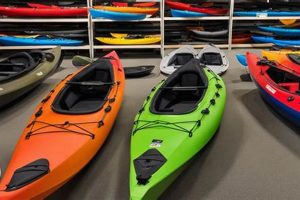
Kayak selection depends on the specific environment and trip objectives. Touring kayaks, designed for stability and storage capacity, are generally preferred for extended journeys. Sea kayaks offer enhanced performance in open water conditions.
Question 5: What environmental considerations are important?
Minimizing environmental impact is crucial. Adhering to Leave No Trace principles, packing out all trash, avoiding disturbance of wildlife, and respecting sensitive ecosystems are essential practices.
Question 6: How can one acquire the necessary skills for extended kayaking?
Formal instruction, guided trips, and practice in progressively challenging conditions develop essential skills. Building experience gradually enhances confidence and preparedness for extended adventures.
Thorough preparation and a commitment to safety are key to successful extended kayaking experiences. Addressing these common questions empowers individuals to make informed decisions and embark on rewarding journeys.
For further exploration of specific destinations, gear recommendations, and advanced paddling techniques, consult the following sections.
Extended Kayaking Adventures
This exploration of extended kayaking trips has highlighted the multifaceted nature of these endeavors, emphasizing the critical interplay of planning, preparation, specialized gear, safety consciousness, and environmental responsibility. From destination selection and advanced route mapping to the acquisition of essential skills and the adoption of Leave No Trace principles, each facet contributes significantly to the overall success and sustainability of these immersive journeys. The analysis underscores the distinction between casual paddling and the more demanding nature of extended expeditions, highlighting the need for a heightened awareness of potential challenges and a commitment to responsible practices on the water.
The potential rewards of extended kayaking adventures remain significant. These immersive experiences offer opportunities for personal growth, connection with nature, and exploration of remote and captivating environments. However, the pursuit of such rewards necessitates a corresponding commitment to responsible planning and execution. The future of extended kayaking hinges on the collective adoption of sustainable practices and a shared commitment to preserving the pristine environments that make these adventures possible. This necessitates ongoing education, responsible decision-making, and a proactive approach to minimizing human impact. The inherent challenges and rewards of extended kayaking remain inextricably linked, underscoring the importance of informed preparation and a deep respect for the natural world.