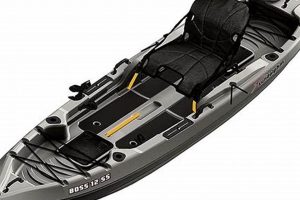
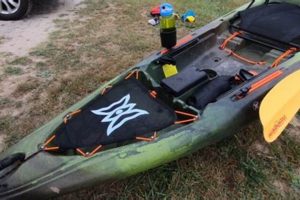
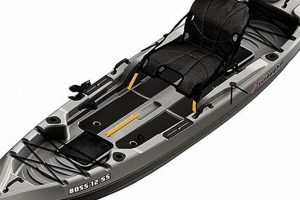
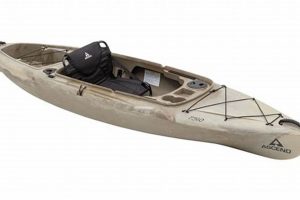
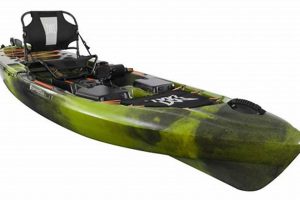
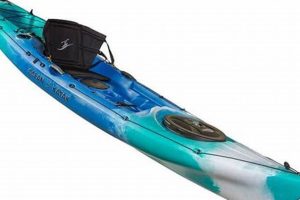
This phrase describes a specific type of kayak designed for anglers seeking a stable and accessible fishing platform. These kayaks feature an open deck, allowing users to sit on top rather than inside a cockpit. This design promotes ease of entry and exit, making them ideal for anglers who value maneuverability and prefer not to feel confined. The “for sale near me” element specifies the searcher’s intent to locate local vendors offering these specialized kayaks.
The popularity of this style of kayak stems from its practicality and versatility for fishing. The open design offers increased stability, allowing anglers to stand and cast with confidence. It also simplifies re-entry after an accidental fall overboard. Furthermore, the open deck facilitates easy customization with fishing accessories like rod holders, fish finders, and tackle storage. Historically, fishing kayaks were often adapted from general-purpose designs. However, the increasing demand for specialized fishing platforms led to the development and refinement of the sit-on-top style, which quickly gained prominence among fishing enthusiasts.
Understanding the nuances of this search term provides a framework for exploring the broader market of fishing kayaks. Topics such as choosing the right size and features, comparing different brands, and finding reputable local retailers will be further addressed. Additionally, considering factors like budget, fishing style, and intended waterways will be essential for making informed purchasing decisions.
Tips for Locating Sit-On-Top Fishing Kayaks
Locating the ideal fishing kayak requires careful consideration of various factors. These tips offer guidance for navigating the purchasing process.
Tip 1: Determine Desired Features: Consider essential features such as rod holders, storage compartments, and mounting points for fish finders. Evaluate specific fishing needs and preferences.
Tip 2: Research Reputable Brands: Explore established kayak manufacturers known for quality and durability. Compare models and read reviews from experienced anglers.
Tip 3: Specify Size and Weight Capacity: Select a kayak size appropriate for the angler’s physique and the intended fishing environment. Ensure the weight capacity accommodates the angler, gear, and potential catch.
Tip 4: Explore Local Retailers: Utilize online search engines and directories to locate nearby kayak dealers. Visiting local stores allows for in-person inspection and expert advice.
Tip 5: Compare Pricing and Availability: Request quotes from multiple retailers to compare prices and assess availability. Consider factors such as shipping costs and potential discounts.
Tip 6: Inquire About Warranties and Returns: Understand the warranty terms and return policies offered by retailers and manufacturers. This safeguards against potential defects or unforeseen issues.
Tip 7: Consider Transportation and Storage: Evaluate the logistics of transporting and storing the kayak. Factor in vehicle capacity and available storage space.
By following these guidelines, prospective buyers can streamline the selection process and locate a sit-on-top fishing kayak that aligns with individual needs and preferences. A well-chosen kayak enhances the fishing experience and provides years of reliable performance.
These preparatory steps pave the way for a satisfying purchase. The subsequent sections will delve into specific kayak models and offer further insights into optimizing on-the-water performance.
1. Kayak Stability

Kayak stability plays a crucial role in the desirability of sit-on-top fishing kayaks. Anglers frequently engage in activities that compromise balance, such as casting, reeling, and landing fish. A stable platform minimizes the risk of capsizing, ensuring angler safety and preserving valuable equipment. Sit-on-top designs inherently offer increased stability due to their wider beam and higher center of gravity compared to traditional sit-inside kayaks. This stability translates to increased angler confidence, enabling more effective fishing techniques. For example, anglers can confidently stand and cast in a stable sit-on-top kayak, expanding their fishing range and improving sight lines. Conversely, a less stable kayak restricts movement and limits fishing effectiveness.
The focus on stability directly impacts the “for sale near me” aspect of the search term. Potential buyers prioritize stability as a key purchasing criterion. Local retailers understand this demand and often showcase stable kayak models suitable for fishing. Demonstrations and trials offered by local dealers allow prospective buyers to experience kayak stability firsthand. This practical experience helps inform purchasing decisions and ensures angler satisfaction. Furthermore, local retailers can offer expert advice on kayak stability based on factors like water conditions and angler experience. This personalized guidance enhances the overall purchasing experience.
In summary, stability significantly influences the appeal of sit-on-top fishing kayaks. This attribute prioritizes angler safety, enhances fishing effectiveness, and directly impacts purchasing decisions. Understanding the importance of stability enables informed decision-making and contributes to a positive fishing experience. Challenges such as varying water conditions and individual angler skill levels further underscore the importance of stability considerations. By acknowledging these challenges, potential buyers can make well-informed choices that align with their specific needs and enhance their on-the-water experience.
2. Storage Capacity
Storage capacity represents a critical factor influencing the practicality and overall desirability of sit-on-top fishing kayaks. Anglers require ample space to store essential gear, including tackle boxes, fishing rods, safety equipment, and personal items. Adequate storage contributes to an organized and efficient fishing experience, allowing anglers to focus on the task at hand rather than managing equipment. This directly impacts the “for sale near me” aspect of the search, as prospective buyers prioritize storage solutions tailored to their specific fishing needs. Local retailers often showcase models with varying storage configurations, catering to diverse angler preferences.
- Tank Wells:
Recessed storage compartments, often located behind the seat, provide secure storage for larger items like tackle boxes and bait buckets. Tank wells often include bungee cords or lids to secure contents. The size and accessibility of tank wells directly influence an angler’s ability to organize and retrieve gear efficiently. Larger tank wells accommodate more equipment, simplifying longer fishing trips.
- Dry Storage Hatches:
Sealed compartments offer waterproof storage for sensitive items like electronics, wallets, and keys. These hatches safeguard valuables from water damage and contribute to peace of mind. The presence and size of dry storage hatches directly influence the kayak’s suitability for diverse fishing environments and weather conditions.
- Rod Holders:
Dedicated rod holders, typically integrated into the kayak’s hull or deck, secure fishing rods during transit and while fishing. Flush-mounted rod holders minimize line tangling and maximize deck space. The number and placement of rod holders dictate the angler’s ability to carry multiple rods rigged for different fishing techniques. Adjustable rod holders offer additional versatility, accommodating various rod lengths and fishing styles.
- Side Storage and Bungee Systems:
Open storage areas with bungee cords provide readily accessible storage for frequently used items like pliers, line cutters, and extra lures. These systems prioritize convenience and efficiency. The strategic placement and configuration of bungee systems directly impact the angler’s ability to quickly access essential tools without disrupting the fishing process.
These storage features collectively contribute to the overall functionality and desirability of sit-on-top fishing kayaks. By carefully evaluating storage options, prospective buyers can select models that align with their specific fishing needs and preferences. The availability of these features in locally available kayaks influences purchasing decisions. Understanding the nuances of kayak storage solutions allows anglers to maximize organization, efficiency, and overall fishing enjoyment. Furthermore, the “near me” aspect of the search underscores the importance of local retailers in providing access to kayaks equipped with suitable storage configurations.
3. Local Availability
The “near me” component within the search phrase “sit-on-top fishing kayaks for sale near me” directly emphasizes the critical role of local availability. This prioritization stems from several practical considerations. Transporting kayaks, particularly longer models, presents logistical challenges. Local availability minimizes transportation costs and complexities. Furthermore, local retailers offer opportunities for in-person inspection, enabling potential buyers to assess kayak features, stability, and overall quality firsthand. This tactile experience significantly influences purchasing decisions. For example, an angler seeking a kayak with specific storage configurations benefits from examining available models locally before committing to a purchase. Conversely, relying solely on online descriptions and images may lead to unforeseen discrepancies upon delivery.
Local availability extends beyond the initial purchase. Local retailers often provide essential services such as repairs, maintenance, and accessory installation. Establishing a relationship with a local kayak dealer fosters ongoing support and facilitates access to expert advice. This localized support network proves invaluable for addressing potential issues and optimizing kayak performance over time. For instance, a local retailer can assist with warranty claims, provide guidance on proper storage techniques, and offer insights into local fishing regulations. These services enhance the overall ownership experience and contribute to long-term angler satisfaction. Furthermore, local retailers often host events, workshops, and guided tours, fostering a sense of community among kayak enthusiasts.
In summary, local availability represents a pivotal element within the search phrase. It directly addresses practical considerations related to transportation, pre-purchase inspection, ongoing maintenance, and community engagement. The ability to physically interact with kayaks prior to purchase minimizes the risk of dissatisfaction and fosters informed decision-making. Furthermore, access to local support services enhances the ownership experience and contributes to the longevity of the kayak investment. Challenges such as limited local inventory or specialized retailer expertise underscore the importance of thorough research and proactive communication with local dealers. Addressing these challenges strengthens the connection between local availability and angler satisfaction, ultimately contributing to a positive and rewarding fishing experience.
4. Pricing Considerations
Price significantly influences purchasing decisions related to sit-on-top fishing kayaks. The “for sale near me” aspect implies a focus on local market dynamics, where pricing can vary based on retailer competition, inventory levels, and regional demand. Understanding the factors that influence kayak pricing empowers consumers to make informed choices aligned with budget constraints and desired features. This exploration delves into key pricing considerations relevant to locally available sit-on-top fishing kayaks.
- Material and Construction:
Kayak construction materials directly impact cost. Entry-level kayaks often utilize high-density polyethylene (HDPE), offering durability at a lower price point. Higher-end models may incorporate lighter, more durable materials like fiberglass or carbon fiber, resulting in increased performance but also a higher cost. For example, an HDPE kayak might range from $500 to $1000, while a comparable fiberglass model could cost $1500 or more. Local retailers can offer insights into the price-performance trade-offs associated with different construction materials.
- Features and Accessories:
Integrated features like rod holders, storage compartments, and adjustable seating systems influence pricing. Kayaks with more features and pre-installed accessories typically command higher prices. For example, a basic sit-on-top kayak with minimal features might cost less than a similarly sized model equipped with multiple rod holders, a built-in fish finder mount, and premium seating. Evaluating feature necessity versus cost helps optimize value within a given budget.
- Brand Recognition:
Established kayak brands often carry a price premium due to reputation, perceived quality, and warranty coverage. Less-known brands may offer comparable features at lower prices. Researching brand reputations and comparing warranties allows consumers to assess the value proposition associated with different brands available locally. Local retailers can provide insights into brand performance and customer satisfaction within the local fishing community.
- Retailer Markups and Promotions:
Retailer markups and promotional discounts influence final purchase prices. Comparing prices across local retailers and leveraging seasonal sales or clearance events can yield significant savings. Online marketplaces and direct-to-consumer brands may offer alternative pricing models, but often lack the personalized service and local expertise provided by brick-and-mortar retailers.
By considering these pricing facets, prospective buyers can navigate the local market effectively. Balancing desired features with budgetary constraints ensures a satisfying purchase that aligns with individual needs and financial limitations. Consulting with local retailers provides valuable insights into pricing trends, available promotions, and long-term value considerations, such as resale potential and maintenance costs. This comprehensive approach to pricing considerations optimizes the purchasing process and contributes to a positive ownership experience.
5. Material Durability

Material durability significantly impacts the lifespan and overall value of sit-on-top fishing kayaks. The “for sale near me” aspect of the search implies an intention to acquire a kayak for immediate use, highlighting the importance of selecting a durable craft capable of withstanding local environmental conditions and regular use. Understanding material properties empowers informed decision-making, ensuring long-term satisfaction and minimizing potential repair or replacement costs.
- Polyethylene:
High-density polyethylene (HDPE) represents a prevalent material in kayak construction due to its impact resistance, UV stability, and affordability. HDPE kayaks withstand impacts from rocks, submerged debris, and accidental drops. This robustness makes them suitable for diverse fishing environments, from rocky coastlines to calm lakes. The inherent UV resistance of HDPE prevents material degradation from prolonged sun exposure, extending kayak lifespan. While exceptionally durable, HDPE kayaks are heavier than composite alternatives, a factor to consider when transporting and maneuvering the kayak on land. Local retailers frequently offer a range of HDPE kayaks, catering to various budgets and fishing styles.
- Fiberglass:
Fiberglass kayaks offer enhanced performance characteristics compared to polyethylene, including lighter weight, increased stiffness, and improved responsiveness in the water. This translates to greater speed and efficiency, particularly advantageous for anglers covering larger distances. However, fiberglass requires more careful handling to avoid scratches and impacts that could compromise structural integrity. While generally durable, fiberglass is more susceptible to damage from sharp objects or significant impacts compared to HDPE. This necessitates greater care during transport and storage. Local retailers specializing in higher-end kayaks often showcase fiberglass models, emphasizing performance benefits for discerning anglers.
- Thermoformed Composites:
Thermoformed composites, such as ABS or ASA, offer a balance between durability and performance. These materials exhibit good impact resistance and UV stability while maintaining a lighter weight than HDPE. Thermoformed kayaks often represent a mid-range price point, appealing to anglers seeking a combination of durability and enhanced performance without the premium cost of fiberglass. Local retailers catering to intermediate and advanced anglers often feature thermoformed composite kayaks, highlighting their versatility and value proposition.
- Carbon Fiber:
Carbon fiber kayaks represent the pinnacle of performance, boasting exceptional lightness, stiffness, and responsiveness. These attributes translate to superior speed, maneuverability, and efficiency on the water. However, carbon fiber’s high cost and susceptibility to impact damage limit its practicality for everyday fishing applications. Carbon fiber kayaks are typically reserved for specialized anglers prioritizing performance above all else. Local retailers specializing in high-performance paddling equipment may offer carbon fiber kayaks, catering to a niche market of competitive anglers or experienced paddlers seeking the ultimate in on-water performance.
The chosen material directly impacts kayak longevity, performance characteristics, and overall cost. Evaluating material properties in relation to intended fishing environments and personal preferences ensures a well-informed purchase. Local retailers provide valuable insights into material suitability based on regional conditions and prevalent fishing styles. Considering these factors optimizes the purchasing process and contributes to a satisfying long-term ownership experience. Furthermore, understanding material durability empowers anglers to make informed decisions regarding proper kayak care and maintenance, maximizing the lifespan of their investment.
Frequently Asked Questions
This section addresses common inquiries regarding sit-on-top fishing kayaks available for purchase locally.
Question 1: What are the primary advantages of sit-on-top kayaks for fishing?
Sit-on-top kayaks offer enhanced stability, ease of entry and exit, and superior maneuverability compared to traditional sit-inside designs. These features benefit anglers by providing a secure platform for casting, facilitating quick re-entry after accidental submersion, and enabling navigation through shallow or obstacle-laden waterways.
Question 2: How does one determine the appropriate size and weight capacity for a fishing kayak?
Kayak size and weight capacity should align with the angler’s physique and anticipated gear load. Longer kayaks generally track straighter and offer more storage space, while shorter kayaks enhance maneuverability. Weight capacity should accommodate the combined weight of the angler, fishing gear, and potential catch. Consulting with local retailers allows for personalized recommendations based on individual needs and intended fishing environments.
Question 3: What key features should one consider when selecting a sit-on-top fishing kayak?
Essential features include rod holders, storage compartments, comfortable seating, and mounting points for fish finders or other accessories. Anglers should prioritize features that align with their specific fishing style and target species. For example, an angler targeting larger game fish might prioritize rod holders capable of accommodating heavy-duty rods and reels, while a fly fisherman might prioritize a stable platform for standing and casting.
Question 4: How does one locate reputable kayak dealers in their local area?
Online search engines, specialized kayak retailer directories, and local fishing forums provide resources for identifying nearby kayak dealers. Contacting local fishing clubs or angling organizations can also yield valuable recommendations based on community experience. Visiting local retailers allows for in-person kayak inspection and consultation with experienced staff.
Question 5: What are the typical price ranges for sit-on-top fishing kayaks?
Pricing varies based on material, features, brand reputation, and retailer markups. Entry-level HDPE kayaks typically range from $500 to $1,000, while higher-end models constructed from fiberglass or composite materials can exceed $2,000. Local retailers often offer promotional discounts or seasonal sales, providing opportunities for cost savings. Consider long-term value, including durability and potential resale value, when evaluating pricing.
Question 6: What maintenance considerations apply to sit-on-top fishing kayaks?
Regular rinsing with fresh water after each use removes salt, sand, and other debris that can degrade kayak materials over time. Storing the kayak out of direct sunlight prolongs material lifespan and prevents color fading. Periodic inspection for cracks, scratches, or loose fittings ensures timely repairs and maintains optimal kayak performance. Consulting local retailers or manufacturers provides specific maintenance recommendations based on kayak material and construction.
Addressing these frequently asked questions clarifies key considerations for prospective buyers seeking sit-on-top fishing kayaks within their local area. Prioritizing individual needs and conducting thorough research ensures a satisfying purchase that enhances the overall fishing experience.
The next section explores advanced techniques for customizing fishing kayaks to optimize on-water performance and personalize the angling experience.
Conclusion
This exploration of “sit-on-top fishing kayaks for sale near me” has highlighted key factors influencing purchasing decisions. Material durability, storage capacity, stability, pricing, and local availability all play crucial roles in selecting the optimal kayak. Understanding these elements empowers informed choices, aligning individual needs with available options within the local market. Careful consideration of these factors ensures a satisfying purchase and contributes to a positive long-term ownership experience.
The pursuit of an ideal fishing kayak necessitates a comprehensive understanding of both individual angling requirements and the diverse range of kayaks available locally. Prospective buyers are encouraged to engage with local retailers, conduct thorough research, and prioritize features aligned with specific fishing styles and target environments. This proactive approach maximizes the likelihood of acquiring a kayak that enhances fishing experiences for years to come. The evolving landscape of kayak design and technology promises further innovation, offering anglers even greater choices in the future.