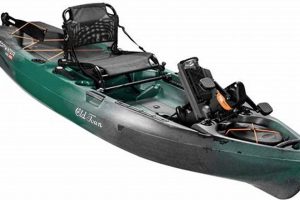
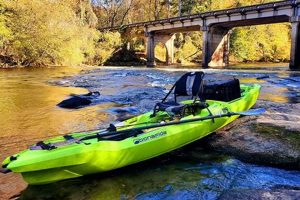
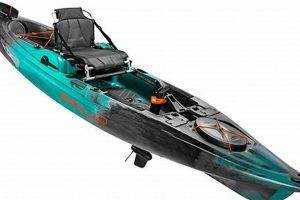
Selecting a top-tier fishing kayak involves considering various factors, including hull design (sit-on-top, sit-inside, inflatable), length, width, weight capacity, storage options, and features like rod holders, paddle clips, and anchor trolleys. Different kayaks cater to diverse fishing styles and environments, from calm lakes and rivers to challenging ocean conditions. For example, a shorter, wider kayak offers superior stability for still-water angling, while a longer, narrower design provides better tracking and speed for covering larger distances or navigating currents.
A suitable watercraft significantly enhances the angling experience. Improved stability and maneuverability allow anglers to access prime fishing spots, while integrated features optimize tackle organization and deployment. Historically, fishing from small, human-powered vessels has been a common practice across cultures. Modern advancements in materials and design have led to specialized kayaks that prioritize angler needs, maximizing comfort, efficiency, and overall fishing success. The development and refinement of these vessels reflect the ongoing pursuit of enhancing the sport.
This article will delve into specific kayak characteristics, popular models available on the market, and essential accessories to consider for a complete and successful fishing experience. It will also explore different fishing techniques adaptable to kayak angling and provide guidance on choosing the optimal vessel based on individual needs and preferences.
Tips for Choosing a Fishing Kayak
Careful consideration of individual needs and preferences is crucial when selecting a fishing kayak. Several factors influence this decision, impacting both comfort and angling success.
Tip 1: Prioritize Stability: Wider, shorter kayaks offer increased stability, essential for casting, reeling, and landing fish, especially in calm waters. Conversely, longer, narrower kayaks are better suited for covering distance and tracking in currents but may sacrifice stability.
Tip 2: Evaluate Hull Design: Sit-on-top kayaks offer superior stability and ease of entry/exit, making them ideal for warmer climates and calmer waters. Sit-inside kayaks provide better protection from the elements and increased storage, suitable for colder conditions and longer expeditions.
Tip 3: Consider Weight Capacity: Ensure the kayak’s weight capacity accommodates the combined weight of the angler, gear, and potential catch. Exceeding the limit compromises stability and performance.
Tip 4: Assess Storage Options: Ample storage space is crucial for carrying tackle, safety equipment, and personal belongings. Evaluate the size, accessibility, and dryness of storage compartments based on anticipated needs.
Tip 5: Examine Fishing-Specific Features: Look for features like rod holders, paddle clips, anchor trolleys, and transducer mounts designed to enhance the angling experience. Their placement and accessibility should be considered.
Tip 6: Factor in Transportation and Storage: Consider the kayak’s weight and dimensions in relation to available transportation and storage options. Heavier kayaks may require assistance or specialized transport systems.
Tip 7: Test Before Purchasing: Whenever possible, test paddle different kayak models to assess their stability, maneuverability, and comfort before making a final decision.
By carefully considering these tips, individuals can select a kayak tailored to their specific fishing needs and preferences, ensuring a comfortable and productive experience on the water.
In conclusion, choosing the right fishing kayak involves a thoughtful assessment of individual requirements and available options. The preceding information provides a foundation for making an informed decision and ultimately enhancing angling pursuits.
1. Stability

Stability stands as a cornerstone of effective kayak fishing. A stable platform is essential for various on-the-water activities, including casting, reeling, landing fish, and even entering or exiting the kayak. Compromised stability can lead to difficulties in these actions, potentially resulting in lost catches, gear mishaps, or even capsizing. The importance of stability is amplified when dealing with challenging conditions such as wind, currents, or the movement of a hooked fish. A stable hull design minimizes the impact of these external forces, maintaining a secure and predictable platform. For example, a wider, flatter hull design typically offers greater initial stability compared to a narrower, V-shaped hull, which prioritizes speed and tracking over primary stability.
Several design elements contribute to kayak stability. Hull width and shape play a primary role, with wider hulls generally providing more initial stability. Features like outriggers and pontoons can further enhance stability, particularly for anglers seeking additional security. Weight distribution also influences stability; a lower center of gravity contributes to a more stable feel. Understanding the interplay of these factors allows for informed decisions based on individual fishing styles and anticipated water conditions. For instance, anglers fishing in calm lakes or rivers may prioritize initial stability for stand-up casting, while those navigating ocean currents might prioritize secondary stability, the ability to remain upright when leaned or tilted.
Selecting a kayak with appropriate stability characteristics directly impacts fishing success and safety. Enhanced stability empowers anglers to focus on fishing techniques rather than constantly managing balance. It provides a secure platform for precise casting, effective hooksets, and controlled retrieval, ultimately leading to improved catch rates. Furthermore, a stable kayak increases safety margins, reducing the risk of capsizing and enhancing overall confidence on the water. Understanding the nuances of stability is therefore essential for choosing the optimal kayak for specific fishing needs and conditions. Prioritizing stability contributes significantly to a productive and enjoyable angling experience.
2. Maneuverability

Maneuverability represents a critical attribute influencing a fishing kayak’s effectiveness. The ability to navigate efficiently through diverse water conditions, including tight spaces, currents, and obstacles, directly impacts angling success. Precise maneuvering allows anglers to access prime fishing locations, position the kayak effectively for casting, and respond quickly to changing circumstances, such as following a hooked fish. A highly maneuverable kayak enhances an angler’s ability to exploit various fishing opportunities and adapt to dynamic aquatic environments. Consider, for instance, navigating a narrow, winding creek choked with fallen logs; a highly maneuverable kayak proves essential for accessing otherwise unreachable fishing spots.
Several factors influence kayak maneuverability. Hull design plays a significant role; shorter kayaks with a rockered hull (curved upward at the bow and stern) typically offer enhanced maneuverability compared to longer, flatter hulls designed for tracking in open water. Paddle length and blade shape also contribute; shorter paddles with wider blades provide greater control for quick turns and adjustments. Water conditions also play a part; strong currents or wind can impact maneuverability, demanding additional skill and a responsive kayak. Understanding these factors allows anglers to select the most suitable kayak for their intended fishing environment. For example, anglers targeting fish in mangrove tunnels or rocky shorelines require a highly maneuverable kayak capable of navigating tight spaces and sudden changes in direction, while those fishing in open lakes or bays might prioritize tracking and speed over intricate maneuverability.
Prioritizing maneuverability when selecting a fishing kayak contributes significantly to on-the-water effectiveness. A responsive kayak empowers anglers to navigate complex environments, access secluded fishing spots, and react efficiently to changing conditions. This translates to increased opportunities for successful angling and a more dynamic, engaging fishing experience. The ability to precisely control kayak position also plays a role in stealth, minimizing disturbance and increasing the chances of approaching fish undetected. Therefore, maneuverability, balanced appropriately with stability and other key characteristics, stands as a critical consideration when choosing the optimal kayak for specific fishing needs and locations.
3. Storage Capacity

Storage capacity represents a pivotal factor in determining a fishing kayak’s suitability. Adequate storage directly impacts an angler’s ability to carry essential gear, including tackle boxes, rods, safety equipment, and personal items. Insufficient storage can lead to compromised organization, limited carrying capacity, and potential safety risks due to gear overcrowding or improper weight distribution. The connection between storage capacity and a positive fishing experience is undeniable. For example, an angler venturing on a multi-day fishing trip requires significantly more storage space for camping gear, food, and water compared to an angler enjoying a short afternoon outing. A kayak’s storage capacity must align with the angler’s intended fishing style and trip duration.
Different kayak designs offer varying storage solutions. Sit-on-top kayaks often feature open storage wells and tank wells secured by bungee cords, offering convenient access but limited protection from the elements. Sit-inside kayaks frequently provide enclosed hatches and compartments, offering greater protection from water and weather but potentially less convenient access. The choice between these storage systems depends on individual preferences and anticipated fishing conditions. For instance, anglers fishing in calm, protected waters might prioritize open storage for easy access, while those venturing into rougher conditions or areas with significant wave action might prefer the security of enclosed compartments. Evaluating storage needs based on anticipated gear requirements and environmental conditions is essential for maximizing fishing efficiency and enjoyment.
Optimizing storage space contributes significantly to a productive and enjoyable fishing experience. Well-organized gear allows for efficient tackle changes, minimizing downtime and maximizing fishing time. Secure storage protects valuable equipment from damage and loss. Sufficient storage capacity allows anglers to carry all necessary items, including safety gear and personal belongings, promoting comfort and preparedness on the water. Therefore, careful consideration of storage capacity is paramount when selecting a fishing kayak, contributing directly to both functionality and overall angling success. Failing to address storage needs can lead to frustration, compromised safety, and a less than optimal experience on the water.
4. Comfort and Ergonomics
Comfort and ergonomics represent critical factors influencing the overall fishing kayak experience. Extended periods on the water demand a comfortable and supportive seating system to minimize fatigue and maximize angling enjoyment. Proper ergonomic design promotes efficient paddling, reduces strain, and enhances overall performance. Selecting a kayak prioritizing comfort and ergonomics contributes directly to a more productive and enjoyable fishing experience, particularly during longer outings. Neglecting these aspects can lead to discomfort, reduced fishing effectiveness, and potentially even physical strain or injury.
- Seat Design and Adjustability
Seat design plays a crucial role in angler comfort. Features like adjustable backrests, padded seating surfaces, and breathable fabrics enhance comfort and support, especially during extended fishing trips. An adjustable seat allows anglers to customize the seating position to accommodate individual body types and preferences, maximizing comfort and minimizing strain. A well-designed seat promotes proper posture, reducing fatigue and enhancing overall fishing enjoyment. For example, a kayak seat with adjustable lumbar support can significantly alleviate back strain during long hours on the water.
- Footrest Systems
Adjustable footrests contribute significantly to paddling efficiency and overall comfort. Proper foot placement allows for effective power transfer during paddling, reducing fatigue and increasing speed and control. Adjustable footrests accommodate varying leg lengths and paddling styles, ensuring optimal ergonomic positioning. Secure and comfortable footrests also enhance stability, particularly in rough water or when standing to cast. A well-designed footrest system contributes to both comfort and performance on the water. For instance, adjustable foot pegs allow anglers to maintain a comfortable and efficient paddling position regardless of their height or leg length.
- Deck Layout and Accessibility
A well-designed deck layout prioritizes accessibility and ease of use. Strategically placed rod holders, tackle storage compartments, and other essential gear within easy reach enhance fishing efficiency and minimize unnecessary movement. A clutter-free deck promotes safety and allows for unobstructed casting and reeling. Consideration of deck layout contributes to a more streamlined and enjoyable fishing experience. For example, a kayak with recessed rod holders keeps rods secure and out of the way while paddling, while readily accessible storage compartments eliminate the need to constantly reach for tackle boxes.
- Cockpit Design (Sit-Inside Kayaks)
For sit-inside kayaks, cockpit design significantly impacts comfort and ergonomics. A spacious cockpit provides ample legroom and freedom of movement, enhancing comfort during long fishing trips. A well-designed cockpit rim minimizes interference with paddling strokes and facilitates easy entry and exit. Features like adjustable thigh braces and backrests further enhance comfort and control, promoting a more enjoyable and efficient paddling experience. For instance, a larger cockpit opening can accommodate anglers of varying sizes and make it easier to enter and exit the kayak, while adjustable thigh braces provide additional support and control during paddling.
Comfort and ergonomics significantly influence the overall kayak fishing experience. Prioritizing these features ensures a comfortable and enjoyable time on the water, reducing fatigue and enhancing angling effectiveness. A comfortable and ergonomically designed kayak allows anglers to focus on fishing, maximizing their time and enjoyment on the water. Investing in a kayak that prioritizes these aspects contributes to a more rewarding and sustainable fishing pursuit.
5. Durability and Construction

Durability and construction represent critical factors influencing the long-term performance and value of a fishing kayak. A robust construction ensures the kayak withstands the rigors of regular use, including impacts, abrasion, and exposure to various environmental conditions. Selecting a durable kayak minimizes the risk of damage, reduces maintenance requirements, and ensures a reliable platform for angling pursuits. A kayak’s construction directly impacts its longevity and overall performance on the water, representing a key aspect of the “best kayak for fishing 2023” designation.
- Hull Material
Hull material significantly influences a kayak’s durability, weight, and performance characteristics. Common materials include high-density polyethylene (HDPE), rotomolded polyethylene, and fiberglass. HDPE offers excellent impact resistance and affordability, making it a popular choice for recreational kayaks. Rotomolded polyethylene provides enhanced durability and UV resistance, suitable for demanding conditions. Fiberglass offers superior strength and stiffness, resulting in lighter and more responsive kayaks but at a higher price point. The chosen hull material directly impacts the kayak’s ability to withstand impacts, abrasion, and UV exposure, influencing its long-term durability and performance.
- Construction Methods
Different construction methods impact a kayak’s structural integrity and resistance to damage. Rotomolding creates a seamless, one-piece hull with uniform thickness, offering excellent durability and impact resistance. Thermoforming involves molding sheets of plastic over a mold, resulting in a lighter but potentially less durable hull. Composite construction, utilizing materials like fiberglass or carbon fiber, provides superior strength and stiffness but requires more specialized manufacturing processes. The chosen construction method directly influences the kayak’s ability to withstand stress, impacts, and long-term wear and tear.
- Hardware and Fittings
The quality of hardware and fittings contributes significantly to a kayak’s overall durability and functionality. Corrosion-resistant stainless steel or marine-grade aluminum fittings ensure long-lasting performance in saltwater environments. Durable hatch covers and seals protect stored gear from water damage. Reinforced areas around seat mounts and other high-stress points enhance structural integrity. High-quality hardware and fittings contribute to a more reliable and long-lasting kayak, minimizing maintenance requirements and maximizing time on the water.
- UV Resistance
Exposure to ultraviolet (UV) radiation from sunlight can degrade kayak materials over time, leading to fading, cracking, and reduced structural integrity. UV-resistant coatings and additives incorporated into the hull material protect against sun damage, extending the kayak’s lifespan. Selecting a kayak with adequate UV protection ensures long-term durability and maintains its appearance and performance over time, particularly in regions with intense sunlight. Proper storage and maintenance practices further contribute to minimizing UV damage.
Durability and construction directly influence a fishing kayak’s long-term performance, value, and overall ownership experience. A robust and well-constructed kayak withstands the rigors of regular use, minimizing maintenance and maximizing time on the water. Choosing a kayak built with durable materials and employing proven construction methods ensures a reliable and long-lasting platform for pursuing angling passions. Therefore, durability and construction stand as critical considerations when selecting the “best kayak for fishing 2023,” contributing significantly to long-term satisfaction and angling success. Investing in a durable kayak translates to a more reliable, low-maintenance, and ultimately more enjoyable fishing experience.
6. Fishing-Specific Features
Dedicated features distinguish fishing kayaks from recreational models, elevating angling performance and overall experience. These specialized features directly contribute to a kayak’s suitability for fishing, impacting efficiency, organization, and overall success on the water. The presence and quality of these features play a significant role in determining the “best kayak for fishing 2023,” as they directly address the specific needs and demands of anglers. A kayak lacking these essential features may prove less effective and less enjoyable for serious fishing pursuits.
Several key fishing-specific features contribute significantly to a kayak’s angling performance. Integrated rod holders secure rods, freeing hands for paddling, landing fish, or other tasks. Tackle storage compartments provide organized storage for lures, lines, and other essential gear, maximizing efficiency and minimizing clutter. Anchor trolleys allow for precise anchor positioning, crucial for maintaining position in currents or wind. Paddle parks or leashes secure paddles when not in use, preventing loss and minimizing interference. These features, while seemingly minor, collectively enhance the overall fishing experience, contributing to increased efficiency, reduced frustration, and improved angling success. For example, an angler targeting specific structures requires precise boat control, achievable through an anchor trolley system; a kayak without this feature compromises the angler’s ability to maintain optimal position.
The inclusion of well-designed, fishing-specific features distinguishes top-tier fishing kayaks. These features represent a direct response to the unique needs of anglers, addressing practical challenges and enhancing on-the-water effectiveness. A comprehensive understanding of these features empowers informed purchasing decisions, aligning kayak selection with individual fishing styles and preferences. Ultimately, the presence and quality of fishing-specific features play a pivotal role in determining the “best kayak for fishing 2023,” contributing directly to enhanced angling performance, increased enjoyment, and overall success on the water. Failing to consider these specialized features may lead to a compromised fishing experience, hindering efficiency and limiting potential success.
Frequently Asked Questions
This section addresses common inquiries regarding the selection and use of fishing kayaks, providing concise and informative responses to facilitate informed decision-making.
Question 1: What differentiates a fishing kayak from a recreational kayak?
Fishing kayaks incorporate specialized features designed for angling, such as rod holders, tackle storage, anchor trolleys, and transducer mounts. They often prioritize stability over speed, facilitating casting and reeling. Recreational kayaks generally prioritize speed and maneuverability for general paddling activities.
Question 2: How does hull design influence kayak performance?
Hull design significantly impacts stability, maneuverability, and tracking. Wider, flatter hulls offer greater initial stability, while longer, narrower hulls enhance speed and tracking. A rockered hull (curved upward at the bow and stern) improves maneuverability in tight spaces and rough water.
Question 3: What are the advantages and disadvantages of sit-on-top versus sit-inside kayaks for fishing?
Sit-on-top kayaks offer superior stability, ease of entry/exit, and self-bailing capabilities, making them suitable for warmer climates and calmer waters. Sit-inside kayaks provide better protection from the elements and increased storage, suitable for colder conditions and longer expeditions but may feel less stable.
Question 4: How is kayak weight capacity determined, and why is it important?
Weight capacity represents the maximum combined weight of the angler, gear, and any potential catch the kayak can safely support. Exceeding this limit compromises stability and performance, potentially leading to capsizing. Manufacturers determine weight capacity through testing and calculations, and it is crucial to adhere to these limits for safe and effective kayak operation.
Question 5: What essential safety equipment should be considered for kayak fishing?
Essential safety equipment includes a personal flotation device (PFD), a whistle, a visual distress signal, a first-aid kit, and a communication device (e.g., VHF radio or waterproof cell phone). A bilge pump, paddle leash, and appropriate clothing for weather conditions are also highly recommended.
Question 6: How does one choose the appropriate paddle length for a kayak?
Appropriate paddle length depends on factors like angler height, kayak width, and paddling style. Retailers and manufacturers often provide sizing charts or online tools to help determine the optimal paddle length. Testing different paddle lengths can also aid in finding the most comfortable and efficient fit.
Careful consideration of individual needs, fishing style, and intended environment ensures selecting the optimal fishing kayak. The preceding information provides a foundational understanding of key aspects impacting kayak selection.
The next section will delve into specific kayak models and provide further guidance for choosing the “best kayak for fishing 2023” based on specific criteria and budget considerations.
Best Kayak for Fishing 2023
Choosing the best kayak for fishing in 2023 requires careful evaluation of several crucial factors. This article explored key elements impacting kayak selection, including stability, maneuverability, storage capacity, comfort, durability, and fishing-specific features. Each characteristic contributes significantly to on-the-water performance, angler safety, and overall fishing success. Understanding the interplay of these factors empowers informed decisions, aligning kayak choice with individual angling needs and preferences. Whether prioritizing stability for calm waters, maneuverability for navigating tight spaces, or ample storage for extended trips, the optimal kayak reflects a balance of these critical attributes.
The pursuit of the best fishing kayak represents an investment in enhanced angling experiences. A well-chosen vessel expands fishing opportunities, improves on-the-water efficiency, and maximizes enjoyment. As kayak technology continues to advance, anglers benefit from ongoing innovations in design, materials, and features. Ultimately, the “best kayak for fishing 2023” designation signifies a harmonious blend of performance, comfort, and durability, tailored to meet the unique demands of each angler’s pursuit. Continuous exploration of available options and careful consideration of individual needs remains crucial for maximizing angling success and enjoyment on the water.