Minnesota, renowned for its abundant lakes, offers exceptional opportunities for kayak anglers. Choosing the right lake involves considering factors such as target species, lake size and accessibility, and the presence of amenities like boat launches and nearby accommodations. A smaller, quieter lake might be ideal for anglers seeking panfish or bass in a tranquil setting, while larger lakes may offer the chance to pursue walleye, northern pike, or muskie. Researching lake-specific regulations and obtaining necessary licenses are essential steps in planning a successful fishing trip.
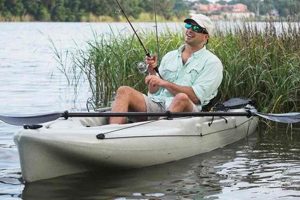
Kayak fishing provides distinct advantages in this landscape. The quiet, non-motorized approach allows anglers to access shallow waters and navigate through dense vegetation often inaccessible to larger boats, leading to increased fishing success. This method also minimizes disturbance to fish and preserves the natural tranquility of the environment. Furthermore, the low cost and ease of transport associated with kayaks make them a popular and accessible option for anglers of all skill levels. Historically, smaller watercraft have played a significant role in Minnesota fishing culture, and the modern kayak angler carries on this tradition with updated equipment and techniques.
Factors such as water clarity, depth, and the presence of specific aquatic vegetation contribute significantly to a lake’s suitability for kayak fishing. Additionally, understanding the seasonal patterns of fish behavior and adjusting fishing techniques accordingly is crucial for maximizing success. Subsequent sections will explore specific Minnesota lakes known for excellent kayak fishing, delve into appropriate gear and techniques, and provide guidance on responsible angling practices.
Tips for Kayak Fishing on Minnesota Lakes
Successful kayak fishing in Minnesota requires careful planning and execution. These tips offer guidance for a safe and productive experience.
Tip 1: Research Target Species and Lake Selection: Different lakes offer varying habitats suitable for different fish species. Researching the prevalent species in a given lake and understanding their habits informs effective lure and bait selection.
Tip 2: Prioritize Safety Equipment: A properly fitted personal flotation device (PFD) is essential. Carrying a whistle, signaling devices, and a first-aid kit enhances safety preparedness. Checking weather forecasts before embarking is crucial.
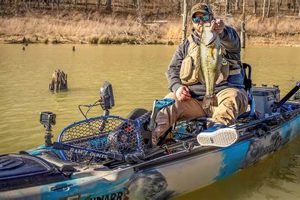
Tip 3: Utilize Appropriate Gear: Rods and reels designed for kayak fishing offer maneuverability and balance in a confined space. Selecting tackle appropriate for target species ensures effective presentation and retrieval.
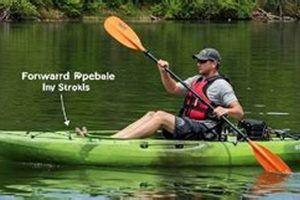
Tip 4: Master Kayak Control: Practice maneuvering the kayak efficiently using paddles or pedals. Understanding wind and current impact allows for precise positioning and drift control.
Tip 5: Employ Stealth Tactics: Kayaks offer a quiet approach, allowing anglers to get closer to fish. Minimizing noise and movement enhances fishing success, particularly in shallow water.
Tip 6: Respect Aquatic Ecosystems: Practicing catch-and-release conservation methods sustains fish populations. Properly disposing of fishing line and other waste minimizes environmental impact.
Tip 7: Plan for Changing Conditions: Minnesota weather can be unpredictable. Packing layers of clothing and being prepared for rain or temperature fluctuations ensures comfort and safety.
By adhering to these guidelines, anglers can maximize their chances of a rewarding and safe kayak fishing experience on Minnesota’s diverse lakes. These practices contribute not only to individual success but also to the long-term health and enjoyment of these valuable resources.
Careful planning and responsible angling practices contribute significantly to a successful and enjoyable experience. The following section will provide further resources and information for planning your next Minnesota kayak fishing adventure.
1. Lake Accessibility

Lake accessibility represents a critical factor in determining the suitability of a Minnesota lake for kayak fishing. Ease of access significantly influences the overall fishing experience, affecting everything from pre-fishing preparation to post-fishing departure. Evaluating accessibility requires considering multiple facets that contribute to convenient and efficient use of kayaks on Minnesota’s diverse waterways.
- Launch Sites:
The presence and quality of launch sites directly impact the ease of launching and retrieving a kayak. Improved launch sites, such as dedicated kayak launches or gently sloping shorelines, minimize difficulty and potential damage to equipment. Conversely, steep banks or the lack of designated launch areas can present challenges, particularly for solo anglers. For example, a lake with a well-maintained concrete ramp provides easy access compared to a lake requiring a portage through dense vegetation.
- Parking Availability:
Adequate parking near launch sites is crucial, especially during peak fishing seasons. Limited parking can lead to frustration and time wasted searching for alternative parking areas, detracting from valuable fishing time. The proximity of parking to the launch site also influences the ease of transporting gear and equipment. Lakes with ample parking close to the water’s edge offer superior convenience.
- Shoreline Characteristics:
The nature of the shoreline influences accessibility for anglers seeking specific fishing locations or needing to exit the water temporarily. Rocky or heavily vegetated shorelines can impede access and pose navigation challenges. Conversely, sandy or gradually sloping shorelines facilitate easier landing and exploration of shallower areas. This factor is particularly relevant for anglers targeting species that inhabit near-shore environments.
- Accessibility for Diverse Needs:
Accessible features such as adaptive launch facilities and accessible fishing piers broaden opportunities for anglers with disabilities. These features ensure inclusivity and allow individuals with mobility limitations to enjoy Minnesota’s kayak fishing resources. The availability of such accommodations further enhances the overall suitability of a lake for a wider range of anglers.
Considering these facets of lake accessibility is essential for selecting the best kayak fishing lakes in Minnesota. Prioritizing convenient access enhances the overall fishing experience, allowing anglers to focus on their primary objective: enjoying a productive and rewarding time on the water. A thorough evaluation of accessibility, in conjunction with other factors like fish populations and water conditions, contributes to a well-informed decision-making process and ultimately, a more enjoyable kayak fishing experience.
2. Target Species

Target species considerations are paramount when selecting among Minnesota’s best kayak fishing lakes. Different species exhibit distinct habitat preferences, influencing the ideal lake characteristics for a successful angling experience. Understanding these preferences allows anglers to strategically choose lakes that maximize their chances of encountering desired species. The following facets explore the relationship between target species and lake selection.
- Species-Specific Habitats:
Each fish species thrives in specific habitats within a lake ecosystem. Walleye, for example, often prefer deeper, cooler waters with rocky structures or submerged timber, while bass gravitate towards shallower, vegetated areas. Lake selection should align with the preferred habitat of the target species. Choosing a lake known for its deep-water structure increases the likelihood of encountering walleye, whereas a lake with abundant lily pads and shallow bays offers better prospects for bass fishing.
- Forage Availability:
The presence of adequate forage is essential to support healthy fish populations and attract target species. Understanding the primary food sources of the desired species informs lake selection. Lakes with abundant populations of crayfish, for example, attract smallmouth bass, while lakes rich in ciscoes support larger predatory fish like lake trout. Researching the forage base of a lake provides insights into the potential for encountering specific target species.
- Water Clarity and Depth:
Water clarity and depth influence both fish behavior and angling techniques. Clearer waters necessitate stealthier approaches and lighter lines, while murky waters may require the use of louder lures or live bait to attract fish. Depth influences the choice of fishing techniques, with deeper waters favoring vertical jigging or trolling, while shallower waters lend themselves to casting or topwater presentations. Matching these factors to the target species’ habits enhances fishing success. For instance, targeting muskie in dark, weedy waters requires different tactics than pursuing walleye in clear, deep lakes.
- Seasonal Patterns and Behavior:
Fish behavior changes throughout the year, influenced by factors such as water temperature, spawning cycles, and food availability. Understanding these seasonal patterns allows anglers to target specific lakes during periods when their desired species are most active. Spring, for example, offers excellent opportunities for crappie fishing in shallow, warming bays, while fall provides prime conditions for targeting muskie as they prepare for winter. Adapting lake selection and fishing techniques to these seasonal variations maximizes the potential for a successful outing.
By carefully considering the interplay between target species and lake characteristics, anglers can refine their lake selection process. Aligning lake choice with the preferred habitat, forage availability, water conditions, and seasonal behavior of target species significantly increases the probability of a rewarding kayak fishing experience on Minnesota’s diverse lakes. This focused approach not only enhances fishing success but also fosters a deeper appreciation for the intricate relationships within aquatic ecosystems.
3. Fish Abundance

Fish abundance directly correlates with a lake’s suitability for kayak angling. Higher fish populations generally translate to increased catch rates and a more rewarding fishing experience. While factors like angler skill and weather conditions influence fishing success, a lake with a robust fish population provides a fundamental basis for positive outcomes. This abundance stems from a complex interplay of environmental factors, including water quality, habitat availability, and effective fisheries management practices. For example, lakes with healthy aquatic vegetation and diverse invertebrate populations support a thriving food web, leading to higher fish densities. Conversely, lakes impacted by pollution or habitat degradation often exhibit diminished fish populations, impacting angling potential. Understanding this connection allows anglers to prioritize lakes known for their healthy and abundant fish stocks.
Assessing fish abundance often involves consulting lake surveys conducted by the Minnesota Department of Natural Resources (DNR). These surveys provide valuable data on fish species composition, population size, and growth rates, informing anglers about the potential for successful fishing in specific lakes. Furthermore, local fishing reports and online forums offer anecdotal evidence that supplements scientific data, providing real-time insights into current fishing conditions and species activity. For instance, consistent reports of high catch rates for walleye in a particular lake suggest a healthy and abundant walleye population, making it a potentially desirable destination for kayak anglers targeting this species.
The practical significance of understanding fish abundance lies in its ability to inform lake selection and maximize angling opportunities. By prioritizing lakes with documented high fish populations, anglers increase their chances of a productive and fulfilling experience. This knowledge, combined with an understanding of species-specific habitats and seasonal patterns, empowers anglers to make informed decisions about where and when to fish, ultimately contributing to a more successful and enjoyable time on the water. Furthermore, supporting sustainable fisheries management practices and advocating for habitat conservation ensures the long-term health and abundance of fish populations in Minnesota lakes, preserving these valuable resources for future generations of anglers.
4. Water Clarity
Water clarity significantly influences the suitability of a lake for kayak fishing in Minnesota. Clarity affects the ability of anglers to sight fish, impacting species selection and angling techniques. In clear water, sight fishing for species like bass or northern pike becomes a viable tactic, allowing anglers to observe fish behavior and precisely target their casts. Conversely, murky water necessitates alternative approaches, relying on lures that produce vibrations or scents to attract fish. The depth of visibility also dictates lure choice; brightly colored lures prove effective in stained water, while natural or subtle hues are preferred in clear water. For example, the clear waters of Lake Vermillion offer excellent sight-fishing opportunities, while the tannin-stained waters of the Boundary Waters Canoe Area Wilderness require different strategies. This understanding allows anglers to select appropriate gear and techniques based on the specific clarity conditions of the chosen lake.
Water clarity is influenced by a complex interplay of factors, including algae blooms, sediment runoff, and the presence of dissolved organic matter. Excessive algal growth, often fueled by nutrient runoff, reduces water clarity, impacting light penetration and oxygen levels. Sediment from erosion or agricultural runoff similarly clouds the water, limiting visibility and potentially affecting fish habitat. Dissolved organic matter, such as tannins from decaying vegetation, contributes to a tea-colored stain, reducing light penetration but often creating favorable habitat for certain species. Understanding these factors aids anglers in anticipating clarity levels and adapting their fishing strategies accordingly. For instance, heavy rainfall may lead to increased turbidity, influencing both fish behavior and lure effectiveness.
The practical significance of understanding water clarity lies in its ability to inform lake selection and optimize fishing success. By considering water clarity data available from sources like the Minnesota DNR or local fishing reports, anglers can choose lakes that align with their preferred fishing styles and target species. This knowledge empowers anglers to tailor their techniques, maximizing their chances of a productive and enjoyable experience. Furthermore, promoting water conservation practices and supporting initiatives that reduce pollution contribute to maintaining healthy water clarity levels in Minnesota lakes, preserving these valuable resources for future generations of anglers.
5. Kayak-Friendly Size
Kayak-friendly size represents a crucial factor in determining the suitability of a Minnesota lake for kayak angling. While Minnesota boasts numerous large lakes, their vastness can present challenges for kayak anglers, requiring significant paddling effort and potentially exposing them to unfavorable wind and wave conditions. Smaller lakes, or those with sheltered bays and coves, offer a more manageable and often safer environment for kayak fishing, allowing anglers to focus on fishing rather than battling challenging conditions. This manageable size allows for efficient exploration of different fishing spots and easier navigation to prime locations, enhancing the overall fishing experience.
- Reduced Paddling Distances:
Smaller lakes minimize the distances required to reach desirable fishing areas. This reduces physical exertion and allows anglers to spend more time fishing rather than paddling. For example, a smaller lake like Island Lake in northern Minnesota allows anglers to quickly navigate between various points and coves, while a larger lake like Lake of the Woods requires more extensive paddling to reach productive areas.
- Shelter from Wind and Waves:
Smaller lakes, or those with protected bays and inlets, offer refuge from strong winds and waves, which can be challenging and even dangerous for kayak anglers. Sheltered areas provide calmer waters, facilitating easier casting and retrieval of lines and enhancing overall stability. Larger, exposed lakes like Mille Lacs Lake can experience significant wave action, making kayak fishing challenging, whereas smaller lakes or sheltered bays within larger lakes provide a more manageable and safer environment.
- Enhanced Maneuverability:
Kayaks excel in navigating tight spaces and shallow waters, often inaccessible to larger boats. Smaller lakes with complex shorelines, inlets, and weed beds maximize the advantages of kayak maneuverability, allowing anglers to access prime fishing locations often overlooked by anglers in larger vessels. This precise navigation allows for targeted fishing in specific areas known to hold fish.
- Intimate Fishing Experience:
Smaller lakes often provide a more intimate and tranquil fishing experience. The absence of large motorboats and crowds enhances the quiet, immersive nature of kayak fishing, fostering a closer connection with the natural environment. This tranquil setting allows anglers to focus on the subtle nuances of fishing and appreciate the surrounding natural beauty.
Considering lake size in relation to kayak fishing enhances the potential for a successful and enjoyable outing. Prioritizing smaller, more manageable lakes, or focusing on sheltered areas within larger lakes, allows kayak anglers to maximize their advantages in maneuverability and stealth, contributing to a more productive and fulfilling experience. This strategic approach to lake selection, combined with a clear understanding of target species and water conditions, empowers anglers to optimize their time on the water and fully appreciate the unique benefits of kayak fishing in Minnesota.
6. Minimal Boat Traffic

Minimal boat traffic significantly contributes to the desirability of a lake for kayak fishing in Minnesota. Kayaks, by their nature, offer a quiet and less intrusive fishing experience. Excessive boat traffic, particularly from motorized vessels, disrupts this tranquility, creating noise pollution, increasing safety concerns, and potentially impacting fish behavior. Lakes with less boat activity offer a more serene and productive environment for kayak anglers, enhancing the overall experience.
- Reduced Noise and Disturbance:
Motorized boats generate considerable noise and wave action, disrupting the peaceful environment essential for successful kayak fishing. Constant noise can spook fish, making them less likely to bite. Kayak anglers benefit from quieter waters, where subtle sounds of nature and the quiet splash of a lure are less likely to be masked by engine noise. Lakes known for their tranquil settings, such as those within state parks or designated quiet areas, offer a more conducive environment for kayak fishing.
- Enhanced Safety:
Heavy boat traffic increases the risk of collisions and other safety hazards for kayak anglers. Kayaks, being smaller and less visible than motorized boats, are particularly vulnerable in congested waterways. Lakes with minimal boat traffic reduce these risks, providing a safer environment for navigating and maneuvering. For example, smaller, less-trafficked lakes within the Chippewa National Forest provide enhanced safety for kayak anglers.
- Improved Fishing Conditions:
Excessive boat traffic can negatively impact fish behavior. The constant noise and disturbance can scatter fish, making them harder to locate and catch. In quieter waters, fish are more likely to exhibit natural feeding patterns, increasing the chances of a successful fishing experience. Remote lakes accessible by portage or those with limited motorized access often offer superior fishing conditions due to reduced disturbance.
- Enhanced Appreciation of Nature:
Kayak fishing offers a unique opportunity to connect with nature. The absence of loud engines and the close proximity to the water enhance the immersive experience. Lakes with minimal boat traffic amplify this connection, allowing anglers to fully appreciate the sights and sounds of the natural environment. This tranquil setting contributes to a more relaxing and rewarding fishing experience. For instance, paddling a quiet lake at sunrise offers an unparalleled opportunity to observe wildlife and appreciate the serene beauty of Minnesota’s natural landscape.
The presence of minimal boat traffic enhances several key aspects of the kayak fishing experience, contributing to a more peaceful, safe, productive, and immersive encounter with nature. When evaluating potential kayak fishing destinations in Minnesota, prioritizing lakes known for their limited boat activity is crucial for anglers seeking a truly rewarding experience. This consideration, combined with other factors such as fish abundance, water clarity, and lake accessibility, ultimately determines the ideal kayak fishing location. Selecting lakes that prioritize non-motorized watercraft or have designated quiet areas can significantly improve the chances of a successful and enjoyable outing.
Frequently Asked Questions about Kayak Fishing in Minnesota
This section addresses common inquiries regarding kayak fishing in Minnesota, providing concise and informative responses to assist anglers in planning successful outings.
Question 1: What are the licensing requirements for kayak fishing in Minnesota?
Anglers require a valid Minnesota fishing license. Specific license types and regulations vary based on residency, age, and targeted species. Consulting the Minnesota Department of Natural Resources (DNR) website provides comprehensive licensing information.
Question 2: What essential safety equipment is recommended for kayak fishing?
A properly fitted personal flotation device (PFD) is paramount. Additional safety equipment includes a whistle, signaling devices, a first-aid kit, and a bilge pump or sponge. Checking weather forecasts prior to departure is crucial.
Question 3: How does one choose an appropriate kayak for fishing in Minnesota lakes?
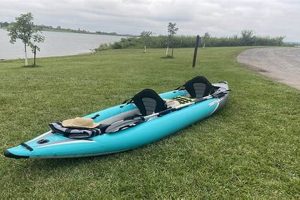
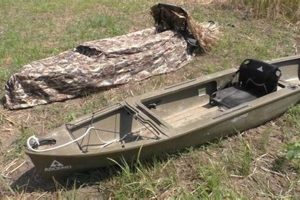
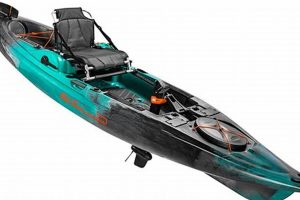
Kayak selection depends on individual preferences, fishing style, and target species. Factors to consider include stability, storage capacity, maneuverability, and compatibility with fishing accessories. Sit-on-top kayaks offer advantages in stability and ease of entry, while sit-inside kayaks provide greater protection from the elements. Specialized fishing kayaks often incorporate features like rod holders and anchor systems.
Question 4: Where can information on lake-specific regulations and access points be found?
The Minnesota DNR website provides detailed information on lake-specific regulations, including size limits, catch limits, and seasonal restrictions. This resource also offers information on public access points, boat launches, and other amenities.
Question 5: What are effective strategies for locating fish in Minnesota lakes from a kayak?
Effective strategies include understanding fish habitat preferences, using fish finders or depth maps, observing natural signs like bird activity or baitfish schools, and consulting local fishing reports. Adapting techniques based on water clarity, depth, and seasonal patterns enhances fish-finding success.
Question 6: How can anglers minimize their environmental impact while kayak fishing?
Practicing catch-and-release fishing, properly disposing of fishing line and other waste, avoiding disturbing sensitive habitats, and respecting wildlife contribute to minimizing environmental impact. Adhering to Leave No Trace principles ensures the preservation of Minnesota’s natural resources.
Careful consideration of these frequently asked questions contributes to a safer, more informed, and ultimately more rewarding kayak fishing experience in Minnesota. Thorough preparation empowers anglers to maximize their time on the water and enjoy the unique benefits of kayak fishing in Minnesota’s diverse lake environments.
The following section offers concluding thoughts and resources for further exploration.
Best Kayak Fishing Lakes in Minnesota
Navigating the abundance of options for kayak fishing in Minnesota necessitates careful consideration of various factors. Lake selection hinges on prioritizing specific criteria, including accessible launch sites, suitable habitat for target species, healthy fish populations, appropriate water clarity, manageable lake size, and minimal boat traffic. Understanding these elements allows anglers to tailor their approach, maximizing the potential for a successful and enjoyable experience. Balancing personal preferences with practical considerations ensures a fulfilling outing on the water.
Minnesota’s diverse lake ecosystems offer exceptional opportunities for kayak anglers. Thoughtful planning, responsible angling practices, and a commitment to conservation ensure the continued health and accessibility of these valuable resources. By embracing sustainable fishing practices and respecting the natural environment, anglers contribute to the preservation of Minnesota’s rich angling heritage for generations to come. Exploration of these diverse aquatic landscapes offers a rewarding pursuit for those seeking a unique and immersive fishing experience.