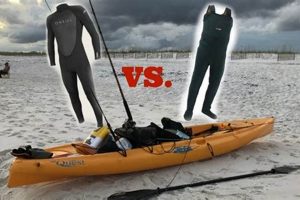
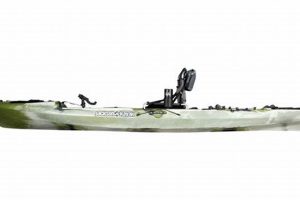
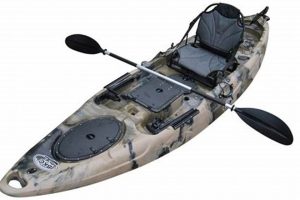
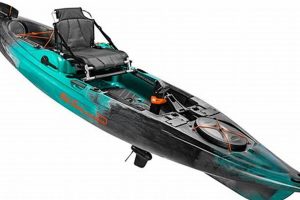
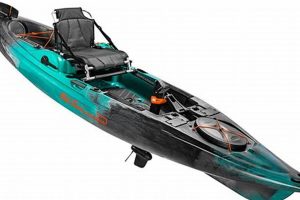
A high-quality two-person kayak designed for angling offers features like rod holders, ample storage for gear, and stability ideal for casting and reeling. Such vessels may include specialized seating, footrests, and even livewells or mounting points for fish finders.
Choosing an appropriate watercraft for shared fishing trips enhances the experience significantly. Key advantages include increased storage capacity compared to solo kayaks, shared paddling effort over longer distances, and the inherent camaraderie of a shared on-the-water adventure. The evolution of these vessels reflects advancements in materials and design, leading to lighter, more durable, and feature-rich options for anglers.
The following sections delve into crucial factors to consider when selecting such a craft, including hull design, materials, features, and top models available on the market.
Tips for Selecting a Two-Person Fishing Kayak
Choosing the right vessel for shared fishing excursions requires careful consideration of various factors. These tips offer guidance for making an informed decision.
Tip 1: Consider Hull Design. Hull design significantly impacts stability and maneuverability. A wider, flatter hull offers superior stability, ideal for calmer waters and stand-up fishing, while a longer, narrower hull provides better tracking and speed for covering greater distances.
Tip 2: Evaluate Materials. Common materials include polyethylene, fiberglass, and inflatable options. Polyethylene offers durability and affordability, fiberglass provides lighter weight and better performance, while inflatables offer portability and convenience.
Tip 3: Prioritize Features. Essential features include rod holders, storage compartments, comfortable seating, and adjustable footrests. Additional features like livewells, anchor trolleys, and transducer mounts enhance the fishing experience.
Tip 4: Assess Weight Capacity. Ensure the kayak’s weight capacity accommodates the combined weight of anglers, gear, and potential catch. Exceeding the capacity can compromise stability and performance.
Tip 5: Determine Budget. Prices vary significantly based on materials, features, and brand. Establishing a budget helps narrow down options and prioritize essential features.
Tip 6: Research Reviews and Ratings. Consulting online reviews and ratings from other anglers provides valuable insights into real-world performance and potential issues.
Tip 7: Consider Transportation and Storage. Factor in the kayak’s size and weight when planning transportation and storage. Roof racks, trailers, or inflatable options may be necessary.
Careful consideration of these factors ensures selection of a vessel optimized for comfortable and productive shared fishing experiences.
By following these guidelines, anglers can confidently select a kayak that meets their specific needs and enhances their enjoyment on the water.
1. Stability

Stability forms a cornerstone of a successful fishing experience, particularly in a two-person kayak. A stable platform allows for comfortable casting, reeling, and landing fish without compromising safety. This factor becomes even more critical when two individuals share a vessel, as their combined movements can significantly impact balance.
- Primary Stability:
Primary stability refers to a kayak’s initial resistance to tipping. A wider, flatter hull design typically provides higher primary stability, making it ideal for calm waters and stand-up fishing. This inherent stability allows anglers to shift weight and make casting motions without feeling precarious. A kayak with robust primary stability minimizes the risk of capsizing, especially for less experienced paddlers.
- Secondary Stability:
Secondary stability describes how a kayak behaves when leaned beyond its initial stability point. Kayaks with rounded or flared hulls offer higher secondary stability, providing a reassuring feel even when tilted. This characteristic becomes crucial when navigating rougher waters or dealing with unexpected shifts in weight distribution, such as when landing a large fish. Strong secondary stability allows the vessel to recover smoothly from leaning, minimizing the chances of a full capsize.
- Impact of Weight Distribution:
Proper weight distribution plays a vital role in maintaining stability. Evenly distributing gear and passengers within the kayak optimizes balance and minimizes the risk of tipping. Incorrect loading, such as concentrating weight at either end, can significantly compromise stability and maneuverability. Understanding weight distribution principles is crucial for safe and efficient operation, particularly in challenging conditions.
- Influence of Kayak Design:
Various design elements contribute to overall stability. Hull shape, width, and length all play a role, as do features like outriggers or pontoons. Selecting a kayak with a design optimized for stability is essential for a secure and comfortable fishing experience. Considering these design factors and their interaction with anticipated water conditions is paramount for making informed decisions.
Choosing a tandem fishing kayak with appropriate stability characteristics ensures a safe and enjoyable experience on the water. Prioritizing stability alongside other factors like capacity and maneuverability ultimately contributes to a successful and productive fishing trip.
2. Capacity
Capacity, encompassing both weight and storage, represents a critical factor in evaluating tandem fishing kayaks. Weight capacity directly dictates the combined permissible weight of passengers, gear, and any potential catch. Exceeding this limit compromises stability and performance, increasing the risk of capsizing or making the kayak difficult to maneuver. Storage capacity, encompassing dedicated compartments and open deck space, determines the amount of gear that can be comfortably and securely transported. Ample storage allows anglers to carry essential equipment like rods, tackle boxes, safety gear, and personal items without sacrificing space or stability.
Consider a scenario involving two anglers planning an extended fishing trip. They require sufficient space for multiple rods, tackle boxes, a cooler, and camping gear. A tandem kayak with a higher weight capacity and generous storage compartments becomes essential for accommodating these needs. Conversely, a smaller, lighter kayak might suffice for shorter trips with minimal gear. A kayaks capacity must align with the intended use and the anticipated load. Failing to consider capacity limitations can lead to an overloaded vessel, compromising safety and negatively impacting the fishing experience. For example, insufficient storage can lead to gear becoming wet or damaged, while exceeding the weight capacity can result in instability and difficulty maneuvering, particularly in challenging conditions.
Understanding capacity limitations and selecting a kayak appropriate for intended needs forms a crucial aspect of responsible kayak ownership. Careful consideration of both weight and storage capacity ensures a safe, comfortable, and productive fishing experience. Balancing capacity with other factors such as stability and maneuverability ultimately contributes to choosing the optimal vessel for specific fishing requirements.
3. Maneuverability

Maneuverability represents a crucial aspect of tandem fishing kayak performance, directly impacting the ability to navigate diverse water conditions and access prime fishing locations. A highly maneuverable vessel allows anglers to efficiently navigate tight corners, shallow waters, and obstacle-laden areas, maximizing access to productive fishing spots. Conversely, a less maneuverable kayak can hinder movement, limiting exploration and potentially diminishing fishing success.
Several factors influence a tandem kayak’s maneuverability. Hull design plays a significant role; shorter kayaks with a rockered hull (curved upwards at the bow and stern) tend to turn more easily than longer, flatter-hulled vessels. The kayak’s weight also contributes; lighter kayaks are generally easier to maneuver than heavier ones. Water conditions also play a part; calm, flat water allows for greater maneuverability compared to choppy or fast-flowing currents. For example, a shorter, lighter kayak with a rockered hull proves advantageous when navigating a narrow, winding creek, while a longer, more stable kayak may be preferred for open-water fishing in larger lakes or bays. The choice of paddle type also impacts maneuverability; shorter, wider paddles offer greater control for quick turns, while longer, narrower paddles provide more power for straight-line paddling.
Understanding the factors that influence maneuverability and selecting a tandem fishing kayak appropriate for anticipated water conditions and fishing styles enhances on-the-water performance. Prioritizing maneuverability, particularly when fishing in confined spaces or navigating complex waterways, contributes significantly to a successful and enjoyable fishing experience. Balancing maneuverability with stability and capacity ensures the chosen vessel aligns with specific fishing requirements. Failure to consider maneuverability can lead to difficulties navigating challenging waters, potentially limiting access to desirable fishing locations and diminishing overall fishing success.
4. Features (rod holders, storage)

Specialized features distinguish a standard tandem kayak from one optimized for fishing. Rod holders, a crucial component, secure fishing rods, freeing hands for paddling, baiting hooks, and landing fish. Various rod holder types exist, including flush-mounted, adjustable, and rotating models, each offering distinct advantages depending on fishing style and target species. Storage compartments, equally vital, accommodate tackle boxes, fishing gear, and personal items, ensuring readily accessible equipment and a clutter-free deck. Storage options range from sealed hatches and tank wells to bungee systems and integrated storage bags. The thoughtful integration of these features directly impacts fishing efficiency and overall enjoyment.
Consider a scenario involving two anglers trolling for fish. Integrated rod holders allow them to maintain multiple lines in the water while simultaneously controlling the kayak’s movement. Easily accessible storage compartments ensure swift retrieval of necessary tackle adjustments without disrupting the fishing rhythm. Conversely, a lack of dedicated rod holders necessitates holding rods constantly, leading to fatigue and reduced responsiveness. Insufficient storage can create a chaotic deck, increasing the risk of tangled lines and lost equipment. These practical examples illustrate the direct impact of specialized features on fishing success and overall experience.
Optimal rod holder and storage configurations vary depending on individual fishing styles and target species. Anglers targeting larger game fish may prioritize heavy-duty rod holders and ample storage for specialized gear. Kayak anglers focusing on lighter tackle might prefer adjustable rod holders and smaller, easily accessible storage compartments. Understanding the interplay between these features and individual fishing needs allows for informed decisions, optimizing kayak selection and enhancing on-the-water performance. A well-equipped fishing kayak maximizes efficiency, minimizes frustration, and ultimately contributes to a more productive and enjoyable angling experience.
5. Material (polyethylene, fiberglass)

Material selection significantly influences the performance, durability, and cost of a two-person fishing kayak. Polyethylene, a common choice, offers excellent impact resistance and durability, making it suitable for navigating rocky rivers and shallow waters. Its affordability makes it accessible to a wide range of anglers. However, polyethylene kayaks tend to be heavier than other materials, potentially impacting maneuverability and transportation. Fiberglass, a higher-end option, provides superior strength-to-weight ratio, resulting in lighter, faster, and more responsive kayaks. Fiberglass construction also allows for more refined hull designs, enhancing performance characteristics. However, fiberglass kayaks typically come at a higher price point and require more careful handling to prevent damage from impacts.
Consider a rocky river environment. A polyethylene kayak withstands impacts and abrasions with minimal damage, ensuring long-term durability in demanding conditions. Conversely, a fiberglass kayak, while offering superior performance, might sustain damage more easily in such an environment. On open water, a fiberglass kayak’s lighter weight and enhanced performance characteristics become advantageous, allowing for faster paddling and more efficient maneuvering. Understanding the trade-offs between material properties, performance characteristics, and cost is crucial for informed decision-making.
Material selection directly impacts long-term maintenance requirements. Polyethylene kayaks require minimal maintenance, typically needing only basic cleaning and occasional inspections. Fiberglass kayaks, while generally durable, may require more specialized repairs if damaged. The potential for gelcoat cracking and delamination necessitates careful handling and regular maintenance to ensure longevity. Choosing a material aligned with individual usage patterns and maintenance preferences contributes to a satisfying ownership experience. Ultimately, selecting the appropriate material requires careful consideration of intended use, budget constraints, and desired performance characteristics, ensuring the chosen kayak aligns with the angler’s specific needs and priorities.
6. Comfort (seating, adjustability)

Comfort plays a pivotal role in the overall fishing experience, particularly during extended outings on a tandem kayak. Proper seating and adjustability features directly impact fatigue levels, focus, and ultimately, fishing success. A comfortable seating system allows anglers to maintain optimal posture and reduces strain on the back, legs, and core muscles, enabling prolonged periods on the water without discomfort. Adjustability options allow individual customization based on body type and fishing style, optimizing comfort and performance for both paddlers.
- Seat Design and Materials:
Seat design and materials significantly influence comfort levels. High-backed seats with ample padding provide crucial support, minimizing pressure points and enhancing overall comfort. Breathable materials promote airflow, reducing heat buildup and perspiration during warmer weather. A well-designed seat conforms to the body’s contours, distributing weight evenly and reducing strain during extended paddling and fishing sessions.
- Adjustability Features:
Adjustable features, including seat height, back angle, and leg length adjustments, allow customization for individual preferences and body types. Adjustable backrests accommodate varying postures, providing lumbar support and promoting proper spinal alignment. Adjustable foot braces or pedals ensure optimal leg positioning for efficient paddling and stability. These features cater to diverse physical needs, maximizing comfort and minimizing fatigue during long hours on the water.
- Impact on Fishing Performance:
Comfort directly impacts fishing performance. Reduced fatigue and discomfort allow anglers to maintain focus and react quickly to fishing opportunities. A comfortable and stable seating position enhances casting accuracy and control, particularly when standing or making dynamic casting motions. Proper seating also contributes to overall balance and stability, essential for safe and successful fishing in various conditions. Discomfort, conversely, can lead to distraction, reduced reaction time, and compromised fishing technique.
- Long-Term Considerations:
Investing in a tandem kayak with comfortable and adjustable seating yields long-term benefits. Reduced strain and fatigue contribute to a more enjoyable and sustainable fishing experience, encouraging continued participation in the sport. Proper ergonomic support minimizes the risk of developing back pain or other musculoskeletal issues associated with prolonged periods in a seated position. Prioritizing comfort during kayak selection contributes to long-term health and well-being, ensuring sustained enjoyment of the activity for years to come.
Selecting a best fishing tandem kayak requires careful consideration of comfort and adjustability features. Prioritizing these aspects ensures a more enjoyable, productive, and sustainable fishing experience. A well-designed and adjustable seating system contributes significantly to angler comfort, reduces fatigue, and ultimately enhances overall performance on the water. The interplay of these factors contributes to a successful and rewarding fishing experience, encouraging continued exploration and enjoyment of the sport.
Frequently Asked Questions
This section addresses common inquiries regarding the selection and use of two-person fishing kayaks.
Question 1: What are the key advantages of a tandem fishing kayak over two solo kayaks?
Tandem kayaks offer increased storage capacity, shared paddling effort over longer distances, and enhanced stability compared to two solo kayaks. They also promote a shared experience on the water.
Question 2: How does hull design impact the performance of a tandem fishing kayak?
Hull design significantly influences stability and maneuverability. Wider hulls offer enhanced stability, while longer, narrower hulls prioritize speed and tracking.
Question 3: What materials are commonly used in the construction of tandem fishing kayaks, and what are their respective benefits?
Common materials include polyethylene (durable and affordable), fiberglass (lightweight and high-performing), and inflatable options (portable and convenient). Each material presents distinct advantages and disadvantages regarding durability, performance, and cost.
Question 4: What essential features should one look for in a tandem fishing kayak?
Essential features include rod holders, ample storage compartments, comfortable and adjustable seating, and sufficient weight capacity for passengers and gear.
Question 5: How does one determine the appropriate weight capacity for a tandem fishing kayak?
Weight capacity should accommodate the combined weight of all passengers, gear, and potential catch. Exceeding the specified capacity compromises stability and performance.
Question 6: What are the key maintenance considerations for different kayak materials?
Polyethylene kayaks require minimal maintenance, while fiberglass kayaks may necessitate more specialized care to prevent gelcoat cracking and delamination.
Careful consideration of these frequently asked questions equips prospective buyers with the knowledge necessary for making informed decisions regarding tandem fishing kayak selection and usage.
The next section offers a comprehensive guide to top-rated tandem fishing kayaks available on the market.
Conclusion
Careful selection of a two-person fishing kayak hinges upon a comprehensive understanding of key factors influencing performance and angler satisfaction. Hull design dictates stability and maneuverability, impacting navigation and fishing success in diverse water conditions. Material choice, encompassing polyethylene and fiberglass options, presents trade-offs between durability, weight, and cost. Features such as rod holders and storage compartments enhance fishing practicality and efficiency. Prioritizing comfort, through adjustable seating and ergonomic design, ensures prolonged enjoyment on the water. Capacity considerations, encompassing both weight and storage limitations, directly impact safety and practicality. A thorough evaluation of these interconnected elements empowers informed decision-making.
Ultimately, choosing the optimal vessel requires a nuanced understanding of individual fishing styles, target species, and anticipated water conditions. A balanced approach, considering performance characteristics alongside personal preferences, ensures a rewarding and productive fishing experience. Investing time in research and careful selection yields long-term benefits, maximizing enjoyment and fostering a deeper appreciation for the sport.