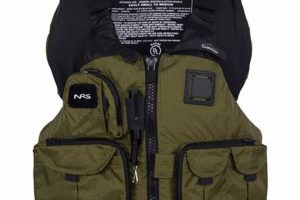
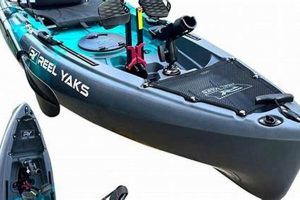
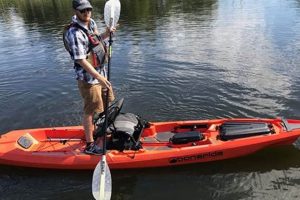
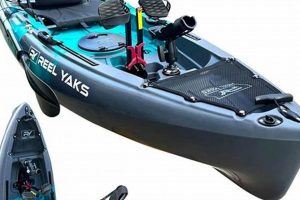
Top-tier manufacturers of kayaks designed for angling represent a significant segment of the recreational fishing market. These specialized watercraft are engineered with features like rod holders, tackle storage, and stability enhancements to optimize the fishing experience. Examples include integrated fish finders, livewells, and comfortable, adjustable seating designed for long hours on the water.
Choosing a high-quality fishing kayak significantly impacts angler success and enjoyment. A stable and well-equipped vessel allows for greater focus on fishing techniques and reduces distractions caused by discomfort or inadequate gear storage. Historically, anglers relied on traditional boats or less specialized kayaks. The development of dedicated fishing kayaks has revolutionized the sport, providing increased access to diverse waterways and a more personalized, immersive experience.
The following sections will delve into specific attributes to consider when evaluating these specialized watercraft, including hull design, propulsion systems, and essential features for various fishing styles. Understanding these factors will empower anglers to select the optimal kayak for their individual needs and preferences.
Tips for Selecting a Fishing Kayak
Choosing a fishing kayak requires careful consideration of various factors to ensure optimal performance and angler satisfaction. The following tips offer guidance for navigating the selection process.
Tip 1: Consider Hull Design: Kayak hull designs significantly impact stability and maneuverability. A wider, flatter hull provides greater stability, ideal for calm waters and stand-up fishing. A longer, narrower hull offers better tracking and speed, suited for covering larger distances and paddling in currents.
Tip 2: Evaluate Propulsion Systems: Paddle kayaks offer a traditional, immersive experience and excellent exercise. Pedal-driven kayaks free up hands for fishing and provide greater speed and efficiency. Motorized kayaks offer the greatest range and speed but require battery management and maintenance.
Tip 3: Assess Storage Capacity: Adequate storage is crucial for carrying tackle, gear, and catches. Consider the size and accessibility of storage compartments, including dry storage for electronics and valuables.
Tip 4: Prioritize Comfort and Adjustability: A comfortable seat and adjustable features like footrests and backrests contribute to a more enjoyable fishing experience, particularly during long outings.
Tip 5: Factor in Fishing Style: Different fishing styles benefit from specific kayak features. Anglers targeting larger game fish may prefer a kayak with greater stability and rod holders designed for heavy-duty tackle. Kayak anglers fishing in shallow water may prioritize maneuverability and a shallow draft.
Tip 6: Research Reputable Manufacturers: Reputable manufacturers prioritize quality construction, durable materials, and innovative designs. Researching brands with a strong track record ensures a reliable and long-lasting investment.
Tip 7: Set a Budget: Fishing kayaks range in price depending on features and materials. Establishing a budget beforehand helps narrow down options and ensures a cost-effective purchase.
By carefully considering these factors, anglers can select a fishing kayak that optimizes their on-the-water experience and enhances their fishing success. These tips offer a framework for making informed decisions and maximizing enjoyment on the water.
The following section will conclude with a summary of key takeaways and reinforce the importance of selecting the right fishing kayak.
1. Reputation

Reputation plays a pivotal role in discerning top-tier fishing kayak brands. A strong reputation often signifies consistent quality, reliable performance, and positive customer experiences. This trust, built over time, stems from factors such as durable construction, innovative design, responsive customer service, and warranty support. A manufacturer’s reputation can significantly influence purchasing decisions, as it provides a measure of confidence in the product’s longevity and the brand’s commitment to customer satisfaction. For example, brands like Wilderness Systems and Old Town have cultivated strong reputations through decades of producing high-quality kayaks known for their durability and performance. Conversely, brands with poor reputations, often marked by frequent quality issues, inadequate customer service, or safety concerns, may deter potential buyers. The cause-and-effect relationship is clear: positive experiences foster a strong reputation, while negative experiences erode trust.
The practical significance of understanding a brand’s reputation is substantial. Investing in a fishing kayak represents a significant financial commitment, and a reputable brand offers a degree of assurance regarding the product’s quality and performance. Researching online reviews, consulting with experienced kayak anglers, and seeking expert opinions can provide valuable insights into a brand’s reputation. This information empowers consumers to make informed decisions, minimizing the risk of purchasing a subpar product. Furthermore, a strong reputation often translates to better resale value, should the owner decide to upgrade or sell their kayak in the future.
In summary, reputation serves as a crucial indicator of quality and reliability within the fishing kayak market. It represents the culmination of a brand’s history, product performance, and customer interactions. By prioritizing reputable manufacturers, anglers can increase their likelihood of acquiring a durable, well-designed kayak that provides years of enjoyment on the water. This understanding empowers informed decision-making and contributes to a more positive overall fishing experience.
2. Durability

Durability stands as a cornerstone of quality in fishing kayaks and significantly influences a brand’s inclusion among the best. A kayak’s ability to withstand harsh environmental conditions, impacts, and regular wear-and-tear directly impacts its lifespan and overall value. This resilience stems from factors such as material selection (e.g., high-density polyethylene, rotomolded plastic), construction methods, and reinforcement in high-stress areas. Cause and effect are readily apparent: kayaks constructed with durable materials and robust manufacturing processes exhibit greater longevity and require less frequent repairs, whereas kayaks built with inferior materials or compromised construction are prone to damage and premature failure. For example, brands like Jackson Kayak and Vibe Kayaks are known for their robust construction and use of high-quality materials, contributing to their reputation for durability.
The importance of durability as a component of “best fishing kayak brands” cannot be overstated. Fishing kayaks are subjected to considerable stress from UV exposure, saltwater corrosion, impacts with rocks and other obstacles, and the general wear-and-tear of transport and use. A durable kayak retains its structural integrity and performance characteristics over extended periods, ensuring a safe and enjoyable fishing experience. This long-term reliability reduces the need for costly repairs or replacements, ultimately representing a greater return on investment for the angler. Consider a scenario where two anglers purchase kayaks at similar price points; one chooses a kayak from a brand known for its durability, while the other opts for a less durable option. Over time, the less durable kayak may require repairs, potentially resulting in lost fishing time and additional expenses, while the durable kayak continues to perform reliably. This underscores the practical significance of prioritizing durability.
In conclusion, durability serves as a critical differentiator among fishing kayak brands. It represents a tangible measure of quality and directly impacts the kayak’s lifespan, performance, and overall value. Anglers prioritizing durability benefit from a more reliable, long-lasting investment, minimizing the risk of disruptions caused by damage and repairs. This contributes to a more positive and rewarding fishing experience, solidifying the link between durability and a brand’s recognition among the best in the industry.
3. Stability

Stability represents a critical performance attribute differentiating leading fishing kayak brands. A stable platform directly influences angler safety, comfort, and fishing effectiveness. This characteristic becomes paramount during activities such as casting, retrieving fish, and navigating challenging water conditions. The following facets explore key components contributing to kayak stability and their connection to top-tier brands.
- Hull Design:
Hull design significantly impacts stability. Wider, flatter hulls offer greater initial stability, making them ideal for calm water and stand-up fishing. Conversely, narrower hulls, while less stable initially, often provide superior secondary stability the ability to resist capsizing when leaned. Brands renowned for stability often offer diverse hull designs catering to various fishing styles and water conditions. For instance, Hobie’s Mirage Pro Angler series utilizes a wide, flat hull for maximum stability, while Wilderness Systems’ Tarpon series balances stability with maneuverability through a moderate hull design.
- Center of Gravity:
A lower center of gravity enhances stability. Kayak design elements, including seat placement and hull shape, influence the center of gravity. Brands prioritizing stability often incorporate design features that lower the center of gravity, improving balance and reducing the likelihood of tipping. Adding weight, such as anglers and gear, also affects the center of gravity. Proper weight distribution within the kayak is crucial for maintaining optimal stability. For example, distributing gear evenly throughout the hull rather than concentrating it in one area enhances overall stability.
- Water Conditions:
Prevailing water conditions, including wind, waves, and currents, significantly influence kayak stability. Kayaks designed for rougher conditions typically feature enhanced stability characteristics. Understanding the intended use environment is crucial when selecting a fishing kayak. Brands specializing in kayaks for offshore fishing, such as Bonafide Kayaks, often incorporate features like higher sides and increased displacement to enhance stability in challenging open-water conditions. Conversely, kayaks intended for calm lakes and rivers may prioritize maneuverability over extreme stability.
- Angler Input:
Angler actions, such as shifting weight, standing, and casting, dynamically impact kayak stability. Maintaining a balanced posture and smooth movements contributes to stability. Experience and proper paddling technique also play significant roles. Brands catering to novice anglers often prioritize stability through design features that minimize the impact of angler movements. For example, wider, more stable platforms reduce the effects of sudden weight shifts, providing a more forgiving experience for less experienced paddlers.
In summary, stability forms a crucial pillar supporting the designation of “best fishing kayak brands.” Understanding the interplay between hull design, center of gravity, water conditions, and angler input empowers informed decisions. Top-tier brands prioritize stability through thoughtful design and construction, catering to diverse fishing styles and water environments. By carefully considering these factors, anglers can select a kayak that offers both optimal stability and a safe, enjoyable fishing experience.
4. Features
Distinguishing features significantly contribute to a fishing kayak brand’s recognition among the best. These specialized design elements enhance angler performance, comfort, and overall fishing experience. Careful consideration of these features is crucial in the selection process. The following facets explore key features commonly found in top-tier fishing kayaks.
- Rod Holders:
Rod holders are essential for securing fishing rods, allowing anglers to manage multiple lines or prepare tackle without constantly holding rods. Various types of rod holders exist, including flush-mounted, adjustable, and rotating models. Brands like YakAttack and Scotty offer a wide range of aftermarket rod holders that can be added to kayaks, further customizing the fishing setup. The number, placement, and type of rod holders directly impact fishing efficiency and convenience. Top-tier brands often incorporate multiple rod holders strategically positioned for various fishing techniques.
- Storage Options:
Ample storage is crucial for stowing tackle, safety gear, and personal items. Storage compartments, hatches, and tank wells offer secure and organized storage solutions. Brands like Wilderness Systems and Old Town incorporate innovative storage systems, such as removable bins and dry storage compartments, to protect valuable equipment from water damage. The size, accessibility, and water resistance of storage compartments directly impact an angler’s ability to carry necessary gear and maintain an organized vessel.
- Seating and Comfort:
Comfortable seating is essential for extended fishing trips. Adjustable seats, backrests, and foot braces allow anglers to customize their position for optimal comfort and support. Brands like Feelfree Kayaks prioritize ergonomics and offer high-quality seating systems designed for long hours on the water. Features such as breathable mesh fabric and adjustable lumbar support enhance comfort and reduce fatigue, allowing anglers to focus on fishing rather than discomfort.
- Propulsion Systems:
Various propulsion systems offer alternatives to traditional paddling. Pedal-powered kayaks, like those offered by Hobie and Native Watercraft, provide hands-free operation, allowing anglers to focus on fishing while maintaining position or covering water efficiently. Motorized kayaks, while less common, offer increased speed and range. The choice of propulsion system depends on individual preferences, fishing style, and the intended fishing environment.
In summary, a comprehensive suite of well-designed features distinguishes the best fishing kayak brands. Rod holders, ample storage, comfortable seating, and diverse propulsion systems are key elements that contribute to an enhanced angling experience. By carefully considering these features, anglers can select a kayak that optimizes their on-the-water performance, comfort, and overall enjoyment.
5. Price

Price plays a significant role in the evaluation of fishing kayaks, particularly when considering the “best” designation. While cost doesn’t solely dictate quality, it often reflects the materials used, features included, and overall craftsmanship. Understanding the relationship between price and value is crucial for discerning which brands offer the optimal balance of performance and affordability. The following facets explore key aspects of price consideration within the fishing kayak market.
- Budgetary Considerations:
Establishing a budget is paramount before evaluating fishing kayak brands. Kayak prices range significantly, influenced by factors like size, features, materials, and brand recognition. Setting a realistic budget helps narrow the field and prevents overspending. For example, an angler with a limited budget might consider entry-level kayaks from brands like Pelican or Lifetime, while those with more flexible budgets might explore higher-end options from brands like Hobie or Wilderness Systems. Budgetary constraints directly influence the range of brands and models available for consideration.
- Value Proposition:
Price should be assessed in relation to the value offered. A higher price doesn’t necessarily guarantee superior quality or performance. Evaluating features, materials, and construction quality relative to the price helps determine whether a kayak represents a good value. For instance, a kayak with a premium price tag might offer advanced features like a pedal-drive system and integrated fish finder, while a more affordable kayak might offer basic features but excellent durability. Discerning anglers seek kayaks offering the best combination of desired features and performance within their budget.
- Long-Term Costs:
Beyond the initial purchase price, considering long-term costs is crucial. Factors like maintenance, repairs, and potential upgrades contribute to the overall cost of ownership. Kayaks built with durable materials and quality construction might have a higher upfront cost but potentially lower long-term costs due to reduced maintenance and repair needs. Conversely, a less expensive kayak might require more frequent repairs or replacements, ultimately increasing the overall cost over time. Evaluating potential long-term costs provides a more comprehensive understanding of a kayak’s true value.
- Resale Value:
Resale value represents an important consideration, especially for anglers who frequently upgrade their equipment or eventually transition to different fishing styles. Kayaks from reputable brands known for quality and durability often retain their value better than lesser-known brands or models. Factors such as condition, age, and market demand influence resale value. Considering potential resale value provides a measure of long-term financial prudence and can influence brand selection.
In conclusion, price serves as a crucial filter in the selection of best fishing kayak brands. Understanding budgetary limitations, evaluating value propositions, considering long-term costs, and factoring in resale value empowers informed purchasing decisions. By carefully assessing these financial aspects in conjunction with performance characteristics and features, anglers can select a kayak that aligns with their individual needs and budget, ultimately contributing to a more satisfying and rewarding fishing experience.
Frequently Asked Questions
This section addresses common inquiries regarding the selection of top fishing kayak brands. Clear and concise responses aim to provide practical guidance for informed decision-making.
Question 1: What differentiates top fishing kayak brands from lesser-known manufacturers?
Key differentiators include established reputations for quality and durability, innovative design features tailored for angling, comprehensive warranty support, and readily available replacement parts and accessories. These factors contribute to a superior ownership experience and long-term value.
Question 2: How does hull design influence fishing kayak performance?
Hull design significantly impacts stability, maneuverability, and tracking. Wider, flatter hulls enhance stability, while longer, narrower hulls improve speed and tracking. Specific hull designs cater to diverse fishing environments and angler preferences.
Question 3: What are the primary advantages of pedal-powered kayaks for fishing?
Pedal-powered kayaks offer hands-free propulsion, allowing anglers to maintain position, navigate currents, and cover water efficiently while simultaneously focusing on fishing techniques. This advantage significantly enhances angling versatility and effectiveness.
Question 4: How does one determine the appropriate weight capacity for a fishing kayak?
Appropriate weight capacity encompasses the combined weight of the angler, gear, and any potential catch. Exceeding the specified weight capacity compromises stability and performance. Manufacturers provide weight capacity specifications for each model, guiding appropriate selection.
Question 5: What role do online reviews and expert opinions play in selecting a fishing kayak brand?
Online reviews and expert opinions offer valuable insights into real-world performance, durability, and potential issues associated with specific brands and models. These resources empower informed decision-making, reducing the risk of purchasing a subpar product.
Question 6: How does one balance features, performance, and price when choosing a fishing kayak?
Prioritizing essential features aligned with individual fishing styles and needs guides effective selection. Balancing desired performance characteristics with budgetary constraints ensures a cost-effective purchase that maximizes on-the-water satisfaction. Researching various brands and models within a predetermined price range facilitates informed comparisons.
Careful consideration of these frequently asked questions provides a foundational understanding of key factors influencing fishing kayak brand selection. Prioritizing individual needs, conducting thorough research, and seeking expert guidance empowers informed decisions and contributes to a rewarding fishing experience.
For further exploration of specific brands and models, consult the detailed reviews and comparisons available in subsequent sections.
Conclusion
Careful evaluation of leading fishing kayak brands requires a comprehensive understanding of several key factors. Durability, stability, features, and price all contribute significantly to a kayak’s overall performance and suitability for specific angling needs. Reputable manufacturers prioritize these elements, offering kayaks designed to enhance the fishing experience while ensuring safety and longevity. Understanding the interplay of these factors empowers informed decision-making and ultimately contributes to a more rewarding time on the water. Choosing the optimal kayak involves balancing individual preferences, budgetary constraints, and intended fishing applications. No single “best” brand universally satisfies every angler’s needs; rather, the ideal choice aligns precisely with individual requirements and priorities.
The evolving landscape of fishing kayak design and technology promises continuous innovation. Anglers benefit from ongoing advancements in materials, construction techniques, and integrated features. Diligent research and a clear understanding of individual needs remain crucial for navigating this dynamic market and selecting a kayak that provides years of reliable performance and enjoyment. The pursuit of the best fishing kayak brand represents an investment in both equipment and experience. Informed decision-making ensures this investment yields optimal returns, maximizing time on the water and enhancing angling success.