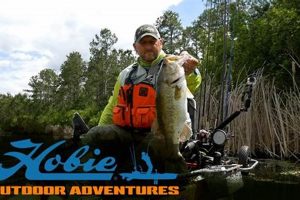
A premium, waterproof, full-body garment designed for anglers using kayaks offers superior protection against cold water and harsh weather. This specialized apparel allows for unrestricted movement while paddling and casting, crucial for a comfortable and successful fishing experience. Imagine staying warm and dry even after an unexpected capsize, allowing the angler to continue fishing without discomfort or risk of hypothermia.
Such specialized attire is essential for extending the kayaking fishing season into colder months and ensuring angler safety in unpredictable conditions. By providing a barrier against the elements, these suits contribute significantly to comfort and focus, allowing the angler to concentrate on the task at hand. Historically, advancements in materials technology, like breathable fabrics and durable waterproof membranes, have driven significant improvements in both the comfort and effectiveness of these garments. This evolution has allowed for lighter, more flexible suits suitable for the dynamic movements required in kayak fishing.
Factors like material breathability, seam construction, fit, and features like integrated socks and relief zippers all contribute to the overall performance and suitability of these suits for individual needs and preferences. Understanding these features is essential for selecting the appropriate garment for various fishing conditions and personal requirements. This knowledge empowers informed decisions, maximizing both safety and enjoyment on the water.
Tips for Selecting and Utilizing Protective Fishing Apparel
Choosing and utilizing appropriate protective apparel significantly enhances safety and comfort during kayak fishing excursions. Careful consideration of various factors ensures optimal performance and longevity of the garment.
Tip 1: Prioritize Fit and Mobility: Ensure the suit allows for a full range of motion necessary for paddling, casting, and reeling. Restrictive garments can hinder performance and create safety hazards.
Tip 2: Consider Material Breathability: Breathable fabrics prevent overheating and moisture buildup, especially during strenuous activity. Look for waterproof, breathable membranes.
Tip 3: Inspect Seam Construction: Durable, waterproof seams are critical for preventing leaks. Reinforced or taped seams offer enhanced protection.
Tip 4: Evaluate Features: Consider integrated socks, relief zippers, and adjustable cuffs, choosing features that align with individual needs and preferences.
Tip 5: Understand Layering: Proper layering underneath the suit optimizes thermal regulation and comfort. Moisture-wicking base layers are recommended.
Tip 6: Practice Proper Care and Maintenance: Rinse the suit with fresh water after each use and store it properly to extend its lifespan. Follow manufacturer care instructions.
Tip 7: Check for Essential Safety Features: Consider reflective elements for visibility in low-light conditions and attachment points for safety equipment.
Tip 8: Seek Expert Advice: Consult with experienced kayak anglers or retailers specializing in outdoor gear for personalized recommendations.
Adhering to these guidelines ensures a safe and comfortable experience on the water, allowing anglers to focus on enjoying the sport.
By understanding the importance of suitable attire and following these practical tips, anglers can maximize their performance and safety while kayak fishing. This preparation contributes significantly to a positive and successful experience.
1. Durability

Durability stands as a critical factor in evaluating suitable protective apparel for kayak fishing. The demanding environment, characterized by potential contact with abrasive surfaces like rocks, fishing gear, and the kayak itself, necessitates a garment capable of withstanding wear and tear. A durable drysuit resists punctures, tears, and abrasion, ensuring long-term performance and protection against the elements. For instance, a drysuit constructed with reinforced fabric in high-wear areas, such as the knees and elbows, demonstrates a focus on durability, crucial for anglers frequently encountering such contact points. This robust construction translates directly to a longer lifespan, reducing the need for frequent replacements and representing a valuable investment for the serious angler.
Furthermore, the durability of a drysuit directly impacts its ability to maintain waterproof integrity. A tear or puncture can compromise the waterproof barrier, leading to discomfort and potentially dangerous exposure to cold water. Selecting a drysuit constructed from durable materials and reinforced in key areas safeguards against such failures. Consider, for example, a scenario where an angler encounters unexpected submerged debris. A durable drysuit provides a crucial layer of protection, preventing a puncture and maintaining a dry, insulated environment, even in challenging circumstances. This resilience contributes significantly to safety and allows the angler to continue fishing without interruption or risk.
In conclusion, durability plays a pivotal role in the overall performance and longevity of a kayak fishing drysuit. Prioritizing durable construction ensures the garment withstands the rigors of the environment, maintaining its protective qualities over extended use. This characteristic, coupled with other essential features, contributes significantly to a safe, comfortable, and successful kayak fishing experience. Understanding the importance of durability empowers informed purchasing decisions and ensures anglers invest in apparel that provides reliable protection and lasting value.
2. Breathability

Breathability represents a critical performance attribute in a kayak fishing drysuit, significantly impacting angler comfort and safety. Effectively managing moisture vapor transfer from the body outwards is essential for regulating temperature and preventing overheating, especially during periods of strenuous paddling or warmer weather conditions. A breathable drysuit allows perspiration to escape, keeping the angler dry and comfortable, even during high-output activities.
- Moisture Vapor Transfer Rate (MVTR):
MVTR quantifies the ability of a fabric to transmit water vapor. A higher MVTR indicates greater breathability. Drysuits constructed with fabrics possessing a high MVTR effectively wick moisture away from the body, reducing the risk of overheating and maintaining a comfortable internal microclimate. For example, a drysuit with an MVTR of 15,000 g/m/24h will transfer moisture more efficiently than one with a 5,000 g/m/24h rating, resulting in a drier and more comfortable experience, particularly during periods of intense physical exertion.
- Membrane Technology:
Advanced membrane technologies play a key role in facilitating breathability while maintaining waterproofness. Microporous membranes contain tiny pores that allow water vapor to escape while blocking liquid water from entering. Hydrophilic membranes, on the other hand, attract and transport water vapor molecules through the fabric. These technologies enable drysuits to offer both protection from external elements and effective internal moisture management. For example, a drysuit incorporating a Gore-Tex Pro membrane, known for its high breathability and waterproofness, provides exceptional performance in demanding conditions, allowing anglers to stay dry and comfortable regardless of weather or activity level.
- Impact on Thermal Regulation:
Breathability directly influences thermal regulation within the drysuit. By allowing perspiration to escape, a breathable drysuit prevents the buildup of moisture that can lead to chilling in colder conditions. This moisture management capability contributes significantly to overall comfort and safety, allowing anglers to maintain a stable core temperature even during fluctuating activity levels. Imagine an angler transitioning from strenuous paddling to a period of relative inactivity while fishing. A breathable drysuit prevents the accumulation of sweat, which could otherwise lead to discomfort or even hypothermia as the angler’s activity level decreases.
- Layering Considerations:
Breathability impacts layering strategies beneath the drysuit. A highly breathable drysuit allows for greater flexibility in layering, enabling anglers to adjust their insulation based on anticipated conditions. Moisture-wicking base layers further enhance the breathability system by moving perspiration away from the skin to the outer layers of clothing. This layered approach optimizes thermal comfort and performance. For example, wearing a moisture-wicking base layer beneath a breathable drysuit allows perspiration to be efficiently transported away from the body, even during periods of high activity. This prevents the buildup of moisture next to the skin, maintaining a comfortable and dry environment within the drysuit.
In summary, breathability stands as a critical factor in selecting a high-performance kayak fishing drysuit. Prioritizing breathability contributes significantly to angler comfort and safety by regulating temperature and preventing the buildup of moisture inside the suit. Understanding the interplay between breathability, membrane technology, and layering strategies empowers informed purchasing decisions, ensuring anglers select a drysuit optimized for their specific needs and fishing conditions.
3. Mobility/Flexibility

Unrestricted movement is paramount for effective kayak fishing. A drysuit must allow for a full range of motion required for paddling, casting, and reeling, without hindering performance or compromising safety. Restrictive garments can impede these actions, leading to decreased fishing efficacy and potentially hazardous situations.
- Articulated Design:
Drysuits featuring articulated designs incorporate strategically placed panels and seams that mimic natural body movements. This construction allows for greater freedom of motion, particularly in areas like the elbows, knees, and shoulders. For example, pre-bent knees and elbows accommodate the paddling stroke and casting motions, minimizing resistance and maximizing efficiency. This enhanced mobility translates directly to improved paddling power, casting accuracy, and overall fishing performance.
- Material Flexibility:
The inherent flexibility of the drysuit material itself plays a crucial role in overall mobility. Flexible fabrics allow the suit to move with the body, minimizing restriction during dynamic movements. Four-way stretch fabrics, for example, provide excellent flexibility in all directions, accommodating a wide range of motions without hindering performance. This flexibility is particularly important during casting and reeling, where unrestricted arm movement is essential for accuracy and control.
- Fit and Sizing:
Proper fit and sizing are crucial for maximizing mobility. A drysuit that is too tight can restrict movement, while one that is too loose can create excess bulk and hinder paddling efficiency. A well-fitting drysuit should allow for comfortable movement without feeling restrictive or cumbersome. Consulting sizing charts and trying on different sizes and styles is essential for finding the optimal fit for individual body types and paddling styles. This ensures unrestricted movement and optimal comfort throughout the fishing trip.
- Impact on Paddling Performance and Safety:
The mobility offered by a well-designed drysuit directly impacts paddling performance and safety. Unrestricted movement allows for efficient paddling strokes, maximizing speed and maneuverability on the water. This enhanced mobility is particularly important in challenging conditions, such as strong currents or windy weather, where precise paddle control is essential for maintaining stability and avoiding capsizing. Furthermore, a flexible and mobile drysuit allows for quick reactions in unexpected situations, further enhancing safety on the water.
In conclusion, mobility and flexibility are essential considerations when selecting a kayak fishing drysuit. A drysuit that allows for unrestricted movement enhances paddling efficiency, casting accuracy, and overall fishing performance, while also contributing to safety on the water. Prioritizing these features ensures anglers can move freely and comfortably, allowing them to focus on the task at hand and maximize their enjoyment of the sport.
4. Waterproofness

Waterproofness constitutes a fundamental requirement for kayak fishing drysuits, directly impacting angler safety and comfort. Immersion in cold water presents significant risks, including hypothermia and reduced dexterity, potentially leading to hazardous situations. A waterproof drysuit provides a critical barrier against these risks, ensuring the angler remains dry and insulated, even in the event of capsize or unexpected immersion. Consider a scenario where an angler capsizes in cold water. A fully waterproof drysuit prevents water ingress, maintaining a layer of insulating air next to the skin, crucial for preventing rapid heat loss and preserving the ability to self-rescue or await assistance. This protection significantly mitigates the risks associated with cold water immersion, enabling a safer and more enjoyable fishing experience.
Several factors contribute to a drysuit’s waterproofness. Material selection plays a crucial role. Waterproof and breathable fabrics, typically incorporating a membrane or coating, prevent water penetration while allowing moisture vapor to escape. Seam construction is equally critical. Fully taped or welded seams prevent water from seeping through stitch holes, maintaining the integrity of the waterproof barrier. Zippers, often the weakest point in waterproof garments, require specialized waterproof designs and meticulous sealing to prevent leaks. For instance, a drysuit constructed with a three-layer waterproof breathable fabric, featuring fully taped seams and a waterproof zipper, offers superior protection against water ingress, even in demanding conditions. This comprehensive approach to waterproofing ensures reliable performance and enhances angler safety.
Maintaining waterproofness requires proper care and maintenance. Regular inspection for damage, such as punctures or tears, is essential. Proper cleaning and storage, following manufacturer guidelines, preserve the integrity of the waterproof membrane and extend the lifespan of the drysuit. Understanding the factors that contribute to waterproofness and adhering to recommended care practices ensures the drysuit provides reliable protection against the elements, maximizing both safety and comfort on the water. This proactive approach to maintenance ensures the drysuit remains a dependable barrier against cold water immersion, allowing anglers to focus on the enjoyment of the sport with confidence in their safety and comfort.
5. Fit/Comfort
Optimal fit and comfort are paramount for a kayak fishing drysuit, directly impacting performance, safety, and overall enjoyment on the water. An ill-fitting drysuit can restrict movement, create discomfort, and compromise the garment’s protective qualities. Conversely, a properly fitted drysuit allows for unrestricted paddling and casting, enhances thermal regulation, and contributes to a more enjoyable and productive fishing experience.
- Proper Sizing and Layering:
Selecting the correct size is crucial for both comfort and functionality. A drysuit that is too tight can restrict movement and create pressure points, leading to discomfort and reduced paddling efficiency. A drysuit that is too loose can create excess bulk, hindering movement and potentially trapping cold water against the skin. Proper layering beneath the drysuit also plays a significant role in comfort and thermal regulation. Moisture-wicking base layers effectively manage perspiration, while insulating mid-layers provide warmth in colder conditions. For example, wearing a thin, moisture-wicking base layer beneath a fleece mid-layer and a properly sized drysuit allows for optimal thermal comfort and unrestricted movement.
- Anatomical Design and Articulation:
Drysuits designed with anatomical considerations and articulated features offer enhanced comfort and mobility. Pre-bent knees and elbows, for example, accommodate natural body movements during paddling and casting, minimizing restriction and maximizing efficiency. Gusseted underarms and crotch areas provide additional freedom of movement, crucial for comfortable and unrestricted paddling. These design features contribute to a more natural and comfortable fit, allowing anglers to move freely and efficiently on the water.
- Adjustable Features and Customization:
Adjustable features, such as cuffs, neck seals, and waistbands, allow for a customized fit that caters to individual body shapes and preferences. Adjustable cuffs, for example, can be tightened to prevent water ingress or loosened for increased ventilation. An adjustable waist allows for a snug and comfortable fit, minimizing bulk and maximizing mobility. These customization options ensure the drysuit conforms to the angler’s body, providing optimal comfort and performance.
- Material Considerations and Seam Placement:
The choice of drysuit material significantly influences comfort. Breathable fabrics enhance comfort by allowing moisture vapor to escape, preventing overheating and maintaining a comfortable internal microclimate. Soft and flexible materials enhance comfort against the skin and minimize chafing. Seam placement also plays a role in comfort. Carefully positioned seams minimize friction and pressure points, especially during extended periods of wear. A drysuit constructed with a comfortable, breathable fabric and strategically placed seams contributes to a more enjoyable and less fatiguing experience on the water.
In summary, fit and comfort are essential considerations when selecting a kayak fishing drysuit. A properly fitted and comfortable drysuit enhances mobility, promotes thermal regulation, and contributes to a more enjoyable and productive fishing experience. Careful consideration of sizing, anatomical design, adjustable features, and material selection ensures optimal comfort and performance on the water, allowing anglers to focus on the task at hand and maximize their enjoyment of the sport.
Frequently Asked Questions
This section addresses common inquiries regarding specialized waterproof attire designed for kayak anglers.
Question 1: What distinguishes a kayak fishing drysuit from other drysuits?
Kayak fishing drysuits often incorporate features tailored to the specific needs of anglers, such as articulated cuts for casting and paddling, reinforced seating areas, and convenient pockets for tackle and accessories. These specialized features enhance comfort and functionality during fishing excursions.
Question 2: How is proper fit determined for this type of garment?
Proper fit is crucial for both mobility and safety. Consult manufacturer sizing charts and consider individual body measurements. A well-fitting suit should allow for a full range of motion without feeling restrictive or excessively loose. Trying on different sizes and styles is recommended for optimal fit.
Question 3: What are the recommended layering practices underneath a drysuit for kayak fishing?
Layering strategies depend on water and air temperatures. Moisture-wicking base layers are essential for regulating body temperature and preventing moisture buildup. Insulating mid-layers, such as fleece or synthetic down, can be added for warmth in colder conditions. Avoid bulky layers that restrict movement.
Question 4: How should a kayak fishing drysuit be cared for and maintained?
Proper care extends the lifespan of a drysuit. Rinse the suit with fresh water after each use to remove salt and dirt. Hang it to dry in a well-ventilated area, away from direct sunlight or heat. Periodically inspect for damage and follow manufacturer instructions for specific cleaning and maintenance procedures.
Question 5: What safety precautions should be considered when using a drysuit for kayak fishing?
Always wear a properly fitted personal flotation device (PFD) over the drysuit. Inform someone of planned fishing locations and estimated return times. Carry essential safety equipment, such as a whistle, signaling device, and first-aid kit. Be aware of weather conditions and water temperatures.
Question 6: What are the key features to look for when selecting a high-quality kayak fishing drysuit?
Essential features include durable waterproof and breathable fabric, reinforced seams, a reliable waterproof zipper, articulated design for mobility, and comfortable neck and wrist seals. Consider additional features like integrated socks, relief zippers, and pockets based on individual needs and preferences.
Careful consideration of these factors ensures selection of a suitable drysuit that enhances both safety and performance on the water. Understanding these aspects contributes significantly to informed purchasing decisions.
The subsequent sections will delve into specific product recommendations and detailed comparisons of various drysuit models, offering further guidance in the selection process.
Conclusion
Selecting the appropriate protective apparel significantly impacts safety and performance in kayak fishing. Durability, breathability, mobility, waterproofness, and fit are critical factors to consider. A well-chosen drysuit provides essential protection against the elements, allowing anglers to extend their fishing season and explore diverse environments safely and comfortably. Understanding these key features empowers informed purchasing decisions, leading to a more enjoyable and productive experience on the water.
Investing in a high-quality, purpose-built drysuit represents a commitment to safety and performance. This specialized apparel enables anglers to focus on the pursuit of their passion, undeterred by challenging weather or unexpected immersion. Prioritizing quality and functionality in protective gear ultimately elevates the overall kayak fishing experience, enabling exploration, enhancing safety, and fostering a deeper connection with the sport.