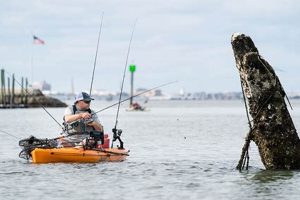
The practice of angling from a kayak requires careful consideration of potential hazards and proactive measures to mitigate risks. This involves understanding environmental factors like weather and water conditions, possessing appropriate safety equipment, and employing sound judgment on the water. For example, wearing a personal flotation device is a fundamental aspect of this practice.
Prioritizing safe practices minimizes the likelihood of accidents and injuries, allowing for a more enjoyable and productive experience. Historically, as kayak fishing gained popularity, the need for formalized safety guidelines became apparent. Organizations like the American Canoe Association and various state agencies now offer resources and educational programs dedicated to promoting responsible kayaking and fishing practices. This increased awareness has contributed to a greater understanding of potential risks and the importance of preparedness.
The following sections will delve into specific aspects of safe kayak angling, covering topics such as essential gear, pre-trip planning, navigation, emergency procedures, and responsible angling practices.
Essential Safety Tips for Kayak Angling
Prioritizing safety is paramount for a successful and enjoyable kayak fishing experience. The following tips offer guidance for mitigating potential hazards and ensuring responsible practices on the water.
Tip 1: Check Weather Forecasts and Water Conditions: Before embarking on any kayak fishing trip, thoroughly research weather forecasts and water conditions. Pay attention to wind speed, wave height, tides, and currents. Postpone trips if conditions are unfavorable.
Tip 2: Wear a Personal Flotation Device (PFD): A PFD is the single most important piece of safety equipment. Ensure it is properly fitted and worn at all times while on the water.
Tip 3: Carry Essential Safety Gear: Equip the kayak with essential safety items, including a whistle, visual distress signals, a first-aid kit, a bilge pump, and a paddle float. Knowledge of their proper use is crucial.
Tip 4: File a Float Plan: Inform someone on shore of the intended fishing location, planned return time, and emergency contacts. This allows for prompt assistance if needed.
Tip 5: Dress Appropriately for the Conditions: Wear clothing suitable for the water temperature, considering potential immersion. Dress in layers to adjust to changing conditions. Brightly colored clothing enhances visibility.
Tip 6: Practice Self-Rescue Techniques: Familiarize oneself with self-rescue techniques, including re-entering the kayak after a capsize. Practice these skills in a controlled environment before venturing into open water.
Tip 7: Be Aware of Watercraft Traffic: Maintain awareness of other vessels and follow navigation rules. Kayaks are smaller and less visible than larger boats, requiring extra vigilance.
Tip 8: Stay Hydrated and Sun-Protected: Bring plenty of water and apply sunscreen regularly. Exposure to the elements can lead to dehydration and sunburn, even on cloudy days.
Adhering to these safety guidelines significantly reduces risks associated with kayak fishing, promoting a safer and more enjoyable experience. Preparedness and responsible practices are essential for every angler.
By understanding and implementing these safety measures, anglers can confidently enjoy the sport of kayak fishing while mitigating potential risks and preserving the natural environment.
1. Personal Flotation Device (PFD)

A Personal Flotation Device (PFD), often referred to as a life jacket, is paramount for kayak fishing safety. It serves as the primary defense against drowning, especially during capsizes or unexpected immersion. Understanding PFD types and proper usage is crucial for maximizing its effectiveness.
- PFD Types:
Various PFD types exist, each designed for specific activities. Inherent buoyancy aids, inflatable PFDs, and specialized fishing PFDs are common choices for kayak anglers. Inherent buoyancy aids offer constant flotation, while inflatable PFDs are less bulky but require manual or automatic inflation. Fishing PFDs often feature pockets and attachments designed for anglers’ needs. Selecting an appropriate PFD depends on individual preferences, fishing conditions, and intended use.
- Proper Fit and Wear:
A properly fitted PFD is essential for effective performance. It should fit snugly without restricting movement. All straps and buckles should be secured correctly. Regularly checking the PFD’s condition for wear and tear is vital. A damaged or improperly worn PFD may not provide adequate flotation when needed.
- Legal Requirements and Regulations:
Regulations regarding PFDs vary by jurisdiction. Familiarizing oneself with local laws concerning PFD usage, including required types and carriage requirements, is essential for compliance and safety. These regulations are designed to minimize risks and ensure angler safety.
- Maintenance and Inspection:
Regular inspection and maintenance of a PFD are crucial for ensuring its long-term effectiveness. Check for signs of wear and tear, such as ripped fabric, corroded buckles, or damaged inflation mechanisms. Follow manufacturer guidelines for cleaning and storage. Proper maintenance ensures the PFD remains reliable and functional in emergencies.
A PFD is not merely a piece of equipment; it is a fundamental component of responsible kayak fishing. Selecting the right PFD, wearing it correctly, and maintaining it properly are essential practices for minimizing risks and ensuring a safe and enjoyable experience on the water.
2. Weather Awareness

Weather awareness is paramount for kayak fishing safety. Unpredictable changes in weather conditions can significantly impact stability and navigation, creating hazardous situations for anglers. Understanding weather patterns, interpreting forecasts, and adapting to changing conditions are crucial for mitigating risks.
- Wind Conditions:
Wind strength and direction significantly affect kayak control, especially in open water. Strong winds can create challenging paddling conditions, increasing the risk of capsizing. Offshore winds, while initially calm, can quickly carry kayakers far from shore, making return difficult. Monitoring wind forecasts and understanding local wind patterns are crucial for planning safe kayak fishing trips.
- Temperature Fluctuations:
Rapid temperature drops, especially when combined with wind and water exposure, can lead to hypothermia. Anglers should dress in layers appropriate for the anticipated conditions and be prepared for sudden changes in temperature. Understanding the effects of wind chill and water temperature on body heat is essential for preventing cold-related injuries.
- Precipitation and Visibility:
Rain, fog, and snow can significantly reduce visibility, making navigation challenging and increasing the risk of collisions with other vessels. Reduced visibility also makes it harder for rescuers to locate kayakers in emergencies. Checking forecasts for precipitation and visibility is essential for planning safe trips and carrying appropriate safety gear.
- Lightning and Storms:
Kayaks offer minimal protection from lightning strikes. Thunderstorms can develop rapidly, creating dangerous conditions on the water. Anglers should seek safe shelter immediately upon hearing thunder or seeing lightning. Understanding local weather patterns and having a plan for seeking shelter are crucial for mitigating lightning risks.
Careful consideration of these weather-related factors significantly enhances kayak fishing safety. Proactive planning, informed decision-making, and adapting to changing conditions are essential for a safe and enjoyable experience on the water. Ignoring weather conditions can lead to life-threatening situations, underscoring the importance of weather awareness for all kayak anglers.

Navigation lights play a crucial role in kayak fishing safety, particularly during low-light conditions or periods of reduced visibility. These lights enhance the visibility of the kayak to other vessels, minimizing the risk of collisions. Given the relatively low profile of kayaks on the water, navigation lights become essential for ensuring they are readily discernible by larger boats. Failure to display proper navigation lights can lead to collisions, particularly in congested waterways or during nighttime fishing excursions. A collision between a motorized vessel and a kayak can have devastating consequences. Therefore, proper illumination significantly reduces this risk. For example, a kayak angler fishing at dusk or dawn without navigation lights is significantly less visible to other boaters, increasing the likelihood of a collision. Properly displayed lights, however, make the kayak readily apparent, allowing other vessels to take appropriate evasive action.
Regulations regarding navigation lights vary by jurisdiction and often depend on factors such as vessel size and operating conditions. Typically, kayaks are required to display a white light visible from all directions when operating between sunset and sunrise or during periods of restricted visibility. Some regulations may also require additional lights, such as sidelights or stern lights. Understanding and complying with these regulations is crucial for legal compliance and, more importantly, enhancing safety on the water. Beyond legal requirements, carrying additional lighting, such as headlamps or spotlights, can further improve visibility and safety. For instance, a headlamp can be invaluable for illuminating the kayak’s path while navigating in darkness, while a spotlight can be used to signal other vessels in an emergency. These supplementary lighting options further enhance safety by increasing the kayak’s visibility and providing additional means of communication.
In summary, navigation lights represent a critical aspect of kayak fishing safety. Their proper use significantly reduces the risk of collisions by enhancing the kayak’s visibility to other vessels, especially in low-light conditions. Understanding and adhering to relevant regulations regarding navigation light usage is not only a legal obligation but also a fundamental practice for responsible kayak angling. Combining regulatory compliance with additional lighting strategies provides a comprehensive approach to enhancing visibility and ensuring a safer experience on the water.
4. Communication Devices
Maintaining communication while kayak fishing is crucial for safety and emergency preparedness. Various communication devices provide a means of contacting help, relaying critical information, and ensuring a safer experience on the water. Understanding the available options and their respective strengths and limitations is essential for selecting the appropriate device for individual needs and fishing environments.
- VHF Radios:
VHF radios offer reliable communication over longer distances than other handheld devices. They provide access to designated emergency channels, allowing direct contact with the Coast Guard and other rescue services. A waterproof and floating VHF radio is highly recommended for kayak fishing, especially in offshore or open-water environments. For example, a VHF radio can be crucial for summoning assistance in the event of a capsize, injury, or sudden change in weather conditions.
- Mobile Phones:
Mobile phones offer a convenient communication option, but their reliability can be limited by cellular coverage, battery life, and potential water damage. Waterproof cases or dry bags are essential for protecting phones from the elements. While useful for general communication, mobile phones should not be relied upon as the sole communication device in remote areas or during emergencies, as cellular service may be unavailable. A mobile phone’s GPS functionality, however, can be valuable for navigation and providing location information to rescuers.
- Personal Locator Beacons (PLBs):
PLBs are dedicated emergency devices that transmit distress signals to search and rescue authorities. Activating a PLB initiates a rapid response from rescue services. While PLBs provide a vital safety net, they should be used only in genuine emergencies due to the significant resources involved in a rescue operation. False alarms can divert resources from genuine emergencies, highlighting the importance of responsible PLB usage.
- Whistles:
A whistle is a simple yet effective communication tool for signaling distress or attracting attention over short distances. Attaching the whistle to the PFD ensures it remains readily accessible in the event of a capsize. While limited in range, a whistle can be crucial for signaling nearby boaters or rescuers, especially in situations where other communication devices may be unavailable or damaged.
Effective communication is integral to kayak fishing safety. Selecting appropriate communication devices, understanding their operation, and ensuring they are readily accessible enhances preparedness and facilitates a timely response in emergencies. Redundancy in communication methods, such as carrying both a VHF radio and a mobile phone, further strengthens safety protocols and increases the likelihood of successful communication in diverse situations. By prioritizing communication, kayak anglers contribute significantly to their own safety and the safety of others on the water.
5. Emergency Planning
Emergency planning forms a cornerstone of kayak fishing safety. The unpredictable nature of aquatic environments necessitates preparedness for a range of potential hazards, from equipment malfunctions and sudden weather changes to capsizing and medical emergencies. A comprehensive emergency plan mitigates risks by providing a structured response framework, thereby increasing the likelihood of a positive outcome in critical situations. The causal link between inadequate emergency planning and adverse outcomes in kayak fishing incidents is well-established. A lack of preparedness can transform manageable situations into life-threatening crises. For instance, a kayaker experiencing a capsize without a pre-determined self-rescue plan or communication strategy faces significantly greater challenges than one who has rehearsed these procedures and has communication devices readily available. Similarly, an angler venturing into unfamiliar waters without notifying anyone of their intended route or estimated return time compromises potential rescue efforts should an emergency arise.
Real-life examples underscore the practical significance of emergency planning. Cases of kayakers stranded due to unexpected weather changes, requiring rescue after failing to communicate their location, or suffering injuries without access to a first-aid kit highlight the potentially severe consequences of inadequate planning. Conversely, instances where anglers successfully navigated challenging situations due to pre-planned emergency procedures, effective communication, and readily available safety equipment demonstrate the life-saving potential of comprehensive preparedness. These examples illustrate that emergency planning is not merely a theoretical exercise but a practical necessity for responsible kayak fishing.
Key insights emphasize the crucial role of emergency planning in promoting kayak fishing safety. Challenges may include resistance to investing time in planning, overconfidence in one’s abilities, or a lack of awareness regarding potential hazards. Addressing these challenges through education, accessible resources, and promoting a culture of preparedness within the kayaking community are essential steps towards mitigating risks. Integrating emergency planning as an integral component of kayak fishing practice ensures that anglers are equipped to respond effectively to unforeseen events, thereby maximizing safety and minimizing potential harm.
6. Proper Gear Storage
Proper gear storage is integral to kayak fishing safety, directly influencing stability and maneuverability. Incorrectly stowed equipment can shift unexpectedly, altering the kayak’s center of gravity and potentially causing capsizing. Moreover, loose gear can interfere with paddling or become entangled in fishing lines, creating hazardous situations. Securing equipment minimizes these risks, allowing for more efficient paddling and safer angling. For example, a tackle box left unsecured in the cockpit can slide to one side during a turn, destabilizing the kayak and increasing the risk of capsize. Conversely, storing tackle and other gear in designated compartments or secured bags maintains balance and prevents interference during critical maneuvers.
Real-life scenarios illustrate the practical consequences of improper gear storage. Reports of kayaks capsizing due to shifting loads, anglers losing balance while reaching for unsecured equipment, and fishing lines tangling around loose gear underscore the potential dangers. These incidents often result in lost equipment, injuries, and even fatalities. Conversely, instances where anglers successfully navigated challenging conditions due to well-secured gear demonstrate the practical benefits of proper storage techniques. These scenarios emphasize the direct link between proper gear storage and angler safety.
Key insights highlight the significance of proper gear storage within a comprehensive kayak fishing safety strategy. Challenges include limited storage space in some kayaks and the temptation to prioritize convenience over security. Addressing these challenges through strategic packing, utilizing appropriate storage solutions, and emphasizing the safety implications of proper storage promotes responsible practices. Integrating proper gear storage into pre-trip planning reinforces its importance as a fundamental safety precaution, contributing significantly to a safer and more enjoyable kayak fishing experience.
7. Self-Rescue Knowledge
Self-rescue knowledge is paramount for kayak fishing safety. Kayak anglers face inherent risks, including capsizing, especially in challenging conditions. Possessing the skills and knowledge to recover from a capsize independently is crucial for mitigating potential harm. This proactive approach empowers anglers to manage unexpected situations, minimizing reliance on external assistance and potentially averting life-threatening consequences. Understanding self-rescue techniques not only enhances personal safety but also promotes responsible angling practices by reducing the burden on rescue services.
- Capsize Recovery:
Capsize recovery forms the core of self-rescue knowledge. This involves techniques for righting a capsized kayak and re-entering it from the water. Several methods exist, including the paddle float re-entry and the scramble self-rescue. Practicing these techniques in a controlled environment, such as a calm lake or pool, builds confidence and muscle memory, essential for effective execution in a real-life emergency. Failure to master these techniques can lead to prolonged immersion, increasing the risk of hypothermia, exhaustion, and panic.
- Assisted Rescues:
While self-rescue is the primary goal, understanding assisted rescue techniques is also crucial. This involves procedures for assisting another kayaker in re-entering their kayak or providing support in a capsize situation. Knowing how to work cooperatively with another angler in a rescue scenario significantly increases the chances of a successful recovery, especially in challenging conditions. Moreover, understanding assisted rescue techniques fosters a culture of mutual support and enhances overall safety within the kayaking community.
- Equipment Management:
Effective self-rescue often requires managing equipment while in the water. This includes securing paddles, deploying paddle floats, and retrieving essential gear that may have become dislodged during a capsize. Practicing equipment management in a controlled setting familiarizes anglers with the challenges of manipulating gear while in the water, reducing the likelihood of losing valuable equipment or hindering the rescue process. This preparedness contributes to a more efficient and successful self-rescue.
- Environmental Awareness:
Self-rescue knowledge extends beyond physical techniques to encompass environmental awareness. Understanding factors such as wind, currents, and water temperature informs decision-making during a self-rescue. For instance, recognizing the direction of the current allows an angler to position themselves for an easier re-entry, while awareness of water temperature influences decisions regarding clothing and the urgency of re-entering the kayak. Integrating environmental factors into self-rescue planning enhances the effectiveness and safety of recovery efforts.
Self-rescue knowledge, encompassing capsize recovery, assisted rescue techniques, equipment management, and environmental awareness, represents a critical aspect of kayak fishing safety. This proactive approach empowers anglers to respond effectively to unexpected situations, minimizing reliance on external assistance and potentially averting life-threatening consequences. Integrating regular practice and continuous refinement of these skills into one’s kayaking routine strengthens preparedness and fosters a culture of responsible angling, maximizing safety on the water.
Frequently Asked Questions
This section addresses common queries regarding safe kayak fishing practices, aiming to provide clear and concise information for anglers of all experience levels. Understanding these frequently raised points contributes to a safer and more informed approach to kayak angling.
Question 1: What is the most important piece of safety equipment for kayak fishing?
A properly fitted Personal Flotation Device (PFD) is unequivocally the most crucial piece of safety equipment. It provides essential buoyancy in the event of a capsize, significantly increasing the chances of survival.
Question 2: How can weather conditions affect kayak fishing safety?
Adverse weather, such as strong winds, waves, lightning, or sudden temperature changes, can create hazardous conditions for kayakers. Checking weather forecasts before embarking on a trip and continuously monitoring conditions while on the water are crucial safety practices.
Question 3: What should be included in a kayak fishing emergency plan?
An emergency plan should include communication strategies (e.g., VHF radio, mobile phone, signaling devices), self-rescue techniques, knowledge of first aid, and a float plan filed with a responsible individual on shore. Regular practice of self-rescue techniques is essential.
Question 4: Why is proper gear storage important for kayak fishing safety?
Proper gear storage maintains the kayak’s stability by preventing weight shifts that could lead to capsizing. Securely stowing equipment also minimizes the risk of entanglement with fishing lines and ensures easy access to essential items when needed.
Question 5: What are the essential communication devices for kayak fishing?
Recommended communication devices include a VHF radio for long-range communication and emergency calls, a mobile phone in a waterproof case for general communication, and a whistle for signaling over short distances. A Personal Locator Beacon (PLB) is crucial for remote locations.
Question 6: How can one improve self-rescue skills for kayak fishing?
Regular practice of self-rescue techniques, such as re-entering the kayak after a capsize using a paddle float, is crucial. Professional instruction from certified kayaking instructors can further enhance self-rescue skills and build confidence in emergency procedures.
Prioritizing safety through preparation, appropriate equipment, and continuous awareness of potential hazards allows for a more enjoyable and responsible kayak fishing experience. Careful consideration of these frequently asked questions enhances preparedness and promotes safe practices on the water.
Moving forward, the subsequent sections will delve into advanced techniques for enhancing kayak fishing safety and maximizing enjoyment on the water.
Kayak Fishing Safety
This exploration of kayak fishing safety has underscored the critical interplay of preparedness, responsible practices, and continuous learning. Key aspects highlighted include the essential role of personal flotation devices, the importance of weather awareness and navigation lights, the necessity of effective communication strategies and emergency planning, and the significance of proper gear storage and self-rescue knowledge. Each element contributes to a comprehensive safety framework, mitigating risks and promoting informed decision-making on the water.
Safeguarding angler well-being requires a proactive and evolving approach to risk management. Continued emphasis on education, accessible resources, and community engagement fosters a culture of safety within kayak fishing. Ultimately, prioritizing safe practices ensures not only individual well-being but also the sustainable enjoyment of this rewarding pursuit for generations to come. The future of kayak fishing hinges on the collective commitment to responsible angling, underpinned by a steadfast dedication to safety.