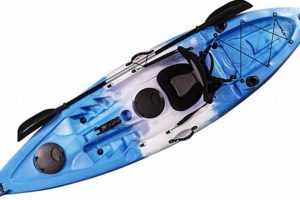
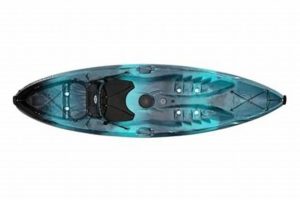
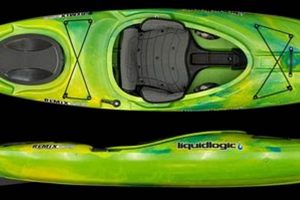
The choice between a shorter and longer fishing kayakspecifically, one measuring 10 feet compared to one measuring 12 feetrepresents a pivotal decision for anglers. This distinction impacts maneuverability, speed, storage capacity, and overall comfort on the water. A smaller vessel offers superior agility in confined spaces like creeks and rivers, while a larger craft provides increased stability and tracking in open water, such as lakes and oceans. The difference in length also directly affects storage space for gear and the potential for incorporating features like rod holders and fish finders.
Selecting the appropriate kayak size significantly enhances fishing success and enjoyment. A properly sized kayak improves stability, reducing the chance of capsizing and ensuring angler safety. Increased storage allows anglers to carry essential equipment for various fishing styles and conditions. Furthermore, a comfortable and efficient kayak enables longer fishing trips, covering greater distances and exploring diverse fishing spots. Over time, kayak design has evolved to cater to specific fishing needs, with manufacturers offering specialized features like live wells, pedal drives, and even trolling motor mounts. These advancements directly address the advantages and disadvantages inherent in various hull lengths.
The following sections will delve deeper into the key differentiating factors between these two popular kayak sizes, examining aspects such as stability, speed, maneuverability, storage, and transport. This detailed analysis will equip anglers with the necessary information to make an informed decision based on their individual needs and fishing preferences.
Tips for Choosing Between a 10-Foot and 12-Foot Fishing Kayak
Selecting the right kayak size is crucial for a successful and enjoyable fishing experience. Consider these factors when deciding between a 10-foot and 12-foot model.
Tip 1: Assess Fishing Environment: Smaller kayaks (10-foot) excel in narrow waterways like creeks and rivers, offering superior maneuverability around obstacles. Larger kayaks (12-foot) are better suited for open water like lakes and oceans, providing enhanced stability and tracking in rough conditions.
Tip 2: Consider Storage and Transport: Shorter kayaks are easier to store and transport, fitting readily on car roof racks or in smaller storage spaces. Longer kayaks require more storage space and may necessitate specialized transportation solutions.
Tip 3: Evaluate Gear Storage Needs: Anglers carrying substantial fishing gear, including tackle boxes, coolers, and rods, benefit from the increased storage capacity of a 12-foot kayak. Minimalist anglers may find a 10-foot kayak sufficient.
Tip 4: Factor in Angler Size and Weight: Larger individuals often find 12-foot kayaks more comfortable and stable due to increased weight capacity and deck space. Smaller anglers might find a 10-foot kayak more manageable and responsive.
Tip 5: Analyze Paddling Distance and Style: Longer kayaks generally glide more efficiently and cover greater distances with each paddle stroke, making them suitable for longer fishing trips. Shorter kayaks are advantageous for shorter trips and frequent maneuvering.
Tip 6: Consider Fishing Style: Trolling or drift fishing often favors the stability and tracking of a 12-foot kayak. Casting in tight spaces or frequently changing locations aligns well with the agility of a 10-foot kayak.
Tip 7: Think About Budget: Generally, 10-foot kayaks are less expensive than 12-foot models. Consider budget constraints alongside desired features and performance characteristics.
Careful consideration of these factors will lead to a kayak selection that optimizes fishing performance, comfort, and safety. A well-chosen kayak significantly contributes to an enjoyable and productive fishing experience.
The subsequent section offers a concise comparison table summarizing the key differences between 10-foot and 12-foot fishing kayaks, further aiding the decision-making process.
1. Maneuverability
Maneuverability represents a critical factor in kayak fishing, significantly influenced by kayak length. The difference between a 10-foot and 12-foot kayak directly impacts turning radius, navigation through obstacles, and overall agility on the water. Understanding these nuances is crucial for selecting the appropriate kayak for specific fishing environments.
- Turning Radius
A shorter, 10-foot kayak possesses a smaller turning radius, enabling sharper turns and quicker directional changes. This characteristic proves advantageous in confined spaces like narrow creeks, rivers with tight bends, and areas dense with vegetation. Conversely, a 12-foot kayak requires more space and effort to turn, making it less agile in such environments. Consider navigating a narrow, winding stream filled with fallen logs; the 10-foot kayak will weave through with relative ease, while the 12-foot kayak may require more strategic paddling and maneuvering.
- Obstacle Navigation
Maneuvering around obstacles, such as rocks, submerged logs, or bridge pilings, is significantly easier in a 10-foot kayak. Its shorter length and responsiveness allow for quick adjustments and precise navigation in tight situations. A 12-foot kayak, while more stable, may struggle in these situations due to its length and momentum. Picture a shallow riverbed dotted with rocks; the 10-foot kayak can easily navigate these hazards, while the 12-foot kayak demands greater caution and precision.
- Agility in Current
River currents and tidal flows present unique challenges to kayak control. A 10-foot kayak’s responsiveness allows for quicker corrections and adjustments in moving water, enabling anglers to maintain desired positions and navigate complex currents effectively. The 12-foot kayak, due to its length and inertia, can be more challenging to control in fast-moving or turbulent water. Imagine fishing in a tidal creek; the 10-foot kayak can swiftly adjust to changing currents, while the 12-foot kayak requires more effort to maintain position.
- Wind Impact
Wind significantly affects kayak handling, particularly in open water. While a 12-foot kayak’s length contributes to better tracking in calm conditions, a 10-foot kayak is often easier to manage in windy conditions due to its reduced surface area. Strong winds can push a longer kayak off course more easily, requiring greater effort to maintain direction. Visualize fishing on a large lake on a windy day; the 10-foot kayak, while potentially less stable, might be easier to control against gusts, whereas the 12-foot kayak may require constant correction.
These facets of maneuverability directly influence kayak selection for specific fishing scenarios. Anglers prioritizing agility and navigating confined spaces will favor the 10-foot kayak. Those seeking stability and tracking in open water, accepting a trade-off in maneuverability, will find the 12-foot kayak more suitable. The ultimate decision hinges on balancing maneuverability with other crucial factors, such as stability and storage capacity, based on individual fishing preferences and target environments.
2. Stability

Stability is a paramount concern in kayak fishing, directly impacting angler safety and fishing effectiveness. Kayak length plays a crucial role in determining stability, with 10-foot and 12-foot kayaks exhibiting distinct characteristics. Longer kayaks generally offer greater primary stabilityresistance to initial tippingdue to their wider beam and longer hull. A 12-foot kayak, therefore, feels more stable at rest, providing a secure platform for casting and reeling. This increased stability is particularly advantageous in calm, open water conditions. Conversely, shorter, 10-foot kayaks, with their narrower beam, exhibit less initial stability. However, they often possess greater secondary stabilitythe ability to resist capsizing when leanedmaking them more forgiving in rough water or when making dynamic movements. This characteristic proves beneficial in challenging conditions such as navigating rapids or leaning into a turn.
Consider an angler fishing in a calm lake. The inherent stability of a 12-foot kayak allows for comfortable standing and casting, enhancing fishing techniques. However, if encountering unexpected choppy water, the same 12-foot kayak might feel less secure and prone to tipping. In contrast, a 10-foot kayak, while initially less stable, would be more forgiving if leaned into the waves or during sudden maneuvers. Similarly, an angler navigating a swift river might appreciate the secondary stability of a 10-foot kayak, allowing for quick adjustments and recovery from unexpected rocking or tilting. Conversely, the initial stability of a 12-foot kayak might feel more secure in slower-moving sections of the same river.
Understanding the nuances of stability in relation to kayak length is crucial for informed decision-making. Prioritizing initial stability often leads to choosing a 12-foot kayak, particularly for anglers fishing in calm, open water or those who prefer standing while fishing. Anglers anticipating rougher conditions or requiring greater maneuverability might prioritize the secondary stability offered by a 10-foot kayak. Ultimately, selecting the appropriate kayak involves carefully balancing stability with other factors, including maneuverability, storage capacity, and intended fishing environment. This balanced approach ensures angler safety, comfort, and optimized fishing performance.
3. Speed
Speed, a critical factor in kayak fishing, is directly influenced by hull length and waterline. The difference between a 10-foot and 12-foot kayak manifests in varying degrees of speed and efficiency, impacting travel times, covering water, and overall fishing experience. Understanding these distinctions enables informed decisions based on individual fishing styles and target locations.
- Hull Length and Waterline
A longer kayak, like the 12-foot model, typically possesses a longer waterline. This increased waterline length reduces drag and improves hydrodynamic efficiency, allowing the kayak to glide through the water with less resistance. Consequently, 12-foot kayaks generally achieve higher speeds with each paddle stroke compared to their 10-foot counterparts. This translates to faster travel times between fishing spots and covering more water during a fishing session. Imagine two anglers paddling across a large lake; the angler in the 12-foot kayak will likely reach the desired fishing spot faster with less effort.
- Effort and Energy Expenditure
Maintaining speed over longer distances requires less effort in a 12-foot kayak due to its improved efficiency. This reduced energy expenditure is particularly beneficial for longer fishing trips or when paddling against currents or wind. Consider an angler paddling upstream in a river; the 12-foot kayak will require less exertion to maintain progress compared to a 10-foot kayak, conserving energy for fishing.
- Impact of Wind and Current
While a 12-foot kayak’s length can be advantageous in calm water, strong winds or currents can present challenges. The larger surface area can catch the wind or current, requiring more effort to maintain course. A 10-foot kayak, while slower in calm conditions, might be easier to manage in adverse weather due to its smaller profile. Visualize paddling on a windy day; the 10-foot kayak might be easier to control against gusts, while the 12-foot kayak requires more correction.
- Fishing Style Considerations
Fishing styles influence the importance of speed. Trolling or covering large distances necessitates a faster kayak, favoring the 12-foot option. Conversely, fishing in confined areas or frequently changing locations might prioritize maneuverability over speed, making a 10-foot kayak more suitable. Think of an angler trolling for largemouth bass; the speed and tracking of a 12-foot kayak are beneficial. An angler fishing for trout in a small stream, however, might prefer the maneuverability of a 10-foot kayak, even at the expense of some speed.
The choice between a 10-foot and 12-foot kayak involves a trade-off between speed and maneuverability. Anglers prioritizing speed and efficiency for covering larger distances will favor the 12-foot kayak. Those requiring agility in confined spaces might opt for the 10-foot kayak, accepting a compromise on speed. Ultimately, selecting the appropriate kayak hinges on carefully balancing these factors with individual fishing needs and target environments. This balanced approach maximizes fishing effectiveness and overall enjoyment on the water.
4. Storage Capacity
Storage capacity is a crucial consideration when choosing between a 10-foot and 12-foot fishing kayak. The available space for gear directly impacts the types of fishing expeditions possible, the amount of equipment carried, and overall comfort on the water. Understanding the storage differences between these kayak sizes is essential for making an informed decision.
- Hull Design and Storage Compartments
Longer kayaks, due to their increased size, generally offer more storage space. A 12-foot kayak typically features larger hatches, tank wells, and dedicated compartments for storing rods, tackle boxes, and other essential gear. Shorter, 10-foot kayaks, while offering sufficient storage for day trips or minimalist fishing styles, have less overall capacity. This difference becomes particularly significant for longer expeditions or anglers carrying specialized equipment. Consider an angler planning an overnight fishing trip; the ample storage of a 12-foot kayak accommodates camping gear and extra provisions, while a 10-foot kayak may necessitate careful packing and limiting equipment choices.
- Gear Organization and Accessibility
Effective gear organization significantly enhances fishing efficiency. Larger storage compartments in 12-foot kayaks facilitate better organization, allowing anglers to arrange tackle boxes, tools, and safety equipment logically. This organized approach reduces time spent searching for specific items and streamlines the fishing process. While 10-foot kayaks offer storage solutions, the limited space may require more strategic packing and prioritizing essential items. Imagine an angler needing a specific lure quickly; in a well-organized 12-foot kayak, locating the lure takes seconds, while searching through a more compact 10-foot kayak might disrupt the fishing flow.
- Weight Capacity and Gear Load
Weight capacity is closely linked to storage. Longer kayaks generally have a higher weight capacity, allowing anglers to carry more gear without compromising stability or performance. Exceeding the weight capacity of a kayak can lead to instability and decreased maneuverability. A 12-foot kayak’s increased weight capacity accommodates heavier loads of gear, essential for anglers carrying larger coolers, multiple rods, or specialized fishing equipment. A 10-foot kayak, while suitable for lighter loads, necessitates careful consideration of weight limitations. Visualize an angler carrying a large cooler filled with ice and drinks, along with several fishing rods and tackle boxes; a 12-foot kayak easily handles this load, while exceeding the capacity of a 10-foot kayak could compromise safety and performance.
- Fishing Style and Storage Needs
Different fishing styles dictate specific storage requirements. Anglers engaging in techniques requiring substantial gear, such as kayak camping or multi-day fishing trips, significantly benefit from the increased storage of a 12-foot kayak. Conversely, anglers practicing minimalist approaches or fishing in easily accessible locations might find the storage of a 10-foot kayak perfectly adequate. Consider an angler specializing in fly fishing; the compact gear required for this style fits comfortably within a 10-foot kayak. However, an angler targeting large saltwater species requiring heavier tackle and specialized equipment would likely prefer the ample storage of a 12-foot kayak.
The choice between a 10-foot and 12-foot kayak hinges on carefully evaluating storage needs against other crucial factors such as maneuverability and speed. Anglers prioritizing maximum storage capacity for longer trips or specialized gear will favor a 12-foot kayak. Those prioritizing agility and requiring less storage might find a 10-foot kayak more suitable. A balanced approach to these considerations ensures a kayak well-suited to individual fishing styles and target environments.
5. Weight

Kayak weight significantly influences transportation, handling, and overall on-the-water performance. The difference between a 10-foot and 12-foot kayak manifests in varying weights, impacting portability, launching ease, and paddling efficiency. Understanding weight implications is crucial for selecting the appropriate kayak based on individual capabilities and logistical considerations.
- Portability and Handling
A 10-foot kayak, typically lighter than a 12-foot model, offers greater portability. This reduced weight simplifies loading onto vehicles, carrying across distances, and maneuvering in tight spaces. Consider carrying a kayak from a parking area to a launch site; the lighter 10-foot kayak presents less strain, particularly for individuals with physical limitations. Conversely, a 12-foot kayak’s increased weight demands greater physical exertion during transport and handling. This difference becomes particularly pronounced when navigating stairs, uneven terrain, or longer distances from vehicle to water.
- Launching and Landing
Launching and landing a kayak involves maneuvering the vessel into and out of the water. A lighter 10-foot kayak simplifies this process, requiring less effort to push into the water and pull ashore. This ease of handling is especially advantageous in shallow water or areas with limited access. Conversely, a 12-foot kayak’s added weight requires more strength and control during launching and landing, especially in challenging conditions such as strong currents or uneven shorelines. Visualize launching a kayak from a rocky shoreline; the lighter 10-foot kayak is easier to control and less prone to damage, while the heavier 12-foot kayak requires more careful maneuvering.
- Car Topping and Transportation
Transporting kayaks often involves car topping. A lighter 10-foot kayak simplifies loading and unloading onto roof racks, minimizing strain and reducing the risk of damage to both the kayak and the vehicle. Securing a heavier 12-foot kayak requires more effort and potentially specialized equipment, such as loading assists or stronger roof rack systems. Consider an individual loading a kayak onto a car roof rack; the lighter 10-foot kayak is easier to lift and position, while the heavier 12-foot kayak may require assistance or specialized equipment.
- Paddling Performance and Efficiency
While a lighter kayak might seem advantageous in all aspects, weight can contribute to stability and tracking in certain conditions. A heavier 12-foot kayak is less affected by wind and waves, maintaining a steadier course in open water. Conversely, a lighter 10-foot kayak can be more easily pushed off course in challenging conditions. However, in calm water, the reduced weight of a 10-foot kayak can translate to slightly improved paddling efficiency, requiring less effort to accelerate and maintain speed. Imagine paddling against a headwind; the heavier 12-foot kayak might track better, while the lighter 10-foot kayak could be more easily blown off course.
The weight difference between 10-foot and 12-foot kayaks presents a trade-off between portability and on-the-water performance. Prioritizing ease of transport and handling often favors the lighter 10-foot kayak. Anglers seeking greater stability in open water or willing to manage the added weight for increased storage capacity might prefer the 12-foot kayak. Ultimately, selecting the appropriate kayak necessitates careful consideration of individual physical capabilities, transportation logistics, and target fishing environments. A balanced approach ensures a kayak well-suited to both on-and-off-the-water demands.
6. Transportation

Transporting fishing kayaks presents logistical considerations directly influenced by kayak size. The difference between a 10-foot and 12-foot kayak manifests in varying degrees of ease regarding loading, carrying, and securing, impacting accessibility to diverse fishing locations. Understanding these transportation nuances is crucial for selecting a kayak that aligns with individual logistical capabilities and preferred fishing environments.
- Vehicle Requirements
Transporting longer kayaks necessitates specific vehicle configurations. While a 10-foot kayak often fits readily on standard car roof racks, a 12-foot kayak might require longer crossbars, specialized cradles, or even a trailer. Truck beds or larger SUVs offer more flexibility, but securing a 12-foot kayak in a smaller vehicle can be challenging and may obstruct visibility. Selecting a kayak compatible with existing vehicle configurations simplifies transport and reduces the need for additional equipment or vehicle modifications. For instance, an angler with a compact car might find transporting a 12-foot kayak impractical without investing in extended roof rack components.
- Loading and Unloading
The physical act of loading and unloading kayaks is significantly influenced by length and weight. A 10-foot kayak, being lighter and shorter, is generally easier to lift, maneuver, and secure onto a vehicle. This ease of handling is particularly advantageous for individuals kayaking alone or those with physical limitations. Conversely, loading and unloading a 12-foot kayak often requires assistance due to its increased length and weight. Consider an angler unloading a kayak after a long fishing trip; the lighter 10-foot kayak is easier to manage, especially when fatigue is a factor.
- Storage Considerations
Storing kayaks presents additional challenges influenced by length. A 10-foot kayak fits more readily in garages, sheds, or even inside homes, requiring less dedicated storage space. Storing a 12-foot kayak demands more space and planning, potentially necessitating specialized storage solutions like vertical racks or outdoor storage arrangements. Anglers with limited storage options might find a 10-foot kayak more practical. For example, apartment dwellers or those with limited garage space will appreciate the compact storage footprint of a 10-foot kayak.
- Travel Distance and Terrain
Transporting kayaks over long distances or across challenging terrain necessitates careful consideration of length and weight. A lighter, 10-foot kayak is generally easier to manage on rough roads or when navigating unpaved access points to launch sites. The added length and weight of a 12-foot kayak can exacerbate challenges during transport, potentially requiring more robust vehicle suspension or careful route planning. Imagine transporting a kayak to a remote fishing location accessed by a dirt road; the 10-foot kayak will be less susceptible to damage during transit.
The transportation aspects associated with 10-foot and 12-foot kayaks directly influence accessibility to fishing destinations. Anglers prioritizing ease of transport and storage often favor the 10-foot kayak’s manageable size. Those willing to navigate the logistical complexities of transporting a larger kayak prioritize the advantages offered by a 12-foot model, such as increased stability and storage capacity. Careful consideration of these transportation factors, in conjunction with individual fishing preferences and target environments, ensures a seamless transition from transport to on-the-water enjoyment.
7. Target Fishing Location

Target fishing location plays a pivotal role in determining the appropriate kayak size. The environment’s characteristics, including water type, size, and prevalent conditions, directly influence whether a 10-foot or 12-foot kayak proves more suitable. Navigating narrow, winding creeks and rivers demands a maneuverable craft, favoring the 10-foot option. Its shorter length allows for nimble turns and efficient navigation through tight spaces, crucial for accessing secluded fishing spots or maneuvering around obstacles like fallen logs and overhanging branches. Conversely, larger bodies of water, such as lakes, bays, and open ocean, require a kayak prioritizing stability and speed. Here, a 12-foot kayak excels, offering enhanced tracking and resistance to wind and waves. This stability becomes paramount when covering greater distances, trolling, or fishing in unpredictable conditions.
Consider a small, secluded pond teeming with bass. A 10-foot kayak allows anglers to explore every nook and cranny, casting close to the bank and navigating through dense vegetation. Maneuverability becomes the deciding factor, allowing precise placement of lures and efficient exploration of the limited area. Contrast this with an angler targeting offshore species in the ocean. Here, a 12-foot kayak becomes essential, providing the stability needed to handle swells and chop while offering the speed to cover the necessary distance to reach offshore fishing grounds. The longer kayak’s tracking capabilities also become crucial for maintaining a consistent trolling speed or navigating to specific GPS coordinates. Similarly, fishing larger rivers or reservoirs often necessitates a 12-foot kayak due to potential wind and waves, while smaller tributaries within the same system might favor a 10-foot kayak for navigating tight bends and shallow areas.
Choosing between a 10-foot and 12-foot kayak based on target fishing location optimizes fishing effectiveness and safety. Maneuverability in confined spaces versus stability and speed in open water represent the core trade-off. Careful consideration of the intended fishing environment, anticipated conditions, and required fishing techniques ensures a kayak selection that maximizes both enjoyment and success on the water. Failing to account for these location-specific needs can lead to a frustrating and potentially unsafe experience, highlighting the importance of matching kayak characteristics to the intended fishing environment.
Frequently Asked Questions
This section addresses common inquiries regarding the choice between 10-foot and 12-foot fishing kayaks, providing concise and informative responses to aid decision-making.
Question 1: Which kayak length is better for beginners?
Kayak choice depends on individual circumstances and intended fishing locations. While a 10-foot kayak’s maneuverability can be advantageous for learning basic paddling skills, some beginners might prefer the added stability of a 12-foot kayak, especially in open water. Evaluating personal comfort levels and target environments is crucial for beginners selecting their first fishing kayak.
Question 2: Is a 12-foot kayak significantly slower in rivers and creeks?
While 12-foot kayaks might not be as nimble as 10-foot models in tight spaces, they are not inherently slow. Experienced paddlers can effectively maneuver longer kayaks in various environments. River and creek characteristics, such as width and current, influence maneuverability more than kayak length alone.
Question 3: Can a 10-foot kayak handle ocean fishing?
Ocean fishing in a 10-foot kayak is possible but requires careful consideration of conditions and experience levels. Calm bays or protected areas might be suitable, but open ocean or rough conditions generally favor the stability and speed of a 12-foot kayak. Prioritizing safety and assessing weather forecasts are paramount for ocean fishing in smaller kayaks.
Question 4: How much faster is a 12-foot kayak compared to a 10-foot kayak?
Quantifying speed differences between kayak lengths is complex, as factors like hull design, paddling technique, and water conditions play significant roles. Generally, 12-foot kayaks achieve higher speeds with less effort over longer distances due to improved hydrodynamic efficiency. However, actual speed differences can vary significantly based on these influencing factors.
Question 5: What are the transportation challenges associated with a 12-foot kayak?
Transporting 12-foot kayaks can present challenges related to vehicle compatibility and loading. Longer kayaks might necessitate specialized roof racks, trailers, or larger vehicles. Loading and unloading can also require assistance due to increased length and weight. Careful consideration of transportation logistics is essential before purchasing a 12-foot kayak.
Question 6: Which kayak length is best for fishing standing up?
Standing and fishing requires inherent stability, generally favoring 12-foot kayaks due to their wider beams and longer hulls. While some 10-foot kayaks offer stability enhancements, longer kayaks provide a more secure platform for standing, casting, and reeling, especially in open water conditions. Individual balance and comfort levels also influence the suitability of standing and fishing in either kayak length.
Careful consideration of these frequently asked questions, in conjunction with individual fishing preferences and target environments, facilitates informed decision-making and ensures kayak selection aligns with specific angler needs.
The following section provides a concluding summary of the key differences between 10-foot and 12-foot fishing kayaks.
10ft vs 12ft Fishing Kayak
Selecting between a 10ft and 12ft fishing kayak requires careful evaluation of individual needs and intended fishing environments. Maneuverability in tight spaces, like creeks and rivers, favors the 10ft kayak. Its shorter length allows for nimble turning and navigation through obstacles. Conversely, the 12ft kayak excels in open water, offering superior stability and speed for traversing larger lakes, bays, or oceans. Storage capacity also increases with length, accommodating more gear for longer expeditions. Transportation and weight, however, become more challenging with the larger kayak, demanding greater physical exertion and potentially specialized vehicle configurations. Considering these trade-offs is fundamental to a successful kayak fishing experience.
Ultimately, the optimal kayak choice hinges on a balanced assessment of these factors. Prioritizing maneuverability and ease of transport often points toward the 10ft kayak. Those requiring stability, speed, and increased storage capacity will find the 12ft kayak more suitable. Careful consideration of these key distinctions empowers informed decisions, leading to a kayak perfectly matched to individual fishing styles and target environments, maximizing both enjoyment and success on the water. Understanding these nuances ensures a vessel not just for fishing, but for a fully immersive and rewarding experience in nature.