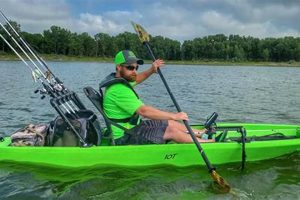
This activity involves angling from a small, human-powered vessel in the Pacific Ocean waters bordering the western edge of North America. It offers access to diverse marine environments, from sheltered bays and estuaries to open ocean areas, depending on skill level and conditions. This method allows anglers to target a variety of species, including rockfish, halibut, salmon, and lingcod.
Nearshore angling from kayaks provides a unique blend of sport, recreation, and connection with nature. It offers a low-impact way to experience the marine environment while pursuing prized game fish. Historically, indigenous peoples of the region utilized small watercraft for fishing and transportation, demonstrating a long-standing relationship between humans and the coastal waters. Modern advancements in kayak design and fishing gear have made this activity more accessible and popular.
Further exploration of this topic will cover essential equipment, safety considerations, popular fishing locations, species-specific techniques, and the importance of conservation practices.
Tips for Pacific Kayak Angling
Preparation and careful consideration are essential for a successful and safe experience on the water. The following tips offer guidance for anglers of all skill levels.
Tip 1: Check Weather and Tides: Consult marine forecasts before departing. Wind, swell, and fog can significantly impact safety and fishing conditions. Tidal currents should also be considered, particularly when fishing near inlets or estuaries.
Tip 2: Dress for Immersion: Water temperatures are often colder than air temperatures. Wearing appropriate layers and a personal flotation device (PFD) is crucial for safety in case of capsizing.
Tip 3: Plan Your Route: Identify launch points, potential fishing areas, and landmarks. Inform someone on shore of your planned route and estimated return time.
Tip 4: Choose Appropriate Gear: Select a kayak and paddle suitable for the intended environment and fishing style. Fishing gear should be matched to the target species.
Tip 5: Practice Kayak Handling: Develop proficiency in basic paddling strokes, maneuvering, and self-rescue techniques before venturing into open water. Consider taking a kayaking safety course.
Tip 6: Respect Wildlife and the Environment: Practice catch-and-release whenever possible. Adhere to local fishing regulations and pack out all trash.
Tip 7: Be Aware of Other Vessels: Maintain visibility with bright clothing and navigation lights. Understand and follow boating regulations and right-of-way rules.
Careful planning and adherence to safety guidelines contribute significantly to an enjoyable and productive experience on the water. These tips offer a starting point for anglers seeking to engage in this rewarding activity.
By following these guidelines, anglers can maximize their chances of success while minimizing risks, fostering a sustainable and enjoyable approach to this unique fishing style.
1. Safety

Safety is paramount in Pacific kayak angling due to the inherent risks of navigating open waters in a small vessel. Cold water temperatures, changing weather conditions, and potential interactions with marine wildlife necessitate careful planning and preparation. Neglecting safety precautions can lead to serious incidents, including capsizing, hypothermia, or encounters with hazardous marine life. For instance, an unexpected shift in wind conditions can create challenging waves and increase the risk of capsize, especially for less experienced kayakers. A reliable personal flotation device (PFD) is essential in such situations. Similarly, understanding tidal currents is crucial for navigating safely near inlets and estuaries, preventing anglers from being swept into dangerous areas.
Several factors contribute to enhancing safety during kayak fishing trips. Regularly checking marine weather forecasts allows anglers to anticipate potentially hazardous conditions and make informed decisions about whether to embark. Carrying essential safety equipment, such as a VHF radio, signaling devices, and a first-aid kit, can prove invaluable in emergencies. Furthermore, informing someone on shore of the planned route and estimated return time provides an additional layer of security. Practical experience in handling a kayak in various conditions, including self-rescue techniques, is also highly recommended. For example, practicing re-entry into a kayak after a capsize in calm water can build confidence and essential skills for handling unexpected situations.
A comprehensive understanding of safety protocols is indispensable for responsible kayak angling. Minimizing risks through proper planning, appropriate equipment, and continuous awareness of environmental conditions contributes significantly to a positive and incident-free experience. Challenges such as unpredictable weather patterns and remote locations underscore the importance of preparedness and proactive safety measures. Ultimately, a commitment to safety fosters a sustainable and enjoyable approach to this demanding yet rewarding activity.
2. Equipment
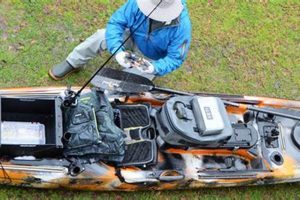
Specialized equipment plays a crucial role in successful and safe west coast kayak angling. The unique demands of this activity, combining paddling with fishing in a dynamic marine environment, necessitate careful selection of gear. Appropriate equipment directly influences an angler’s ability to navigate effectively, present baits or lures correctly, and land targeted species. An unsuitable kayak, for instance, might prove unstable in choppy conditions, compromising both fishing success and angler safety. Similarly, using a rod and reel designed for freshwater fishing may prove inadequate for the larger, more powerful species encountered in the Pacific Ocean. Selecting a kayak designed for stability and maneuverability in coastal waters provides a secure platform for casting and fighting fish. A paddle of appropriate length and blade shape enhances paddling efficiency, reducing fatigue and enabling access to wider fishing grounds. A fish finder designed for kayak use assists in locating productive fishing spots, increasing the likelihood of successful catches. For example, targeting rockfish near reefs requires a different setup than trolling for salmon in open water.
Matching equipment to specific target species and fishing techniques further optimizes success. Targeting bottom-dwelling species like halibut necessitates robust rods, heavy-duty reels, and specialized terminal tackle capable of withstanding the strain of deep-water fishing. Conversely, pursuing surface-feeding species like salmon requires lighter rods, faster reels, and lures designed to imitate their preferred prey. Employing specialized equipment, such as downriggers for trolling or drift socks for controlled drifting, can significantly enhance fishing effectiveness. For example, a downrigger allows precise depth control of lures when targeting specific depths where salmon are known to congregate. Similarly, a drift sock slows a kayak’s drift in windy conditions, keeping a bait or lure in the target zone for longer periods. The selection of appropriate fishing line, hooks, and lures or bait also significantly impacts the likelihood of successful hookups and landing fish.
Understanding the essential role of appropriate equipment contributes directly to a positive and productive experience. Investing in reliable, purpose-designed gear enhances both safety and efficiency on the water. This understanding allows anglers to adapt to diverse fishing situations and target a wider range of species. Addressing the challenges inherent in west coast kayak fishing requires careful consideration of equipment choices, balancing stability, maneuverability, and the specific demands of the chosen fishing style. Appropriate equipment choices ultimately contribute to a safer, more enjoyable, and more successful pursuit of this demanding yet rewarding activity.
3. Location
Location plays a critical role in west coast kayak fishing, influencing species availability, accessibility, and the overall experience. The vast coastline offers diverse environments, from sheltered bays and estuaries to exposed rocky shores and offshore kelp forests. Selecting a suitable location requires careful consideration of target species, prevailing conditions, and angler experience. A sheltered bay, for instance, may provide calm waters ideal for beginners targeting rockfish, while experienced anglers seeking larger game fish might venture further offshore to kelp forests or underwater canyons.
- Nearshore Environments:
Bays, estuaries, and protected coves offer calmer waters suitable for beginners. These areas often hold various species, including rockfish, halibut, and lingcod. Nearshore locations provide relatively easy access and reduced exposure to open ocean swells. However, tidal currents and shallow water can present navigational challenges, requiring careful planning and awareness of local conditions. Puget Sound, for example, offers numerous sheltered bays ideal for nearshore kayak fishing, while Morro Bay in central California provides similar opportunities further south. Understanding the specific characteristics of each nearshore environment is crucial for a safe and productive fishing experience.
- Kelp Forests:
Kelp forests provide habitat for numerous fish species, including rockfish, lingcod, and calico bass. These areas offer exciting fishing opportunities but require more experience and specialized kayak handling skills due to potential entanglement hazards and stronger currents. Navigating through dense kelp requires careful maneuvering and awareness of changing conditions. The Channel Islands off the coast of Southern California are renowned for their extensive kelp forests, attracting experienced kayak anglers seeking diverse species. Similarly, the northern California coast offers numerous kelp forest areas accessible to kayakers. Understanding the dynamics of kelp forest environments is essential for both fishing success and angler safety.
- Open Ocean:
Venturing further offshore allows access to pelagic species like tuna, yellowtail, and dorado. This type of kayak fishing requires advanced skills, specialized equipment, and thorough knowledge of open ocean conditions. Navigation, weather forecasting, and self-rescue techniques become paramount in these exposed environments. The waters off San Diego, for example, offer opportunities for open ocean kayak fishing, targeting pelagic species migrating along the coast. Similarly, anglers off the Oregon coast might venture offshore in search of albacore tuna. Open ocean kayak fishing presents significant challenges and requires meticulous planning and execution.
- River Mouths:
River mouths represent dynamic environments where freshwater and saltwater mix, attracting various species. These locations can offer excellent fishing for salmon, steelhead, and other migratory fish. However, strong currents and changing water conditions require careful consideration. The Columbia River mouth, for instance, presents challenging yet rewarding fishing opportunities for salmon and steelhead. Similarly, the Klamath River in northern California offers similar opportunities. Understanding the specific dynamics of river mouth environments, including tidal influences and current patterns, is crucial for successful kayak fishing.
Selecting an appropriate location based on skill level, target species, and prevailing conditions is fundamental to successful west coast kayak fishing. Each distinct environment, from sheltered bays to open ocean waters, offers unique opportunities and challenges. Careful consideration of location, combined with appropriate equipment and safety precautions, contributes significantly to a rewarding and safe experience. Understanding the specific characteristics and potential hazards of each location is crucial for maximizing fishing success while minimizing risks, fostering a sustainable and enjoyable approach to this unique fishing style.
4. Techniques

Effective techniques are essential for successful west coast kayak fishing, maximizing catch rates while adapting to the specific challenges of this unique angling style. The dynamic nature of the marine environment, combined with the limitations of fishing from a small, human-powered vessel, necessitates employing specialized methods. These techniques encompass a range of approaches, from lure presentation and retrieval to boat control and fish fighting strategies. Choosing the right technique often depends on factors such as target species, water depth, and prevailing conditions. An angler pursuing rockfish near a rocky reef, for example, would employ different techniques than someone trolling for salmon in open water. Understanding these specialized methods allows anglers to effectively target a variety of species while maintaining safety and maximizing their chances of success.
- Trolling
Trolling involves dragging lures or bait behind a moving kayak, covering a wider area and attracting pelagic species. This technique is particularly effective for targeting salmon, tuna, and other fish that actively pursue prey. Varying trolling speed and depth, often using downriggers or planer boards, allows anglers to present offerings at different levels of the water column. For example, trolling near the surface with a brightly colored lure might attract salmon feeding on baitfish, while using a downrigger to present a lure at a greater depth could target deeper-dwelling species. Trolling requires specialized equipment and knowledge of fish behavior, including preferred depths and feeding patterns.
- Bottom Fishing
Bottom fishing targets species inhabiting the seabed, such as halibut, lingcod, and various rockfish. This technique involves presenting bait or lures directly on or near the bottom, often using heavy weights and specialized rigs. Knowledge of bottom structure, including reefs, wrecks, and underwater canyons, increases the likelihood of encountering these species. For example, using a live bait rig near a rocky reef might attract rockfish seeking shelter and foraging opportunities, while presenting a large bait on the bottom near an underwater canyon could entice a halibut. Successful bottom fishing often involves understanding tidal currents and their influence on fish behavior.
- Drift Fishing
Drift fishing involves allowing the kayak to drift naturally with the current, presenting bait or lures to fish holding in specific areas. This technique is particularly effective in rivers, estuaries, and tidal zones, where currents carry bait and attract feeding fish. Controlling the drift speed with a drift sock or sea anchor allows anglers to maintain position and effectively cover the desired area. For example, drifting a live bait near a river mouth during an incoming tide might attract salmon entering the river to spawn. Understanding tidal flows and fish migration patterns is crucial for successful drift fishing.
- Casting and Retrieving
Casting and retrieving involves actively presenting lures to fish, imitating the movement of prey and triggering strikes. This technique is highly versatile, adaptable to various species and environments. Choosing the appropriate lure type, size, and color is crucial, depending on the target species and water clarity. For example, casting a surface lure near a kelp bed might entice a calico bass, while retrieving a metal jig near a rocky reef could attract a lingcod. Effective casting and retrieving requires skill in lure presentation, retrieval speed, and recognizing strikes.
Mastering these techniques is essential for consistent success in west coast kayak fishing. Each method offers unique advantages and addresses specific challenges presented by the diverse environments and target species encountered along the Pacific coast. Choosing the appropriate technique and adapting it to prevailing conditions significantly enhances an angler’s ability to locate, hook, and land desired fish. Furthermore, combining techniques, such as trolling to locate active fish and then switching to bottom fishing or casting once a productive area is identified, can maximize fishing success. Proficiency in these techniques, combined with a thorough understanding of fish behavior and local ecosystems, contributes significantly to a rewarding and productive kayak fishing experience.
5. Species
The diverse range of fish species inhabiting the Pacific waters off the western coast of North America presents a significant attraction for kayak anglers. Targeting specific species requires understanding their habitat preferences, feeding behaviors, and seasonal availability. This knowledge influences location choices, tackle selection, and fishing techniques employed. The ability to identify targeted species is also crucial for adhering to local fishing regulations, ensuring sustainable practices and preserving fish populations for future generations. The following sections explore key species commonly targeted by kayak anglers in this region.
- Rockfish
Numerous rockfish species inhabit nearshore rocky reefs and kelp forests, offering readily accessible targets for kayak anglers. These fish exhibit a wide range of colors and patterns, often blending seamlessly with their surroundings. Species like black rockfish, blue rockfish, and vermilion rockfish are common catches. Their preference for structure makes them susceptible to bottom fishing techniques using bait or lures. Understanding local regulations regarding rockfish species, including size limits and seasonal closures, is crucial for responsible angling.
- Halibut
Halibut, a prized flatfish species, represents a challenging yet rewarding target for experienced kayak anglers. These ambush predators inhabit sandy or muddy bottoms, often near reefs or drop-offs. Targeting halibut requires specialized tackle and techniques, typically involving presenting large baits on the bottom. Their considerable size and powerful fighting ability present an exciting challenge. Adhering to size limits and catch regulations is essential for maintaining healthy halibut populations.
- Salmon
Salmon species, including Chinook (King), Coho (Silver), and Pink salmon, migrate along the west coast, offering seasonal fishing opportunities for kayak anglers. These fish are often targeted using trolling techniques with lures or bait, intercepting them as they move along their migratory routes. Knowledge of salmon runs and preferred feeding patterns enhances success rates. Understanding and adhering to specific regulations for each salmon species is crucial for conservation efforts. For example, certain areas may have restrictions on fishing for wild salmon populations while allowing harvest of hatchery-raised fish.
- Lingcod
Lingcod, a voracious predator inhabiting rocky reefs and kelp forests, presents an exciting target for kayak anglers. These fish possess impressive size and striking markings, often exhibiting aggressive feeding behavior. Bottom fishing techniques with live or artificial bait are effective for targeting lingcod. As with other species, understanding and following local regulations regarding size limits and catch restrictions is essential for responsible fishing practices. Specific areas may also have seasonal closures to protect spawning lingcod.
Targeting these and other species in the context of west coast kayak fishing requires a nuanced understanding of their individual behaviors, habitat preferences, and the applicable regulations. Combining this knowledge with appropriate techniques and equipment significantly enhances the likelihood of a successful and sustainable fishing experience. Furthermore, respecting size limits, catch restrictions, and seasonal closures contributes to the long-term health of these valuable fish populations. The diversity of species available to kayak anglers along the west coast underscores the rich biodiversity of the region and the importance of responsible fishing practices.
6. Regulations
Regulations governing west coast kayak fishing are essential for maintaining healthy fish populations, protecting fragile ecosystems, and ensuring equitable access to resources. These regulations, often complex and varying by location and species, address key aspects of fishing activity, including size limits, catch limits, seasonal closures, gear restrictions, and permitted fishing areas. Understanding and adhering to these rules is not merely a legal obligation but a critical component of responsible angling. For example, size limits protect juvenile fish, allowing them to reach maturity and contribute to the breeding population. Ignoring size limits can disrupt the natural balance of the ecosystem and jeopardize the long-term sustainability of the fishery. Similarly, seasonal closures often coincide with spawning periods, safeguarding vulnerable fish during critical life stages. Disregarding these closures can negatively impact reproductive success and threaten the future of the species.
Specific examples illustrate the practical significance of regulations. In California, rockfish regulations vary by species and location, with some areas designated as Rockfish Conservation Areas with stricter rules. Anglers targeting rockfish must be aware of these specific regulations, including depth restrictions and species-specific size and bag limits. Similarly, salmon fishing regulations on the west coast are complex, varying by species, time of year, and location. Anglers pursuing salmon must understand the specific regulations for the area they are fishing, including allowable gear and daily catch limits. Ignoring these regulations can result in fines, license revocation, and contribute to the depletion of valuable fish stocks. Moreover, some areas may have specific regulations regarding the use of certain types of fishing gear, such as restrictions on the number of hooks allowed when fishing for certain species. These gear restrictions aim to minimize bycatch and reduce the impact on non-target species.
A comprehensive understanding of applicable regulations is fundamental to ethical and sustainable west coast kayak fishing. Compliance with these rules ensures the long-term health of fish populations, preserves the integrity of marine ecosystems, and promotes equitable access for all anglers. Challenges related to enforcement and angler awareness underscore the ongoing need for education and responsible fishing practices. Ultimately, adherence to regulations contributes not only to the preservation of valuable natural resources but also to the continued enjoyment of this unique and rewarding activity for future generations. The complexity of these regulations necessitates diligent research and a commitment to staying informed about current rules and any changes that may occur.
Frequently Asked Questions
This section addresses common inquiries regarding Pacific coast kayak angling, providing concise and informative responses to facilitate a better understanding of this activity.
Question 1: What are the essential safety precautions for kayak fishing on the west coast?
Essential safety measures include wearing a personal flotation device (PFD), checking weather forecasts before departure, informing someone of the planned route and return time, carrying communication devices (VHF radio, cell phone), and having basic kayak handling skills, including self-rescue techniques.
Question 2: What type of kayak is best suited for fishing in Pacific waters?
Kayaks designed for stability and maneuverability in coastal conditions are recommended. Sit-on-top kayaks offer advantages in terms of stability and self-rescue, while sit-inside kayaks provide better protection from the elements. Consider factors such as storage capacity for gear and angler comfort when selecting a kayak.
Question 3: What fishing gear is recommended for beginners?
A medium-weight spinning rod and reel combination suitable for a variety of species is a good starting point. Essential terminal tackle includes hooks, weights, swivels, and fishing line appropriate for the target species. Consult local tackle shops for recommendations based on specific fishing locations and target species.
Question 4: Where can one find information on local fishing regulations?
State fish and wildlife agencies provide detailed information on fishing regulations, including license requirements, size and catch limits, seasonal closures, and gear restrictions. Consult official websites or contact local offices for specific regulations pertaining to the intended fishing area.
Question 5: What are the primary challenges associated with kayak fishing in this region?
Challenges include unpredictable weather conditions, cold water temperatures, potential encounters with marine wildlife, navigating strong currents and tides, and the need for specialized kayak handling skills. Proper preparation, safety awareness, and experience mitigate these challenges.
Question 6: What are the benefits of kayak fishing compared to fishing from larger boats?
Kayak fishing offers a closer connection with nature, access to shallow and hard-to-reach areas, affordability, and a low-impact approach to angling. It provides a unique perspective on the marine environment and a more physically engaging fishing experience.
Careful consideration of safety precautions, equipment selection, local regulations, and specific fishing techniques contributes to a successful and enjoyable kayak fishing experience on the Pacific coast. Prioritizing safety and responsible angling practices ensures the sustainability of this activity and the preservation of valuable marine resources.
Further exploration of this topic might include detailed species-specific fishing guides, advanced kayak handling techniques, or an overview of popular fishing locations along the west coast.
West Coast Kayak Fishing
West coast kayak fishing presents a unique blend of challenges and rewards. Successful engagement requires careful consideration of safety protocols, appropriate equipment selection, informed location choices, effective fishing techniques, species-specific knowledge, and adherence to local regulations. These elements contribute not only to angler success but also to the long-term sustainability of valuable marine resources.
The dynamic and diverse nature of the Pacific coastal environment demands a thoughtful and responsible approach to kayak angling. Continued learning, enhanced awareness of environmental conditions, and a commitment to conservation practices will ensure the future of this rewarding activity. This pursuit offers a unique opportunity to connect with the natural world, experience the thrill of the catch, and contribute to the preservation of marine ecosystems for generations to come.