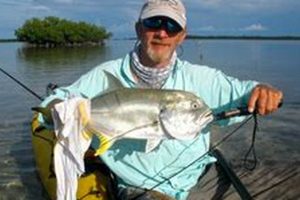
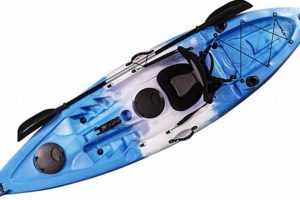
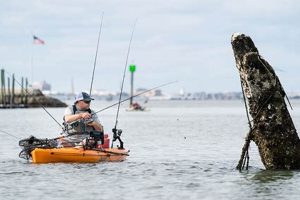
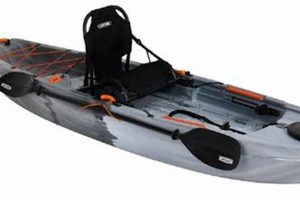
A tandem inflatable kayak designed for angling offers portability and convenience. Typically constructed from durable, puncture-resistant materials, these vessels incorporate features like rod holders, adjustable seats, and storage compartments tailored to the needs of anglers. They provide an accessible and versatile option for fishing in diverse environments, from calm lakes to slow-moving rivers.
The portability of such watercraft allows anglers to access remote fishing spots often unreachable by larger, traditional boats. Their inflatable nature makes them easy to transport and store, requiring minimal space compared to rigid kayaks. Historically, fishing from small, maneuverable vessels has been a common practice. Modern materials and design have elevated this tradition, offering enhanced stability, durability, and specialized features catered to contemporary fishing techniques. This style of watercraft significantly expands fishing opportunities while minimizing the logistical challenges associated with boat ownership.
Further exploration will cover essential topics related to selecting, using, and maintaining these specialized vessels. This includes discussions on material and construction considerations, inflation and deflation procedures, safety precautions, recommended accessories, and proper storage techniques.
Tips for Tandem Inflatable Kayak Fishing
Proper preparation and mindful practices enhance safety and enjoyment while fishing from a tandem inflatable kayak. The following tips offer valuable insights for optimizing the experience.
Tip 1: Weight Distribution: Balanced loading is crucial for stability. Gear should be distributed evenly throughout the vessel, with heavier items placed low and centrally. This prevents tipping and improves tracking.
Tip 2: Paddle Synchronization: Coordinated paddling improves speed and efficiency. Partners should establish a rhythm and communicate to maintain synchronized strokes.
Tip 3: Anchor Deployment: A well-placed anchor maintains position in desired fishing locations. Consider water depth and current when selecting an appropriate anchoring system. Securely attach the anchor line to designated points on the kayak.
Tip 4: Safety Gear: Personal flotation devices (PFDs) are essential for all occupants. Carry a whistle for signaling, a first-aid kit for emergencies, and a bilge pump for removing water. A communication device, such as a waterproof cell phone or VHF radio, is recommended.
Tip 5: Fishing Equipment Organization: Organize fishing rods, tackle boxes, and other gear for easy access. Utilize designated storage compartments and rod holders to prevent clutter and maintain a safe environment.
Tip 6: Weather Awareness: Check weather forecasts before embarking. Avoid fishing in strong winds, lightning storms, or other hazardous conditions. Be prepared to return to shore promptly if conditions deteriorate.
Adhering to these guidelines enhances safety, improves fishing success, and contributes to a more enjoyable experience on the water. Proper planning and careful execution ensure a rewarding outing for both anglers.
By understanding the nuances of using a tandem inflatable fishing kayak and applying these practical tips, anglers can maximize their time on the water and enjoy successful, memorable fishing trips.
1. Capacity (two anglers)

Capacity, specifically designed for two anglers, is a defining characteristic of these specialized kayaks. Understanding the implications of this two-person capacity is crucial for maximizing enjoyment and ensuring a safe and efficient fishing experience. This involves considerations of combined weight, gear storage, and coordinated movement within the vessel.
- Combined Weight Capacity:
Every tandem inflatable kayak has a maximum weight capacity. This limit encompasses the combined weight of both anglers and all gear. Exceeding this limit compromises stability and can lead to unsafe conditions, particularly in challenging water. Adhering to manufacturer specifications regarding weight capacity is paramount for safety and optimal performance. Proper weight distribution within the kayak also plays a crucial role in maintaining balance and maneuverability.
- Space and Comfort:
While designed for two individuals, the available space within a tandem inflatable kayak needs careful consideration. Sufficient room for comfortable seating, movement, and casting is essential for an enjoyable fishing experience. Factors such as individual body size and the presence of fishing gear contribute to the overall space requirements. Selecting a model with ample space for both occupants and equipment enhances comfort and minimizes interference during fishing activities.
- Coordination and Communication:
Two anglers sharing a single vessel necessitates effective coordination and communication. Synchronized paddling is crucial for efficient movement and maintaining directional control. Clear communication is also essential for navigating obstacles, landing fish, and responding to changing conditions. Practicing paddling techniques and establishing communication protocols enhance teamwork and improve the overall fishing experience.
- Gear Storage and Accessibility:
Tandem inflatable kayaks often incorporate dedicated storage compartments for fishing gear. However, sharing this space requires careful organization and consideration for accessibility. Distributing gear evenly and ensuring essential items are within easy reach for both anglers streamlines fishing activities and minimizes disruptions. Efficient gear management contributes to a more productive and enjoyable experience on the water.
The two-person capacity influences various aspects of the fishing experience, from safety considerations to practical organization. Careful consideration of combined weight, available space, communication strategies, and gear management ensures optimal performance and maximizes the enjoyment of shared fishing excursions in a tandem inflatable kayak.
2. Material (Durable, puncture-resistant)

Material selection is paramount for inflatable kayak longevity and performance, particularly in fishing applications. Durable, puncture-resistant materials are essential for withstanding the rigors of on-water use, including potential contact with sharp objects, abrasive surfaces, and aquatic life. Understanding the properties and characteristics of commonly used materials informs appropriate selection and ensures safe and reliable performance in diverse fishing environments.
- Polyvinyl Chloride (PVC):
PVC is a widely used material in inflatable kayak construction due to its affordability and reasonable durability. Multiple layers of PVC, often reinforced with polyester or nylon, enhance puncture resistance and overall strength. While generally durable, PVC can be susceptible to damage from prolonged sun exposure and extreme temperatures. Its relative affordability makes it a common choice for recreational kayaks, although higher-end models may utilize more robust materials.
- Hypalon:
Hypalon is a synthetic rubber known for its exceptional durability, UV resistance, and chemical inertness. It offers superior resistance to abrasion, punctures, and environmental degradation compared to PVC. Hypalon kayaks are typically more expensive but offer enhanced longevity and resilience in demanding conditions. This material is often favored for professional-grade or heavy-duty inflatable kayaks designed for challenging environments.
- Nitrylon:
Nitrylon is a rubber-coated fabric that combines the strength and flexibility of nylon with the airtight properties of rubber. This material offers excellent resistance to abrasion and punctures while remaining lightweight and pliable. Nitrylon kayaks often represent a balance between the affordability of PVC and the extreme durability of Hypalon, making them a suitable choice for a range of fishing applications.
- Reinforced Fabrics:
Various reinforced fabrics, such as ripstop nylon and polyester, contribute to the structural integrity and puncture resistance of inflatable kayaks. These fabrics are often incorporated into multiple layers of the kayak’s construction, providing additional reinforcement in high-stress areas. The type and density of the reinforcement influence the kayak’s overall durability and resistance to tears and punctures.
The material composition of a two-person inflatable fishing kayak directly impacts its durability, longevity, and overall performance. Selecting a kayak constructed from appropriate materials ensures resilience against punctures, abrasion, and environmental factors, ultimately contributing to a safer and more reliable fishing experience. Understanding the properties and characteristics of various materials empowers informed decision-making and facilitates the selection of a kayak suited to specific fishing needs and environmental conditions.
3. Portability (Inflatable design)

Portability, a direct consequence of inflatable design, significantly distinguishes these kayaks from rigid alternatives. This characteristic dramatically expands accessibility to diverse fishing locations, particularly those inaccessible to larger vessels or requiring arduous transport. The deflated kayak’s compact form allows for convenient storage in vehicles, closets, or even backpacks, eliminating the need for specialized storage solutions like roof racks or trailers. This ease of transport extends fishing opportunities to remote lakes, rivers, and coastal areas previously beyond reach.
Consider, for example, accessing a secluded alpine lake nestled amidst challenging terrain. Transporting a traditional rigid kayak to such a location would prove logistically complex, if not impossible. However, an inflatable kayak, easily packed and carried, readily facilitates exploration of these otherwise inaccessible fishing grounds. Similarly, urban anglers residing in apartments or lacking dedicated storage space benefit significantly from the inflatable design’s portability. The ability to inflate and deflate the kayak as needed eliminates storage constraints and allows participation in the sport regardless of living arrangements. This portability extends beyond geographical limitations, simplifying travel logistics for fishing expeditions. Inflatable kayaks readily accompany anglers on airplanes, trains, or buses, expanding fishing horizons beyond local waterways.
The portability afforded by inflatable design directly addresses key challenges associated with traditional kayak ownership and usage. It reduces storage burdens, expands access to remote fishing destinations, and simplifies travel logistics. This fundamental characteristic significantly enhances the versatility and overall appeal of two-person inflatable fishing kayaks, opening up a world of fishing opportunities previously constrained by logistical limitations. Understanding the practical implications of this portability empowers anglers to make informed decisions and maximize their fishing experiences.
4. Stability (Balanced design)

Stability is a critical performance attribute in two-person inflatable fishing kayaks, directly influencing safety and fishing efficacy. A balanced design, achieved through careful consideration of hull shape, width, and weight distribution, is essential for maintaining equilibrium and minimizing the risk of capsizing, especially during activities like casting and landing fish. This balanced design contributes significantly to angler confidence and allows for focused fishing, unhindered by concerns about stability.
- Hull Design and Shape:
The hull’s shape plays a crucial role in determining a kayak’s stability. Wider, flatter hulls generally offer greater primary stability, providing a secure and stable platform at rest. However, this design can compromise maneuverability and tracking in moving water. Conversely, narrower, V-shaped hulls enhance tracking and speed but sacrifice some initial stability. Two-person inflatable fishing kayaks often incorporate design elements that balance stability and maneuverability, such as a moderately wide hull with a slight rocker (upward curve at the bow and stern) for enhanced performance in various water conditions.
- Width and Weight Capacity:
The kayak’s width directly correlates with its stability. Wider kayaks provide a broader base of support, increasing resistance to tipping. However, excessive width can hinder paddling efficiency and maneuverability. The weight capacity, as specified by the manufacturer, must be strictly adhered to for optimal stability. Exceeding this limit compromises the kayak’s balance and increases the risk of capsizing. Selecting a kayak with appropriate width and weight capacity for the intended use is crucial for ensuring a safe and stable fishing platform.
- Weight Distribution and Balance:
Proper weight distribution within the kayak is paramount for maintaining stability. Distributing gear and occupants evenly throughout the vessel, with heavier items placed low and centrally, optimizes balance and minimizes the risk of tipping. Uneven weight distribution can lead to instability, particularly during movement or when encountering waves or currents. Careful consideration of weight placement is essential for maintaining equilibrium and ensuring a safe and comfortable fishing experience.
- Inflated Chambers and Pressure:
Most two-person inflatable fishing kayaks utilize multiple independent air chambers. This design feature enhances safety by providing buoyancy even if one chamber is punctured. Maintaining proper air pressure in all chambers is crucial for structural rigidity and optimal stability. Under-inflated chambers compromise the kayak’s shape and stability, increasing the risk of capsizing. Regularly checking and adjusting air pressure according to manufacturer recommendations ensures consistent performance and enhances safety.
Stability in a two-person inflatable fishing kayak is a complex interplay of design elements, weight management, and operational practices. Understanding these factors and adhering to recommended guidelines contributes significantly to a safe, stable, and ultimately more productive fishing experience. A balanced design, coupled with mindful weight distribution and proper inflation, empowers anglers to confidently focus on fishing, knowing their vessel provides a secure and reliable platform on the water.
5. Specialized features (Rod holders, storage)

Specialized features, such as integrated rod holders and strategically placed storage compartments, distinguish fishing-specific inflatable kayaks from general recreational models. These purpose-built features enhance angling efficiency and overall enjoyment by providing secure rod storage, facilitating tackle organization, and maximizing usable space within the vessel. The presence and design of these features directly influence an angler’s ability to effectively manage equipment, maintain focus on fishing, and respond quickly to opportunities. Consider a scenario where an angler hooks a fish while trolling. Without dedicated rod holders, securing the rod safely becomes challenging, potentially leading to entanglement or even loss of the rod. Integrated rod holders allow for immediate and secure placement of other rods, enabling the angler to focus on reeling in the catch. Similarly, well-designed storage compartments keep essential tackle readily accessible, minimizing disruptions during critical moments.
Storage capacity and configuration vary significantly across different kayak models. Some feature large, open compartments ideal for storing tackle boxes and larger items, while others incorporate smaller, specialized compartments designed for specific accessories like fish finders or battery packs. The location and accessibility of these compartments also influence their practicality. Easy-to-reach compartments positioned within the cockpit allow for quick retrieval of essential items without compromising stability. Additionally, specialized features like integrated anchor trolleys, paddle parks, and D-rings for attaching accessories further enhance the functionality of fishing-specific kayaks. These features contribute to a more organized, efficient, and ultimately more successful fishing experience.
The thoughtful integration of specialized features like rod holders and storage solutions directly impacts the overall utility and enjoyment of a two-person inflatable fishing kayak. These features are not mere add-ons but integral components that enhance angling functionality and efficiency. Understanding the practical significance of these features empowers informed purchasing decisions and contributes to a more rewarding and productive fishing experience on the water. Evaluating these elements alongside other key considerations like material durability, stability, and portability ensures selection of a kayak optimized for individual fishing needs and preferences.
Frequently Asked Questions
This section addresses common inquiries regarding two-person inflatable fishing kayaks, providing concise and informative responses to facilitate informed decision-making and promote safe and effective usage.
Question 1: How durable are inflatable fishing kayaks compared to traditional hard-shell kayaks?
While hard-shell kayaks generally offer greater inherent rigidity, inflatable kayaks constructed from durable, puncture-resistant materials like PVC, Hypalon, or Nitrylon demonstrate remarkable resilience in typical fishing environments. Proper care and maintenance ensure comparable longevity.
Question 2: Are these kayaks stable enough for standing and casting?
Stability varies depending on design and weight distribution. Wider, flatter hulls generally offer enhanced stability suitable for standing and casting, although caution is always advised. Adhering to manufacturer weight limits and distributing weight evenly is crucial for maximizing stability.
Question 3: How long does it take to inflate and deflate a two-person model?
Inflation and deflation times vary based on kayak size and pump type. Most models inflate within 5-10 minutes using high-volume pumps. Deflation typically takes less time.
Question 4: What safety precautions should one consider when using these kayaks for fishing?
Wearing personal flotation devices (PFDs) is paramount. Checking weather forecasts, carrying essential safety gear like a whistle and first-aid kit, and informing someone of fishing plans are crucial safety practices.
Question 5: Can these kayaks handle rough water or challenging conditions?
While inflatable kayaks perform admirably in calm to moderate conditions, they are generally less suited for challenging environments like open ocean or fast-flowing rivers. Manufacturer guidelines regarding water conditions should be strictly adhered to.
Question 6: What maintenance is required for an inflatable fishing kayak?
Rinsing the kayak with fresh water after each use, allowing it to dry completely before storage, and periodically inspecting for damage are essential maintenance practices. Proper storage in a cool, dry place prolongs lifespan.
Understanding these key aspects empowers informed selection and promotes safe, enjoyable fishing experiences. Careful consideration of individual needs and intended usage ensures optimal kayak performance and contributes to rewarding time on the water.
The subsequent section delves into specific product recommendations, highlighting top-rated two-person inflatable fishing kayaks based on performance, features, and value.
Conclusion
Tandem inflatable fishing kayaks offer a compelling blend of portability, performance, and specialized functionality. Careful consideration of material durability, stability, capacity, and integrated features like rod holders and storage compartments ensures selection of a vessel optimized for individual angling needs. Understanding operational aspects, including weight distribution, paddling techniques, and safety precautions, contributes significantly to a successful and enjoyable fishing experience. Proper maintenance practices, such as regular cleaning and appropriate storage, maximize kayak lifespan and preserve performance.
The evolution of inflatable kayak design and technology continues to expand angling opportunities, facilitating access to remote waters and minimizing logistical constraints associated with traditional boat ownership. Informed decision-making, coupled with responsible usage and maintenance, ensures these versatile vessels provide years of reliable service, connecting anglers with the rewarding pursuit of fishing in diverse environments.