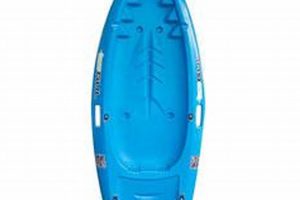
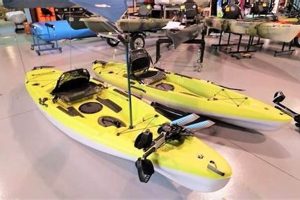
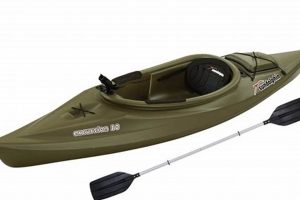
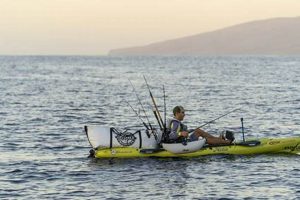
High-quality fishing kayaks designed specifically for angling, yet remaining accessible within a budget of $1,500, offer a compelling entry point into kayak fishing. These vessels typically incorporate features like rod holders, ample storage for tackle and gear, and comfortable seating arrangements designed for extended fishing trips. An example would be a sit-on-top kayak constructed from durable polyethylene, equipped with adjustable footrests, and featuring dedicated compartments for storing bait and fishing rods.
Affordability coupled with specialized design makes these kayaks attractive to both novice and experienced anglers. They provide a stable and efficient platform for fishing in various environments, from calm lakes and rivers to coastal waters. This democratization of access to specialized fishing equipment allows more individuals to enjoy the sport without substantial financial investment. Historically, specialized fishing kayaks were significantly more expensive, limiting accessibility. Advancements in manufacturing and materials have facilitated the production of high-quality kayaks at more competitive price points.
The subsequent sections will delve into specific kayak models within this price range, exploring their respective features, performance characteristics, and suitability for various fishing styles and environments. Further discussion will cover essential accessories, safety considerations, and maintenance tips relevant to these kayaks.
Tips for Selecting a Fishing Kayak Under $1,500
Choosing a fishing kayak requires careful consideration of various factors to ensure the vessel aligns with individual needs and preferences. The following tips provide guidance for selecting an appropriate fishing kayak within a $1,500 budget.
Tip 1: Prioritize Stability and Hull Design. Wider kayaks generally offer greater stability, particularly beneficial for stand-up fishing. Consider a pontoon-style hull or a wider sit-on-top design for enhanced stability.
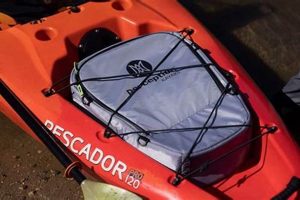
Tip 2: Evaluate Storage Capacity. Ample storage is crucial for carrying tackle boxes, fishing rods, and other gear. Look for kayaks with dedicated storage compartments, bungee cords, and tank wells.
Tip 3: Consider Weight Capacity. Ensure the kayak’s weight capacity accommodates the angler’s weight, plus gear and potential catches. Exceeding the weight limit can compromise stability and performance.
Tip 4: Assess Seating Comfort and Adjustability. Extended fishing trips require comfortable seating. Look for adjustable seats with good back support and padding. Consider whether a higher or lower seat position is preferred.
Tip 5: Factor in Transportation and Storage. Consider the kayak’s length and weight for ease of transport and storage. Roof racks or trailers might be necessary for longer kayaks. Compact, lighter models are easier to handle.
Tip 6: Research Material Durability and Maintenance. Polyethylene kayaks are durable and require minimal maintenance. Consider UV resistance for longevity. Inspect potential purchases for any signs of damage or wear.
Tip 7: Explore Additional Features. Features like rod holders, paddle clips, anchor trolleys, and rudder systems enhance the fishing experience. Evaluate which features align with specific fishing styles and needs.
Careful consideration of these factors will ensure a well-informed purchase decision, leading to a satisfying and productive fishing experience.
This guidance facilitates informed decision-making within budget constraints, setting the stage for a successful kayak fishing experience.
1. Stability

Stability stands as a critical feature in evaluating fishing kayaks, particularly within the $1,500 price bracket. A stable platform is essential for safe and effective angling, enabling casting, reeling, and landing fish without the risk of capsizing. This is especially crucial when fishing in challenging conditions such as windy weather or moving water. Stability directly influences an angler’s ability to focus on fishing rather than constantly correcting balance. Kayak stability is largely determined by hull design. Wider, flatter hulls provide more initial stability, making them suitable for calmer waters and stand-up fishing. Longer, narrower hulls, while less stable initially, offer better tracking and speed, suitable for covering larger distances. Within the $1,500 range, manufacturers often employ design features like pontoon-style hulls or wider sit-on-top designs to enhance stability without compromising performance.
Consider two hypothetical kayaks: Kayak A, a wider, shorter model with a flat hull, and Kayak B, a longer, narrower model with a V-shaped hull. Kayak A offers excellent initial stability, allowing anglers to stand and cast comfortably in calm conditions. However, it might feel sluggish and less maneuverable in windy conditions. Kayak B, while requiring more balance, cuts through waves and tracks efficiently in moving water. Choosing between these designs depends on the intended fishing environment and the angler’s experience level. A beginner angler fishing primarily on calm lakes might prioritize the stability of Kayak A, while an experienced angler fishing in coastal waters might prefer the performance of Kayak B. The $1,500 price range offers a variety of kayaks with different hull designs, allowing anglers to choose the stability characteristics that best suit their needs.
Understanding the relationship between stability and kayak design is paramount for making an informed purchase decision. While stability is a crucial safety consideration, it needs to be balanced with other performance factors like speed and maneuverability. The $1,500 price point provides options that effectively balance these considerations, offering kayaks suitable for diverse fishing styles and environments. Choosing a kayak with appropriate stability characteristics enhances safety, improves fishing efficiency, and contributes to a more enjoyable on-the-water experience.
2. Storage Capacity

Storage capacity is a defining characteristic of top fishing kayaks under $1,500. Adequate storage directly impacts fishing efficacy and overall enjoyment. Kayaks designed for angling require space for tackle boxes, rods, reels, safety gear, and potentially fish finders or other electronic equipment. Insufficient storage can lead to a cluttered deck, hindering movement and casting, and potentially compromising safety. Conversely, ample storage promotes organization, efficiency, and a more enjoyable fishing experience. A kayak with dedicated compartments for different gear types, along with bungee cords and tank wells, exemplifies effective storage design.
Consider two scenarios: an angler with limited storage struggles to manage gear, constantly shifting items and risking losing equipment overboard. This angler’s focus shifts from fishing to managing clutter, diminishing the overall experience. Conversely, an angler with ample storage enjoys a well-organized deck, easily accessing necessary equipment and maintaining focus on the task at hand. This illustrates the practical significance of storage capacity within the context of fishing kayaks.
Within the $1,500 price range, manufacturers offer various storage solutions. Some kayaks feature large open storage areas, while others provide specialized compartments for specific gear. Evaluating storage needs based on intended fishing style and equipment is crucial. Prioritizing storage capacity contributes significantly to a positive and productive fishing experience. Selecting a kayak with sufficient and well-designed storage within this budget optimizes on-the-water organization, enhances safety, and ultimately improves fishing success.
3. Weight Capacity

Weight capacity represents a critical factor influencing the performance and safety of top fishing kayaks under $1,500. This specification denotes the maximum combined weight of the angler, gear, and any potential catch the kayak can safely support. Exceeding this limit compromises stability, maneuverability, and potentially safety, increasing the risk of capsizing or structural damage. Understanding weight capacity is fundamental to selecting an appropriate kayak within this budget. Kayaks designed for larger individuals or those intending to carry substantial gear require a higher weight capacity. For example, an angler weighing 200 pounds with 50 pounds of gear requires a kayak with a minimum weight capacity of 250 pounds.
Consider two scenarios: an angler exceeding the weight capacity experiences reduced freeboard, making the kayak more susceptible to taking on water, impacting stability and maneuverability. Conversely, an angler operating within the specified weight capacity maintains optimal performance and safety. This illustrates the practical implications of weight capacity. Manufacturers often list weight capacity specifications prominently, aiding consumers in making informed decisions. Evaluating weight requirements based on individual needs and anticipated gear load is paramount. A lighter angler fishing with minimal gear requires less weight capacity than an angler carrying heavier equipment and potentially larger catches.
Selecting a kayak with appropriate weight capacity within a $1,500 budget directly influences on-the-water safety and performance. This factor requires careful consideration alongside other features like stability and storage capacity. Prioritizing weight capacity ensures optimal performance, enhances safety, and ultimately contributes to a more positive fishing experience. Disregarding weight capacity can jeopardize safety and significantly detract from fishing enjoyment.
4. Comfort

Comfort plays a crucial role in the overall fishing experience, particularly during extended trips. In the context of top fishing kayaks under $1,500, comfort directly influences an angler’s ability to remain focused and efficient on the water. Discomfort can lead to fatigue, reduced concentration, and a diminished enjoyment of the activity. Prioritizing comfort features within a specific budget ensures a more productive and enjoyable fishing experience.
- Seating
Seat design significantly impacts comfort levels. Adjustable seating systems with ample padding and lumbar support contribute to prolonged comfort, allowing anglers to maintain proper posture and reduce fatigue. A poorly designed seat can lead to backaches, stiffness, and a generally unpleasant experience. Within the $1,500 price range, kayaks often feature molded plastic seats or upgraded padded seats. Evaluating seat comfort during the selection process is crucial for long-term fishing enjoyment. A comfortable seat enables anglers to focus on fishing rather than physical discomfort.
- Legroom and Footrests
Adequate legroom and adjustable footrests are essential for maintaining a comfortable and stable position, particularly during long hours on the water. Cramped legroom restricts movement and can lead to discomfort and fatigue. Adjustable footrests allow anglers to customize their position for optimal comfort and control of the kayak. Kayaks within the $1,500 range often feature adjustable footrests, catering to various leg lengths and preferences.
- Deck Space and Layout
A well-designed deck layout contributes significantly to overall comfort and fishing efficiency. Ample deck space allows for easy movement and access to gear, preventing a cramped and cluttered feeling. Strategic placement of features like rod holders and cup holders minimizes reaching and bending, enhancing comfort and convenience. Kayaks within the $1,500 price point offer varying deck layouts, allowing anglers to choose a design that suits their fishing style and preferences.
- Stability and Handling
While not directly related to seating or physical comfort, stability and handling influence the overall comfort experience. A stable kayak instills confidence and reduces anxiety, allowing the angler to relax and focus on fishing. Easy maneuverability further enhances comfort by reducing the physical effort required to control the kayak. Kayaks within the $1,500 range often prioritize stability features, making them suitable for both novice and experienced anglers.
Considering these comfort features when selecting a fishing kayak within a $1,500 budget significantly enhances the overall fishing experience. A comfortable angler is a more focused and effective angler, leading to greater enjoyment and success on the water. Prioritizing comfort within budget constraints contributes to longer, more productive, and ultimately more satisfying fishing trips.
5. Durability

Durability stands as a critical factor influencing the long-term value and performance of top fishing kayaks under $1,500. A durable kayak withstands the rigors of regular use, including impacts, abrasion, and exposure to the elements, ensuring a longer lifespan and reduced maintenance costs. Evaluating durability requires consideration of materials, construction techniques, and overall design. This characteristic directly impacts the kayak’s ability to maintain performance over time, influencing the overall return on investment.
- Material Selection
The choice of material significantly impacts a kayak’s durability. Polyethylene kayaks, prevalent in the under $1,500 price range, offer excellent impact resistance and UV resistance, contributing to longevity. Higher-end materials, like rotomolded polyethylene, enhance durability further but may exceed this budget. Understanding the properties of different materials aids in assessing long-term durability. For example, a kayak constructed from high-density polyethylene will generally outlast one made from lower-grade plastics. Material selection represents the foundation of a kayak’s durability.
- Construction Techniques
Construction techniques, such as single-piece molding versus multi-piece construction, influence structural integrity and resistance to leaks. Single-piece construction typically results in a stronger, more durable hull. Examining seams, joints, and fittings provides insights into construction quality and potential weaknesses. For example, poorly sealed seams can lead to leaks and structural degradation over time. Careful assessment of construction techniques ensures long-term reliability.
- UV Resistance
Exposure to sunlight can degrade kayak materials, leading to fading, cracking, and reduced structural integrity. UV-resistant coatings and additives protect against sun damage, prolonging the kayak’s lifespan. Kayaks frequently exposed to sunlight require high UV resistance. A kayak lacking UV protection might become brittle and prone to damage after prolonged sun exposure. Prioritizing UV resistance ensures long-term performance and value retention.
- Hardware and Fittings
The quality of hardware components, such as handles, latches, and D-rings, contributes to overall durability. Durable hardware resists corrosion and wear, ensuring continued functionality over time. Rust-resistant stainless steel or marine-grade hardware exemplifies durable components. Lower-quality hardware can corrode, break, or become difficult to operate, impacting the kayak’s usability and lifespan. Careful inspection of hardware quality ensures long-term reliability and performance.
Prioritizing durability when selecting a fishing kayak within the $1,500 range ensures long-term value and consistent performance. A durable kayak withstands the rigors of regular use, minimizing maintenance costs and maximizing time on the water. Considering material selection, construction techniques, UV resistance, and hardware quality empowers informed decision-making. A durable kayak represents a sound investment, providing years of reliable service and contributing to a more enjoyable and productive fishing experience.
6. Fishing Features

Dedicated fishing features distinguish top fishing kayaks under $1,500 from recreational models. These features directly impact angling efficiency and overall enjoyment. Rod holders, strategically positioned for easy access and secure rod storage, exemplify a key feature. Integrated tackle storage compartments keep essential gear organized and readily available. Features like paddle parks or clips secure the paddle while fishing, preventing loss or interference. These specialized features contribute significantly to a productive and enjoyable fishing experience. For example, an angler using a kayak equipped with rod holders and tackle storage can maintain focus on fishing, rather than managing equipment. Conversely, an angler lacking these features might struggle with tangled lines and misplaced gear, impacting fishing success.
Further enhancing the fishing experience, some kayaks within this price range offer additional features like anchor trolleys, rudder systems, and transducer mounts. Anchor trolleys allow controlled drifting and precise positioning, crucial for specific fishing techniques. Rudder systems aid in navigating currents and wind, improving tracking and maneuverability. Transducer mounts facilitate the installation of fish finders, enhancing fish-finding capabilities. These features, while not always standard in this price range, represent valuable additions for serious anglers. For instance, an angler utilizing a rudder system can maintain course in challenging conditions, maximizing fishing time in productive areas. The presence and quality of these features directly correlate with the kayak’s suitability for specific fishing styles and environments.
Careful consideration of fishing features is paramount when selecting a kayak within the $1,500 budget. Prioritizing essential features like rod holders and tackle storage directly impacts on-the-water efficiency and enjoyment. Evaluating optional features, such as anchor trolleys and rudder systems, further refines the selection process based on individual fishing needs and preferences. Investing in a kayak equipped with appropriate fishing features optimizes angling performance and contributes significantly to a positive and productive fishing experience. The presence and quality of these features significantly influence long-term satisfaction and the kayak’s overall value proposition.
Frequently Asked Questions
This section addresses common inquiries regarding the selection and use of fishing kayaks within a $1,500 budget.
Question 1: What are the most important features to consider when selecting a fishing kayak under $1,500?
Key features include stability, storage capacity, weight capacity, comfort (particularly seating), durability, and specialized fishing features like rod holders and tackle storage. Balancing these features within budget constraints ensures optimal performance and enjoyment.
Question 2: How does hull design influence stability and performance?
Wider, flatter hulls offer greater initial stability, suitable for calmer waters and stand-up fishing. Longer, narrower hulls prioritize speed and tracking, ideal for covering distances and handling rougher conditions. Choosing the appropriate hull design depends on intended fishing environments and personal preferences.
Question 3: What materials are commonly used in fishing kayaks within this price range, and how do they impact durability?
Polyethylene is the most common material due to its durability, impact resistance, and affordability. Rotomolded polyethylene offers enhanced durability but might slightly exceed the budget. Understanding material properties informs long-term value assessments.
Question 4: What safety precautions should be taken when using a fishing kayak?
Essential safety precautions include wearing a personal flotation device (PFD), carrying a whistle or other signaling device, informing someone of fishing plans, checking weather conditions, and adhering to local boating regulations. Prioritizing safety enhances the overall fishing experience.
Question 5: How does one transport and store a fishing kayak?
Transportation options include roof racks, trailers, or truck beds. Storage solutions involve dedicated kayak storage racks, garages, or sheds. Considering transportation and storage logistics before purchase ensures practicality and convenience.
Question 6: What maintenance is required for a fishing kayak?
Regular maintenance includes rinsing the kayak after each use, especially in saltwater environments, and inspecting for damage. Storing the kayak out of direct sunlight prolongs its lifespan. Minimal maintenance preserves the kayak’s condition and ensures long-term performance.
Careful consideration of these frequently asked questions empowers informed purchasing decisions and contributes to a safe and enjoyable kayak fishing experience.
The next section will offer specific product recommendations based on the criteria discussed above.
Top Fishing Kayaks Under $1500
Careful evaluation of stability, storage, weight capacity, comfort, durability, and specialized fishing features are critical when selecting top fishing kayaks within a $1,500 budget. Prioritizing these aspects ensures a kayak aligns with individual angler needs and preferences. Understanding hull design influences stability and maneuverability, affecting performance in various water conditions. Ample storage capacity and appropriate weight capacity contribute to organized and safe fishing experiences. Comfort, particularly seating and legroom, directly impacts endurance and enjoyment during longer trips. Durability ensures long-term value and reliable performance, while specialized features like rod holders and transducer mounts enhance fishing efficiency.
Ultimately, selecting a top fishing kayak under $1,500 requires informed decision-making based on individual fishing styles, target species, and preferred environments. Investing time in research and careful consideration of these key factors empowers anglers to choose a kayak that optimizes performance, enhances enjoyment, and contributes to successful fishing experiences for years to come. The evolving landscape of kayak design and manufacturing continues to improve affordability and feature sets, offering anglers increasingly sophisticated options within this price range.