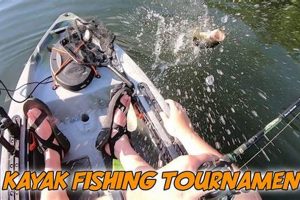
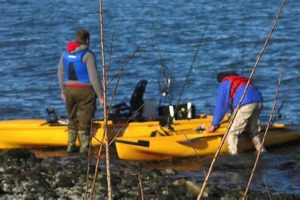
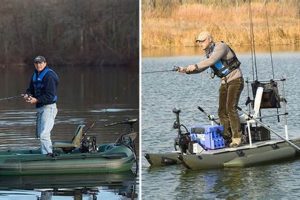
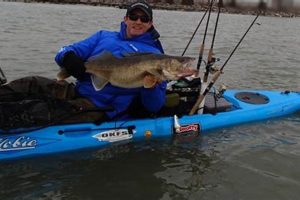
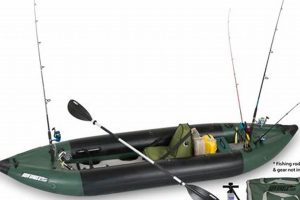
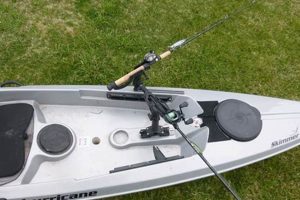
High-quality fishing kayaks manufactured in 2017 represent a specific segment of the kayak market, designed for anglers seeking specialized features. These features often included rod holders, tackle storage, and enhanced stability for on-the-water angling. Examples could include sit-on-top models for easier access to gear and water or sit-inside models for enhanced protection from the elements and increased storage capacity.
Kayaks built for fishing and released during that period offered significant advancements in design and technology compared to earlier models. This era witnessed a surge in popularity for kayak fishing, leading manufacturers to invest in research and development to meet the growing demand. These advancements often resulted in improved comfort, stability, and maneuverability, allowing anglers greater access to fishing locations previously unreachable by larger boats. The increased specialization also aimed to enhance the fishing experience itself, making it more efficient and enjoyable.
Understanding the context of the 2017 market helps current anglers evaluate older models and appreciate the evolution of kayak fishing technology. This exploration will delve into specific models, features, and manufacturers prominent during that period, providing valuable insight for both novice and experienced kayak anglers.
Tips for Selecting a 2017-Era Fishing Kayak
Choosing a pre-owned fishing kayak from the 2017 model year requires careful consideration of various factors to ensure a suitable vessel for individual angling needs. These tips offer guidance for navigating the selection process.
Tip 1: Evaluate Hull Design: Consider the fishing environment. A wider, flatter hull provides stability for calm waters, while a longer, V-shaped hull offers better tracking and performance in rougher conditions. Pontoon hulls provide exceptional stability but may sacrifice maneuverability.
Tip 2: Assess Storage Capacity: Adequate storage is crucial. Examine available compartments for tackle boxes, rods, and other gear. Consider whether integrated storage solutions meet specific needs.
Tip 3: Inspect Rod Holders: Evaluate the number, type, and placement of rod holders. Flush-mounted holders offer a streamlined profile, while adjustable holders provide versatility. Ensure their positioning aligns with preferred fishing techniques.
Tip 4: Check Seating Comfort: Comfort is essential for longer fishing trips. Look for adjustable seating systems and breathable materials to enhance comfort and reduce fatigue.
Tip 5: Consider Propulsion Options: Paddle kayaks offer a traditional experience, while pedal-driven versions provide hands-free fishing. Evaluate personal preferences and physical capabilities when considering propulsion methods.
Tip 6: Research Manufacturer Reputation: Research brands known for quality and durability. Consider online reviews and community forums for insights into specific models and manufacturer reliability within the 2017 market.
Tip 7: Inspect for Wear and Tear: Carefully examine a used kayak for signs of damage, such as cracks, deep scratches, or repairs. Pay close attention to stress points and areas prone to wear. Ensure the hull is sound and watertight.
By carefully considering these factors, anglers can select a 2017-era fishing kayak that meets their specific needs and provides years of enjoyable fishing experiences.
These tips offer a starting point for further research and hands-on evaluation. The next section will explore specific models and manufacturers popular in 2017.
1. Stability

Stability stands as a critical factor in evaluating fishing kayaks, particularly within the 2017 market segment. A stable platform allows anglers to cast, reel, and land fish effectively without compromising safety. Kayak stability directly impacts performance, comfort, and overall fishing success. The following facets illustrate the importance of stability in “top fishing kayaks 2017”.
- Hull Design and Stability
Hull design significantly influences stability. Wider, flatter hulls generally offer greater primary stability (initial resistance to tipping), beneficial for calm waters and stand-up fishing. 2017 models frequently featured these designs to cater to the growing popularity of stand-up fishing techniques. However, wider hulls can compromise maneuverability. Conversely, longer, V-shaped hulls enhance secondary stability (resistance to capsizing after tipping), improving performance in rough conditions, a feature found in some performance-oriented 2017 models designed for open water.
- Center of Gravity and Stability
Lower centers of gravity contribute to increased stability. Kayak design, seating position, and weight distribution impact the center of gravity. Many 2017 models incorporated lower seating positions to enhance stability. Anglers must also consider the impact of gear and body weight on overall balance. Careful weight distribution within the kayak contributes significantly to on-the-water stability.
- Stability and Fishing Activities
Different fishing activities require varying degrees of stability. Still-water fishing demands less stability compared to activities like sight casting or fighting larger fish in moving water. Top fishing kayaks in 2017 often specialized in specific fishing styles, offering varying degrees of stability to match. Anglers seeking versatility should consider kayaks with moderate stability characteristics suitable for various fishing situations.
- Stability Enhancements in 2017 Kayaks
Several 2017 models incorporated features designed to enhance stability, such as outriggers, stabilizers, and wider platforms. These additions provided added security, especially for anglers new to kayak fishing or those venturing into challenging conditions. The presence and type of stability enhancements should be considered when evaluating 2017 models, reflecting the growing focus on angler safety and performance.
Analyzing stability across these facets provides a more nuanced understanding of its significance in “top fishing kayaks 2017.” Understanding the interplay between hull design, center of gravity, fishing activities, and specialized stability features allows anglers to select a kayak suited to individual needs and fishing styles within the 2017 market context.
2. Storage Capacity

Storage capacity played a crucial role in defining top fishing kayaks of 2017. Adequate storage directly impacts an angler’s efficiency and overall fishing experience. Kayaks designed for fishing require designated spaces for tackle boxes, rods, safety gear, and personal items. Insufficient storage can lead to a cluttered cockpit, hindering movement and potentially compromising safety. Conversely, well-designed storage solutions contribute to a more organized and productive fishing trip.
Several factors influenced storage capacity within the 2017 kayak market. Hull design played a significant role. Sit-on-top kayaks often featured larger, open storage wells suited for bulkier items, while sit-inside kayaks typically offered more enclosed compartments for smaller items and better protection from the elements. Manufacturers in 2017 began incorporating innovative storage solutions, such as integrated tackle management systems and dedicated rod storage compartments. These features aimed to enhance organization and accessibility, differentiating high-end models from basic recreational kayaks. For example, some 2017 models offered rear storage wells large enough to accommodate a crate or cooler, while others integrated smaller, sealed compartments within the hull for electronics or valuables.
Understanding the storage solutions offered by various 2017 models allows anglers to select a kayak appropriate for their specific needs. Anglers targeting larger species or engaging in longer expeditions require significantly more storage than those pursuing smaller fish in calmer waters. Evaluating storage capacity, considering both volume and accessibility, is essential when assessing the merits of top fishing kayaks from 2017. The advancements and variations in storage design during this period represent a significant factor in differentiating models and catering to diverse fishing styles and preferences.
3. Rod Holders

Rod holders represent a defining feature of fishing kayaks, particularly among top models from 2017. Their placement, type, and quantity significantly influence an angler’s efficiency and overall fishing experience. Effective rod holder design contributes to hands-free operation, enabling anglers to manage lines, change lures, or handle fish without compromising safety or control. Analyzing rod holder configurations within the context of 2017 kayak models provides valuable insights into their evolution and importance.
- Types of Rod Holders
2017 fishing kayaks featured various rod holder types, each with distinct advantages. Flush-mounted holders provided a streamlined profile, minimizing interference with paddling or casting. Adjustable rod holders offered versatility, allowing anglers to position rods at different angles. Track-mounted systems enabled customization, allowing for the addition or repositioning of rod holders. Specialized holders for trolling or fly fishing also gained popularity during this period, reflecting the increasing specialization within the kayak fishing market.
- Placement and Accessibility
Rod holder placement critically influences accessibility and functionality. Forward-facing holders accommodate trolling or still-fishing techniques, while rear-facing holders secure rods during transit or while paddling. Side-mounted holders offer quick access during active fishing. The optimal placement depends on individual fishing styles and target species. Top 2017 models often incorporated a combination of placements to cater to diverse fishing needs.
- Number and Capacity
The number of rod holders directly impacts an angler’s ability to employ different techniques or target multiple species simultaneously. Kayaks designed for serious anglers often featured multiple rod holders, while recreational models might offer fewer options. Understanding the rod holder capacity of 2017 models helps anglers select kayaks suitable for their specific fishing goals.
- Integration with Other Features
Rod holder integration with other features, such as tackle storage or electronics mounts, further enhances their utility. Some 2017 models offered integrated rod and tackle management systems, streamlining access to essential gear. This integration represents a significant advancement in kayak design, reflecting the growing demand for specialized fishing platforms.
Analyzing rod holder configurations reveals key considerations for evaluating top fishing kayaks from 2017. The type, placement, number, and integration of rod holders directly influence angling efficiency and overall experience. Understanding these factors within the context of specific 2017 models allows anglers to identify kayaks optimized for their preferred fishing techniques and target species. These features collectively contribute to the definition of “top” kayaks within the 2017 market, highlighting the importance of specialized equipment in enhancing fishing performance and enjoyment.
4. Comfort
Comfort significantly influences performance and endurance during kayak fishing excursions, particularly in the context of top fishing kayaks from 2017. Extended periods on the water necessitate a comfortable seating arrangement and ergonomic design features. Discomfort can lead to fatigue, reduced focus, and a diminished overall fishing experience. Evaluating comfort features within the 2017 market segment reveals key differentiators among leading models.
- Seating Systems
Seating systems played a pivotal role in determining comfort levels in 2017 fishing kayaks. High-end models often featured adjustable seating, allowing anglers to customize back support, legroom, and seat height. Materials also contributed significantly to comfort. Breathable fabrics and padding enhanced airflow and reduced pressure points, crucial for longer trips. Examples include high-back seats with lumbar support and adjustable foot braces, features commonly found in top 2017 models.
- Deck Design and Ergonomics
Deck design and ergonomics contribute significantly to overall comfort. Ample legroom, strategically placed footrests, and a well-designed cockpit facilitate movement and reduce strain. Recessed areas for gear and tackle storage minimize clutter and maximize fishing space. Standing platforms, increasingly popular in 2017, offered greater freedom of movement and improved casting angles, though their stability varied between models.
- Impact of Kayak Size and Weight
Kayak dimensions and weight influence comfort both on and off the water. Larger, heavier kayaks provide more stability but can be challenging to transport and maneuver. Smaller, lighter kayaks offer greater portability but may compromise stability. The optimal size and weight depend on individual physical capabilities and fishing preferences. Top 2017 models often sought to balance stability and portability, reflecting the diverse needs of anglers.
- Customization and Accessories
Customization options and accessories further enhance comfort. Adjustable backrests, padded seats, and aftermarket accessories such as seat cushions and back supports allowed anglers to personalize their kayaks. The availability of these options varied among 2017 models, reflecting the growing trend towards customization within the kayak fishing market.
Comfort features played a significant role in defining top fishing kayaks of 2017. Seating systems, deck design, kayak dimensions, and customization options contributed significantly to the overall fishing experience. Analyzing these factors reveals key distinctions among leading models and highlights the growing emphasis on angler comfort and well-being within the 2017 market. Prioritizing comfort ensures longer, more enjoyable fishing trips, enhancing performance and overall satisfaction on the water.
5. Propulsion
Propulsion systems represent a critical distinguishing factor among top fishing kayaks of 2017. Efficient and adaptable propulsion directly impacts an angler’s ability to cover water, position effectively, and conserve energy for fishing. Different propulsion methods offer distinct advantages and disadvantages, influencing speed, maneuverability, and overall fishing experience. Analyzing propulsion systems within the context of the 2017 market reveals key technological advancements and preferences that shaped the landscape of high-performance fishing kayaks.
- Paddle Propulsion
Traditional paddle propulsion remained a dominant force in 2017, offering a cost-effective and versatile approach. Paddle length, blade shape, and paddling technique influence speed and maneuverability. Top 2017 models often incorporated ergonomic designs and adjustable features to optimize paddling efficiency and comfort. While requiring physical exertion, paddle propulsion offers excellent control and maneuverability in tight spaces, making it ideal for navigating shallow waters or complex shorelines.
- Pedal Propulsion
Pedal-powered kayaks gained significant traction in 2017, offering hands-free operation and increased speed. Systems like Hobie’s MirageDrive, utilizing flippers beneath the hull, provided a unique propulsion method allowing anglers to focus on fishing. Other pedal systems employed propeller-based designs. While generally more expensive, pedal drives offered significant advantages in terms of speed and endurance, particularly in open water or when covering longer distances. This technology represented a significant advancement in kayak fishing, influencing the design and functionality of top 2017 models.
- Motorized Propulsion
Motorized kayaks offered another alternative, providing increased speed and range. Electric motors, gaining popularity in 2017, offered quiet operation and environmental friendliness. However, adding a motor increased weight and complexity, requiring battery management and potentially impacting maneuverability in tight spaces. Motorized kayaks catered to anglers seeking greater range and speed, often for larger bodies of water or specific fishing techniques like trolling. Their integration represented a developing trend within the 2017 market, expanding the possibilities of kayak fishing.
- Hybrid Propulsion
Some 2017 models explored hybrid propulsion systems, combining paddle or pedal power with electric motors. This approach offered versatility, allowing anglers to switch between propulsion methods depending on conditions or fishing needs. For example, an angler might use pedal power for open water travel and switch to paddle power for navigating shallows or maneuvering around structure. Hybrid systems represented a niche within the 2017 market, catering to anglers seeking maximum adaptability and performance.
Propulsion systems formed a cornerstone of differentiation among top fishing kayaks in 2017. Paddle propulsion offered traditional versatility, while pedal and motor drives provided increased speed and hands-free operation. Hybrid systems emerged as a specialized option for maximum adaptability. Analyzing these propulsion methods within the context of the 2017 market reveals key technological advancements and design choices that shaped the landscape of high-performance fishing kayaks, catering to diverse angling styles and preferences. Understanding these propulsion options provides valuable insights into the evolution of kayak fishing technology and its impact on angler performance and experience.
6. Durability

Durability represents a critical factor in evaluating fishing kayaks, especially within the context of top models from 2017. A durable kayak withstands the rigors of regular use, including impacts, abrasion, and exposure to the elements. Given the investment involved, durability directly influences a kayak’s lifespan and long-term value. Analyzing construction materials and manufacturing processes within the 2017 market provides essential insights into the durability of top fishing kayaks from that period.
- Hull Material and Construction
Hull material significantly influences a kayak’s overall durability. Common materials used in 2017 included polyethylene, fiberglass, and composites. Polyethylene kayaks offer excellent impact resistance but can be heavier and less rigid than other materials. Fiberglass kayaks offer a balance of strength and weight, while composite constructions provide superior strength and stiffness but often come at a higher price point. Rotomolded polyethylene hulls were prevalent in 2017, offering good durability for recreational use, while higher-end models might utilize multi-layer polyethylene or composite construction for enhanced durability.
- UV Resistance and Degradation
Exposure to ultraviolet radiation from sunlight can degrade kayak materials over time, leading to fading, cracking, and reduced structural integrity. UV resistance represents a critical factor in long-term durability. Top 2017 models often incorporated UV inhibitors into their hull materials to mitigate sun damage. Storage practices, such as covering the kayak when not in use, also contribute to preserving its appearance and structural integrity.
- Hardware and Fittings
The quality of hardware and fittings, including hatches, handles, and rod holders, also contributes to overall durability. Corrosion-resistant materials like stainless steel and marine-grade plastics ensure long-lasting performance in saltwater environments. Top 2017 models typically featured higher-quality hardware designed to withstand the rigors of regular use and exposure to the elements.
- Manufacturing Processes and Quality Control
Manufacturing processes and quality control measures significantly influence a kayak’s structural integrity and resistance to wear and tear. Well-constructed kayaks with reinforced seams and stress points exhibit greater durability. Reputable manufacturers in 2017 employed rigorous quality control processes to ensure consistent construction and minimize potential defects. Researching manufacturer reputations and seeking models with warranties provides additional assurance of quality and long-term durability.
Durability serves as a crucial consideration when evaluating top fishing kayaks from 2017. Factors like hull material, UV resistance, hardware quality, and manufacturing processes contribute significantly to a kayak’s lifespan and overall value. Analyzing these factors within the context of specific 2017 models provides valuable insights into their long-term performance and resilience. Prioritizing durability ensures a reliable and dependable fishing platform capable of withstanding the rigors of regular use and providing years of enjoyment on the water. This focus on durability played a significant role in defining “top” kayaks within the 2017 market, differentiating high-quality models from less robust alternatives.
7. Hull Design

Hull design significantly influenced the performance and capabilities of top fishing kayaks in 2017. Specific hull characteristics catered to diverse fishing styles and environments, impacting stability, speed, maneuverability, and tracking. Understanding the nuances of hull design provides valuable insights into the distinctions among leading 2017 models and their suitability for various fishing applications. Three primary hull types dominated the 2017 market: pontoon, sit-on-top, and sit-inside, each with inherent advantages and trade-offs.
Pontoon hulls, characterized by two parallel floats, provided exceptional stability, particularly beneficial for stand-up fishing and sight casting. This design maximized stability at the expense of speed and maneuverability, making pontoon hulls ideal for calm waters and less suited for navigating strong currents or covering longer distances. 2017 models incorporating pontoon hulls often targeted anglers prioritizing stability for specialized fishing techniques.
Sit-on-top kayaks, featuring an open deck, offered excellent stability and self-bailing capabilities. This design facilitated easier entry and exit, beneficial for anglers frequently entering and exiting the water. Sit-on-top models also provided ample storage space for gear and equipment. However, they offered less protection from the elements and generally tracked less efficiently than sit-inside kayaks. Within the 2017 market, sit-on-top designs dominated the recreational fishing segment, favored for their stability, convenience, and versatility.
Sit-inside kayaks, characterized by an enclosed cockpit, provided enhanced protection from the elements and superior tracking capabilities. This design allowed for a lower center of gravity, enhancing stability and efficiency in paddling. However, sit-inside models offered less storage space and could be more challenging to recover from a capsize. Within the 2017 market, sit-inside kayaks catered to anglers prioritizing performance, speed, and protection from the elements, often preferred for touring or fishing in colder conditions. Understanding the relationship between hull design and intended use is crucial for selecting an appropriate kayak within the context of top 2017 models.
Evaluating hull design characteristics provides key insights for discerning the strengths and weaknesses of various 2017 fishing kayaks. The choice between pontoon, sit-on-top, and sit-inside designs depends heavily on individual fishing styles, target environments, and prioritized performance characteristics. The interplay between stability, maneuverability, speed, and tracking influences an angler’s overall experience and effectiveness on the water. Understanding these design principles empowers informed decision-making when selecting a kayak among the top 2017 models, ensuring optimal performance and enjoyment for specific fishing applications.
Frequently Asked Questions
This section addresses common inquiries regarding top-performing fishing kayaks from the 2017 model year. The information provided aims to clarify key aspects of selection, maintenance, and performance considerations specific to these kayaks.
Question 1: How do 2017 fishing kayaks compare to more recent models?
While newer kayaks may incorporate more recent technological advancements, 2017 models often represent a cost-effective option with many desirable features. Key differences may include advancements in pedal-drive systems, lighter materials, and integrated electronics. Careful evaluation of individual features and specifications remains essential regardless of model year.
Question 2: What are the typical price ranges for used 2017 fishing kayaks?
Prices vary based on brand, model, condition, and included accessories. Researching comparable models and considering factors like wear and tear provides a reasonable estimate. Consulting online marketplaces and specialized kayak retailers can offer insights into current market values.
Question 3: Are replacement parts readily available for kayaks manufactured in 2017?
Availability of replacement parts depends on the manufacturer and specific model. Reputable brands typically maintain parts inventories for several years after a model’s discontinuation. Contacting the manufacturer directly or consulting authorized dealers is recommended to determine parts availability.
Question 4: What maintenance is essential for preserving a 2017 fishing kayak?
Regular cleaning, proper storage, and timely repairs contribute significantly to a kayak’s longevity. Rinsing with fresh water after each use, especially in saltwater environments, helps prevent corrosion. Storing the kayak out of direct sunlight minimizes UV damage. Addressing minor damage promptly prevents further deterioration.
Question 5: Can older kayaks be retrofitted with newer accessories or technologies?
Retrofitting possibilities depend on the kayak’s design and compatibility with aftermarket accessories. Many 2017 models accommodate upgrades like fish finders, rod holders, and anchor systems. Consulting with experienced kayak outfitters or manufacturers can provide guidance on compatible upgrades and installation procedures.
Question 6: What safety precautions should one consider when using a 2017 fishing kayak?
Standard safety practices apply regardless of model year. Wearing a personal flotation device (PFD), carrying essential safety gear, and informing someone of fishing plans remain paramount. Checking weather conditions and understanding local regulations enhance safety on the water. Regular inspection of the kayak’s hull and fittings helps identify potential safety concerns.
Careful consideration of these frequently asked questions provides valuable insights into the nuances of owning and operating top fishing kayaks from 2017. Prioritizing maintenance, safety, and informed decision-making ensures a rewarding and enjoyable kayak fishing experience.
This concludes the FAQ section. The following section offers a concluding perspective on top fishing kayaks of 2017 and their enduring relevance in the current market.
Top Fishing Kayaks 2017
Top fishing kayaks from 2017 represent a significant point in the evolution of kayak fishing technology. This exploration examined key features defining these models, including stability enhancements, specialized storage solutions, diverse rod holder configurations, comfort considerations, propulsion advancements, durability factors, and varied hull designs. Understanding these aspects provides valuable context for evaluating kayaks from this period and appreciating their contributions to the broader kayak fishing landscape. Analysis reveals a market driven by increasing specialization, catering to diverse angling styles and preferences.
While technological advancements continue to shape the industry, many 2017 models remain viable options for anglers seeking reliable and capable fishing platforms. Careful consideration of individual needs, fishing styles, and budgetary constraints allows for informed decisions regarding kayak selection. The legacy of top fishing kayaks from 2017 lies in their contribution to the growth and accessibility of kayak fishing, paving the way for continued innovation and refinement within the sport.