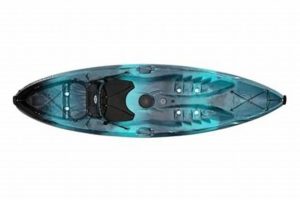
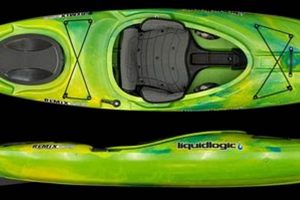
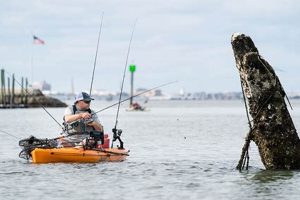
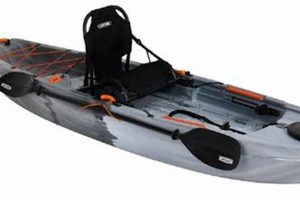
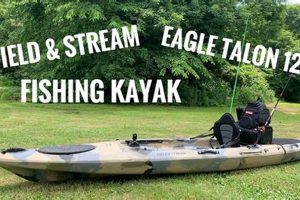
This specific type of watercraft is designed for angling, offering stability and features tailored to the needs of fishermen. These vessels typically include specialized seating, rod holders, storage compartments for tackle and gear, and often come in sit-on-top or sit-inside configurations. A well-equipped example might feature adjustable footrests, paddle holders, and even anchor trolleys.
Small, human-powered watercraft provide anglers with access to shallow waters and secluded fishing spots often unreachable by larger boats. Their maneuverability and quiet operation minimize disturbance to fish, enhancing angling success. The development of specialized designs for fishing has evolved significantly over time, incorporating angler-specific features for improved comfort, efficiency, and overall fishing experience. This evolution reflects a growing understanding of the unique requirements of this activity.
Further exploration of this topic will cover factors to consider when selecting such a vessel, including hull design, material construction, and essential accessories. Discussions of popular models, maintenance tips, and safety guidelines will also be addressed.
Tips for Kayak Fishing
Effective angling from this type of watercraft requires preparation and understanding of specific techniques. The following tips offer guidance for a successful and enjoyable experience.
Tip 1: Stability is Paramount: Prioritize stability when selecting a vessel. Wider hulls offer greater stability, particularly important for stand-up fishing or navigating choppy water. Consider individual balance and experience levels.
Tip 2: Essential Gear Organization: Organize essential fishing gear strategically within easy reach. Utilize storage compartments and consider mounting rod holders and other accessories for efficient access and to minimize clutter.
Tip 3: Paddle and Propulsion Choices: Choose a paddle appropriate for body size and kayak width. Consider alternative propulsion systems like pedal drives or electric motors for longer distances or challenging currents.
Tip 4: Safety First: Always wear a personal flotation device (PFD). Carry a whistle, signaling device, and communication tools. Inform someone of fishing plans, including location and expected return time.
Tip 5: Respectful Angling Practices: Adhere to local fishing regulations and practice catch-and-release principles whenever possible. Minimize environmental impact by properly disposing of fishing line and other waste.
Tip 6: Weather Awareness is Crucial: Check weather forecasts before embarking on any fishing trip. Avoid fishing in lightning storms or high winds. Dress appropriately for anticipated conditions.
Tip 7: Practice Makes Perfect: Practice paddling and maneuvering the vessel in calm water before venturing into more challenging environments. Become familiar with its handling characteristics and stability limits.
By adhering to these guidelines, anglers can enhance safety, improve fishing success, and promote responsible enjoyment of this specialized activity. Proper preparation and informed decision-making contribute significantly to a positive and rewarding on-the-water experience.
Following these tips will ensure a safe and productive fishing experience. The subsequent sections will detail specific techniques for various fish species and water conditions.
1. Stability

Stability represents a critical performance attribute in fishing kayaks, directly influencing angler safety and fishing effectiveness. A stable platform provides a secure foundation for casting, reeling, and landing fish, especially in challenging conditions such as currents or wind. The Tioga fishing kayak, designed with stability as a core principle, addresses this need through various design elements. Hull design, incorporating features like a wider beam or a flatter bottom, contributes significantly to stability. Weight distribution and center of gravity also play crucial roles, influencing how the vessel reacts to external forces. For example, a lower center of gravity enhances stability, minimizing the risk of capsizing. Understanding the interplay of these factors allows anglers to select the most suitable Tioga model for their intended fishing environment and style.
The practical implications of stability extend beyond basic safety. Enhanced stability allows anglers to confidently stand up while fishing, improving visibility and casting range. It also facilitates smoother, more controlled movements within the kayak, minimizing disturbances that could spook fish. Consider a scenario where an angler hooks a large fish in windy conditions. A stable kayak provides the necessary platform to fight the fish effectively and safely, whereas an unstable vessel might compromise the angler’s balance and control, potentially leading to line breakage or even capsizing. This highlights the direct connection between stability and successful angling outcomes.
In conclusion, stability in a Tioga fishing kayak is not merely a desirable feature but a fundamental requirement for safe and effective angling. Understanding the factors that contribute to stability, such as hull design and weight distribution, enables informed decision-making when selecting a model. This knowledge, combined with practical experience, empowers anglers to maximize their performance on the water while minimizing risks. Ultimately, prioritizing stability ensures a more enjoyable and productive fishing experience.
2. Storage Capacity

Adequate storage capacity is a defining feature of a well-designed fishing kayak, directly impacting organization, efficiency, and overall fishing success. The ability to securely and conveniently stow fishing gear, tackle, safety equipment, and personal items contributes significantly to an angler’s comfort and preparedness on the water. In the context of Tioga fishing kayaks, storage solutions are thoughtfully integrated into the vessel’s design, reflecting a deep understanding of angler needs.
- Dedicated Tackle Storage:
Specialized compartments designed for tackle boxes, trays, and other fishing essentials keep gear organized and readily accessible. These compartments often feature waterproof seals or closures to protect contents from the elements. Consider a scenario where an angler needs to quickly change lures. A well-organized tackle storage system allows for efficient retrieval, minimizing disruption and maximizing fishing time. Tioga kayaks often incorporate such dedicated compartments, facilitating seamless transitions between fishing techniques.
- Dry Storage Compartments:
Protecting sensitive items like electronics, phones, and wallets from water damage is paramount. Dry storage compartments, often integrated into the hull or deck, provide secure, waterproof storage for these essentials. This feature is especially crucial in challenging conditions where water ingress is a possibility, ensuring peace of mind and preserving valuable equipment. Tioga kayaks frequently incorporate strategically placed dry storage compartments, offering practical protection against unexpected splashes or submersion.
- On-Deck Storage:
Bungee cords, netting, and other on-deck storage solutions offer convenient access to frequently used items like paddles, water bottles, and rain gear. This accessibility streamlines workflow and minimizes the need to rummage through internal compartments during active fishing. Tioga kayaks incorporate various on-deck storage options, allowing anglers to personalize their setup and maintain a clutter-free cockpit.
- Rod Holders:
Integrated rod holders, whether flush-mounted or adjustable, secure fishing rods while not in use, freeing up the angler’s hands for other tasks. This feature not only enhances convenience but also safeguards valuable rods from damage or loss. Tioga kayaks offer a variety of rod holder configurations, accommodating different fishing styles and preferences. For example, dedicated trolling rod holders allow anglers to effectively cover more water while searching for fish.
The strategic integration of these diverse storage solutions within Tioga fishing kayaks reflects a commitment to enhancing the angler’s experience. Ample and well-organized storage contributes not only to efficiency and convenience but also to safety and preparedness on the water. By thoughtfully addressing storage needs, Tioga kayaks empower anglers to focus on what matters most: the pursuit of their targeted catch.
3. Maneuverability
Maneuverability represents a critical performance characteristic in fishing kayaks, significantly influencing an angler’s ability to navigate diverse water environments and access prime fishing locations. The capacity to precisely control the vessel’s direction and movement is essential for navigating tight spaces, negotiating currents, and approaching fish stealthily. Within the context of Tioga fishing kayaks, maneuverability is a key design consideration, impacting the overall fishing experience.
Several factors contribute to a kayak’s maneuverability. Hull design plays a pivotal role. Shorter kayaks generally offer enhanced maneuverability compared to longer models, allowing for tighter turns and quicker changes in direction. Hull shape also influences tracking and responsiveness. For instance, a kayak with a more pronounced keel will track straighter, while a flatter hull design will turn more easily. The placement and design of fins or rudders further impact maneuverability, enhancing directional stability or turning performance. Consider navigating a narrow, winding creek choked with submerged logs. A highly maneuverable Tioga fishing kayak allows an angler to navigate these obstacles effectively, accessing secluded pools teeming with fish, whereas a less maneuverable vessel might limit exploration and restrict access to prime fishing spots. Paddle length and blade shape also contribute to maneuverability, influencing stroke efficiency and control. Shorter paddles are generally preferred for maneuverability, offering quicker strokes and greater precision.
Understanding the relationship between these design elements and real-world performance empowers anglers to select the most appropriate Tioga kayak for their specific needs. A kayak designed for open-water fishing might prioritize tracking and stability over nimble maneuverability, while a kayak intended for navigating shallow rivers and creeks will benefit from a design that emphasizes turning performance and responsiveness. The practical implications of maneuverability extend beyond simply reaching a desired fishing location. Precise boat control allows anglers to position themselves optimally for casting, presenting lures effectively, and fighting fish efficiently. Ultimately, maneuverability translates to enhanced angling opportunities and increased chances of success on the water.
4. Comfort
Comfort plays a crucial role in the overall fishing kayak experience, directly impacting an angler’s endurance, focus, and enjoyment on the water. Extended periods sitting in a kayak necessitate thoughtful design considerations to mitigate discomfort and fatigue. In the context of Tioga fishing kayaks, comfort translates to enhanced fishing performance and a more positive overall experience. Addressing comfort effectively allows anglers to remain focused on fishing, maximizing their time and enjoyment on the water.
- Seating System:
The seating system represents a critical comfort component. Adjustable seating allows anglers to customize the seat position for optimal back support and paddling posture. Features like padded seats and breathable fabrics enhance comfort during long hours on the water. An uncomfortable seat can lead to fatigue, back pain, and a diminished fishing experience. Tioga fishing kayaks frequently feature adjustable seating systems, enabling anglers to fine-tune their position for personalized comfort. High-quality seating materials contribute to breathability and pressure relief, reducing discomfort and enhancing endurance during extended fishing trips.
- Footrests and Leg Support:
Proper leg support contributes significantly to overall comfort and paddling efficiency. Adjustable footrests accommodate varying leg lengths and allow anglers to maintain a stable and comfortable position while paddling and fishing. Secure foot bracing enhances leverage and control, reducing strain and fatigue. Tioga kayaks typically incorporate adjustable footrests, enabling anglers to customize the leg position for optimal comfort and control. This adjustability accommodates varying body sizes and preferences, ensuring a comfortable and efficient paddling experience.
- Cockpit Design:
The cockpit design influences comfort and accessibility. A spacious cockpit provides ample room for leg movement and gear storage, reducing feelings of confinement. Consider the impact of entering and exiting the kayak. A well-designed cockpit facilitates easy entry and exit, particularly important for anglers with mobility limitations. Tioga kayaks prioritize cockpit design, balancing spaciousness with performance considerations. The cockpit dimensions accommodate comfortable seating and movement while maintaining a streamlined profile for efficient paddling.
- Backrests:
Supportive backrests contribute significantly to long-term comfort, particularly during extended fishing trips. Adjustable backrests allow anglers to customize lumbar support, minimizing back strain and fatigue. Ergonomically designed backrests conform to the natural curvature of the spine, providing optimal support and promoting proper posture. Tioga kayaks often feature adjustable backrests, enabling anglers to fine-tune the level of support to their individual preferences. Adequate back support enhances comfort and endurance, allowing anglers to fish longer without experiencing discomfort.
By prioritizing these comfort features, Tioga fishing kayaks demonstrate a commitment to enhancing the angler’s overall experience. Comfortable seating, adjustable footrests, well-designed cockpits, and supportive backrests contribute significantly to reduced fatigue, increased endurance, and enhanced enjoyment on the water. These features allow anglers to focus on fishing rather than discomfort, ultimately leading to a more productive and fulfilling experience. The thoughtful integration of these comfort elements distinguishes Tioga kayaks as vessels designed with the angler’s well-being in mind.
5. Specialized Features

Specialized features distinguish fishing kayaks from recreational models, optimizing performance and enhancing the angling experience. These features reflect a deep understanding of angler needs, addressing specific requirements for diverse fishing styles and environments. In the context of Tioga fishing kayaks, these specialized features contribute significantly to efficiency, comfort, and overall fishing success. Examining these features provides valuable insights into how Tioga kayaks cater to the unique demands of angling.
- Rod Holders
Rod holders, strategically positioned throughout the kayak, secure fishing rods when not in use, freeing the angler’s hands for paddling, landing fish, or other tasks. Different types of rod holders cater to specific fishing techniques. Flush-mounted rod holders offer a streamlined profile, minimizing interference while paddling. Adjustable rod holders allow for customized positioning, optimizing angles for trolling or still fishing. Consider a scenario where an angler needs to quickly adjust a lure or re-tie a line. Securely stored rods prevent entanglement and potential damage, allowing for uninterrupted focus on the task at hand. Tioga kayaks offer various rod holder configurations, accommodating diverse fishing styles and preferences.
- Anchor Trolleys
Anchor trolleys enable precise boat control in moving water. By allowing the anchor point to be adjusted along the side of the kayak, anglers can maintain desired positioning relative to current or structure. This feature proves invaluable for techniques like drift fishing or maintaining position along a weed line. Imagine fishing in a river with a moderate current. An anchor trolley allows the angler to control the drift speed and maintain the optimal presentation of bait or lures, maximizing fishing effectiveness. Tioga kayaks often incorporate anchor trolley systems, enhancing boat control and fishing precision in dynamic environments.
- Gear Tracks and Mounting Systems
Gear tracks and mounting systems offer versatility and customization. These systems provide standardized mounting points for accessories like fish finders, GPS units, camera mounts, and other specialized equipment. This modularity allows anglers to personalize their kayak setup, optimizing it for specific fishing needs and preferences. For instance, an angler specializing in nighttime fishing might mount additional lights or rod holders. Gear tracks provide the flexibility to adapt the kayak to evolving needs and preferences, maximizing utility and performance. Tioga kayaks commonly feature integrated gear tracks, empowering anglers to customize their vessel with a wide range of accessories.
- Live Wells and Bait Tanks
Live wells and bait tanks provide convenient storage for live bait, ensuring freshness and accessibility throughout the fishing trip. These specialized compartments often incorporate aeration systems to maintain water oxygen levels, keeping bait lively and active. Consider an angler targeting species that prefer live bait. A readily available supply of fresh, active bait enhances fishing success and minimizes the need for frequent stops to replenish supplies. Tioga kayaks often include integrated live wells or offer compatible accessories, catering to anglers who prefer using live bait.
These specialized features exemplify Tioga’s commitment to providing anglers with the tools they need for successful and enjoyable fishing experiences. By incorporating features like rod holders, anchor trolleys, gear tracks, and live wells, Tioga kayaks cater to diverse fishing styles and enhance performance in various environments. The thoughtful integration of these specialized features distinguishes Tioga kayaks as purpose-built fishing platforms designed to maximize angler success and enjoyment on the water.
Frequently Asked Questions
This section addresses common inquiries regarding this specialized type of watercraft, providing concise and informative responses to facilitate informed decision-making and enhance understanding.
Question 1: What are the key advantages of a specialized fishing kayak compared to a recreational model?
Specialized fishing kayaks offer features tailored to angling, such as rod holders, storage for tackle, and enhanced stability. These features optimize fishing performance and convenience compared to standard recreational kayaks.
Question 2: How does hull design influence stability and maneuverability?
Wider hulls generally provide greater stability, while shorter hulls enhance maneuverability. The specific hull design impacts tracking, turning performance, and overall handling characteristics in various water conditions.
Question 3: What safety precautions should one take when fishing from a kayak?
Essential safety measures include wearing a personal flotation device (PFD), carrying a whistle and communication device, informing someone of fishing plans, and checking weather forecasts before embarking.
Question 4: What factors should one consider when selecting a paddle?
Paddle selection depends on factors such as kayak width, angler height, and paddling style. An appropriately sized paddle maximizes efficiency and minimizes fatigue. Consider paddle material and blade shape for optimal performance.
Question 5: How does one maintain and care for a fishing kayak?
Regular cleaning, proper storage, and periodic inspections contribute to the longevity of a fishing kayak. Rinse the vessel after each use, store it away from direct sunlight, and inspect it for damage or wear regularly.
Question 6: What are the benefits of using a pedal-driven fishing kayak?
Pedal-driven systems offer hands-free propulsion, enabling anglers to focus on fishing. They provide greater speed and range compared to traditional paddling, particularly useful in larger bodies of water or against currents. However, pedal drives typically increase the cost and complexity of the kayak.
Understanding these key aspects of specialized fishing kayaks enables informed selection and enhances the overall on-the-water experience. Careful consideration of individual needs and preferences contributes to selecting the most appropriate vessel and ensuring a safe and productive fishing adventure.
The following section delves into specific techniques and strategies for maximizing fishing success from a kayak.
Conclusion
This exploration of specialized fishing kayaks has highlighted key features contributing to enhanced angling experiences. Stability, storage capacity, maneuverability, comfort, and specialized features such as rod holders and anchor trolleys contribute significantly to on-the-water effectiveness and enjoyment. Understanding the interplay of these elements empowers informed decision-making when selecting a vessel tailored to individual needs and fishing styles. The analysis underscores the importance of prioritizing stability for safety and effective casting, ample storage for efficient gear organization, and maneuverability for navigating diverse water environments. Furthermore, the discussion of comfort features emphasizes their role in mitigating fatigue and maximizing fishing time. Specialized features, designed specifically for angling, optimize performance and streamline essential tasks on the water.
Ultimately, the selection of a well-equipped fishing kayak represents an investment in enhanced angling opportunities. Careful consideration of these key features and their practical implications empowers anglers to make informed decisions, maximizing their potential for success and enjoyment on the water. This understanding promotes not only greater fishing effectiveness but also a deeper appreciation for the nuanced relationship between equipment and experience. Continued exploration of kayak fishing techniques and advancements in kayak design promises further enhancement of this evolving and rewarding pursuit.