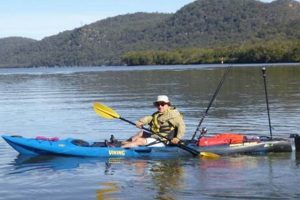
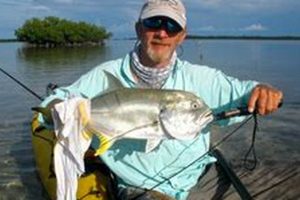
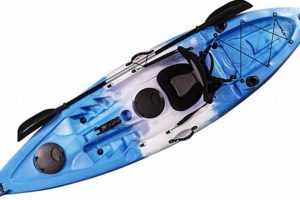
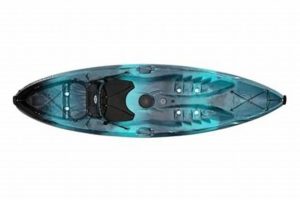
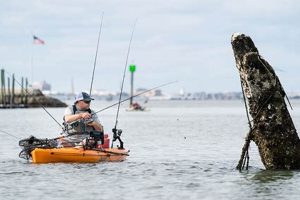
Successful kayak angling requires specific equipment categorized into essential safety gear, specialized fishing tackle, and optional accessories that enhance the experience. For example, a personal flotation device (PFD) is crucial, while a rod holder designed for kayak use improves fishing efficiency.
Having the correct gear ensures safety and improves the chances of a successful fishing trip. Appropriate equipment allows anglers to navigate diverse water conditions effectively, present lures or bait accurately, and land fish safely. Historically, kayak fishing relied on adapted equipment from other angling disciplines. However, the growing popularity of this sport has driven the development of specialized gear designed specifically for the unique demands of kayak fishing.
This article will delve into the essential equipment categories, offering specific recommendations and explaining the importance of each item for a safe and productive kayak fishing adventure.
Essential Kayak Fishing Tips
Careful planning and preparation are vital for a successful and safe kayak fishing excursion. These tips offer guidance on essential equipment and best practices.
Tip 1: Prioritize Safety Gear: A personal flotation device (PFD) is non-negotiable. A whistle, signaling mirror, and a waterproof first-aid kit are also recommended.
Tip 2: Choose the Right Kayak: Kayak selection depends on the fishing environment (calm lakes, rivers, or open ocean). Consider stability, storage capacity, and comfort.
Tip 3: Organize Tackle Efficiently: Utilize tackle boxes designed for kayak fishing to maximize space and minimize clutter. Keep frequently used items readily accessible.
Tip 4: Invest in a Kayak Fishing Paddle: Shorter, lighter paddles designed for fishing allow for efficient paddling and casting.
Tip 5: Employ Appropriate Anchoring Techniques: Anchor selection depends on the water body. Stakeout poles are effective in shallow water, while drift socks or traditional anchors suit deeper areas.
Tip 6: Practice Kayak Control and Maneuvering: Understanding basic paddling strokes and maneuvering techniques enhances safety and fishing effectiveness.
Tip 7: Respect the Environment: Adhere to “Leave No Trace” principles. Pack out all trash, avoid disturbing wildlife, and respect fishing regulations.
By adhering to these guidelines, anglers can enhance their safety, improve fishing success, and minimize environmental impact.
This advice provides a solid foundation for planning a rewarding kayak fishing trip. The following section will delve deeper into specific equipment recommendations.
1. Kayak

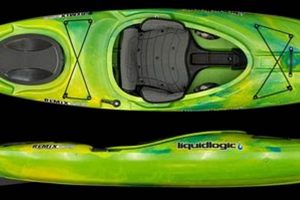
The kayak itself forms the foundation of kayak fishing, influencing every aspect of the experience. Selecting the appropriate kayak is paramount for safety, efficiency, and overall enjoyment. Factors such as hull design, size, and features directly impact maneuverability, stability, and storage capacity, all crucial elements in successful kayak angling.
- Hull Design:
Hull design significantly impacts performance. Sit-on-top kayaks offer superior stability and self-bailing capabilities, ideal for warmer climates and calmer waters. Sit-inside kayaks provide better protection from the elements and increased storage, making them suitable for colder conditions and longer trips. Specialized fishing kayaks often feature flatter hulls for increased stability and tracking.
- Size and Weight Capacity:
Kayak size and weight capacity determine stability and storage. Longer kayaks track better in open water, while shorter kayaks offer increased maneuverability in tight spaces. Weight capacity considerations must account for the angler’s weight, fishing gear, and potential catch. Exceeding the weight capacity compromises stability and safety.
- Features and Accessories:
Features like rod holders, paddle clips, and anchor trolleys enhance fishing efficiency. Built-in storage compartments and hatches keep gear organized and protected. Rudders or skegs improve tracking, especially in windy conditions. These features, while not always essential, contribute significantly to a more productive and enjoyable fishing experience.
- Material and Construction:
Kayaks are typically constructed from polyethylene, fiberglass, or composite materials. Polyethylene kayaks are durable and affordable, while fiberglass and composite kayaks offer lighter weight and improved performance, albeit at a higher price point. Construction quality directly impacts durability and longevity.
Careful consideration of these factors ensures the selection of a kayak appropriate for the intended fishing environment and personal preferences. A properly chosen kayak contributes significantly to safety, efficiency, and overall enjoyment, making it a crucial element in the “things you need for kayak fishing.”
2. Paddle

Paddle selection significantly impacts kayak fishing effectiveness and enjoyment. A properly sized and designed paddle enhances maneuverability, reduces fatigue, and improves overall control. The connection between paddle choice and successful kayak angling hinges on factors such as blade shape, shaft material, and overall length. For example, a paddle with a shorter shaft and wider blades offers greater power for maneuvering in tight spaces, crucial for navigating vegetated areas or shallow creeks. Conversely, a longer, narrower-bladed paddle provides efficiency for covering longer distances in open water. The incorrect paddle choice can lead to fatigue, reduced fishing time, and compromised boat control, especially in challenging conditions.
Paddle material and construction also influence performance. Lightweight materials like carbon fiber reduce fatigue during long paddling sessions, enabling anglers to cover more water and fish longer. Fiberglass and aluminum shafts offer durability and affordability, while adjustable-length paddles provide versatility for different paddling styles and conditions. Choosing a paddle with feathered blades can reduce wind resistance, improving efficiency in breezy conditions. Furthermore, drip rings prevent water from running down the shaft, keeping hands drier and warmer, and contributing to overall comfort. Understanding these nuances and selecting the appropriate paddle contributes significantly to a positive and productive kayak fishing experience. For instance, an angler targeting large pelagic fish offshore would benefit from a longer, more efficient paddle, whereas someone fishing in mangrove tunnels would prioritize maneuverability with a shorter paddle.
In summary, paddle selection should be a deliberate process informed by the specific demands of the intended fishing environment. Considering factors like blade shape, shaft length and material, and the presence of features like drip rings and feathering options enables anglers to choose a paddle that complements their kayak and fishing style. This informed decision maximizes efficiency, reduces fatigue, and enhances overall control, directly contributing to a safer and more successful kayak fishing experience. Failure to appreciate the importance of paddle selection can negatively impact not only fishing success but also safety and enjoyment on the water.
3. Personal Flotation Device (PFD)
A Personal Flotation Device (PFD), often referred to as a life vest, is paramount among the essential items for kayak fishing. Its primary function, ensuring angler safety, positions it as a non-negotiable piece of equipment. Understanding the various types of PFDs, their specific features, and proper fit is crucial for maximizing both safety and comfort on the water.
- PFD Types:
PFDs are categorized into different types based on buoyancy and intended use. Type I offshore life jackets provide the most buoyancy and are designed for open water situations where rescue might be delayed. Type II near-shore buoyant vests offer slightly less buoyancy but are more comfortable for general boating activities. Type III flotation aids are designed for calm, inland waters where help is readily available and allow for greater freedom of movement, making them suitable for paddling sports like kayak fishing. Type IV throwable devices are not suitable for kayak fishing as they require conscious action to deploy and are intended as backup safety devices. Type V special use devices are designed for specific activities like whitewater kayaking or specialized rescue operations. Choosing the appropriate PFD type depends on the anticipated fishing environment and personal preferences, but Type III PFDs are generally preferred for kayak fishing due to their balance of buoyancy and freedom of movement.
- Fit and Comfort:
A properly fitted PFD is crucial for both safety and comfort. It should fit snugly without restricting movement. Adjustments should be made to ensure a secure fit that prevents the PFD from riding up in the water. Trying on a PFD with typical fishing clothing helps determine the correct size and fit. Comfort is essential, as an uncomfortable PFD can discourage consistent wear, compromising safety. Features like adjustable straps, mesh panels for ventilation, and high-back designs contribute to comfort, particularly during long fishing trips.
- Features and Considerations:
PFDs designed specifically for kayak fishing often incorporate features that enhance functionality and convenience. Large pockets provide storage for essential items like fishing tools, pliers, and small tackle boxes. Attachment points for accessories like whistles and knives further enhance utility. Bright colors and reflective elements improve visibility, crucial for safety in low-light conditions or crowded waterways. Some PFDs integrate hydration packs or attachment points for them, ensuring anglers stay hydrated during long days on the water.
- Maintenance and Care:
Proper PFD maintenance ensures long-term performance and reliability. Rinsing with fresh water after each use removes salt, dirt, and debris that can degrade the materials over time. Allowing the PFD to air dry completely before storage prevents mildew and mold growth. Regular inspection for signs of wear and tear, such as frayed straps or damaged buckles, is essential for ensuring continued safety. Replacing a damaged PFD promptly is crucial, as a compromised PFD may not function correctly in an emergency.
Selecting and maintaining an appropriate PFD is a critical aspect of responsible kayak fishing. A well-chosen and properly maintained PFD significantly contributes to angler safety, allowing for a more focused and enjoyable experience on the water. Neglecting this essential piece of equipment compromises safety and undermines the overall preparedness essential for successful kayak angling.
4. Fishing Rods and Reels

Fishing rods and reels represent a crucial component within the broader context of essential kayak fishing equipment. Appropriate selection directly influences an angler’s ability to target specific species, effectively present bait or lures, and successfully land fish. The interplay between rod action, reel type, and line capacity requires careful consideration to optimize performance in the unique environment of kayak fishing.
- Rod Action and Length:
Rod action, referring to the rod’s flexibility, and length influence casting distance, lure presentation, and fish-fighting capabilities. Shorter rods, typically between 6 and 7 feet, are well-suited to the confined space of a kayak and offer increased maneuverability. Medium to fast action rods provide versatility for a range of fishing techniques and target species. For example, a shorter, faster-action rod excels in close-quarters casting and retrieving lures in heavy cover, while a longer, slower-action rod provides the backbone needed to battle larger fish in open water. Matching rod action and length to the target species and fishing style is paramount.
- Reel Type and Capacity:
Spinning, baitcasting, and spincast reels each possess unique characteristics relevant to kayak fishing. Spinning reels are generally preferred for their ease of use and versatility, while baitcasting reels offer increased accuracy and power for experienced anglers. Spincast reels, often simpler to operate, can be suitable for beginners. Reel capacity, referring to the amount of line the reel can hold, should be chosen based on the target species and fishing environment. For instance, a larger capacity reel loaded with heavier line is essential when targeting powerful saltwater species, whereas a smaller capacity reel with lighter line suffices for freshwater panfish.
- Line Selection and Knots:
Fishing line selection, considering factors like material (monofilament, fluorocarbon, braided), strength, and visibility, significantly impacts fishing success. Monofilament offers versatility and affordability, fluorocarbon provides near-invisibility in clear water, and braided line offers exceptional strength and sensitivity. Proper knot tying is crucial for securing the line to the lure or hook and maintaining line integrity during a fight. Learning a few essential fishing knots, such as the improved clinch knot or the Palomar knot, is vital for preventing lost fish and tackle.
- Rod and Reel Maintenance:
Regular maintenance ensures the longevity and optimal performance of fishing rods and reels. Rinsing equipment with fresh water after each use removes corrosive salt and debris. Lubricating moving parts on reels prevents wear and tear. Inspecting rods for damage, such as cracks or frayed guides, helps identify potential issues before they compromise performance or safety. Proper storage protects rods from damage and prolongs their lifespan. Neglecting maintenance can lead to equipment failure at critical moments, potentially losing a trophy fish or even compromising safety.
The selection and maintenance of fishing rods and reels directly influence the success and enjoyment of kayak fishing. Choosing equipment appropriate for the target species, fishing style, and environment, coupled with proper maintenance practices, ensures that anglers are well-equipped to tackle the challenges and rewards of this unique angling pursuit. A well-balanced and properly maintained rod and reel combination becomes an extension of the angler, maximizing their ability to interact with the underwater world and secure a successful catch. Overlooking these crucial aspects can significantly hinder fishing effectiveness and diminish the overall kayak fishing experience.
5. Tackle and Bait
Tackle and bait selection are integral components of successful kayak fishing, directly influencing an angler’s ability to attract and hook target species. The effectiveness of a kayak fishing trip hinges on having the appropriate terminal tackle, lures, and bait to match the target species and fishing environment. Choosing the right combination is crucial for maximizing catch rates and optimizing the overall fishing experience.
- Hooks:
Hooks are the fundamental connection between angler and fish. Hook selection considers size, shape, and style, each tailored to specific species and bait types. Circle hooks, known for their improved hook-up ratios and reduced harm to fish, are often preferred for catch-and-release fishing. J-hooks, offering a wider gape, are suitable for a variety of techniques. Treble hooks, commonly found on lures, increase the chances of hooking fish striking fast-moving targets. Matching hook size to the target species and bait or lure size is essential for effective hooksets. Using an inappropriately sized hook can result in missed strikes or injure undersized fish. For instance, a larger hook is necessary for larger bait and fish, while a smaller, finer hook might be more appropriate for smaller, more cautious fish.
- Lures:
Artificial lures imitate the appearance and movement of prey fish, triggering strikes from predatory species. Lure selection depends on the target species, water clarity, and fishing conditions. Crankbaits, designed to dive to specific depths, are effective for covering water and locating active fish. Spinnerbaits, with their flashing blades, create vibrations that attract fish in murky water or low-light conditions. Soft plastic lures, rigged with various weights and hooks, offer versatility for a range of fishing techniques. Topwater lures, designed to create surface disturbances, entice explosive strikes from aggressive species. Matching lure type and color to the target species and prevailing conditions is a key factor in lure fishing success. For example, brighter colors often work best in murky water, while more natural colors are preferable in clearer conditions.
- Bait:
Live bait, such as minnows, worms, and crustaceans, presents a natural food source, often enticing even the most cautious fish. Understanding the preferred forage of target species in a given environment is critical for bait selection. Fresh or live bait typically outperforms preserved or frozen options. Proper bait presentation, considering factors like water depth, current, and structure, maximizes effectiveness. Maintaining bait freshness is essential for attracting fish. For instance, when fishing in areas with heavy vegetation, weedless rigged soft plastics or topwater lures prevent snags and allow for effective fishing. Conversely, in open water, lures that mimic baitfish or squid can entice larger pelagic species. Similarly, different baits will attract different species; using live shrimp in saltwater might attract snapper or grouper, while using worms in freshwater could attract catfish or bass. Understanding these nuances contributes significantly to a productive fishing trip.
- Terminal Tackle:
Terminal tackle encompasses the various components that connect the fishing line to the hook or lure. Swivels prevent line twist, especially when using spinning lures. Weights, such as split shot or bullet weights, control the depth and presentation of bait or lures. Bobbers or floats suspend bait at a desired depth and provide visual indication of strikes. Leaders, typically made from fluorocarbon due to its low visibility, connect the main line to the hook or lure, offering abrasion resistance and stealth. Using appropriate terminal tackle enhances bait and lure presentation, contributing directly to fishing success. Selecting the correct combination of weights, swivels, leaders, and other terminal tackle components requires consideration of water depth, current, structure, and target species. For instance, using a heavier weight allows for fishing at greater depths or in stronger currents, while a lighter weight allows for a more natural presentation in shallower water.
Effective tackle and bait selection are inextricably linked to successful kayak fishing. By understanding the nuances of hooks, lures, bait, and terminal tackle, anglers can optimize their approach, maximizing their chances of enticing and landing target species. The careful consideration of these elements elevates kayak fishing from a simple pastime to a rewarding pursuit, characterized by increased catch rates and a deeper connection with the aquatic environment. Failure to appreciate the significance of tackle and bait selection can significantly diminish the overall fishing experience, leading to frustration and missed opportunities.
Frequently Asked Questions
This section addresses common queries regarding essential equipment for kayak angling.
Question 1: What type of kayak is best suited for fishing?
Kayak choice depends on individual needs and the intended fishing environment. Sit-on-top kayaks offer stability and ease of entry/exit, ideal for warmer climates. Sit-inside kayaks provide better protection from the elements and increased storage, suitable for colder conditions. Specialized fishing kayaks often incorporate features like rod holders and anchor trolleys. Careful consideration of stability, maneuverability, and storage capacity is recommended.
Question 2: Is a specific paddle necessary for kayak fishing?
While a standard paddle functions adequately, shorter, lighter paddles designed for fishing enhance maneuverability and reduce fatigue. Feathered blades reduce wind resistance, improving efficiency. Drip rings prevent water from dripping down the shaft, enhancing comfort.
Question 3: What safety equipment is essential for kayak fishing?
A properly fitted personal flotation device (PFD) is paramount. A whistle, signaling mirror, and waterproof first-aid kit are also highly recommended. A communication device, such as a VHF radio or mobile phone in a waterproof case, is advisable, particularly in remote locations.
Question 4: How does one choose appropriate fishing rods and reels for a kayak?
Shorter rods, typically between 6 and 7 feet, offer better maneuverability within a kayak’s confined space. Reel selection depends on personal preference and target species. Spinning reels are generally preferred for their versatility. Line choice hinges on the target species and fishing environment.
Question 5: What essential tackle and bait should one carry while kayak fishing?
Essential tackle includes a selection of hooks, weights, swivels, and leaders appropriate for the target species. Lure selection depends on the fishing environment and target fish behavior. Live bait, when permitted and appropriate, can be highly effective. A basic tackle box or bag keeps equipment organized and readily accessible.
Question 6: How should one organize and store gear within a kayak?
Dry bags protect essential items from water damage. Utilizing tackle boxes designed for kayak fishing maximizes space and minimizes clutter. Securing gear with bungee cords or straps prevents loss in the event of a capsize. Distributing weight evenly within the kayak enhances stability.
Addressing these common queries empowers individuals to make informed decisions regarding equipment selection, promoting both safety and enjoyment on the water. Understanding the nuances of essential gear contributes significantly to a positive and productive kayak fishing experience.
The subsequent section will provide a concluding overview and highlight key takeaways for prospective kayak anglers.
Conclusion
Successful kayak angling necessitates careful consideration of essential equipment. From the kayak itself, impacting stability and maneuverability, to the paddle, influencing efficiency and fatigue, each element plays a crucial role. Appropriate rod and reel selection dictates an angler’s ability to target specific species and effectively present bait or lures. Tackle and bait choices, tailored to the target species and environment, maximize catch rates. Prioritizing safety through the selection and proper use of a PFD remains paramount. Effective organization and storage of gear further enhance the overall experience. Each component contributes to a safe, productive, and enjoyable outing.
Careful equipment selection, coupled with a thorough understanding of kayak fishing techniques and safety practices, unlocks the full potential of this dynamic angling discipline. This pursuit offers a unique connection with nature, demanding both respect for the environment and a commitment to responsible angling practices. Preparation and informed decision-making are key to maximizing the rewards and minimizing the risks inherent in kayak fishing.