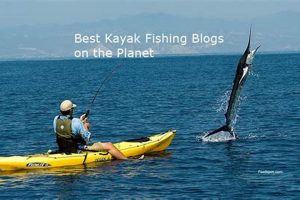
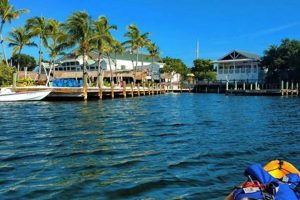
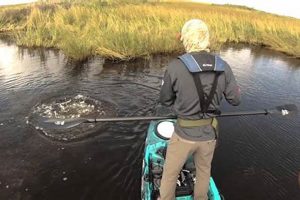
The convergence of shallow-water angling, a popular watersport, and a specific geographic location creates a unique recreational opportunity. This pursuit involves utilizing small, human-powered vessels to access the diverse estuarine and nearshore environments around Oak Island, North Carolina, for the purpose of catching fish. This method allows anglers to explore areas often inaccessible to larger boats, offering a closer connection with the natural surroundings.
This activity offers several advantages, including affordability, maneuverability in shallow waters, and a quiet approach that minimizes disturbance to fish. The area’s rich biodiversity provides a variety of target species, contributing to the region’s popularity for recreational fishing and tourism. The historical significance of fishing in this coastal area is also noteworthy, with long-standing traditions and practices shaping the current landscape of recreational activities.
Further exploration will cover key aspects such as suitable kayak selection, recommended fishing gear, popular target species, ideal launch locations, local regulations, and safety considerations for anglers in this area.
Tips for Kayak Fishing Oak Island, NC
Successful angling from a kayak requires careful planning and execution. These tips provide valuable insights for optimizing the experience and increasing the chances of a productive outing near Oak Island, North Carolina.
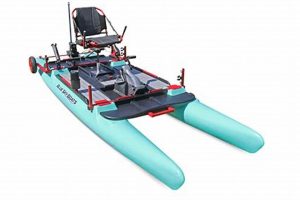
Tip 1: Choose the Right Kayak: Selecting a kayak suited to the local conditions is crucial. Sit-on-top kayaks are generally preferred for their stability and self-bailing capabilities, especially in the ocean or surf. Consider the length and width of the kayak for maneuverability and storage capacity.
Tip 2: Prioritize Safety Equipment: Always wear a personal flotation device (PFD). Carry a whistle, a first-aid kit, and a communication device (e.g., VHF radio or waterproofed cell phone). Check the weather forecast before heading out and be aware of tides and currents.
Tip 3: Utilize Appropriate Tackle and Gear: Opt for shorter rods and reels suitable for kayak fishing. Pack a variety of lures and baits to target different species. A fish finder and GPS can significantly enhance the experience. Use a landing net for safe fish handling.
Tip 4: Plan Your Launch and Fishing Spots: Research suitable launch points and identify productive fishing areas. Consult local charts and maps for navigation and to identify potential hazards. Consider the tides and currents when planning your trip.
Tip 5: Respect Local Regulations: Obtain the necessary fishing licenses and familiarize oneself with local fishing regulations, including size and catch limits. Practice catch-and-release techniques whenever possible to conserve fish populations.
Tip 6: Be Mindful of the Environment: Properly dispose of all trash and fishing line. Avoid disturbing wildlife and sensitive habitats. Minimize noise and movement to maximize fishing success and preserve the natural environment.
Tip 7: Dress Appropriately: Wear clothing suitable for the weather conditions. Consider sun protection, including a hat, sunglasses, and sunscreen. Bring rain gear in case of unexpected showers.
Careful consideration of these factors enhances safety and increases the likelihood of a successful and enjoyable fishing trip. Preparation leads to a more productive and rewarding experience on the water.
By following these guidelines, anglers can maximize their chances of success while prioritizing safety and responsible environmental stewardship. The next section will delve into specific species commonly targeted in the area.
1. Kayak Selection

Appropriate kayak selection significantly impacts the overall experience of kayak fishing near Oak Island, North Carolina. The chosen vessel must accommodate the angler, gear, and the specific conditions of the fishing location. A well-suited kayak enhances stability, maneuverability, and overall fishing success.
- Hull Design:
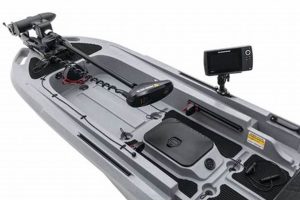
Hull design influences stability and speed. A wider, flatter hull provides enhanced stability, especially beneficial for beginners or when fishing in rougher waters. A longer, narrower hull offers greater speed, advantageous for covering larger distances. For Oak Island’s varied waters, a sit-on-top kayak is generally preferred for its self-bailing capability and stability.
- Length and Width:
Longer kayaks track better in a straight line, beneficial for paddling longer distances in open water. Shorter kayaks offer increased maneuverability, ideal for navigating tight creeks and marshes prevalent around Oak Island. Wider kayaks offer greater stability but sacrifice speed, while narrower kayaks provide speed but may feel less stable.
- Weight Capacity:
The kayak’s weight capacity must accommodate the angler, fishing gear, and any potential catch. Exceeding the weight capacity compromises stability and performance. Consider the combined weight of all equipment and choose a kayak with ample capacity.
- Features and Accessories:
Features such as rod holders, storage compartments, and anchor trolleys enhance the fishing experience. Consider pre-installed features or the potential for adding aftermarket accessories to customize the kayak for individual needs. Built-in features often offer superior integration compared to aftermarket additions.
Careful consideration of these factors ensures the selected kayak aligns with the specific needs and conditions of kayak fishing near Oak Island. An appropriate vessel enhances safety, improves fishing effectiveness, and contributes to a more enjoyable experience on the water.
2. Essential Gear

Appropriate gear is paramount for a successful and safe kayak fishing experience near Oak Island, North Carolina. The unique challenges and opportunities presented by this environment necessitate specific equipment choices. From ensuring angler safety to maximizing fishing effectiveness, the following essential gear plays a vital role.
- Personal Flotation Device (PFD):
A PFD is non-negotiable for any on-the-water activity. It provides essential buoyancy in case of capsizing or emergencies. Select a comfortable, well-fitting PFD designed for paddling and fishing. Inflatable PFDs are a popular option due to their comfort and low profile.
- Paddle and Leash:
A high-quality paddle designed for kayaking is essential for efficient propulsion and maneuverability. A paddle leash prevents loss in case of dropping or capsizing. Choose a paddle length appropriate for the kayak’s width and the angler’s height.
- Fishing Rods and Reels:
Shorter rods (6-7 feet) are generally preferred for kayak fishing due to the confined space. Spinning or baitcasting reels spooled with appropriate line weight for the target species are recommended. Consider rod holders for secure storage and easy access.
- Tackle and Bait:
The diverse fish species around Oak Island require a variety of tackle and bait. Live bait, artificial lures, and jigs are all effective options. Research the target species and select appropriate tackle accordingly. A tackle box or bag keeps gear organized and accessible.
The selection and proper utilization of this essential gear contribute significantly to a productive and enjoyable kayak fishing trip near Oak Island. Prioritizing safety and selecting gear tailored to the specific fishing conditions enhances the overall experience and increases the likelihood of success.
3. Target Species

The waters surrounding Oak Island, North Carolina, offer a diverse range of fish species, making it a popular destination for kayak anglers. Understanding the prevalent target species is crucial for selecting appropriate tackle, fishing techniques, and maximizing catch rates. The target species also influence the choice of fishing location, as different species inhabit specific habitats within the estuary and nearshore environments.
Common inshore targets include red drum, flounder, speckled trout, and black drum. These species are often found in shallow grassy flats, oyster beds, and around docks and piers. Anglers targeting these species typically employ light tackle with live bait, artificial lures, or jigs. Nearshore targets such as Spanish mackerel, king mackerel, bluefish, and cobia require heavier tackle and different techniques, often involving trolling or casting with larger lures. These species are typically found near reefs, wrecks, and other offshore structures. Matching the target species with the appropriate gear and technique is essential for success.
Knowledge of target species’ feeding habits and seasonal patterns significantly enhances fishing success. For example, understanding that red drum prefer crustaceans and baitfish allows anglers to choose effective baits and lures. Recognizing that flounder are ambush predators often found lying on the bottom influences the choice of fishing technique and lure presentation. The practical application of this knowledge translates directly into improved catch rates and a more rewarding fishing experience. Recognizing seasonal migration patterns also influences where and when to fish for specific species, maximizing the chances of encountering target fish. Adaptability in targeting diverse species based on season and location expands the angler’s opportunities throughout the year.
4. Launch Locations
Launch location selection significantly influences kayak fishing success and safety near Oak Island, North Carolina. Accessing productive fishing grounds while minimizing transit time and navigating challenging conditions requires careful consideration of various factors. Proximity to target species, prevailing winds and currents, tidal influences, and available amenities all contribute to an effective launch point choice.
Oak Island offers diverse launch options, each presenting unique advantages and disadvantages. Public boat ramps provide convenient access to deeper water, suitable for targeting nearshore species. Kayak launches within the estuary system offer sheltered entry points for exploring shallow-water habitats ideal for red drum, flounder, and speckled trout. Accessing the Intracoastal Waterway from designated points provides opportunities to fish various creeks and marshes. Matching the launch location to the target species and prevailing conditions optimizes fishing potential. For example, launching near the inlets during an outgoing tide provides access to migrating fish, while launching within the marshes during a high tide opens up shallow areas otherwise inaccessible. Understanding these dynamics allows anglers to strategically position themselves for improved catch rates.
Successful kayak fishing near Oak Island requires strategic launch site selection based on target species, tidal conditions, and prevailing weather. Utilizing available resources, including local maps, nautical charts, and online forums, provides valuable insights for identifying optimal launch points. Careful planning and consideration of these factors contribute to a safer and more productive fishing experience. Neglecting these elements can lead to challenging paddling conditions, reduced fishing opportunities, and potential safety hazards. Effective launch location planning maximizes time spent fishing and minimizes potential difficulties, ultimately contributing to a more rewarding experience.
5. Local Regulations
Adherence to local regulations is essential for responsible and sustainable kayak fishing near Oak Island, North Carolina. These regulations, established by the North Carolina Wildlife Resources Commission (NCWRC), govern aspects such as licensing requirements, size and catch limits for various species, permissible fishing methods, and seasonal closures. Compliance ensures the preservation of fish populations, protects sensitive habitats, and maintains the ecological balance of the region’s aquatic ecosystems. Ignoring these regulations can result in fines, legal penalties, and contribute to the depletion of fish stocks, negatively impacting the long-term health of the fishery. For instance, exceeding the catch limit for red drum, a popular target species, can disrupt the natural population balance and impact future angling opportunities.
Specific regulations relevant to kayak anglers near Oak Island include obtaining the appropriate Coastal Recreational Fishing License (CRFL). This license is required for anyone age 16 and older fishing in coastal waters. Regulations also dictate size and creel limits for specific species. For example, red drum must measure within a specific slot size range to be legally harvested, and there is a daily limit on the number of fish an angler can keep. Specific gear restrictions may also apply. Understanding and adhering to these regulations is crucial for maintaining a healthy and sustainable fishery. Resources such as the NCWRC website and local tackle shops provide up-to-date information on current regulations and licensing requirements. Consulting these resources ensures compliance and contributes to responsible angling practices. Examples of effective practices include immediately releasing undersized or over-limit catches and using circle hooks when fishing with live bait to minimize harm to released fish. Such responsible practices promote long-term sustainability and ensure future generations can enjoy the recreational opportunities provided by Oak Island’s waters.
Compliance with local regulations represents a critical component of sustainable kayak fishing practices near Oak Island. Understanding and respecting these guidelines ensures the long-term health of the fishery and preserves this valuable resource for future generations. Failure to comply undermines conservation efforts and jeopardizes the ecological balance of this unique coastal environment. Responsible anglers prioritize adherence to regulations, contributing to the continued health and vitality of Oak Island’s aquatic ecosystems.
6. Safety Practices
Safe practices are paramount for kayak fishing near Oak Island, North Carolina. The dynamic coastal environment presents inherent risks, including changing weather conditions, strong currents, and potential interactions with motorized vessels. Prioritizing safety ensures an enjoyable and incident-free experience, allowing anglers to focus on the recreational aspects of fishing. Neglecting safety precautions can lead to serious consequences, jeopardizing both personal well-being and the enjoyment of the activity.
- Weather Awareness:
Checking marine weather forecasts before embarking on a kayak fishing trip is crucial. Sudden changes in wind speed and direction, along with the potential for thunderstorms, can create hazardous conditions on the water. Postponing trips due to adverse weather demonstrates responsible decision-making and prioritizes safety. Real-time weather updates via a weather app or VHF radio provide critical information while on the water, allowing anglers to react proactively to changing conditions.
- Current and Tide Awareness:
Understanding tidal currents and their influence on kayak navigation is essential, especially near inlets and channels. Strong currents can quickly carry a kayak away from the intended location, creating challenging paddling conditions and potential safety hazards. Consulting tide charts before launching and carrying a handheld GPS or chartplotter ensures accurate navigation and allows for adjustments based on real-time current conditions. Awareness of tidal changes also influences fishing strategy, as currents affect fish behavior and feeding patterns.
- Navigation and Communication:
Carrying a map, chart, or GPS device is vital for navigation, particularly in unfamiliar waters. These tools help maintain orientation and prevent disorientation, especially in areas with numerous creeks and marshes. A reliable communication device, such as a VHF radio or a waterproofed cell phone, enables communication with emergency services or other boaters in case of an incident or unforeseen circumstances. Regularly checking communication equipment functionality ensures its effectiveness when needed.
- Visibility and Signaling:
Kayaks are small vessels, making them less visible to larger boats. Wearing bright clothing and utilizing a flag or light increases visibility, especially in low-light conditions or foggy weather. Carrying signaling devices, such as a whistle or flares, provides a means of attracting attention in case of distress. These measures significantly enhance kayak visibility, reducing the risk of collisions with motorized vessels and facilitating rescue operations if necessary. Regularly inspecting safety equipment ensures it functions correctly in an emergency.
Implementing these safety practices mitigates risks inherent to kayak fishing near Oak Island. Consistent adherence to safety protocols enhances angler well-being, contributes to a positive experience, and promotes responsible enjoyment of the sport. Prioritizing safety allows anglers to focus on the intended recreational pursuit, minimizing the potential for incidents and maximizing the enjoyment of Oak Island’s unique fishing opportunities.
Frequently Asked Questions about Kayak Fishing Oak Island, NC
This section addresses common inquiries regarding kayak fishing near Oak Island, North Carolina. The information provided aims to clarify potential uncertainties and enhance angler preparedness.
Question 1: What are the most productive areas for kayak fishing near Oak Island?
Productive areas vary depending on target species. The Intracoastal Waterway, nearshore reefs and wrecks, and the numerous creeks and marshes surrounding Oak Island all offer fishing opportunities. Researching specific locations known for target species enhances success. Local tackle shops and fishing guides can provide valuable insights into current fishing conditions and productive areas.
Question 2: What type of kayak is best suited for fishing near Oak Island?
Sit-on-top kayaks are generally recommended due to their stability and self-bailing capabilities. Consider the length and width based on individual needs and fishing style. Longer kayaks are better for open water, while shorter kayaks offer maneuverability in tighter spaces. Weight capacity should accommodate the angler, gear, and potential catch.
Question 3: What essential safety equipment should one carry while kayak fishing?
Essential safety gear includes a personal flotation device (PFD), a whistle, a visual distress signal (such as a mirror or flare), a first-aid kit, and a communication device like a VHF radio or waterproofed cell phone. Checking weather conditions before departure and informing someone of the fishing plan enhances safety.
Question 4: Are there specific fishing regulations one must be aware of when fishing near Oak Island?
Anglers must possess a valid North Carolina Coastal Recreational Fishing License. Size and catch limits exist for various species. Familiarization with these regulations, available on the North Carolina Wildlife Resources Commission website, is essential for legal and responsible fishing.
Question 5: What are the tidal influences on kayak fishing around Oak Island, and how can one plan accordingly?
Tides significantly influence fishing conditions. Incoming tides bring baitfish and larger predator species into shallower areas, while outgoing tides can concentrate fish near inlets and channels. Consulting tide charts before planning a trip allows anglers to optimize fishing strategies based on tidal movements.
Question 6: What are the potential hazards one should be aware of when kayak fishing near Oak Island?
Potential hazards include changing weather conditions, strong currents, boat traffic, and submerged obstacles. Checking weather forecasts, understanding tidal influences, maintaining awareness of surrounding boat traffic, and navigating cautiously mitigate these risks.
Careful consideration of these frequently asked questions enhances angler preparedness and contributes to a safer and more enjoyable kayak fishing experience near Oak Island.
For those seeking guided fishing experiences, the following section provides information on local charter services.
Kayak Fishing Oak Island NC
This exploration of kayak fishing near Oak Island, North Carolina, has highlighted key elements contributing to a successful and enriching experience. From selecting appropriate kayaks and essential gear to understanding target species, launch locations, local regulations, and safety practices, careful preparation is paramount. The information presented underscores the importance of informed decision-making and responsible angling practices for maximizing enjoyment while minimizing environmental impact.
The diverse ecosystem surrounding Oak Island offers exceptional angling opportunities for those willing to invest time and effort in understanding its nuances. Continued exploration and respect for this coastal environment will ensure its preservation and provide rewarding kayak fishing experiences for years to come. Sustainable practices and responsible stewardship are crucial for maintaining the health and vitality of this valuable resource.