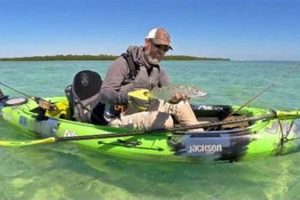
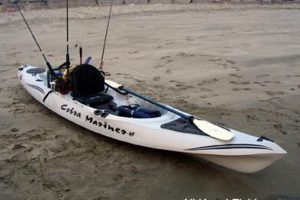
The shallow-water estuaries, mangrove tunnels, and open bay waters of this West Florida location offer diverse environments for anglers seeking various fish species from a small, maneuverable vessel. This presents an accessible and engaging way to experience the regions abundant marine life.
Launching a kayak allows anglers to reach secluded areas inaccessible to larger boats, increasing the likelihood of encountering species like snook, redfish, trout, and tarpon. This activity contributes to local tourism and supports related businesses like bait shops, kayak rentals, and guided tour services. Historically, small boats have been vital to fishing in the region, and the modern adaptation with kayaks continues this tradition while offering a sustainable, low-impact approach to angling.
This exploration of prime locations within the area will cover considerations such as accessibility, prevalent species, ideal tides and times, and necessary equipment. Further discussion will delve into responsible fishing practices, conservation efforts, and regulations pertinent to this specific locale.
Tips for Kayak Fishing in Tampa Bay
Successful kayak fishing in Tampa Bay requires preparation and awareness. The following tips offer guidance for a productive and enjoyable experience.
Tip 1: Understand Tidal Influence: Tides significantly impact fish behavior. Incoming tides bring baitfish and predators into shallower areas, while outgoing tides can concentrate fish in channels and deeper pockets. Consulting a tide chart is crucial.
Tip 2: Choose the Right Launch Site: Consider the targeted fishing area and prevailing wind conditions when selecting a launch site. Public boat ramps and parks offer convenient access, while less-traveled areas provide a quieter experience.
Tip 3: Prioritize Safety Equipment: Always wear a personal flotation device. Carry a whistle, signaling device, and communication equipment. Inform someone of the intended fishing location and estimated return time.
Tip 4: Employ Appropriate Tackle and Techniques: Lighter tackle is often preferred for kayak fishing. Live bait can be effective, but artificial lures offer versatility. Matching tackle to target species enhances fishing success.
Tip 5: Respect the Environment: Practice catch-and-release whenever possible. Properly dispose of fishing line and other waste. Avoid disturbing wildlife and sensitive habitats like seagrass beds and mangrove roots.
Tip 6: Be Weather Aware: Florida weather can change rapidly. Check forecasts before heading out and be prepared for shifting conditions. Avoid lightning storms and high winds.
Tip 7: Hire a Guide (Optional): Local fishing guides offer valuable insights into the best spots, techniques, and regulations. Consider hiring a guide, especially for those unfamiliar with the area.
By following these tips, anglers can maximize their chances of a successful and enjoyable kayak fishing experience while ensuring their safety and protecting the valuable Tampa Bay ecosystem.
This foundational knowledge prepares anglers for a more detailed exploration of specific fishing locations, target species, and advanced techniques within the Tampa Bay area.
1. Accessibility

Accessibility plays a crucial role in determining the suitability of kayak fishing spots within Tampa Bay. Factors influencing accessibility range from the availability of launch points and parking to navigable waterways and the presence of physical limitations within the environment.
- Launch Sites and Parking
The presence of convenient launch sites, including boat ramps, kayak launches, and accessible shorelines, significantly impacts the ease of accessing fishing spots. Ample parking near these launch points further enhances accessibility, reducing the distance anglers must carry their equipment. Locations such as the Gandy Bridge Boat Ramp and the Courtney Campbell Causeway offer convenient parking and launch options. Limited parking or challenging launch sites can restrict access for some anglers.
- Navigable Waterways
The nature of the waterways themselves impacts accessibility. Shallow-water areas, mangrove tunnels, and areas with strong currents or significant boat traffic can present challenges for kayak anglers. Understanding water depth, tidal flows, and potential hazards is essential for safe and accessible navigation. Areas like the Weedon Island Preserve offer protected waterways ideal for kayak fishing.
- Physical Limitations
Physical obstacles such as shallow oyster bars, submerged debris, or dense vegetation can limit accessibility within certain areas of Tampa Bay. Anglers must be aware of these potential hazards and choose routes that accommodate their skill level and kayak type. Careful planning and navigation can mitigate these challenges.
- Regulations and Access Restrictions
Certain areas within Tampa Bay may have access restrictions due to environmental protection, private property, or security concerns. Understanding and respecting these regulations is crucial for responsible kayak fishing. Resources such as local maps and websites provide information about access restrictions and permitted areas. For example, MacDill Air Force Base restricts access to certain waters for security reasons.
The accessibility of Tampa Bay kayak fishing spots significantly influences angler experience. Careful consideration of launch sites, navigable waterways, potential physical limitations, and access restrictions allows anglers to choose locations that align with their skill levels, kayak type, and desired fishing experience. Prioritizing accessible fishing locations ensures a safe, enjoyable, and productive outing while minimizing environmental impact and respecting local regulations.
2. Species Diversity

Tampa Bay’s diverse ecosystem supports a rich variety of fish species, making it a prime location for kayak anglers. The ability to navigate shallow waters and access secluded areas further enhances opportunities to encounter these diverse species. Understanding the prevalent species and their habitats within Tampa Bay is crucial for a successful fishing experience.
- Inshore Game Fish
Snook, redfish, and spotted seatrout comprise the “inshore grand slam” and are highly sought-after species in Tampa Bay. These fish thrive in the bay’s shallow grass flats, mangrove shorelines, and oyster bars. Kayak anglers can effectively target these species using light tackle and a variety of lures or live bait.
- Pelagic Species
Tampa Bay’s open waters provide opportunities to encounter pelagic fish such as Spanish mackerel, kingfish, and cobia. These migratory fish often follow bait schools, and kayak anglers can intercept them by trolling or drifting live bait. Knowledge of seasonal migrations and preferred habitats increases the chances of success.
- Other Notable Species
Beyond the popular game fish, Tampa Bay also hosts a variety of other species including tarpon, flounder, sheepshead, and black drum. These fish offer unique angling challenges and contribute to the overall diversity of the bay’s fishery. Understanding their specific feeding habits and preferred habitats enhances the kayak angler’s experience.
- Baitfish and Forage
The abundance of baitfish, including pilchards, threadfin herring, and pinfish, plays a critical role in supporting the diverse predator species within Tampa Bay. Locating areas with concentrated baitfish activity often leads to successful fishing. Kayak anglers can use cast nets or sabiki rigs to catch live bait for use in targeting larger game fish.
The species diversity within Tampa Bay contributes significantly to its appeal as a kayak fishing destination. The ability to target a variety of species in diverse habitats provides a dynamic and engaging angling experience. Understanding the specific characteristics and behaviors of these species, along with their preferred locations within the bay, enhances the kayak angler’s success and fosters a deeper appreciation for the region’s rich ecosystem.
3. Tidal Influence
Tidal influence significantly impacts fish behavior and, consequently, the success of kayak fishing in Tampa Bay. Tides create currents that transport baitfish and nutrients, influencing predator movements and feeding patterns. Understanding tidal cycles is crucial for selecting optimal fishing times and locations within the bay. For example, incoming tides flood shallow flats, attracting baitfish and predators like snook and redfish, while outgoing tides concentrate fish in deeper channels and around structures.
The strength and direction of tidal currents also affect lure presentation and fishing techniques. Strong outgoing tides may require heavier weights or faster retrieves to maintain contact with the bottom. Conversely, slack tides, the periods between incoming and outgoing flows, can offer excellent sight-fishing opportunities in shallow, clear water. Recognizing these tidal nuances allows anglers to adapt their approach and maximize their chances of success. Furthermore, tidal fluctuations affect water depth, impacting accessibility to certain areas, particularly shallow flats and mangrove shorelines. Consulting a tide chart is essential for planning kayak fishing trips and navigating safely within Tampa Bay.
In summary, tidal influence is an integral factor in Tampa Bay kayak fishing. Knowledge of tidal cycles, currents, and their impact on fish behavior and accessibility is essential for a productive and safe fishing experience. By understanding and adapting to tidal conditions, kayak anglers can significantly improve their chances of locating and catching target species throughout the diverse habitats of Tampa Bay. Ignoring tidal influence can lead to unproductive fishing trips and potentially hazardous navigation in shallow areas.
4. Safety Regulations
Adhering to safety regulations is paramount for a secure and enjoyable kayak fishing experience in Tampa Bay. These regulations, encompassing legal requirements and recommended best practices, protect anglers and preserve the bay’s ecosystem. Understanding and complying with these guidelines ensures responsible and sustainable fishing practices.
- Personal Flotation Devices (PFDs)
Wearing a U.S. Coast Guard-approved PFD is legally required for all individuals aboard kayaks in Tampa Bay. PFDs provide essential buoyancy in case of capsizing or accidental immersion, significantly reducing the risk of drowning. Various PFD types exist, including inflatable and inherently buoyant vests, allowing anglers to choose a comfortable and appropriate option for kayak fishing.
- Navigation Lights and Sound Signals
Kayaks operating between sunset and sunrise or during periods of restricted visibility must display navigation lights. A white light visible from all directions is mandatory. Carrying a sound-producing device, such as a whistle, is also required for signaling in emergencies or avoiding collisions with other vessels. These regulations enhance visibility and communication, minimizing collision risks in low-light or foggy conditions.
- Weather Awareness and Lightning Safety
Tampa Bay’s weather can change rapidly, presenting challenges for kayak anglers. Monitoring weather forecasts before and during fishing trips is crucial. Lightning storms pose a significant threat, and anglers should seek safe harbor immediately upon observing lightning or hearing thunder. Understanding weather patterns and practicing lightning safety protocols are essential for minimizing risks associated with sudden weather changes.
- Fishing Regulations and Licensing
Florida requires a valid fishing license for all anglers, including those fishing from kayaks. Specific regulations apply to different species, including size limits, bag limits, and seasonal closures. Adhering to these regulations ensures the sustainability of fish populations and the preservation of Tampa Bay’s ecosystem. Information on current fishing regulations and licensing requirements is available through the Florida Fish and Wildlife Conservation Commission (FWC).
Compliance with safety regulations and responsible fishing practices contributes significantly to a positive and sustainable kayak fishing experience in Tampa Bay. These guidelines ensure angler safety, protect the environment, and promote the long-term health of the bay’s valuable fishery. Neglecting these regulations can lead to fines, accidents, or damage to the ecosystem. By prioritizing safety and responsible angling, kayak fishermen can enjoy Tampa Bay’s diverse fishing opportunities while contributing to its preservation for future generations.
5. Environmental Impact

Kayak fishing, while generally considered a low-impact activity, presents potential environmental consequences within the sensitive ecosystem of Tampa Bay. Minimizing these impacts through responsible angling practices is crucial for preserving the bay’s health and ensuring sustainable fishing opportunities for future generations. Understanding the potential effects of kayak fishing on the environment allows anglers to make informed decisions and contribute to the long-term well-being of this valuable resource.
- Habitat Disturbance
Kayaks, due to their shallow draft and maneuverability, can access shallow-water habitats crucial for fish spawning and nursery functions. Improper kayaking techniques, such as dragging kayaks across seagrass beds or disturbing mangrove roots, can damage these sensitive habitats. Anglers should navigate carefully, avoiding contact with submerged vegetation and shallow-water areas whenever possible. Disturbing these habitats can disrupt fish populations and negatively impact the overall health of the bay.
- Pollution and Waste Disposal
Discarded fishing line, hooks, and other tackle pose significant threats to marine life. Entanglement in fishing line can injure or kill birds, fish, and other aquatic animals. Ingestion of plastic lures or hooks can also be fatal. Responsible anglers should pack out all trash and discarded fishing gear, utilizing designated disposal bins or recycling programs. Proper waste disposal minimizes the risk of pollution and protects the bay’s wildlife.
- Fish Handling and Release Practices
Improper fish handling and release techniques can lead to stress, injury, or mortality, particularly in sensitive species like snook and redfish. Best practices include using wet hands or a landing net to minimize handling time, avoiding contact with gills, and using appropriate de-hooking tools. Practicing catch-and-release whenever possible contributes to sustainable fish populations and ensures the long-term health of the fishery.
- Noise and Disturbance to Wildlife
Excessive noise from kayaks, including paddling and conversations, can disturb wildlife, particularly birds nesting or roosting in shoreline habitats. Maintaining a respectful distance from wildlife and minimizing noise pollution contributes to a healthier environment and allows for unobtrusive observation of the bay’s diverse fauna.
Minimizing environmental impact within Tampa Bay’s kayak fishing spots necessitates a commitment to responsible angling practices. By understanding the potential consequences of their actions and adopting sustainable fishing techniques, kayak anglers can contribute to the preservation of this valuable ecosystem. Respecting the environment ensures the continued health of the bay and its diverse inhabitants, safeguarding the future of kayak fishing in Tampa Bay for generations to come. A balance between recreational enjoyment and environmental stewardship is essential for the long-term sustainability of this unique and valuable resource.
6. Kayak Launch Sites
Kayak launch sites represent critical access points to Tampa Bay’s diverse fishing spots. Launch site selection directly influences an angler’s ability to reach desired fishing grounds and impacts the overall experience. Factors such as parking availability, accessibility for different kayak types (sit-on-top, sit-inside, etc.), proximity to target species habitats, and prevailing water conditions all contribute to the importance of choosing appropriate launch locations. For example, the Little Manatee River launch site provides convenient access to protected backwater areas ideal for targeting snook and redfish, while the Fort De Soto Park launch offers access to open bay waters suitable for pursuing pelagic species like Spanish mackerel. Selecting a launch site incompatible with the target species or angler’s skill level can lead to an unproductive or even hazardous fishing trip.
The distribution of launch sites around Tampa Bay also plays a significant role in determining fishing pressure and accessibility to different areas. Some locations, like the Gandy Bridge Boat Ramp, experience higher traffic due to their central location and ample parking, potentially leading to increased competition for prime fishing spots. Other, less-traveled launches, such as those found within the Weedon Island Preserve, provide a more secluded experience but may require additional planning and navigation to reach desired areas. Understanding the trade-offs between convenience, accessibility, and fishing pressure associated with different launch sites allows anglers to make informed decisions based on their individual preferences and fishing goals.
Effective utilization of kayak launch sites is essential for successful Tampa Bay kayak fishing. Careful consideration of factors like location, accessibility, and proximity to target species significantly influences fishing outcomes. Matching the launch site to the desired fishing experience enhances angler success, minimizes environmental impact, and promotes responsible use of this valuable resource. Overlooking these considerations can lead to frustration, wasted time, and potential safety risks. Strategic launch site selection, therefore, acts as a cornerstone of a productive and enjoyable Tampa Bay kayak fishing adventure.
Frequently Asked Questions
This FAQ section addresses common inquiries regarding kayak fishing within Tampa Bay, providing concise and informative responses to assist anglers in planning successful and enjoyable outings.
Question 1: What are the most common fish species targeted by kayak anglers in Tampa Bay?
Snook, redfish, spotted seatrout, tarpon, Spanish mackerel, and flounder are among the most frequently targeted species. The specific species encountered can vary based on location, season, and tidal conditions.
Question 2: Are there specific regulations regarding kayak fishing in Tampa Bay?
Yes, all Florida fishing regulations apply to kayak anglers, including licensing requirements, size and bag limits, and seasonal closures. Consult the Florida Fish and Wildlife Conservation Commission (FWC) website for current regulations.
Question 3: What essential safety equipment should kayak anglers carry in Tampa Bay?
Essential safety gear includes a personal flotation device (PFD), whistle, visual distress signals, communication device (e.g., VHF radio or waterproof cell phone), and a first-aid kit. A navigation light is required for nighttime kayaking.
Question 4: How does tidal influence affect kayak fishing in Tampa Bay?
Tides influence water depth, currents, and fish behavior. Incoming tides bring baitfish and predators into shallow areas, while outgoing tides concentrate fish in channels. Consulting a tide chart is crucial for optimizing fishing locations and techniques.
Question 5: Where can suitable kayak launch sites be found around Tampa Bay?
Public boat ramps, parks, and designated kayak launch areas provide access to Tampa Bay waters. Resources like online maps and local fishing guides offer information on suitable launch locations.
Question 6: What environmental considerations are important for kayak anglers in Tampa Bay?
Minimizing environmental impact involves avoiding sensitive habitats like seagrass beds and mangrove roots, properly disposing of fishing line and other waste, practicing catch-and-release whenever possible, and minimizing disturbance to wildlife.
Careful consideration of these frequently asked questions, coupled with thorough planning and preparation, contributes significantly to a safe, enjoyable, and productive kayak fishing experience within Tampa Bay.
For those seeking further guidance, local fishing guides and outfitters offer valuable insights and resources tailored to the specific conditions and opportunities within Tampa Bay. Consulting these experts can enhance the overall fishing experience.
Tampa Bay Kayak Fishing Spots
Exploration of Tampa Bay kayak fishing spots reveals a dynamic interplay between environmental factors, species diversity, and angler responsibility. Accessibility considerations, ranging from launch site selection to navigating shallow-water habitats, significantly influence fishing success. Understanding tidal influences and their impact on fish behavior is crucial for optimizing fishing strategies. Adherence to safety regulations and respect for the environment ensure the long-term health of the bay and its valuable fishery.
Tampa Bay’s diverse ecosystem offers exceptional kayak fishing opportunities, demanding a balanced approach that prioritizes both angler enjoyment and environmental stewardship. Continued exploration and responsible engagement with these unique fishing grounds will ensure the preservation of this valuable resource for future generations.