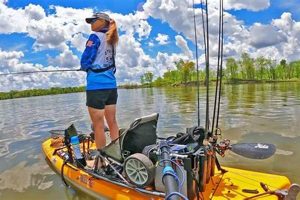
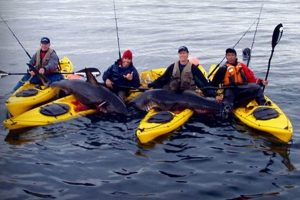
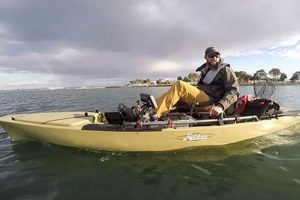
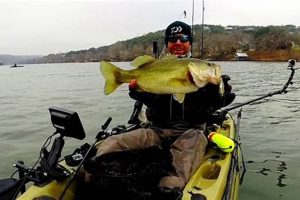
An organization of this type typically serves as a hub for individuals passionate about angling from kayaks within the Tampa Bay estuary. Members might participate in group outings, tournaments, and conservation efforts. Such a group could offer opportunities for skill development through shared knowledge and experience regarding fishing techniques, kayak handling, and local waterway navigation.
Connecting with other kayak anglers fosters a sense of community and promotes safe practices on the water. Pooling resources and expertise can lead to improved catches and a deeper understanding of the local ecosystem. Over time, these groups can play a significant role in advocating for responsible fishing practices and environmental protection within their region.
The following sections will delve deeper into aspects relevant to kayak fishing within this specific geographic area. Topics to be explored include popular fishing locations, target species, effective techniques, necessary equipment, safety considerations, and local regulations.
Tips for Kayak Fishing in Tampa Bay
Successful kayak angling in Tampa Bay requires preparation and knowledge. The following tips offer guidance for a productive and enjoyable experience.
Tip 1: Understand the Tides: Tidal flow significantly impacts fish behavior and accessibility. Consulting tide charts is crucial for planning fishing trips.
Tip 2: Choose the Right Kayak: Kayak selection should consider stability, maneuverability, and storage capacity based on individual needs and fishing style.
Tip 3: Utilize a Fish Finder: Fish finders provide valuable information about water depth, bottom structure, and fish location, increasing angling success.
Tip 4: Employ Appropriate Tackle: Rods, reels, and lines should be selected based on target species and fishing techniques. Local tackle shops can offer specific recommendations.
Tip 5: Practice Proper Kayak Handling: Mastering paddling techniques and maneuvering in various water conditions is crucial for safety and efficiency.
Tip 6: Prioritize Safety: Wearing a personal flotation device, carrying essential safety gear, and informing someone of fishing plans are paramount safety practices.
Tip 7: Respect the Environment: Practicing catch-and-release whenever possible, minimizing litter, and adhering to local regulations contribute to the preservation of the ecosystem.
Tip 8: Be Weather Aware: Check weather forecasts before heading out and be prepared for changing conditions. Sudden storms can pose a significant risk on the water.
By following these tips, anglers can enhance their chances of a successful and safe fishing experience while contributing to responsible use of the Tampa Bay waters.
These practical recommendations aim to equip anglers with the knowledge and skills needed for a positive experience on the water. The subsequent conclusion will offer final thoughts on the importance of responsible kayak fishing within the Tampa Bay ecosystem.
1. Community

A strong sense of community often lies at the heart of a successful Tampa Bay kayak fishing club. This shared passion for angling from kayaks fosters camaraderie and creates opportunities for social interaction beyond the water. Members connect through shared experiences, exchanging fishing tips, recounting memorable catches, and supporting each other in skill development. This sense of belonging can be particularly beneficial for newcomers to the area or the sport, providing a welcoming environment to learn and grow.
The community aspect extends beyond casual socializing. Members often collaborate on conservation projects, participating in cleanup events or advocating for responsible fishing practices. Group outings and tournaments foster friendly competition while strengthening interpersonal bonds. The collective power of a community also allows for greater influence in advocating for anglers’ rights and access to waterways. For example, a unified voice can be more effective in addressing concerns related to environmental regulations or access limitations.
Cultivating a thriving community requires active participation and engagement from members. Open communication, mutual respect, and a willingness to share knowledge and resources contribute to the overall health and longevity of the club. A robust community enhances the individual experience of kayak fishing by providing a support system, fostering personal connections, and creating a platform for collective action to protect the shared passion and the environment in which it thrives.
Shared knowledge forms a cornerstone of a thriving Tampa Bay kayak fishing club. The collective experience within such a group offers a valuable resource for members to enhance their skills and understanding of the local environment. Information exchanged might include effective fishing techniques for specific species, optimal locations based on tides and seasons, navigational tips for local waterways, or recommendations on suitable kayak equipment. This continuous exchange of information accelerates individual learning curves and fosters a deeper appreciation for the intricacies of kayak fishing within the Tampa Bay ecosystem. For instance, a seasoned member might share insights on locating redfish in shallow grass flats during high tide, empowering less experienced anglers to improve their chances of success.
The practical significance of shared knowledge manifests in several ways. Novices gain access to a wealth of information that might otherwise take years to accumulate through trial and error. Experienced anglers benefit from diverse perspectives and innovative approaches, refining their techniques and expanding their understanding of the local fishery. This collective learning process also contributes to responsible fishing practices. Sharing information about catch-and-release methods, size limits, and seasonal closures promotes conservation efforts and ensures the sustainability of the Tampa Bay ecosystem. Furthermore, sharing safety tips and navigational best practices enhances the safety of all members.
Effective knowledge sharing requires open communication and a willingness to both teach and learn. Establishing platforms for information exchange, such as online forums, regular meetings, or mentoring programs, can facilitate this process. Challenges might include ensuring accuracy of information and fostering an inclusive environment where all members feel comfortable contributing. Successfully navigating these challenges contributes to a vibrant learning environment within the club, ultimately benefiting individual anglers and the overall health of the Tampa Bay fishery.
3. Organized Trips

Organized trips constitute a vital component of a Tampa Bay kayak fishing club, offering structured opportunities for members to experience the diverse fishing opportunities within the region. These excursions provide a platform for shared experiences, skill development, and community building. Trips might target specific species, explore new fishing grounds, or focus on particular techniques, catering to varied interests and skill levels. For example, a guided trip to a shallow-water flat might focus on sight-fishing for redfish, while another might explore the deeper channels for grouper. The structured nature of these trips reduces the logistical burden on individual anglers, allowing them to focus on the fishing experience itself.
The benefits of organized trips extend beyond the immediate fishing experience. Participating in group outings fosters camaraderie among members, strengthening the club’s social fabric. Experienced anglers can share their knowledge and techniques with less experienced participants, fostering skill development and promoting best practices. These trips also offer a safe and supportive environment for newcomers to kayak fishing, allowing them to gain confidence and experience under the guidance of seasoned members. Furthermore, organized trips can serve as a platform for conservation initiatives. For example, a club might organize a cleanup trip to remove debris from local waterways or participate in a fish tagging program to gather data for scientific research.
Effective organization is crucial for successful trips. Clear communication regarding trip logistics, including dates, times, locations, target species, and required equipment, ensures smooth execution. Designated trip leaders with local expertise can enhance the overall experience by providing guidance on navigation, fishing techniques, and safety protocols. Addressing potential challenges, such as inclement weather or unexpected equipment issues, requires proactive planning and contingency measures. Well-organized trips contribute significantly to member satisfaction, foster a sense of community, and promote responsible enjoyment of Tampa Bay’s rich fishing resources.
4. Conservation Efforts
Conservation efforts are integral to the mission of a responsible Tampa Bay kayak fishing club. Protecting the health and sustainability of the local ecosystem ensures the longevity of the sport and preserves the natural beauty of the region for future generations. Members recognize their direct impact on the environment and actively engage in initiatives that promote responsible fishing practices and habitat preservation.
- Habitat Restoration
Participating in habitat restoration projects, such as mangrove plantings or seagrass bed cleanups, directly contributes to the health of the Tampa Bay estuary. Mangroves provide critical nursery habitats for numerous fish species, while seagrass beds offer foraging grounds and shelter. These efforts enhance biodiversity and support the overall productivity of the ecosystem. A kayak fishing club can organize volunteer events to remove debris from these vital habitats or partner with local environmental organizations on larger-scale restoration projects.
- Responsible Fishing Practices
Promoting and adhering to responsible fishing practices is crucial for maintaining healthy fish populations. Catch-and-release fishing, proper handling techniques to minimize stress on released fish, and adherence to size and bag limits contribute to sustainable fishing practices. Club members can educate each other on best practices and advocate for responsible angling within the wider community. This might involve hosting educational workshops, creating informational materials, or partnering with local authorities on outreach programs.
- Water Quality Monitoring
Participating in water quality monitoring programs provides valuable data for assessing the health of Tampa Bay. Collecting water samples, monitoring nutrient levels, or reporting algal blooms helps scientists track environmental changes and identify potential threats to the ecosystem. Kayak fishing clubs can collaborate with research institutions or environmental organizations to contribute to these monitoring efforts. Their unique access to various parts of the bay makes them valuable partners in data collection and observation.
- Advocacy and Education
Advocating for policies that protect the Tampa Bay environment and educating the public about conservation issues are essential for long-term sustainability. Club members can engage in advocacy efforts by supporting legislation that promotes responsible coastal development, reduces pollution, and protects sensitive habitats. Educational outreach programs can raise public awareness about the importance of conservation and encourage responsible use of the bay’s resources. This might involve participating in community events, organizing educational workshops, or collaborating with local schools to engage younger generations in environmental stewardship.
These interconnected conservation efforts demonstrate the commitment of a Tampa Bay kayak fishing club to environmental stewardship. By actively participating in these initiatives, members ensure the health of the ecosystem, protect the longevity of the sport they enjoy, and contribute to the overall well-being of the Tampa Bay region. The club serves as a platform for collective action, amplifying the impact of individual efforts and fostering a deeper connection between anglers and the environment they cherish.
5. Skill Development

Skill development is a crucial aspect of a Tampa Bay kayak fishing club, offering members continuous opportunities to enhance their angling prowess and overall kayaking proficiency. The club environment provides a platform for learning and improvement, fostering growth for both novice and experienced anglers alike. From mastering fundamental techniques to refining specialized skills, the collective knowledge and shared experiences within the club contribute significantly to individual development.
- Kayak Handling
Mastering kayak control is fundamental for successful and safe kayak fishing. Learning efficient paddling techniques, maneuvering in various water conditions, and understanding stability principles are essential skills. Within a club setting, experienced members can offer guidance on proper paddling form, bracing techniques for stability, and strategies for navigating currents and wind. Practical experience gained during group outings and organized trips reinforces these skills in real-world scenarios. Improved kayak handling allows anglers to access diverse fishing locations, maintain stability in challenging conditions, and focus on the fishing itself rather than struggling with kayak control.
- Fishing Techniques
A Tampa Bay kayak fishing club provides an ideal environment for refining fishing techniques specific to the local ecosystem. Members share insights on effective methods for targeting various species, including snook, redfish, trout, and tarpon. This might involve learning how to present artificial lures, understanding live bait rigging techniques, or mastering the art of sight-fishing in shallow grass flats. Group discussions, workshops, and mentoring opportunities within the club allow members to learn from each other’s experiences and adapt techniques to suit individual fishing styles. Developing specialized fishing techniques increases the likelihood of successful catches and fosters a deeper understanding of fish behavior and habitat preferences.
- Navigation and Safety
Safe navigation within the Tampa Bay estuary requires familiarity with local waterways, tides, and potential hazards. A kayak fishing club equips members with the necessary skills to navigate safely and effectively. Experienced members can share their knowledge of local channels, identify productive fishing spots, and provide guidance on interpreting nautical charts and tide tables. Emphasis on safety protocols, including proper use of safety equipment, emergency procedures, and communication strategies, ensures members are prepared for unexpected situations. Developing these navigational and safety skills contributes to a more confident and enjoyable fishing experience, minimizing risks and promoting responsible use of the waterways.
- Equipment Maintenance and Repair
Maintaining and repairing kayak fishing equipment is essential for both performance and safety. A Tampa Bay kayak fishing club provides a platform for members to learn basic maintenance procedures, such as cleaning and lubricating reels, maintaining fishing rods, and repairing minor kayak damage. Sharing tips on equipment selection, storage, and troubleshooting common issues empowers members to extend the lifespan of their gear and minimize disruptions during fishing trips. Developing these skills fosters self-sufficiency and reduces reliance on external repair services, contributing to a more cost-effective and enjoyable fishing experience.
These interconnected skill development opportunities highlight the value of membership in a Tampa Bay kayak fishing club. By fostering a culture of learning and shared experience, the club empowers individuals to enhance their kayaking and fishing skills, contributing to safer, more successful, and ultimately more fulfilling experiences on the water. The continuous pursuit of skill development not only benefits individual anglers but also strengthens the collective expertise within the club, fostering a community of knowledgeable and responsible kayak anglers.
6. Safety Promotion
Safety promotion constitutes a critical function of a Tampa Bay kayak fishing club, reflecting a commitment to member well-being and responsible enjoyment of the sport. Kayak fishing, while rewarding, presents inherent risks, particularly in a dynamic environment like Tampa Bay. The club addresses these risks through proactive safety measures, fostering a culture of preparedness and responsible behavior on the water. This emphasis on safety strengthens the club’s foundation, contributing to positive experiences and minimizing potential incidents. For example, a club might organize a safety workshop covering essential topics like navigation, emergency procedures, and proper use of safety equipment. Such initiatives equip members with the knowledge and skills necessary to mitigate risks.
Several factors underscore the importance of safety promotion within the club context. The open waters of Tampa Bay expose kayakers to varying weather conditions, boat traffic, and potential navigation hazards. Strong currents, sudden storms, and interactions with larger vessels pose significant risks if not properly managed. Furthermore, the solitary nature of kayak fishing necessitates self-sufficiency in emergency situations. A club environment provides a platform for shared learning and reinforcement of safety protocols. Regular communication of weather updates, dissemination of safety tips, and group discussions on best practices contribute to a heightened awareness of potential dangers. Practical demonstrations of self-rescue techniques and emergency communication procedures further enhance member preparedness. A club’s established network also facilitates rapid response in the event of an incident, providing an added layer of security.
A robust safety program benefits individual members and enhances the club’s overall reputation. Minimizing incidents fosters a positive image of kayak fishing within the community and strengthens relationships with local authorities. Proactive safety measures also contribute to a more enjoyable and confident fishing experience, allowing members to focus on the sport without undue concern for potential hazards. The ongoing commitment to safety reinforces the club’s values and solidifies its role as a responsible steward of the Tampa Bay waters.
7. Advocacy for Anglers
Advocacy for anglers represents a crucial function of a Tampa Bay kayak fishing club, extending its influence beyond the immediate membership to champion the interests of the broader angling community. This advocacy work protects access to fishing grounds, promotes responsible resource management, and ensures the voice of kayak anglers is heard in policy discussions. The club serves as a unified platform, amplifying individual concerns and presenting a cohesive front on issues impacting the sport. For example, the club might engage with local authorities regarding proposed regulations affecting access to specific waterways or advocate for improved launch facilities that cater to kayak anglers’ needs. Such actions safeguard fishing opportunities and enhance the overall angling experience within the region.
The practical significance of this advocacy work manifests in several ways. Protecting access to public waters ensures continued opportunities for recreational fishing, preserving a valued pastime for current and future generations. Promoting responsible resource management through advocacy efforts contributes to the long-term health of the fishery, benefiting both the ecosystem and the anglers who rely on its sustainability. Advocating for improved infrastructure, such as kayak-friendly launch sites and designated fishing areas, enhances accessibility and promotes safe enjoyment of the sport. Furthermore, representing the interests of kayak anglers in policy discussions ensures that regulations are informed by the specific needs and perspectives of this growing segment of the angling community. This might involve participating in public hearings, submitting comments on proposed regulations, or collaborating with other angling organizations to present a unified voice.
Challenges to effective advocacy include navigating complex regulatory processes, securing funding for infrastructure improvements, and balancing diverse interests within the angling community. Overcoming these challenges requires strategic planning, persistent engagement with stakeholders, and building strong alliances with other organizations. Successful advocacy efforts translate into tangible benefits for kayak anglers, preserving access to fishing grounds, promoting responsible resource management, and ensuring the continued viability of the sport within the Tampa Bay ecosystem. This active engagement in shaping the future of kayak fishing underscores the broader societal role of a Tampa Bay kayak fishing club, transforming it from a recreational group into a powerful voice for conservation and responsible recreation.
Frequently Asked Questions
This section addresses common inquiries regarding kayak fishing within Tampa Bay, providing concise and informative responses.
Question 1: What are the primary target species for kayak anglers in Tampa Bay?
Common targets include snook, redfish, trout, tarpon, snapper, and grouper. Species availability varies seasonally.
Question 2: Are there specific regulations for kayak fishing in Tampa Bay?
Standard Florida fishing regulations apply. Specific regulations may exist for certain areas or species. Consulting the Florida Fish and Wildlife Conservation Commission (FWC) website provides comprehensive information.
Question 3: What essential safety equipment should kayak anglers carry?
Essential items include a personal flotation device (PFD), a whistle, a visual distress signal, a first-aid kit, and a communication device (e.g., VHF radio or waterproof cell phone). Navigation lights are required for fishing after sunset.
Question 4: Where can kayak launch sites be found around Tampa Bay?
Numerous public boat ramps and kayak launches provide access to Tampa Bay waters. Online resources and local maps offer specific locations and associated fees.
Question 5: What tidal considerations are important for kayak fishing in Tampa Bay?
Tidal flow significantly impacts fish behavior and accessibility. Consulting tide charts prior to fishing trips is crucial for planning and optimizing fishing locations.
Question 6: What are the potential hazards kayak anglers should be aware of in Tampa Bay?
Potential hazards include changing weather conditions, boat traffic, strong currents, and submerged obstacles. Awareness, proper planning, and adherence to safety guidelines mitigate these risks.
Understanding local regulations, prioritizing safety, and acknowledging environmental factors contributes significantly to a positive and productive kayak fishing experience in Tampa Bay. Continued learning and engagement with experienced anglers enhances knowledge and promotes responsible enjoyment of the sport.
The following section provides a comprehensive guide to fishing regulations specific to Tampa Bay, ensuring anglers are well-informed and compliant with local laws.
Conclusion
Exploration of a Tampa Bay kayak fishing club reveals multifaceted benefits. Such organizations offer valuable resources for anglers of all skill levels, from fostering community and promoting safety to enhancing skill development and advocating for responsible resource management. The collective knowledge shared within these clubs empowers individuals, strengthens the angling community, and contributes to the long-term health of the Tampa Bay ecosystem. Emphasis on conservation efforts and responsible fishing practices ensures the sustainability of the sport for future generations.
The future of the fishery and the enjoyment of kayak angling within Tampa Bay rely on continued collaboration, education, and advocacy. Active participation in local clubs fosters stewardship and ensures the preservation of this valuable resource. Supporting these organizations contributes to a thriving angling community and a healthy ecosystem, allowing current and future generations to experience the unique rewards of kayak fishing in Tampa Bay.