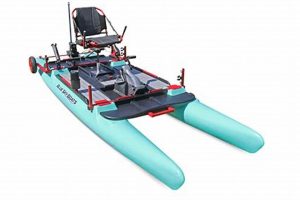
The pursuit of these ancient fish from a small, human-powered vessel presents unique challenges and rewards. Anglers employ specialized tackle and techniques to land these powerful creatures, often in riverine or estuarine environments. This approach offers a close-to-nature experience, requiring skill and patience.
This method provides a sustainable and accessible way to engage with a remarkable species. It promotes conservation by minimizing environmental impact while offering an exciting and physically demanding activity. The historical significance of these fish, often reaching impressive sizes and ages, adds a layer of appreciation for their resilience and the importance of responsible angling practices.
Further exploration of this pursuit will cover topics such as appropriate gear selection, effective fishing strategies, best practices for catch-and-release, and relevant regulations to ensure ethical and sustainable interactions with these impressive fish.
Tips for Successful Sturgeon Kayak Angling
Achieving success requires careful planning and execution. These tips offer guidance for a safe and rewarding experience.
Tip 1: Employ heavy-duty tackle. Strong rods, reels, and lines are essential for handling powerful sturgeon. Braided line is recommended for its strength and sensitivity.
Tip 2: Use appropriate bait and rigs. Fresh or frozen baitfish, such as shad or herring, are effective. Slip-sinker rigs or circle hooks are often preferred.
Tip 3: Understand local regulations. Specific regulations regarding size limits, catch limits, and permitted fishing methods vary by location and should be consulted prior to fishing.
Tip 4: Choose suitable locations. Focus efforts in areas known for sturgeon activity, such as deep channels, river bends, or near dams.
Tip 5: Practice proper catch-and-release techniques. Minimize handling time and use appropriate tools for hook removal to ensure the fish’s health and survival.
Tip 6: Prioritize safety. Wear a personal flotation device and be mindful of water conditions and potential hazards.
Tip 7: Consider using a fish finder. A fish finder can assist in locating sturgeon and identifying suitable depths and structures.
Adhering to these guidelines will increase the likelihood of a productive and ethical fishing experience. Preparation and responsible angling practices are key to success.
By understanding these core elements and applying them effectively, anglers can contribute to the conservation of these magnificent fish while enjoying a challenging and fulfilling pursuit.
1. Specialized Tackle

The unique demands of pursuing sturgeon from a kayak necessitate specialized tackle. These fish possess remarkable strength and size, requiring equipment capable of withstanding powerful runs and prolonged fights. A heavy-action rod, typically 7-8 feet in length, provides the backbone necessary to control a large sturgeon. A robust reel, spooled with high-strength braided line, offers the capacity and durability to handle long runs and the abrasive environment. Leaders of heavy monofilament or fluorocarbon are essential to resist abrasion against the fish’s bony scutes and the often rocky or debris-laden bottom. For example, targeting a large white sturgeon in a fast-flowing river necessitates a rod with a high line rating and a reel capable of handling hundreds of yards of braided line. This ensures adequate strength and capacity for extended battles.
The specialized nature of this tackle extends beyond rod and reel. Large, durable hooks are essential for effectively hooking and holding sturgeon. Circle hooks, in particular, are often favored for their tendency to hook in the corner of the mouth, minimizing injury and facilitating safe release. Sinker selection depends on the specific fishing conditions, with sliding sinker rigs commonly employed to allow the fish to take the bait without feeling resistance. Furthermore, specialized tools, such as long-handled hook removers and sturdy nets, aid in the safe and efficient handling of these large fish. In a kayak, these tools become even more critical due to the limited space and stability compared to a larger boat. A strong net with a wide opening allows for secure capture and control of the fish alongside the kayak.
Understanding the importance of specialized tackle is paramount for successful and ethical sturgeon kayak fishing. Proper gear selection not only increases the likelihood of landing a fish but also minimizes the risk of equipment failure and injury to both the angler and the fish. This knowledge empowers anglers to engage in this demanding pursuit responsibly, ensuring the conservation of these remarkable creatures for future generations. Choosing appropriate tackle, paired with proper handling techniques, contributes significantly to the overall success and sustainability of this specialized fishing style.
2. Kayak Stability

Kayak stability plays a crucial role in successful sturgeon fishing. These powerful fish demand specialized techniques and equipment, and a stable platform is essential for maintaining control and ensuring angler safety during the fight. A stable kayak allows for effective hook sets, maneuverability in challenging currents, and safe handling of large, powerful fish alongside the vessel. Compromised stability, conversely, can lead to capsizing, equipment loss, and potentially dangerous situations.
- Primary Stability
Primary stability refers to a kayak’s initial resistance to tipping. A wider, flatter hull provides greater primary stability, making it less likely to tip when at rest or during minor movements. This is particularly important when fishing for sturgeon, as anglers often need to make sudden movements to set the hook or adjust their position. A kayak with high primary stability offers a secure platform for casting, retrieving, and fighting fish, especially in calmer waters. For instance, a wider sit-on-top kayak offers inherent stability, allowing anglers to focus on fishing rather than balancing.
- Secondary Stability
Secondary stability refers to a kayak’s resistance to tipping when leaned or tilted. Kayaks with rounded or flared hulls tend to have greater secondary stability, allowing them to lean further before capsizing. This characteristic becomes critical when battling a large sturgeon, as the fish’s powerful runs and movements can exert significant force on the kayak. High secondary stability provides a margin of safety, preventing capsize even when the kayak is leaned significantly. A narrower, touring-style kayak may feel less stable initially but offer reassuring secondary stability during a fight.
- Factors Affecting Stability
Several factors influence a kayak’s stability, including hull design, kayak length and width, angler weight and position, and gear distribution. Understanding these factors allows anglers to select a suitable kayak and optimize its stability for sturgeon fishing. For example, distributing weight evenly within the kayak enhances stability, while adding an outrigger system can further improve stability, especially beneficial when fighting a large fish. A heavier angler in a shorter kayak might experience reduced stability compared to a lighter angler in a longer, wider kayak.
- Importance in Sturgeon Fishing
The importance of kayak stability in sturgeon fishing cannot be overstated. A stable kayak allows anglers to focus on the demanding task of fighting a large fish without constantly worrying about balance and potential capsize. This is especially important when fishing in strong currents or challenging conditions. Enhanced stability translates to greater control, improved safety, and a more enjoyable and successful fishing experience. Imagine battling a powerful sturgeon in a choppy river a stable kayak becomes a vital safety platform enabling a successful outcome.
Ultimately, selecting a kayak with appropriate stability characteristics is essential for successful and safe sturgeon fishing. Considering factors like primary and secondary stability, hull design, and weight capacity, alongside understanding personal preferences and fishing conditions, contributes significantly to angler confidence and enjoyment on the water. Choosing the right kayak, and optimizing its stability through proper weight distribution and the use of stabilizing accessories, can greatly enhance the experience and increase the chances of landing a trophy sturgeon.
3. River Selection

River selection is a critical aspect of successful sturgeon kayak fishing. Choosing the right river significantly influences the likelihood of encountering these impressive fish and impacts the overall safety and enjoyment of the experience. Appropriate river selection requires careful consideration of several interconnected factors, each playing a vital role in maximizing fishing success and ensuring a responsible angling approach.
- Sturgeon Habitat
Understanding sturgeon habitat preferences is paramount. These fish thrive in specific environments, and targeting rivers known to support healthy sturgeon populations is essential. Factors such as water temperature, depth, substrate composition, and flow rate all influence sturgeon distribution. For instance, white sturgeon often prefer deep pools and channels with gravel or sandy bottoms, while lake sturgeon might favor areas with rocky substrate and moderate current. Selecting a river with suitable habitat increases the probability of encountering target species and contributes to a more productive fishing experience.
- Accessibility and Regulations
River accessibility and applicable regulations play a significant role in the planning process. Some rivers may have limited access points suitable for kayak launching, while others might require permits or adhere to specific fishing regulations. Researching access points, parking availability, and any permit requirements ensures a smooth and legal fishing trip. Furthermore, understanding and adhering to fishing regulations, such as size limits, catch limits, and permitted fishing methods, demonstrates responsible angling practices and contributes to the long-term health of sturgeon populations. For example, some rivers may have designated sturgeon fishing sanctuaries or seasonal closures.
- Water Flow and Current
Water flow and current conditions significantly impact kayak navigation and fishing effectiveness. Strong currents can present challenges for kayak control, especially when fighting a large fish. Conversely, slow-moving or stagnant water may hold fewer sturgeon. Assessing current speed and patterns is crucial for choosing safe and productive fishing locations. Utilizing online resources, local fishing reports, or consulting with experienced anglers can provide valuable insights into current conditions and suitable fishing areas. Strong currents near dams or river bends, while potentially holding sturgeon, might pose navigation challenges for kayakers.
- Safety Considerations
River safety should always be a primary concern. Factors such as potential hazards (e.g., rapids, submerged debris), weather conditions, and water temperature influence the overall safety of the fishing trip. Checking weather forecasts, wearing appropriate safety gear (e.g., personal flotation device), and informing someone of the fishing plan are essential safety precautions. Additionally, understanding the river’s flow characteristics and potential hazards, such as strainers or undercuts, helps mitigate risks and ensures a safe and enjoyable fishing experience. Kayaking in remote areas necessitates additional safety measures, such as carrying a communication device and first-aid kit.
By carefully considering these interconnected factors, anglers can select a river that offers both a high probability of encountering sturgeon and a safe and rewarding kayaking experience. Thorough planning and responsible angling practices contribute to the conservation of these remarkable fish and ensure the sustainability of this unique fishery for future generations. Ultimately, informed river selection significantly enhances the overall success and enjoyment of sturgeon kayak fishing.
4. Current Awareness

Current awareness is paramount in sturgeon kayak fishing, directly impacting both safety and fishing effectiveness. Understanding and respecting the power of moving water is crucial for navigating safely and presenting baits effectively. Ignoring current dynamics can lead to hazardous situations and diminish the chances of a successful fishing trip. This section explores the multifaceted nature of current awareness within the context of sturgeon kayak fishing.
- Kayak Control and Positioning
Maintaining precise kayak control in currents is essential for effective fishing. Strong currents can quickly push a kayak out of position, making it difficult to present baits effectively or maintain contact with the bottom. Anglers must employ appropriate paddling techniques and anchoring strategies to counteract current forces and hold the kayak in the desired location. For example, using a drift sock or anchor allows anglers to control their drift speed and maintain a desired position within the current. Failure to manage current effectively can result in missed opportunities and potentially dangerous situations, particularly when fishing near obstacles or in confined areas.
- Bait Presentation and Drift
Currents significantly influence bait presentation and drift, affecting how sturgeon encounter and react to offerings. Anglers must consider current speed and direction when selecting bait weight and adjusting their fishing line. A properly weighted rig ensures the bait reaches the desired depth and drifts naturally within the current, maximizing its appeal to sturgeon. Using too light a weight can result in the bait drifting too quickly and superficially, while too heavy a weight may cause it to snag on the bottom. Understanding how currents affect bait presentation is crucial for maximizing fishing success. For instance, presenting bait upstream and allowing it to drift naturally towards holding areas can be an effective technique.
- Reading the Water
Reading the water, or interpreting visible surface features to understand underlying current patterns, is a valuable skill for sturgeon kayak anglers. Observing ripples, eddies, and seams provides insights into current speed, direction, and depth changes. This information can help identify productive fishing locations, such as areas where sturgeon might hold or ambush prey. For example, recognizing a seam, where faster and slower currents converge, can indicate a prime location for sturgeon. Understanding how to read the water enhances fishing efficiency and allows anglers to target their efforts more effectively.
- Safety and Hazard Avoidance
Current awareness is fundamental for safe kayak navigation. Strong currents, especially in combination with obstacles like rocks or debris, can create hazardous situations. Anglers must be able to identify and avoid potential hazards, such as strainers (partially submerged objects that allow water to pass through but trap solid objects) and undercuts (eroded areas beneath riverbanks or rocks). Understanding how to navigate currents safely, including proper paddling techniques and self-rescue procedures, is essential for preventing accidents and ensuring a safe fishing experience. For example, approaching a river bend cautiously, anticipating potential changes in current speed and direction, is crucial for safe passage. Knowing how to perform a wet exit and re-enter a kayak in current is a critical safety skill.
By understanding and respecting the dynamics of currents, sturgeon kayak anglers can significantly enhance both their safety and fishing success. Current awareness is not merely a desirable skill but a fundamental requirement for responsible and effective sturgeon kayak fishing. Mastering these concepts enables anglers to navigate safely, present baits effectively, and ultimately, increase their chances of landing these magnificent fish while minimizing risks on the water.
5. Bait and Lures
Bait and lure selection plays a crucial role in successful sturgeon kayak fishing. Choosing the right offering significantly influences the likelihood of attracting and hooking these bottom-dwelling behemoths. Understanding sturgeon feeding habits and preferences, coupled with knowledge of effective bait and lure presentation techniques, is essential for maximizing fishing success. This section explores the various aspects of bait and lure selection within the context of sturgeon kayak fishing.
- Natural Baits
Natural baits, often preferred for their effectiveness, leverage sturgeon’s natural feeding instincts. Common choices include earthworms, nightcrawlers, shrimp, clams, and various locally sourced baitfish like shad, herring, or lamprey. These baits mimic natural forage, triggering aggressive feeding responses. Freshness is paramount, as sturgeon often exhibit a preference for fresh, natural scents. For example, fresh shad, cut into chunks and presented on a bottom rig, can be highly effective in rivers known for shad runs. The natural oils and scent trails emitted by fresh bait enhance its attractiveness, increasing the chances of attracting sturgeon.
- Artificial Lures
Artificial lures offer an alternative approach, often appealing to sturgeon’s predatory instincts. While less common than natural baits, certain lure types can be effective under specific conditions. Vibrating jigs, designed to mimic the movements of bottom-dwelling invertebrates, can entice sturgeon strikes. Similarly, large swimbaits, mimicking the appearance and swimming action of baitfish, can trigger aggressive responses, especially in clearer waters where visual cues are more important. Lure color and size should be chosen based on water clarity and prevalent forage species. A brightly colored jig might be effective in murky water, while a more natural-looking swimbait might prove more successful in clear water.
- Scent Enhancement
Scent enhancement techniques can amplify the attractiveness of both natural baits and artificial lures. Applying commercially available sturgeon scent attractants, or incorporating natural scent trails using fish oils or chopped baitfish, can stimulate feeding activity and improve hookup rates. These scent enhancements create a wider olfactory trail, drawing sturgeon from greater distances. For example, soaking bait in a solution of shad oil or applying scent paste to a jig can significantly increase its effectiveness. The added scent stimulates sturgeon’s olfactory senses, making the bait or lure more appealing and potentially triggering feeding responses.
- Presentation Techniques
Effective bait and lure presentation techniques are crucial for maximizing their attractiveness. Sturgeon are primarily bottom feeders, so presenting the bait or lure near the bottom is essential. Common techniques include bottom fishing rigs, such as slip-sinker rigs or Carolina rigs, which allow the bait to rest on the bottom while maintaining sensitivity for detecting bites. Alternatively, slowly retrieving a jig or swimbait along the bottom can also be effective, mimicking the movements of natural prey. Understanding current flow and water depth is crucial for optimal bait presentation. For example, in a fast-flowing river, a heavier sinker might be necessary to keep the bait near the bottom, while in slower water, a lighter weight might suffice.
By carefully considering these aspects of bait and lure selection and presentation, anglers can significantly increase their chances of success in sturgeon kayak fishing. Understanding sturgeon feeding habits, water conditions, and effective presentation techniques allows anglers to choose the right offering and maximize its attractiveness. This targeted approach not only enhances fishing success but also promotes ethical angling practices by minimizing wasted bait and reducing the chances of unintended bycatch. Ultimately, informed bait and lure selection is a cornerstone of successful and responsible sturgeon kayak fishing.
6. Landing Techniques

Landing a sturgeon from a kayak presents unique challenges due to the fish’s size and strength, combined with the angler’s limited space and stability. Effective landing techniques are crucial for ensuring both the angler’s safety and the fish’s well-being, particularly when practicing catch-and-release. Proper techniques minimize stress on the fish, reduce handling time, and facilitate a smooth release process. This section explores the essential components of safe and efficient sturgeon landing techniques in the context of kayak fishing.
- Preparation and Equipment
Preparation is key to a successful landing. Having necessary equipment readily accessible is crucial. This includes a large, sturdy net with a wide opening, specifically designed for handling large fish. Long-handled hook removers, jaw spreaders, and a pair of pliers are also essential for efficient hook removal and minimizing handling time. Positioning the kayak appropriately, ideally downstream of the fish, facilitates a smoother landing process. A pre-landing checklist ensures all necessary tools are within easy reach and the kayak is positioned optimally for the final stages of the fight.
- Controlled Approach and Netting
Once the sturgeon is sufficiently tired, a controlled approach is essential. Avoid abrupt movements that could startle the fish and reignite the fight. Slowly guide the fish towards the net, leading with its head. Once the fish is within reach, use a swift, scooping motion to secure it in the net. Avoid lifting the fish solely by the net, as this can damage its delicate gills and jaw structure. Instead, once netted, support the fish’s weight evenly while preparing for hook removal. Maintaining gentle control throughout the netting process minimizes stress on the fish and reduces the risk of injury.
- Hook Removal and Handling
Swift and efficient hook removal is paramount for minimizing stress on the fish. Using appropriate tools, such as long-handled hook removers or pliers, allows for safe and quick hook extraction. If necessary, a jaw spreader can be used to gently open the fish’s mouth for better access to the hook. Minimize contact with the fish’s body and avoid squeezing its sensitive gills. If the hook is deeply embedded or difficult to remove, cutting the line as close to the hook as possible is a preferable alternative to prolonged struggling. Prioritizing the fish’s well-being during hook removal is essential for ethical catch-and-release practices.
- Revival and Release
After hook removal, proper revival and release techniques are crucial for the fish’s survival. Support the sturgeon in the water, facing into the current, allowing water to flow over its gills. Gently move the fish back and forth to facilitate oxygen uptake. Once the sturgeon shows signs of recovery, such as strong tail movements and active gill function, it can be released. Avoid releasing the fish in shallow water or areas with strong currents that could impede its recovery. A successful release ensures the fish returns to its natural environment with minimal stress and maximal chance of survival.
Mastering these landing techniques is essential for responsible and successful sturgeon kayak fishing. Proper preparation, controlled netting, efficient hook removal, and careful revival contribute significantly to the well-being of these magnificent fish. Employing these techniques ensures that sturgeon kayak fishing remains a sustainable and ethical pursuit, preserving these ancient creatures for future generations. By prioritizing the fish’s welfare, anglers contribute to the long-term health and preservation of sturgeon populations.
7. Conservation Practices
Conservation practices are integral to the sustainability of sturgeon kayak fishing. These practices ensure the long-term health and viability of sturgeon populations, allowing future generations to enjoy this unique pursuit. Responsible angling requires a commitment to minimizing environmental impact and prioritizing the well-being of these ancient fish. Understanding and implementing effective conservation measures is not merely a suggestion but a fundamental responsibility for all sturgeon kayak anglers.
- Catch-and-Release Principles
Catch-and-release is a cornerstone of sturgeon conservation. Proper handling techniques, minimizing air exposure, and swift hook removal are crucial for maximizing post-release survival rates. Using appropriate tackle, such as circle hooks, further reduces the risk of injury. Handling sturgeon with wet hands or gloves minimizes damage to their protective slime coat. Reviving exhausted fish alongside the kayak, facing into the current, allows them to regain strength before release. Adhering to these principles ensures that caught sturgeon are returned to the water in optimal condition, contributing to the health and sustainability of the population. For example, promptly releasing a sturgeon after a quick photo minimizes its time out of water and maximizes its chances of survival.
- Respecting Regulations and Guidelines
Adhering to established fishing regulations, including size limits, catch limits, and seasonal closures, is essential for responsible sturgeon management. These regulations are designed to protect vulnerable populations and ensure sustainable fishing practices. Staying informed about current regulations and obtaining necessary permits demonstrates a commitment to conservation. Ignoring these regulations undermines conservation efforts and jeopardizes the future of sturgeon fisheries. For instance, respecting size limits protects breeding-sized fish, ensuring the continuation of healthy populations. Observing seasonal closures protects sturgeon during spawning periods, safeguarding their reproductive success.
- Minimizing Environmental Impact
Minimizing environmental impact is a crucial aspect of responsible kayak fishing. Proper disposal of fishing line and tackle prevents entanglement and ingestion by wildlife, including sturgeon. Avoiding disturbing sensitive habitats, such as spawning grounds or nursery areas, protects vulnerable life stages. Respecting riparian vegetation helps maintain water quality and provides essential habitat for various aquatic species. Practicing Leave No Trace principles ensures that fishing activities leave minimal impact on the surrounding environment. For example, carrying a reusable bag for collecting discarded fishing line and other trash helps keep waterways clean and protects wildlife.
- Supporting Conservation Initiatives
Supporting sturgeon conservation initiatives, such as habitat restoration projects or research programs, contributes directly to the long-term survival of these remarkable fish. Participating in volunteer activities, donating to conservation organizations, or advocating for sturgeon-friendly policies helps protect and enhance sturgeon populations and their habitats. Active involvement in conservation efforts demonstrates a commitment to the future of sturgeon and the sustainability of sturgeon fishing. For example, participating in a river cleanup event helps remove debris and improve water quality, benefiting sturgeon and other aquatic life. Donating to a sturgeon conservation organization supports research and restoration projects that directly benefit sturgeon populations.
By embracing these conservation practices, sturgeon kayak anglers become active participants in protecting these ancient fish and ensuring the future of this unique fishery. Responsible angling, combined with a commitment to conservation, guarantees that sturgeon populations thrive and that future generations can experience the thrill of pursuing these magnificent creatures. Ultimately, conservation is not merely an addendum to sturgeon kayak fishing; it is its very foundation.
Frequently Asked Questions
Addressing common inquiries regarding this specialized angling method provides clarity and promotes responsible practices.
Question 1: What type of kayak is best suited for sturgeon fishing?
Kayaks offering stability and ample storage space are preferred. Sit-on-top kayaks are generally favored for their stability and ease of re-entry after a potential capsize. Adequate storage accommodates essential gear, including rods, tackle, and safety equipment.
Question 2: Is specialized fishing gear required?
Specialized tackle is essential due to the size and strength of sturgeon. Heavy-duty rods, reels, and lines designed for large fish are necessary to withstand powerful runs and prolonged fights. Circle hooks are recommended for their tendency to hook in the corner of the mouth, minimizing injury and facilitating safe release.
Question 3: Where are the best locations to fish for sturgeon from a kayak?
Optimal locations vary depending on the species and local regulations. Deep channels, river bends, and areas near dams are often productive. Consulting local fishing reports and seeking guidance from experienced anglers can provide valuable insights into specific locations.
Question 4: What baits and lures are most effective?
Effective bait choices include fresh or frozen baitfish, such as shad, herring, or lamprey. While less common, certain artificial lures, like vibrating jigs or large swimbaits, can also be effective. Bait selection often depends on local forage preferences and water conditions.
Question 5: What safety precautions should be taken when kayak fishing for sturgeon?
Wearing a personal flotation device is paramount. Checking weather forecasts and water conditions prior to embarking is crucial. Informing someone of fishing plans, including location and expected return time, is a fundamental safety practice.
Question 6: What are the essential conservation practices for sturgeon fishing?
Adhering to catch-and-release principles is essential. Minimizing handling time, using appropriate hook removal tools, and reviving exhausted fish prior to release contribute significantly to post-release survival. Respecting size limits and catch regulations ensures sustainable fishing practices.
Understanding these fundamental aspects contributes to a safer, more ethical, and ultimately more successful sturgeon kayak fishing experience.
Further sections will delve into advanced techniques and regional considerations.
Conclusion
This exploration of sturgeon kayak fishing has highlighted the multifaceted nature of this demanding pursuit. From specialized tackle and kayak selection to river dynamics and conservation practices, each element contributes significantly to a successful and ethical experience. Understanding sturgeon behavior, habitat preferences, and effective fishing techniques empowers anglers to engage responsibly with these remarkable creatures. The importance of current awareness, proper landing and handling techniques, and adherence to conservation principles has been underscored as crucial for ensuring the long-term sustainability of sturgeon populations.
The future of sturgeon kayak fishing rests upon the continued commitment of anglers to responsible practices and conservation. Through informed decision-making, ethical angling techniques, and active participation in conservation initiatives, the legacy of these ancient fish can be preserved for generations to come. The challenge and reward of pursuing sturgeon from a kayak offer a unique connection with the natural world, fostering a deeper appreciation for these remarkable creatures and the importance of their continued existence.