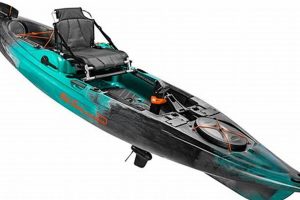
A high-quality carrier system designed for transporting kayaks, specifically those used for fishing, is essential for anglers. These systems typically comprise crossbars, cradles or saddles specifically designed for kayak hulls, and tie-down straps for secure transport. A well-chosen system protects the kayak from damage during transit and ensures safe and efficient travel to and from fishing destinations. For example, J-style cradles offer vertical support, while stackers allow multiple kayaks to be carried simultaneously.
Secure and convenient transportation of fishing kayaks is crucial for anglers. A proper carrier system prevents damage to the vessel, safeguarding the investment. Moreover, efficient loading and unloading reduce strain and save valuable time, allowing more time on the water. Historically, transporting kayaks often involved cumbersome methods, but advancements in roof rack technology have significantly streamlined the process. This evolution has improved safety and accessibility for kayak anglers.
Factors influencing carrier selection include kayak size and weight, vehicle type, and frequency of use. Subsequent sections will explore various carrier types, materials, and essential features to consider when choosing the optimal system for individual needs. Proper installation techniques and safety precautions will also be addressed.
Tips for Selecting and Using Kayak Roof Racks
Choosing and utilizing a suitable carrier system is crucial for safe and efficient kayak transport. The following tips offer guidance for anglers seeking optimal solutions.
Tip 1: Match the Carrier to the Kayak and Vehicle. Consider the kayak’s length, width, and weight, as well as the vehicle’s roof type and capacity. Longer, heavier kayaks may require specialized cradles or saddles, while certain vehicles necessitate specific crossbar attachments.
Tip 2: Prioritize Safety and Security. Utilize high-quality tie-down straps and ensure they are properly secured to designated anchor points. Regularly inspect straps for wear and tear and replace them as needed. Locking mechanisms can deter theft.
Tip 3: Choose Appropriate Cradle or Saddle Types. J-style cradles are versatile and accommodate various hull shapes, while stackers are ideal for transporting multiple kayaks. Saddles offer a lower profile and can reduce wind resistance.
Tip 4: Consider Loading and Unloading Methods. Rollers and lift-assist accessories can simplify loading and unloading, especially for heavier kayaks. Practice loading and unloading techniques in a safe environment before embarking on a trip.
Tip 5: Account for Wind Resistance and Fuel Efficiency. Aerodynamic designs minimize wind drag and can improve fuel economy. Properly securing the kayak and removing any unnecessary accessories can further reduce wind resistance.
Tip 6: Regularly Inspect and Maintain the System. Check all components, including crossbars, cradles, straps, and mounting hardware, for signs of damage or wear. Tighten bolts and lubricate moving parts as needed.
Tip 7: Adhere to Manufacturer Recommendations and Local Regulations. Consult the manufacturer’s instructions for installation and usage guidelines. Be aware of and comply with local regulations regarding transporting kayaks on vehicle rooftops.
Proper carrier selection and usage enhance safety, protect the kayak, and improve the overall transport experience. Implementing these tips ensures efficient and worry-free travel to and from fishing destinations.
The next section will delve into specific product recommendations and comparisons, further assisting anglers in making informed decisions.
1. Security

Security plays a vital role in selecting a suitable kayak roof rack system. A secure system protects the kayak from theft and ensures it remains safely mounted during transport. Several factors contribute to overall security. Locking mechanisms, integrated into the carrier or added as accessories, deter theft by preventing unauthorized removal. High-quality tie-down straps, resistant to cutting and abrasion, provide additional security. Properly securing the kayak to the roof rack, using appropriate knots and tensioning techniques, minimizes movement and reduces the risk of detachment during transit. For example, using steel-cored cables and locking carabiners adds an extra layer of protection against theft, particularly in areas with higher crime rates. Neglecting security measures increases vulnerability to theft and potential accidents caused by improperly secured kayaks.
The location where the kayak is stored when not in use also influences security considerations. Storing the kayak on the vehicle’s roof rack for extended periods increases the risk of theft, especially in unsecured areas. Removing the kayak and storing it in a secure location, such as a garage or shed, provides enhanced protection. Investing in additional security measures, such as surveillance cameras or motion detectors, further deters theft. Evaluating the storage environment and implementing appropriate security measures minimizes risks and safeguards the investment.
Choosing a secure roof rack system is essential for protecting valuable equipment and ensuring peace of mind. Prioritizing features like locking mechanisms, robust straps, and proper securing techniques minimizes vulnerability to theft and prevents accidents resulting from inadequate security. Assessing storage locations and implementing appropriate preventative measures further enhances security. Understanding these aspects empowers informed decisions, leading to a more secure and enjoyable kayaking experience.
2. Durability

Durability represents a critical factor in evaluating kayak roof rack systems, directly impacting longevity, safety, and overall performance. A durable system withstands the rigors of regular use, exposure to various weather conditions, and the stresses of transporting heavy kayaks. Understanding the components contributing to durability ensures informed purchasing decisions and reliable performance over time. This section explores key facets of durability within the context of kayak roof rack systems.
- Material Selection
The materials used in constructing the roof rack system significantly influence its durability. High-quality materials, such as corrosion-resistant metals like aluminum or stainless steel, and UV-resistant plastics, ensure long-term performance. Aluminum offers a balance of strength and lightweight properties, while stainless steel provides superior corrosion resistance in harsh marine environments. Choosing systems constructed from durable materials ensures resistance to weathering, rust, and degradation, extending the lifespan of the investment and maintaining safety during transport. For example, powder-coated steel offers excellent strength and corrosion resistance, while reinforced nylon straps provide long-lasting security.
- Construction Quality
Construction quality plays a crucial role in overall system durability. Well-engineered systems, featuring robust welds, reinforced joints, and high-quality hardware, withstand the stresses of carrying heavy kayaks and navigating challenging road conditions. Attention to detail during manufacturing, such as precision fit and finish, further enhances durability. Examining construction details, such as the thickness of materials, the quality of welds, and the robustness of moving parts, reveals insights into long-term performance. Systems built with precision and quality components resist premature wear and tear, contributing to long-term reliability and safety.
- Weather Resistance
Exposure to various weather conditions, including sun, rain, snow, and saltwater, can impact the durability of roof rack systems. UV-resistant coatings protect against sun damage and fading, while corrosion-resistant materials prevent rust and degradation. Choosing systems designed to withstand diverse environmental factors ensures long-term performance and reliability. For example, galvanized steel crossbars resist rust and corrosion, while marine-grade aluminum hardware maintains integrity in saltwater environments. Investing in weather-resistant components safeguards against premature wear and tear caused by environmental factors.
- Load Capacity and Stability
The roof rack system’s load capacity and stability directly influence its durability and safety. Exceeding the specified load capacity can strain components and lead to premature failure. Stable designs, with well-distributed weight support and secure attachment mechanisms, minimize stress on the system and ensure safe transport. Adhering to manufacturer recommendations regarding load capacity and ensuring proper weight distribution prevents overloading and safeguards system integrity. A system designed to handle the specific weight of the kayak ensures optimal performance and longevity.
Careful consideration of these durability factors ensures the selection of a reliable, long-lasting kayak roof rack system. Prioritizing durable materials, robust construction, weather resistance, and appropriate load capacity contributes to safe and efficient transport over time. Investing in a durable system minimizes the need for frequent replacements, reduces maintenance costs, and enhances the overall kayaking experience.
3. Ease of Use

Ease of use is a paramount consideration when selecting a fishing kayak roof rack system. Efficient loading and unloading minimize strain and maximize time spent fishing, rather than wrestling with cumbersome equipment. A user-friendly system simplifies transport, enhances safety, and contributes to a more enjoyable overall experience. This section explores key facets of ease of use within the context of fishing kayak roof racks.
- Loading and Unloading Mechanisms
Intuitive loading and unloading mechanisms significantly impact ease of use. Features like rollers, sliding cradles, and lift-assist accessories simplify the process, especially for heavier kayaks. For example, rollers integrated into the cradles facilitate smooth loading and unloading, reducing the need to lift the entire kayak onto the roof rack. Lift-assist devices, utilizing gas struts or other mechanisms, further reduce strain and make single-person loading feasible. Systems requiring minimal effort and featuring user-friendly designs contribute to efficient and safe transport.
- Securement System
A straightforward and efficient securement system is essential for ease of use. Intuitively designed straps, buckles, and tie-down points simplify the process of securing the kayak to the roof rack. Cam-buckle straps, for example, allow quick and easy tightening and loosening, while clearly marked tie-down points eliminate guesswork. Complicated or cumbersome securement systems increase loading time and can compromise safety if not properly utilized. Systems employing user-friendly securement mechanisms enhance efficiency and safety.
- Compatibility with Kayak and Vehicle
Compatibility between the roof rack system, the kayak, and the vehicle is crucial for ease of use. Universally compatible systems, adaptable to various kayak shapes and vehicle roof types, simplify installation and minimize compatibility issues. Adjustable cradles or saddles accommodate different hull designs, while versatile mounting hardware ensures compatibility with various crossbar configurations. Compatibility issues can lead to frustration and wasted time, highlighting the importance of selecting a system compatible with both the kayak and vehicle.
- Storage and Portability
Consideration for storage and portability enhances ease of use, especially for those with limited storage space. Foldable or removable components simplify storage when the roof rack is not in use. Lightweight and compact designs facilitate portability and ease of installation. For example, some roof rack systems feature folding J-cradles, reducing storage space requirements. Systems designed with storage and portability in mind enhance convenience and practicality.
Prioritizing ease of use when selecting a fishing kayak roof rack system contributes significantly to a more efficient and enjoyable kayaking experience. User-friendly loading and unloading mechanisms, intuitive securement systems, compatibility between components, and consideration for storage and portability collectively enhance convenience and minimize hassle. Choosing a system that prioritizes these aspects allows anglers to focus on fishing, rather than the logistics of transport.
4. Compatibility

Compatibility is a critical factor influencing the efficacy and safety of a fishing kayak roof rack system. A compatible system seamlessly integrates with both the kayak and the vehicle, ensuring secure transport and preventing damage. Ignoring compatibility can lead to instability, jeopardizing the kayak and posing safety risks. This section explores key facets of compatibility relevant to selecting the best system.
- Crossbar Compatibility
Crossbars form the foundation of the roof rack system, and their compatibility with both the vehicle and the chosen kayak carrier is paramount. Different vehicles utilize various crossbar types, including factory-installed, aerodynamic, and square bars. Ensuring the selected kayak carrier is compatible with the existing crossbars is essential for proper fit and secure attachment. Attempting to install incompatible components can damage the vehicle’s roof and compromise the carrier’s stability. For example, some carriers require specific mounting hardware designed for aerodynamic crossbars, while others may be incompatible with factory-installed raised rails. Thoroughly researching compatibility ensures a secure and damage-free installation.
- Kayak Hull Shape and Size
Kayak hull shapes and sizes vary significantly, influencing the type of carrier best suited for secure transport. J-style cradles are versatile, accommodating various hull designs, while saddles offer a lower profile and are suitable for flatter hulls. Specialized cradles are available for kayaks with unique hull shapes or features. Using an incompatible cradle can lead to improper weight distribution, instability, and potential damage to the kayak during transit. For instance, using J-cradles with a wide, flat-bottomed kayak might result in insufficient support and potential hull deformation. Selecting a carrier designed for the specific kayak hull ensures optimal support and prevents damage.
- Weight Capacity
The combined weight of the kayak and the carrier must not exceed the roof rack system’s specified weight capacity. Exceeding this limit can damage the vehicle’s roof and compromise the carrier’s stability. Consider the weight of fishing gear and accessories stored inside the kayak when calculating the total load. Choosing a system with adequate weight capacity ensures safe and reliable transport. For example, transporting a heavily loaded fishing kayak on a system with insufficient weight capacity can lead to structural damage and potentially dislodge the entire system during transit. Adhering to specified weight limits is crucial for safety and prevents damage.
- Vehicle Roof Type
Vehicle roof types vary, including bare roofs, factory-installed rails, and fixed mounting points. Selecting a roof rack system compatible with the specific vehicle roof type is essential for proper installation and secure attachment. Some systems require specific mounting hardware designed for particular roof types. Attempting to install an incompatible system can damage the vehicle’s roof and compromise the carrier’s stability. For instance, attempting to mount a roof rack designed for factory-installed rails onto a bare roof without appropriate adapters can damage the roof and create an unstable platform for the kayak. Careful consideration of vehicle roof type and compatibility ensures proper fit and securement.
Compatibility considerations are paramount for choosing a suitable fishing kayak roof rack. Ensuring compatibility between the crossbars, kayak hull, weight capacity, and vehicle roof type guarantees safe and efficient transport. Overlooking these factors can lead to instability, damage, and safety hazards. Careful consideration of these compatibility aspects contributes to a secure, efficient, and enjoyable kayaking experience. Selecting a system with proven compatibility minimizes risks and ensures reliable performance.
5. Load Capacity
Load capacity is a critical factor in selecting a fishing kayak roof rack system. A system’s load capacity must exceed the combined weight of the kayak, fishing gear, and the carrier itself. Failure to observe this fundamental principle can lead to equipment damage, vehicle damage, and potentially hazardous driving conditions. Consider a scenario where an angler loads a fully equipped fishing kayak, weighing approximately 100 pounds, onto a roof rack system with a 75-pound capacity. The excess weight stresses the system’s components, potentially leading to crossbar failure, carrier breakage, or damage to the vehicle’s roof. Understanding and adhering to load capacity limits is paramount for safe and reliable transport.
Manufacturers specify load capacity limits based on rigorous testing and engineering principles. These limits consider factors such as material strength, structural design, and dynamic forces encountered during transit. Exceeding these limits compromises the system’s integrity and increases the risk of failure. Furthermore, overloading a roof rack system can negatively impact vehicle handling and fuel efficiency. The added weight raises the vehicle’s center of gravity, potentially affecting stability, especially during cornering or sudden maneuvers. Increased wind resistance from the overloaded rack reduces fuel economy. Practical considerations, such as the distribution of weight within the kayak, also influence overall safety and stability.
Choosing a roof rack system with ample load capacity is essential for safe and efficient kayak transport. Careful consideration of kayak weight, gear weight, and carrier weight, coupled with adherence to manufacturer specifications, ensures a secure and reliable transport solution. Ignoring load capacity limits jeopardizes equipment, vehicle integrity, and overall safety. A thorough understanding of load capacity principles empowers informed decision-making and contributes to a positive kayaking experience, free from preventable incidents and equipment failures. This understanding allows for the selection of a system that not only meets current needs but also accommodates potential future additions of heavier kayaks or equipment.
Frequently Asked Questions
This section addresses common inquiries regarding the selection and utilization of fishing kayak roof rack systems. Understanding these aspects facilitates informed decision-making and promotes safe and efficient kayak transport.
Question 1: What are the primary types of kayak roof rack systems available?
Common types include J-style cradles, stackers, and saddles. J-cradles hold the kayak on its side, while stackers allow vertical stacking of multiple kayaks. Saddles support the kayak from the bottom, offering a lower profile.
Question 2: How does one determine the appropriate roof rack system for a specific kayak?
Kayak length, width, weight, and hull shape influence carrier selection. Vehicle roof type and crossbar compatibility are also crucial factors. Consulting manufacturer recommendations ensures proper fit and function.
Question 3: What safety precautions should be observed when transporting a kayak on a roof rack?
Secure the kayak with high-quality tie-down straps, ensuring proper tension and connection to designated anchor points. Regularly inspect straps for wear and tear. Adhere to manufacturer guidelines and local regulations regarding load limits and transport practices.
Question 4: How can wind resistance and noise be minimized during transport?
Aerodynamic cradles or saddles and proper kayak positioning reduce wind resistance. Bow and stern tie-downs minimize kayak movement and associated noise. Removing unnecessary accessories can also improve fuel efficiency.
Question 5: What maintenance procedures are recommended for roof rack systems?
Regularly inspect all components, including crossbars, cradles, straps, and mounting hardware, for signs of wear or damage. Tighten bolts and lubricate moving parts as needed. Consult manufacturer guidelines for specific maintenance recommendations.
Question 6: Are there any legal restrictions regarding transporting kayaks on vehicle rooftops?
Regulations vary by jurisdiction. Research and adhere to local laws regarding kayak transport, including permitted overhang, required lighting, and signaling devices. Compliance ensures safe and legal transport.
Careful consideration of these frequently asked questions ensures safe, efficient, and compliant kayak transport. Prioritizing safety, proper equipment selection, and adherence to regulations contributes to a positive and enjoyable kayaking experience.
For further information, the subsequent section provides a comprehensive guide to installing and using various kayak roof rack systems.
Conclusion
Optimal kayak transportation hinges on selecting a suitable roof rack system. Critical factors include securement, durability, ease of use, compatibility with both kayak and vehicle, and adherence to load capacity limits. Thorough evaluation of these elements ensures safe, efficient transport, protecting valuable equipment and enhancing the overall kayaking experience. Prioritizing these aspects contributes significantly to a positive and productive outing on the water.
Investing in a high-quality, properly fitted system represents a commitment to safety and efficiency. Diligent research, careful consideration of individual needs, and adherence to best practices empower informed decisions, leading to years of reliable performance and enjoyable fishing excursions. Proper equipment selection transforms transport from a potential challenge into a seamless aspect of the overall kayaking adventure. This proactive approach ultimately maximizes time spent enjoying the sport, rather than managing logistical complexities.