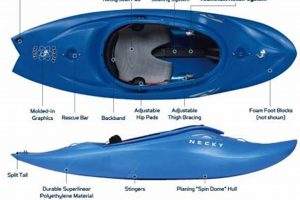
Paddling through the serene waterways surrounding Savannah, Georgia, while angling for a variety of fish species offers a unique blend of outdoor recreation and sporting challenge. This activity allows close encounters with coastal wildlife and provides access to shallow-water fishing grounds often inaccessible by larger vessels. Picture a quiet morning on the water, casting a line near a cluster of spartina grass, the historic city skyline visible in the distance. This captures the essence of the experience.
This low-impact approach to fishing provides numerous advantages. It fosters a deep connection with the natural environment, promotes physical activity, and offers a sustainable fishing method. Historically, small watercraft have been integral to the region’s fishing traditions, reflecting the area’s long-standing relationship with its coastal resources. This continues today, offering a modern take on a time-honored practice.
Further exploration will delve into the specific fish species commonly caught, recommended equipment and safety guidelines, ideal locations and launch points, and the regulations governing this practice. This information will provide a thorough understanding of the topic and equip readers with the knowledge necessary for a safe and rewarding experience.
Tips for a Successful Outing
Careful planning and preparation contribute significantly to a safe and productive fishing experience from a kayak in the Savannah area. The following tips provide valuable insights for anglers of all skill levels.
Tip 1: Check the tides and weather forecast. Tidal currents and wind conditions significantly impact kayak navigation and fishing success. Consult reliable marine forecasts before embarking on any trip.
Tip 2: Choose appropriate safety gear. A personal flotation device (PFD) is essential. A whistle, signaling device, and first-aid kit are also recommended. Inform someone of planned launch and return times.
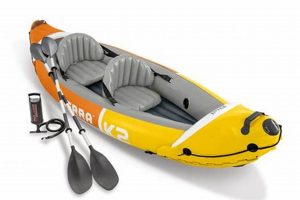
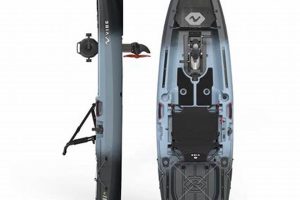
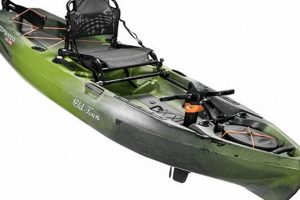
Tip 3: Select the right kayak and equipment. Sit-on-top kayaks offer stability and ease of access for fishing. Fishing-specific kayaks often feature rod holders and storage compartments. Choose appropriate fishing tackle based on target species.
Tip 4: Respect wildlife and the environment. Maintain a safe distance from wildlife. Adhere to “Leave No Trace” principles by packing out all trash and minimizing disturbance to the natural habitat.
Tip 5: Understand local fishing regulations. Obtain necessary licenses and familiarize oneself with size and catch limits for different species. Consult the Georgia Department of Natural Resources for current regulations.
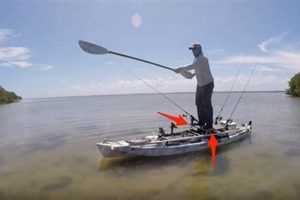
Tip 6: Employ effective paddling techniques. Efficient paddling conserves energy and allows access to broader fishing areas. Learn basic kayak paddling strokes for maneuvering in various conditions.
Tip 7: Practice catch-and-release techniques. Proper handling and release methods minimize stress on fish and contribute to the sustainability of fish populations. Use appropriate hooks and tools to expedite release.
By adhering to these guidelines, individuals can maximize their enjoyment while promoting responsible angling practices and ensuring a safe and rewarding experience on Savannah’s waterways.
Following these tips contributes to a more enjoyable and productive outing. Further information regarding specific locations, species, and techniques will be explored in the concluding sections.
1. Tidal Influences

Tidal fluctuations exert a profound influence on kayak fishing within the Savannah region. The ebb and flow of tides dictate water depth, current strength, and the movement of baitfish, consequently impacting the distribution and feeding patterns of target species. Anglers must consider these tidal variations to optimize fishing success. For example, during a falling tide, fish often concentrate in channels and deeper holes as water recedes from shallower flats. Conversely, a rising tide may bring fish onto flooded marshes and flats in search of foraging opportunities. Understanding these tidal movements allows anglers to anticipate fish location and adjust fishing strategies accordingly.
Tidal currents also present navigational considerations for kayakers. Strong currents, particularly during peak ebb and flow, can make paddling more challenging and require careful route planning. Knowledge of tidal currents assists in selecting optimal launch points and navigating efficiently between fishing locations. For instance, paddling against a strong outgoing tide can be strenuous, while utilizing the current for travel can conserve energy and expand fishing range. Additionally, eddies and slack water periods created by tidal changes offer prime fishing opportunities where baitfish and predators congregate.
In summary, comprehending tidal influences represents a critical element of successful kayak fishing in Savannah. This understanding allows anglers to anticipate fish behavior, navigate effectively, and optimize fishing strategies. By considering tidal stage and current dynamics, anglers can significantly enhance their chances of a productive and enjoyable experience on the water.
2. Equipment Selection

Appropriate equipment selection directly impacts the safety and success of kayak fishing excursions within the Savannah area. Coastal conditions present specific challenges and opportunities that necessitate careful consideration when choosing gear. For example, stable kayaks designed for fishing, such as sit-on-top models, enhance maneuverability and facilitate casting in the often shallow and vegetated waters. Rods and reels suited for inshore saltwater fishing, matched with appropriate lines and terminal tackle, further enhance fishing efficacy.
Given the potential for encountering varied weather conditions and tidal currents, selecting appropriate safety equipment remains paramount. A personal flotation device (PFD) is essential for personal safety. Communication devices, such as a VHF radio or waterproof cell phone, enable contact in emergencies. Navigation aids, including a chart, compass, or GPS unit, assist with route planning and position awareness, especially in the intricate network of creeks and rivers surrounding Savannah. Sun protection, including a hat, sunglasses, and sunscreen, should also be considered, along with appropriate clothing for fluctuating weather patterns.
In summary, careful equipment selection stands as a critical factor in ensuring a productive and safe kayak fishing experience in Savannah. Selecting a stable kayak platform, appropriate fishing gear, and essential safety equipment contributes significantly to positive outcomes on the water. Addressing these considerations promotes both angler comfort and preparedness for the unique conditions characteristic of the coastal environment.
3. Species Targeted

The species targeted in Savannah kayak fishing significantly shape the angler’s experience, influencing equipment choices, fishing locations, and techniques employed. The diverse estuarine environment supports a variety of game fish, each presenting unique challenges and rewards. Redfish, for instance, known for their powerful runs and acrobatic fights, often inhabit shallow grassy flats and oyster beds, requiring anglers to utilize stealth and specialized tackle. Spotted seatrout, another popular target, favor deeper channels and ambush prey around structures, necessitating different approaches. Flounder, masters of camouflage, lie concealed on the bottom, demanding keen observation and precise presentations. Understanding the habits and preferred habitats of these and other species, such as black drum and sheepshead, is crucial for a successful outing. This knowledge dictates not only where to fish but also how to fish, influencing lure selection, retrieval techniques, and even the timing of fishing trips based on tidal cycles and seasonal patterns.
The pursuit of specific species often dictates the choice of fishing locations within the Savannah area. For example, anglers targeting redfish might focus on the shallow marshes and tidal creeks of the Wassaw Sound National Wildlife Refuge, while those seeking trout might explore the deeper waters around the Savannah River bridges. The presence of specific structures, such as oyster reefs or submerged debris, further influences species distribution and angling strategies. Understanding these ecological relationships enhances angling success and promotes a deeper appreciation for the interconnectedness of the coastal ecosystem. Targeting different species also contributes to a more diverse and engaging fishing experience, allowing anglers to explore varied habitats and hone their skills in pursuit of a range of game fish.
In conclusion, the species targeted represent a central element of Savannah kayak fishing, influencing every aspect of the angler’s approach. Knowledge of species-specific behavior, habitat preferences, and seasonal patterns is essential for maximizing success and enjoyment. This understanding not only increases catch rates but also fosters a deeper connection with the coastal environment and its diverse inhabitants. Ultimately, selecting target species shapes the overall fishing experience and provides a framework for informed decision-making regarding location, equipment, and technique.
4. Launch Locations
Launch locations play a pivotal role in Savannah kayak fishing, directly influencing accessibility to diverse fishing grounds and overall angling success. Strategic selection of a launch point considers factors such as target species, tidal currents, and prevailing weather conditions. Launching near tidal creeks provides access to shallow-water habitats favored by redfish and flounder, while launching from a riverbank offers opportunities to intercept migrating species like spotted seatrout. For example, the Skidaway Narrows State Park boat ramp provides convenient access to the Skidaway River and its surrounding marshes, a prime location for redfish and trout. Conversely, launching from a location like Lazaretto Creek offers proximity to the deeper waters of the Wilmington River, suitable for targeting larger species or fishing during periods of stronger tidal currents. Choosing a launch site aligned with specific fishing objectives maximizes efficiency and enhances the likelihood of a productive outing.
Careful consideration of tidal influence and prevailing weather patterns further refines launch location selection. Launching against strong tidal currents can prove challenging, particularly for less experienced kayakers. Opting for a launch point downstream or utilizing periods of slack tide minimizes exertion and facilitates navigation. Wind direction and speed similarly impact kayak control and fishing conditions. Launching into a headwind creates resistance, while a tailwind can aid in covering greater distances. Analyzing wind forecasts and tidal charts prior to departure ensures informed decision-making and contributes to a safer and more efficient fishing experience. For instance, launching from a sheltered location on a windy day reduces exposure to open water and minimizes the risk of capsizing. Such proactive planning based on environmental conditions enhances both safety and enjoyment.
In summary, selecting appropriate launch locations represents a critical element of successful Savannah kayak fishing. Strategic consideration of target species, tidal currents, and weather conditions significantly influences accessibility to productive fishing grounds and overall angler safety. By carefully evaluating these factors, individuals can optimize their fishing experience and maximize their chances of success while promoting responsible and safe practices on the water. This proactive approach enhances not only catch rates but also the overall enjoyment and safety of the kayak fishing experience.
5. Safety Precautions
Safety precautions constitute a critical element of savannah kayak fishing, inextricably linked to the enjoyment and preservation of this popular activity. The coastal environment presents inherent risks, including shifting tides, unpredictable weather patterns, and potential encounters with wildlife. Neglecting safety protocols can lead to hazardous situations, jeopardizing angler well-being and potentially impacting the delicate ecosystem. For example, venturing out without a personal flotation device (PFD) significantly increases the risk of drowning, especially in the event of capsizing or unexpected immersion. Similarly, disregarding weather forecasts can expose anglers to sudden storms or rapidly changing conditions, creating potentially life-threatening scenarios. Understanding these risks and implementing appropriate safety measures is paramount for responsible and enjoyable savannah kayak fishing.
Practical applications of safety precautions encompass a range of preventative measures and proactive behaviors. Checking weather forecasts before embarking on a fishing trip allows anglers to anticipate potentially hazardous conditions and make informed decisions about whether to proceed. Carrying essential safety equipment, such as a PFD, whistle, and communication device, provides critical resources in the event of an emergency. Informing someone of intended fishing locations and estimated return times establishes a point of contact in case of unexpected delays or difficulties. Practicing self-rescue techniques, such as re-entering a kayak after capsizing, equips anglers with essential skills to manage unforeseen circumstances. These practical steps, when consistently applied, significantly mitigate risks and contribute to a safer fishing environment.
In conclusion, prioritizing safety precautions forms an indispensable component of savannah kayak fishing. Understanding the potential hazards inherent in the coastal environment and diligently implementing preventative measures safeguards angler well-being and promotes responsible interaction with the natural world. Consistent adherence to safety protocols contributes not only to individual safety but also to the long-term sustainability of this cherished recreational activity, ensuring its continued enjoyment for generations to come. Neglecting these precautions can have severe consequences, impacting both individual safety and the overall health of the ecosystem. Therefore, a proactive and informed approach to safety remains essential for anyone engaging in savannah kayak fishing.
6. Local Regulations
Adherence to local regulations governing fishing activities within the Savannah area is paramount for the preservation of aquatic resources and the sustainability of recreational fishing. Regulations serve to protect fish populations, maintain ecosystem balance, and ensure equitable access to these shared resources. Understanding and complying with these regulations is not merely a legal obligation but a critical component of responsible angling practices. Ignoring these rules can lead to penalties, depletion of fish stocks, and damage to the fragile coastal environment.
- Licensing Requirements
Obtaining the appropriate fishing licenses is a fundamental requirement for legal fishing activity. Different licenses exist for residents and non-residents, with variations depending on the duration of validity and the type of fishing pursued. For example, a saltwater shore-based fishing license covers fishing from land or docks, while a separate license may be required for fishing from a vessel or kayak. Failure to possess a valid license can result in fines and legal repercussions. Proper licensing contributes to conservation efforts by providing funding for resource management and habitat restoration.
- Species-Specific Regulations
Specific regulations govern the harvest of various fish species, including size limits, catch limits, and seasonal closures. These regulations aim to protect vulnerable populations and maintain healthy stock levels. For example, redfish are subject to strict size and bag limits to ensure the survival of breeding-sized individuals and prevent overfishing. Seasonal closures, such as those implemented during spawning periods, further protect critical life stages and promote long-term population viability. Understanding these species-specific rules is essential for responsible fishing practices and contributes directly to the sustainability of targeted populations.
- Designated Fishing Areas
Certain areas may be designated as sanctuaries, protected habitats, or restricted fishing zones to safeguard critical ecosystems or vulnerable species. These designations often involve specific regulations regarding permitted fishing activities, gear restrictions, or access limitations. For example, fishing may be prohibited within designated spawning areas or seagrass beds to minimize disturbance to sensitive habitats. Respecting these designated areas preserves vital components of the coastal ecosystem and supports the long-term health of fish populations. Ignoring these restrictions can lead to fines and contribute to environmental degradation.
- Gear Restrictions
Regulations may restrict the type of fishing gear permitted in certain areas or for specific species. These restrictions often aim to minimize bycatch, reduce the impact on non-target species, or protect specific habitats. For example, the use of certain types of nets or traps may be prohibited in areas with sensitive seagrass beds to prevent habitat destruction. Similarly, regulations might limit hook sizes or require the use of circle hooks to reduce injury to released fish. Adhering to gear restrictions minimizes environmental impact and promotes sustainable fishing practices.
Understanding and adhering to these local regulations is integral to responsible savannah kayak fishing. Compliance not only prevents legal repercussions but also contributes directly to the long-term health and sustainability of the coastal fishery. By respecting these regulations, anglers participate in the conservation of this valuable resource and ensure its continued enjoyment for future generations. Ignoring these rules undermines conservation efforts and jeopardizes the future of this cherished recreational activity.
Frequently Asked Questions
This section addresses common inquiries regarding kayak fishing in the Savannah area. Clarity on these points promotes a safer and more informed experience.
Question 1: What are the essential safety precautions for kayak fishing in Savannah?
Wearing a personal flotation device (PFD), checking weather forecasts, informing someone of trip plans, and carrying a communication device are crucial safety measures. Understanding tidal currents and potential hazards also contributes significantly to angler safety.
Question 2: What fishing license is required for kayak fishing in Georgia?
A Georgia fishing license with a saltwater shore-based fishing endorsement is generally required. Regulations can vary, so consulting the Georgia Department of Natural Resources website for current requirements is advised.
Question 3: What are the common target species for kayak anglers in Savannah?
Redfish, spotted seatrout, flounder, black drum, and sheepshead represent popular target species. The specific species available may vary depending on season and location.
Question 4: Where are recommended launch locations for kayak fishing near Savannah?
Skidaway Narrows State Park, Lazaretto Creek, and various public boat ramps offer access to suitable fishing areas. Selection depends on target species and tidal conditions.
Question 5: What type of kayak is best suited for fishing in Savannah waters?
Sit-on-top kayaks are generally preferred for their stability and ease of access. Kayaks specifically designed for fishing often feature built-in rod holders and storage compartments.
Question 6: What are the primary tidal considerations for kayak fishing in this region?
Tidal currents influence fish behavior, navigation, and access to fishing areas. Understanding tidal stages and current patterns significantly impacts fishing success and safety.
Careful consideration of these frequently asked questions enhances preparedness and contributes to a positive experience. Consulting official resources provides the most current and accurate information.
The subsequent sections will delve into specific techniques and tactics for successful kayak fishing in the Savannah region.
Savannah Kayak Fishing
Exploration of this distinct angling approach reveals a multifaceted activity deeply intertwined with the natural rhythms and ecological richness of the Savannah coastal region. Successful engagement requires careful consideration of tidal influences, informed equipment selection, targeted species preferences, strategic launch point choices, stringent safety precautions, and adherence to local regulations. Each component contributes to a safe, rewarding, and sustainable fishing experience.
The confluence of historical fishing traditions and modern recreational pursuits underscores the enduring appeal of this practice. Continued appreciation for the delicate balance of the coastal ecosystem ensures the preservation of this unique angling opportunity for future generations. Responsible engagement, informed by knowledge and respect for the environment, guarantees the enduring vitality of Savannah kayak fishing.